













News


 电商部
电商部  2025-12-24 15:38:58
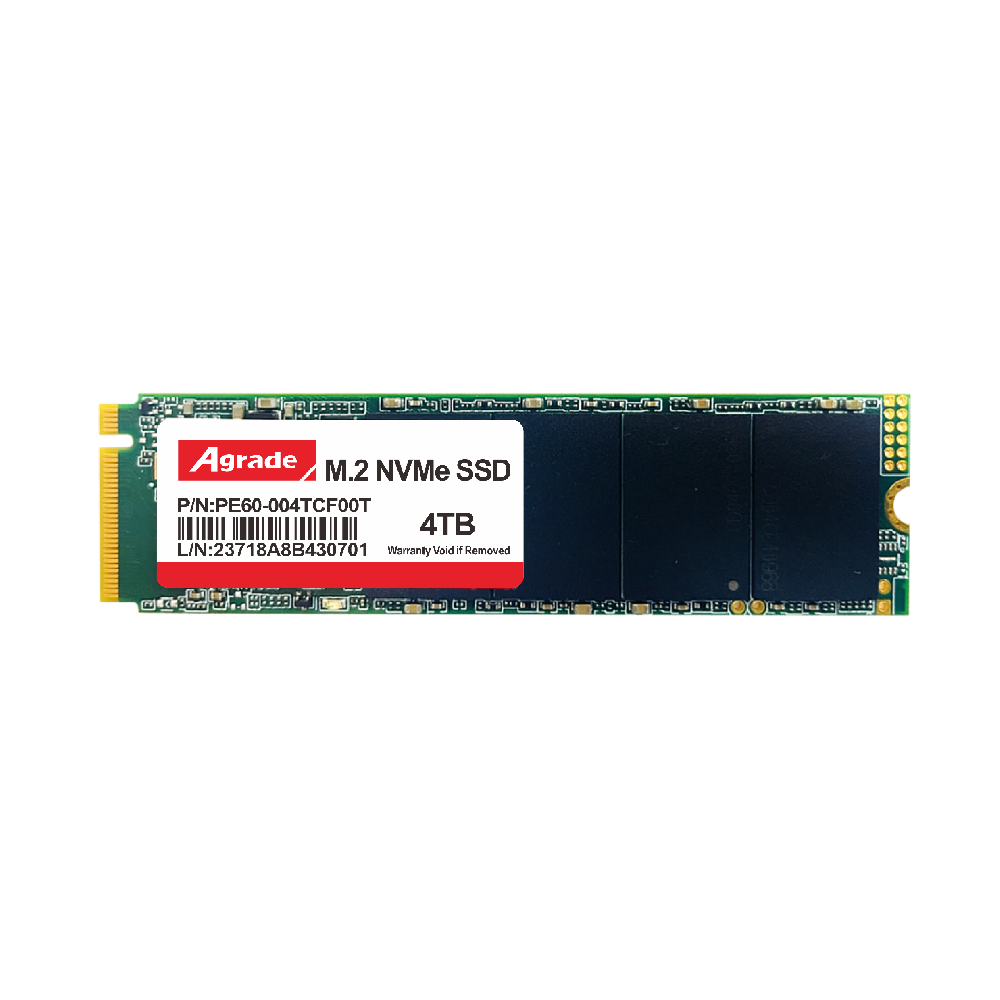
 PCIe 4.0 vs PCIe 5.0 SSD - Is the Upgrade Worth It?
PCIe 5.0 SSDs are here, promising double the bandwidth of PCIe 4.0 models—but are they worth the premium in 2025? Let’s break down the technical differences, real-world performance, and who should (or shouldn’t) upgrade.
First, the specs: PCIe 4.0 offers a maximum bandwidth of 32 GT/s, translating to sequential read speeds up to 7000MB/s for x4 drives. PCIe 5.0 doubles that bandwidth to 64 GT/s, with sequential read speeds reaching 12,000-16,000MB/s (some models like the Crucial T705 hit 14.5 GB/s) and random IOPS up to 1.8 million. On paper, this is a massive leap, but real-world usage tells a different story.
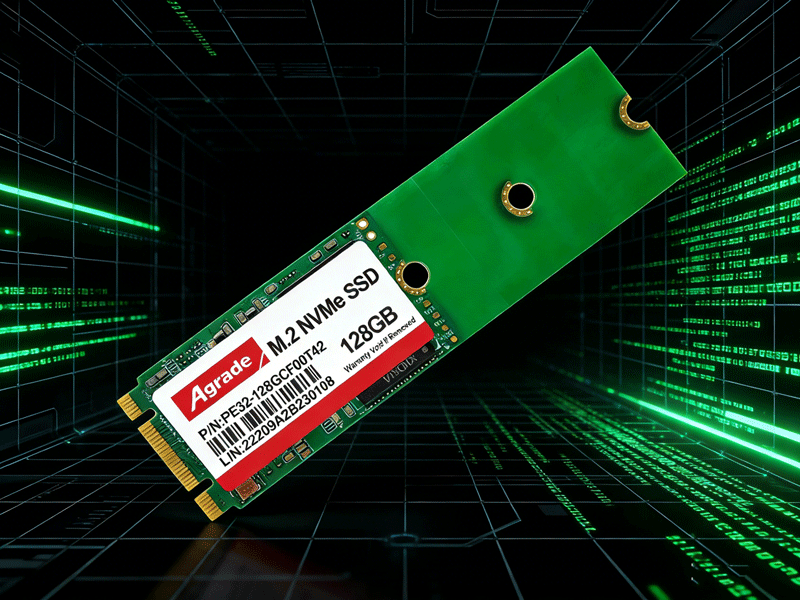
For most users—gamers, office workers, even casual content creators—PCIe 5.0’s speed gains are negligible. A PCIe 4.0 SSD loads a 3A game in 10 seconds; a PCIe 5.0 might do it in 8-9 seconds—a difference you’ll barely notice. Daily tasks like opening apps or browsing the web are unaffected, as they rely more on 4K random read speeds, where PCIe 5.0 only improves by about 30% over PCIe 4.0.
The real benefit of PCIe 5.0 lies in professional workflows: 8K video editing, 3D rendering, AI training, or large-scale scientific computing, where massive sequential data transfers are common. For these users, the faster speed cuts down project times significantly—for example, exporting a 1-hour 8K video might take 20 minutes with PCIe 4.0 vs. 12 minutes with PCIe 5.0.
But there are tradeoffs: PCIe 5.0 SSDs are 30-70% more expensive than PCIe 4.0 models, and they require a high-end motherboard (Intel Core 200S series or AMD Zen 5 Ryzen 9000) and CPU to support them. They also generate 20-30% more heat than PCIe 4.0 drives, needing active cooling or large heat sinks to maintain performance—adding to cost and taking up chassis space.
For budget or mainstream users, PCIe 4.0 SSDs (like the Samsung 990 Pro or Zhitai TiPlus7100) still offer more than enough speed for 90% of use cases, with better value and broader compatibility. Even if you have a PCIe 5.0-ready motherboard, the upgrade only makes sense if you have specific bandwidth-heavy tasks. For everyone else, saving money on a PCIe 4.0 model and investing in more RAM or a better GPU will yield a bigger performance boost. In 2025, PCIe 5.0 is a niche upgrade for professionals—not a must-have for the average user.

-
Products
Advantages
-
Solutions
-
News
About us
-
Contact us
Tel:+86 19926658803
Whatsapp:+86 19926658803
lianle1210@163.com
Address: 30CF, Caihong Building, Caihong Road, Futian District, Shenzhen City, Guangdong Province, China


Friendly Links:
