












News


 电商部
电商部  2026-01-04 15:46:58
 Analysis of core technology of domestic memory modules: why can Changxin's 16nm G4 technology
Analysis of core technology of domestic memory modules: why can Changxin's 16nm G4 technology rank among the top tier
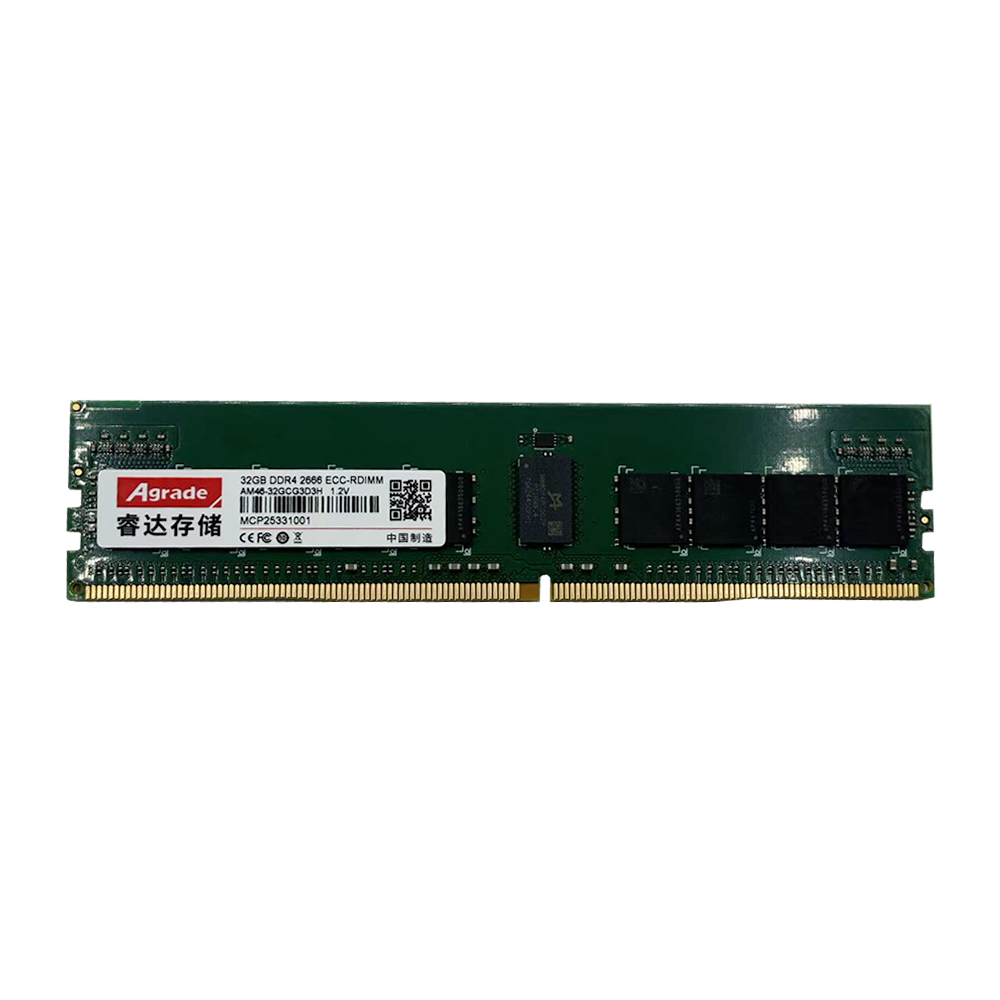
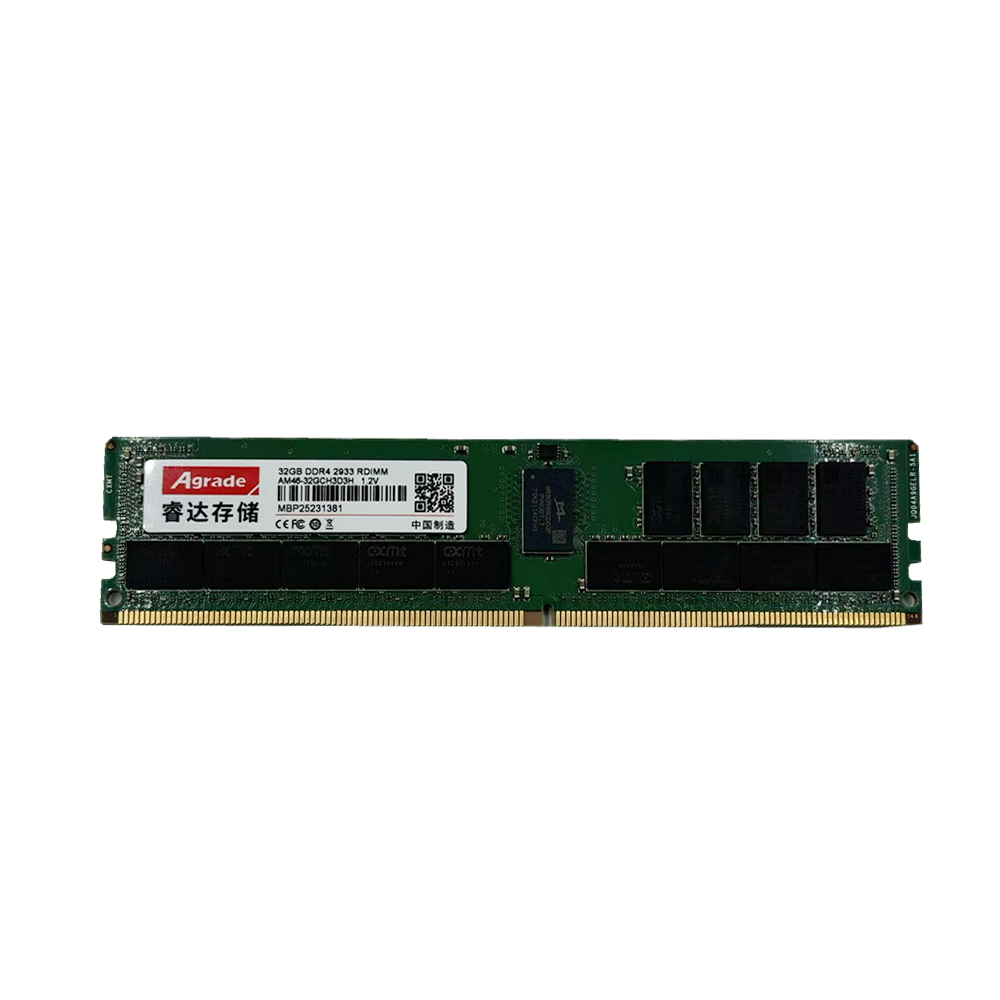
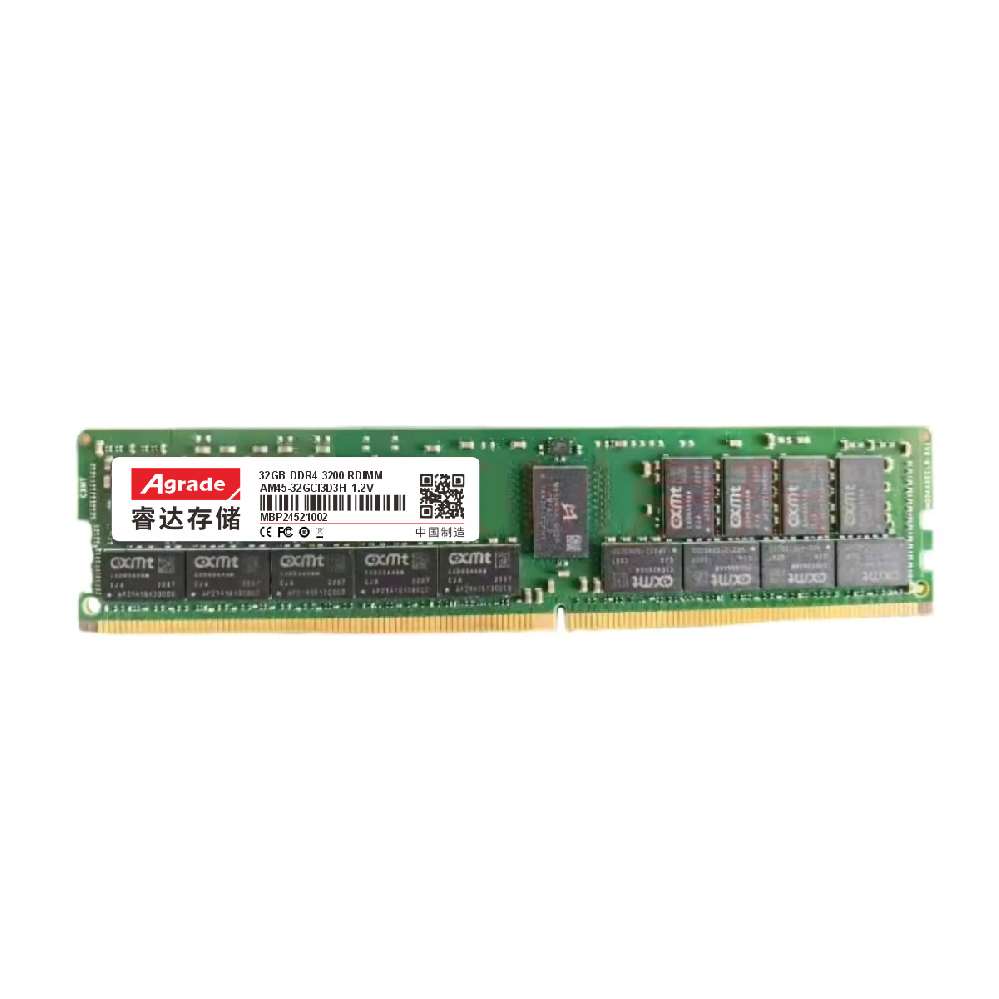
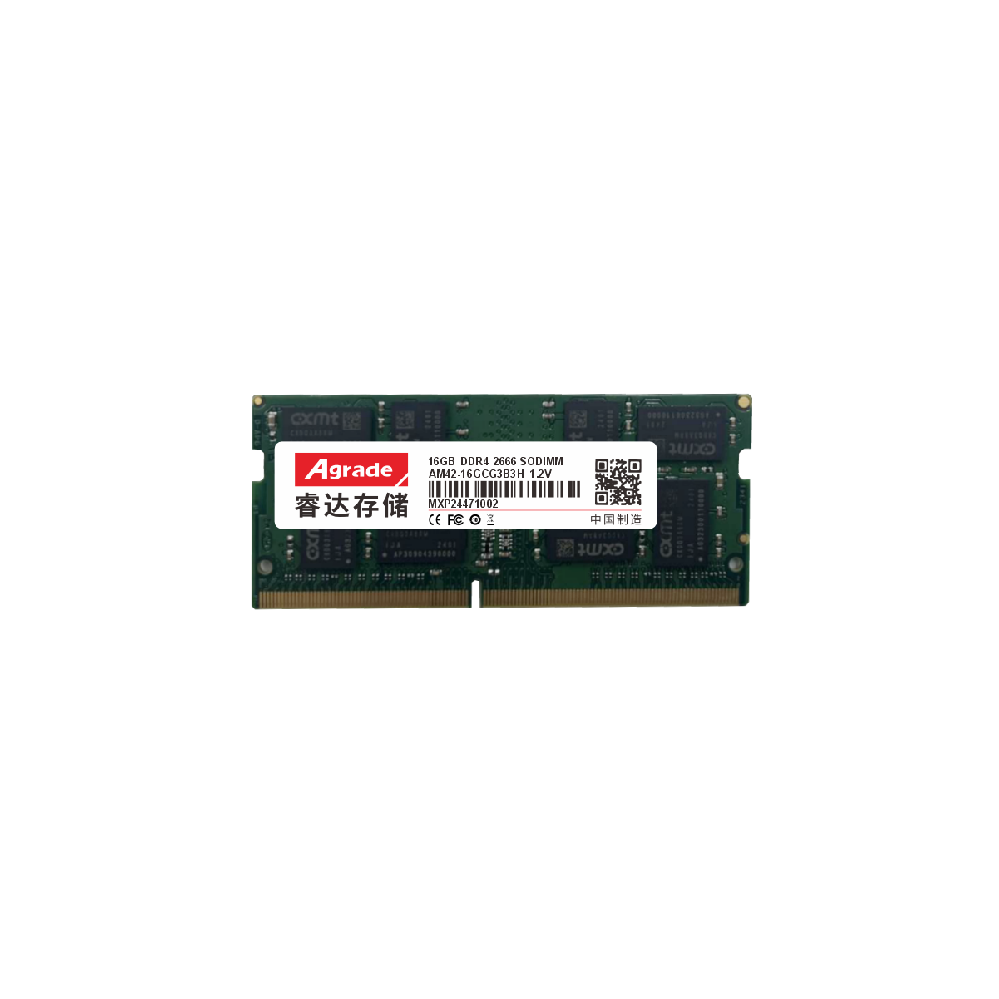
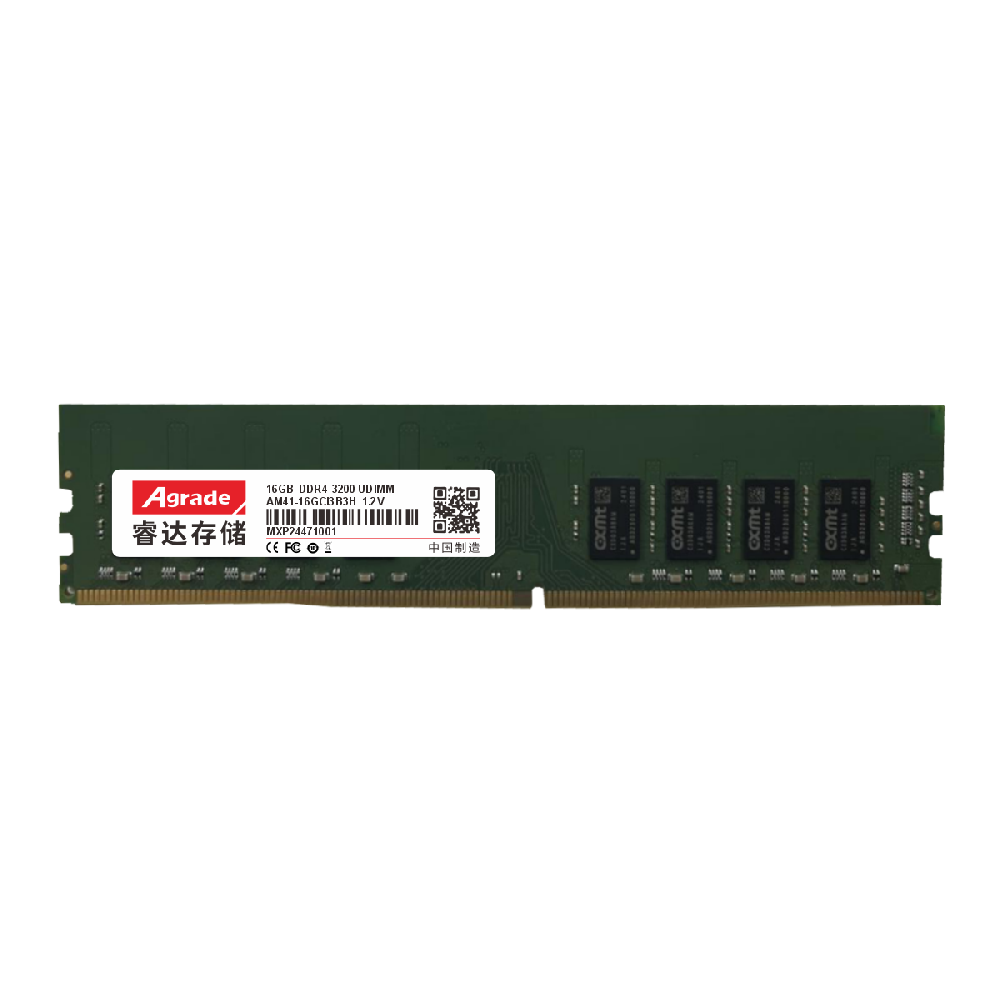
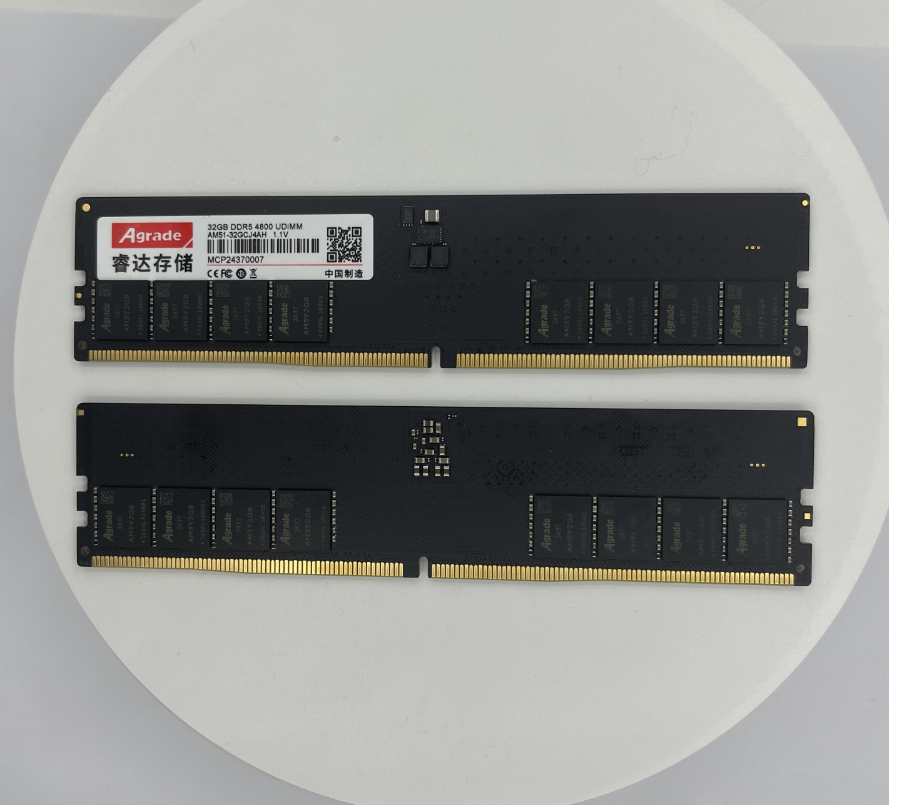
In the rise of domestic memory modules, technological breakthroughs are key milestones. Changxin Memory's G4 DRAM process, launched in 2025, achieved dual breakthroughs in performance and cost with a feature size of 16.0nm, enabling domestic DDR5 memory to successfully join the international top tier. For ordinary users, understanding the technological value of this process can provide a clearer understanding of the core competitiveness of domestic memory modules.
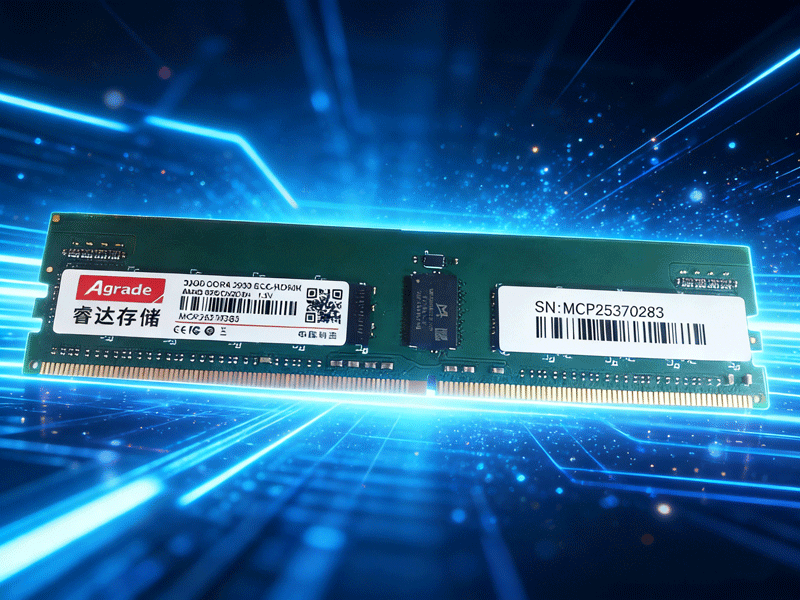
The core advantage of the 16nm G4 process lies in the precise design of its memory cells. With a memory cell area of just 0.0020μm², it can integrate more memory cells within the same chip size, which is the key reason why Changxin's new DDR5 product can achieve a single-particle capacity of 24Gb. Compared to the earlier 19nm process, the 16nm process has increased the maximum memory speed from 6400Mbps to 8000Mbps, representing a 25% performance improvement, perfectly fitting the needs of high-end scenarios such as AI computing and high-performance computing.
A significant improvement in yield is the core guarantee for mass production of 16nm technology. Through process optimization, Yangxin Memory has increased the yield of G4 technology from 50% in the initial stage to 80%, and it is expected to reach the industry-leading level of 90% by the end of 2025. The improvement in yield directly reduces the unit manufacturing cost, giving domestic memory modules a significant price advantage and laying the foundation for subsequent capacity expansion. Currently, Yangxin Memory's production capacity has exceeded 300,000 wafers per month, effectively alleviating the supply pressure of domestic memory chips.
From the perspective of technological evolution, the 16nm G4 process serves as a crucial stepping stone for domestic DRAM technology. Although there remains a gap of 1-2 generations compared to Samsung and SK Hynix's 10nm+ process, this breakthrough has significantly narrowed the technological gap. In the future, leveraging the technological accumulation based on the G4 process, Yangtze Memory Technologies will further advance the research and development of advanced processes and introduce advanced packaging technologies such as TSV and Flip Chip, continuously enhancing the core competitiveness of domestic memory modules.

-
Products
Advantages
-
Solutions
-
News
About us
-
Contact us
Tel:+86 19926658803
Whatsapp:+86 19926658803
lianle1210@163.com
Address: 30CF, Caihong Building, Caihong Road, Futian District, Shenzhen City, Guangdong Province, China


Friendly Links:
