












News


 电商部
电商部  2026-01-26 10:37:12
 Guide to selecting wide-temperature solid-state drives, key parameters to consider
The selection of wide temperature solid-state drives should be based on the actual application scenario requirements, combined with core parameters such as temperature range, reliability indicators, interface types, data security functions, etc., while taking into account device compatibility, operation and maintenance convenience, and cost budget, to avoid focusing only on temperature range and neglecting other key indicators, which may result in product and scenario mismatch. Scientific and reasonable selection can not only ensure stable operation of the system, but also optimize cost investment, improve the cost-effectiveness and reliability of the overall solution.
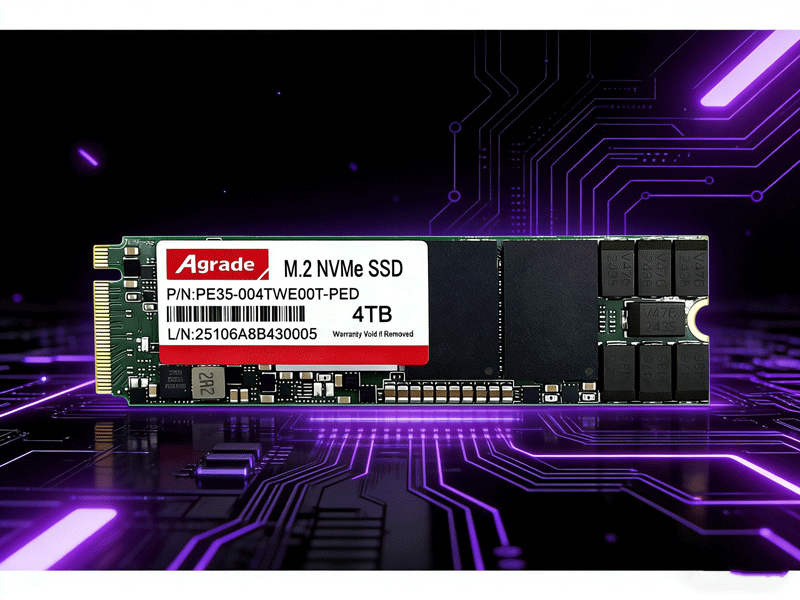
The temperature range is the primary core parameter for selecting wide temperature SSDs, and it is necessary to accurately match the extreme temperature values and temperature fluctuation frequencies of the actual environment, rather than blindly pursuing higher temperature ranges. For outdoor monitoring, vehicle terminals and other scenarios, if the extreme low temperature is not less than -40 ℃ and the high temperature does not exceed 70 ℃, quasi wide temperature models can be selected to balance cost-effectiveness and reliability; In scenarios such as industrial control and energy facilities, if the equipment operates in a closed manner and can reach a high temperature of up to 85 ℃, industrial grade wide temperature products with a temperature range of -40 ℃ to 85 ℃ should be preferred; In scenarios such as aerospace and military industry, polar research, etc., if it needs to withstand low temperatures below -55 ℃ or high temperatures above 125 ℃, it is necessary to choose ultra wide temperature or military grade ultra wide temperature models. In terms of reliability indicators, special attention should be paid to TBW (total write volume) and MTBF (mean time between failures). For industrial scenarios, it is recommended to choose products with TBW ≥ 300TB and MTBF ≥ 1 million hours to ensure long-term 7 × 24-hour operation requirements; In scenarios where data is frequently written, it is necessary to further improve the TBW index to avoid rapid wear and tear of flash memory.
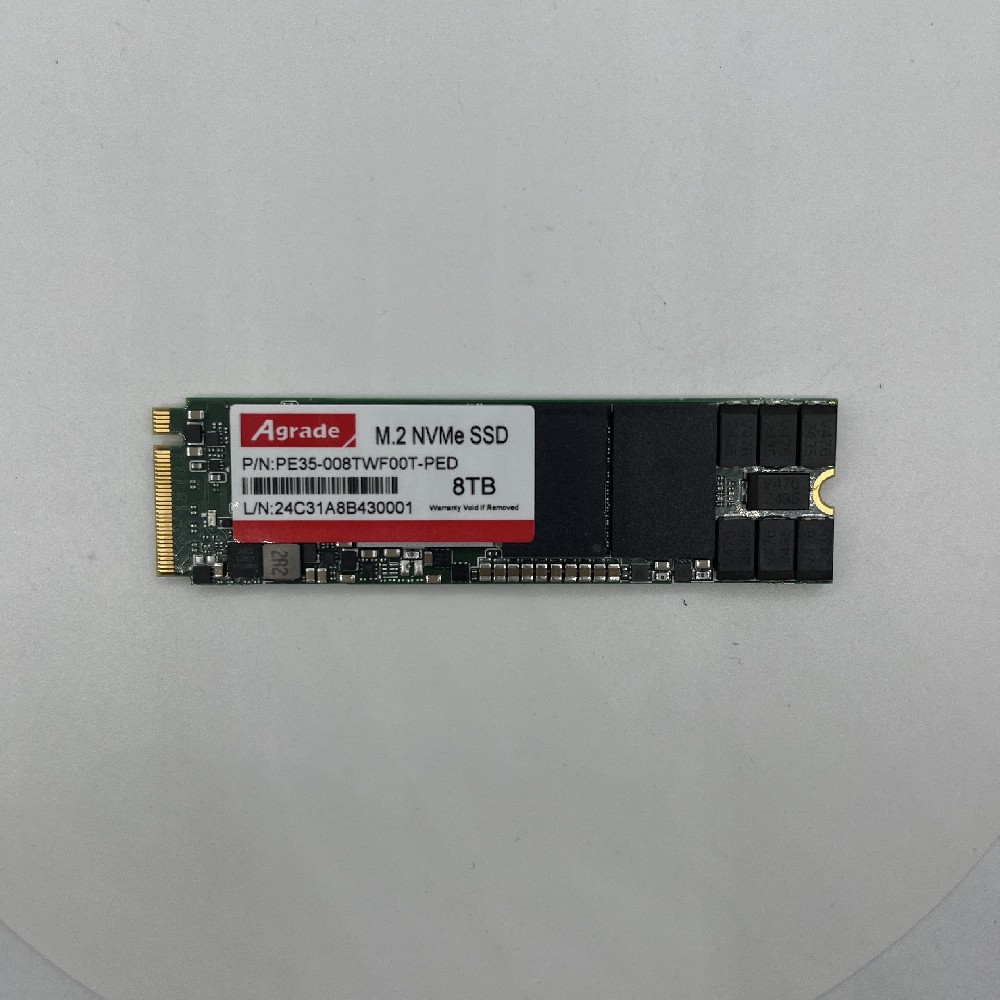
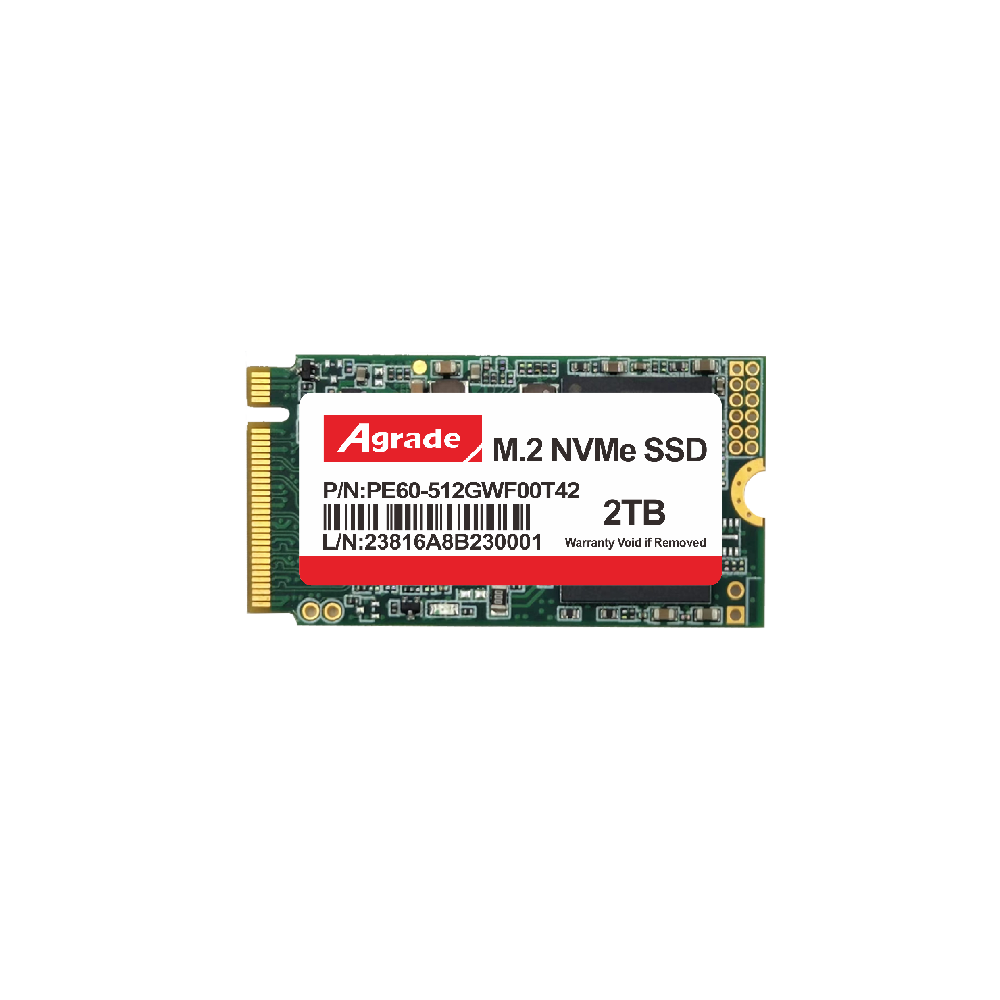
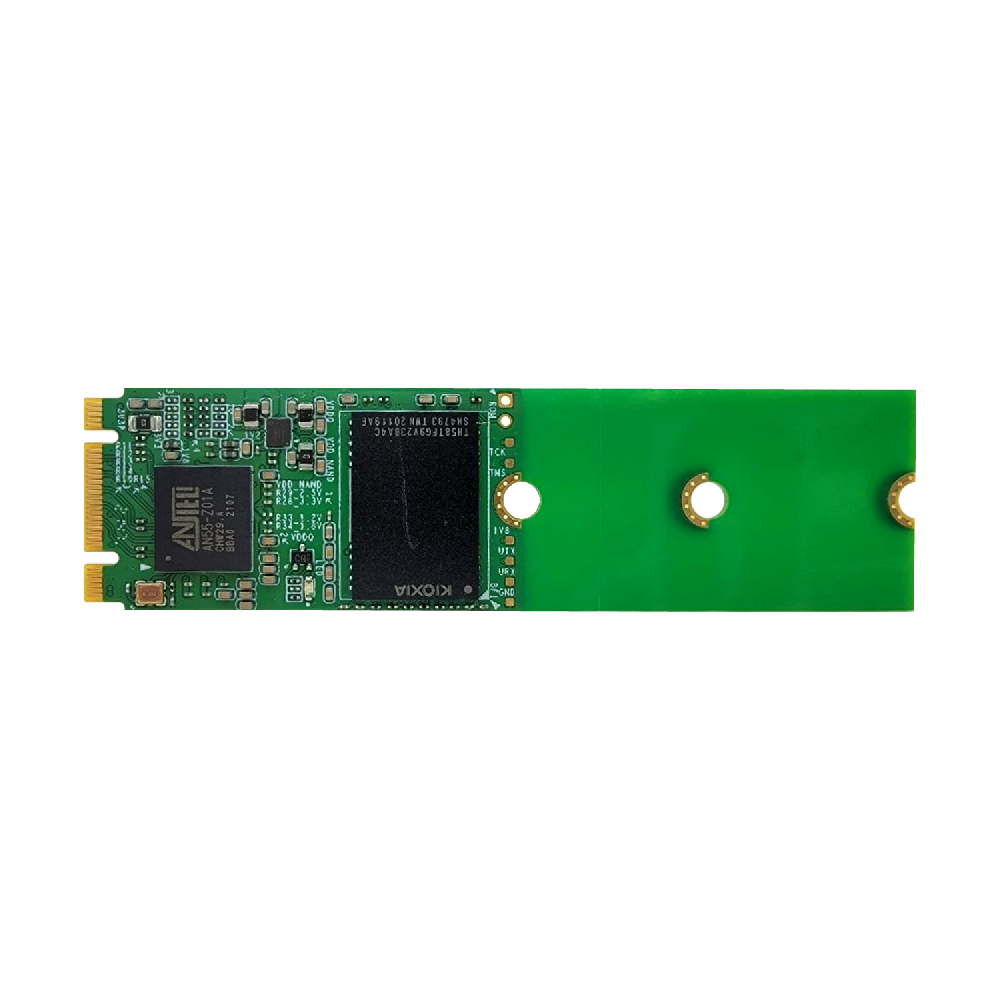
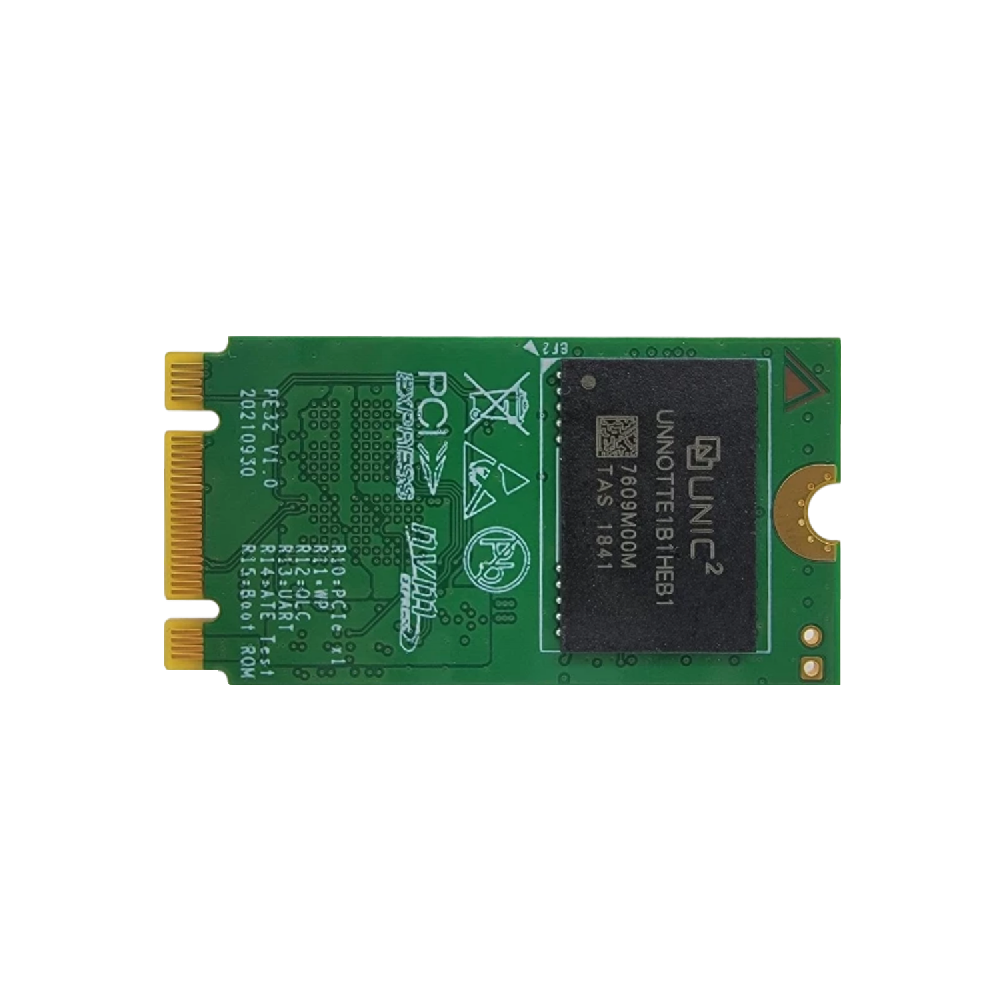
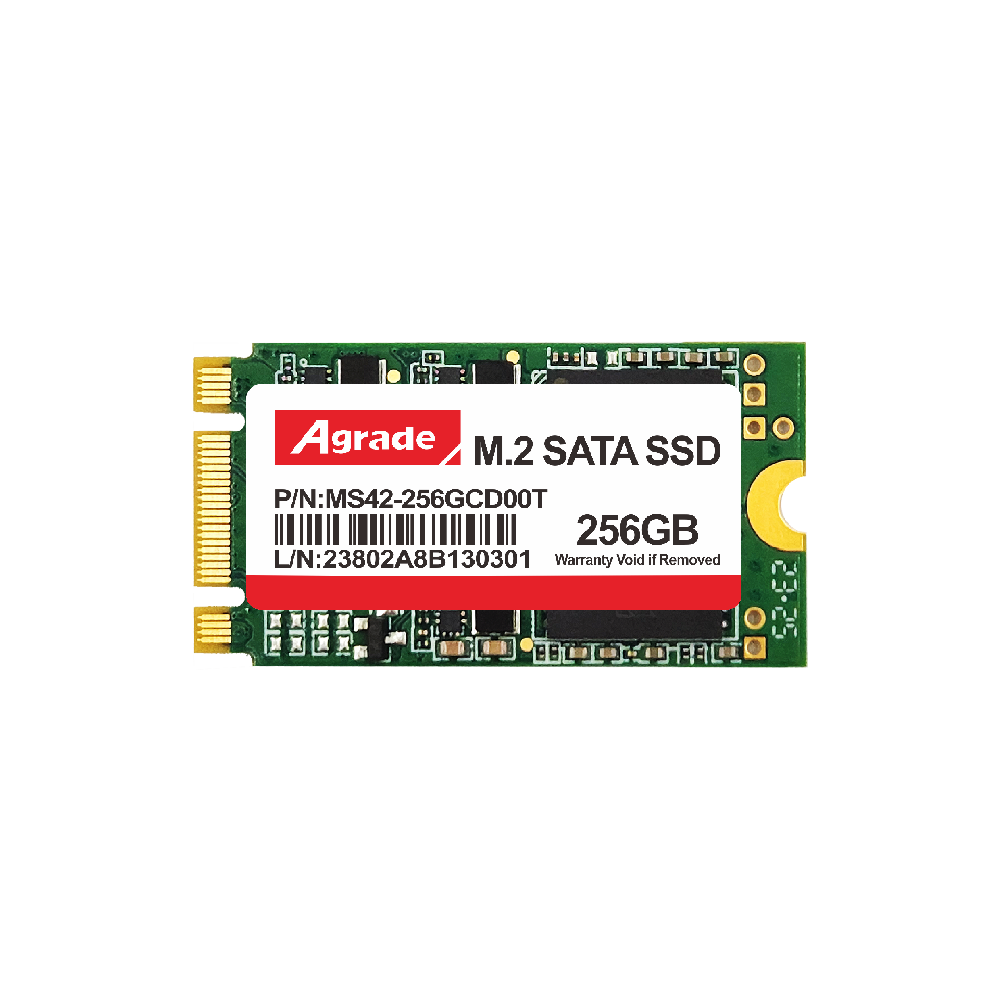
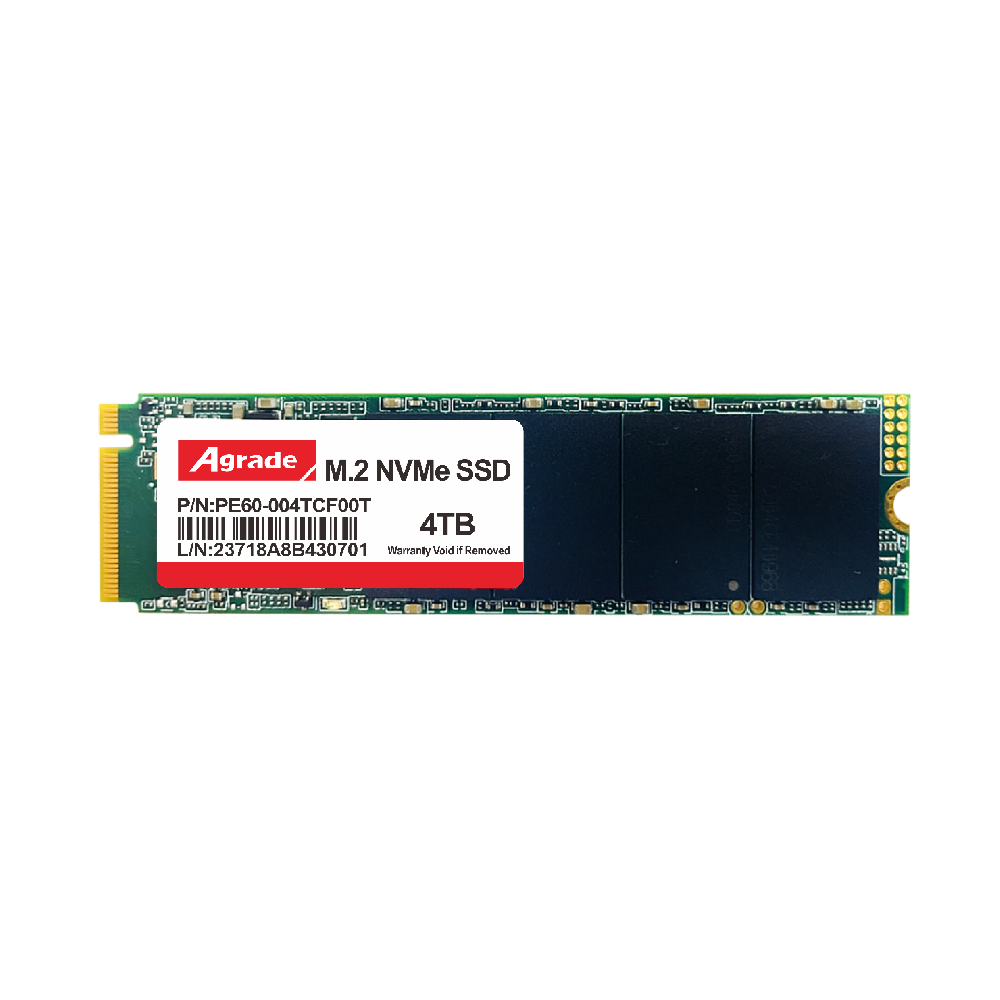
The interface type should be selected based on device compatibility and performance requirements. Traditional industrial computers and old devices are mostly compatible with SATA interfaces, which have strong compatibility and high stability, and can meet the requirements of medium and low-speed storage; In scenarios such as high-performance industrial computers and rail transit signal systems, if high read and write speed is required, M.2 NVMe interface wide temperature SSDs can be selected, with read and write speeds up to 3-5 times that of SATA interfaces, improving system response efficiency. In addition, attention should be paid to data security functions and industrial level certification. For classified scenarios, products with AES-256 encryption and national security chips should be selected; For scenarios with severe vibration and electromagnetic interference, models with anti vibration and anti EMI design should be selected; At the same time, priority should be given to products that have passed industrial and military level certifications such as GJB150A and AEC-Q100 to ensure compliance with industry standards. Finally, based on our own budget and reliability requirements, we balanced cost and performance while meeting the core requirements of the scenario, and selected a cost-effective wide temperature SSD.
The temperature range is the primary selection parameter, and the required level needs to be determined based on the actual environment. For example, outdoor scenes can choose products with a quasi wide temperature range of -40 ℃~70 ℃, industrial control scenes prioritize products with a wide temperature range of -40 ℃~85 ℃, and aerospace and military industries require models with ultra wide temperatures. In terms of reliability indicators, attention should be paid to the total TBW write volume and MTBF (mean time between failures), and products with high TBW values and MTBF exceeding one million hours should be prioritized.
The interface type needs to match device compatibility, SATA interface is suitable for traditional industrial control systems, and M.2 NVMe interface is suitable for high-performance demand scenarios. In addition, attention should be paid to data security functions, such as power outage protection, encryption technology, and whether it has passed industrial level certification (such as GJB150A military certification). Only by combining one's own budget and reliability requirements can one choose a cost-effective wide temperature SSD.

-
Products
Advantages
-
Solutions
-
News
About us
-
Contact us
Tel:+86 19926658803
Whatsapp:+86 19926658803
lianle1210@163.com
Address: 30CF, Caihong Building, Caihong Road, Futian District, Shenzhen City, Guangdong Province, China


Friendly Links:
