












News


 Agrade Storage Editorial Team
  2026-06-05 16:06:13
 Computational Storage: Processing Data Where It Lives for Industrial Efficiency
Introduction
Data growth is relentless. In industrial environments, sensors, cameras, and automation systems generate terabytes of information every day. Traditionally, all this data is shuttled from storage devices to a central CPU for processing, then back again. This constant movement creates bottlenecks, consumes power, and introduces latency. Computational storage offers a smarter way: processing data directly where it lives, inside the storage device itself. By offloading computation to the storage controller, industrial systems can achieve faster insights, lower energy consumption, and reduced network traffic. In this article, we explore how computational storage works, its technical underpinnings, practical applications in industrial settings, and how Agrade Storage is helping drive this transformation with advanced industrial SSDs.
What Is Computational Storage?
Computational storage is an architecture that integrates processing capabilities directly into storage devices. Instead of treating a drive as a dumb block of memory, the storage device itself can execute functions such as filtering, compression, encryption, or even machine learning inference. This is often referred to as near-data processing. The key idea is to eliminate the overhead of moving large datasets across system buses to the main CPU. In industrial storage, where real-time decision-making is critical, this approach dramatically reduces latency and frees up the host processor for other tasks.
How It Differs from Traditional Storage
In a conventional system, storage is passive. The CPU issues read and write commands, and the drive simply returns or stores data. With computational storage, the drive becomes an active participant. It can be programmed to perform specific operations on the data before sending results to the host. For example, an industrial SSD equipped with computational capabilities might scan a stream of sensor readings and only transmit anomalies, rather than the entire dataset. This reduces data movement by orders of magnitude.
Technical Details: How Computational Storage Works
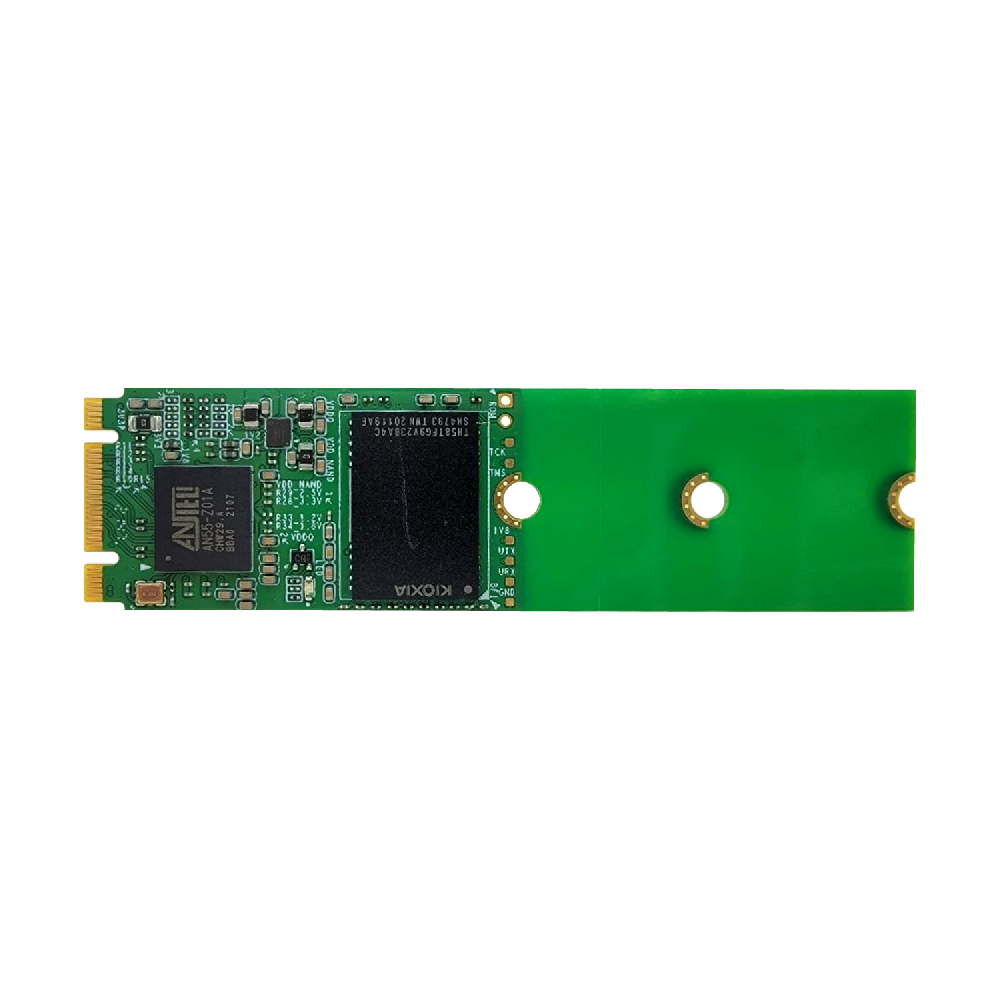
Computational storage relies on embedding a processor (often an ARM core, FPGA, or dedicated ASIC) within the storage controller. This processor has direct access to the NAND flash memory, bypassing the host CPU for data-intensive tasks. The host communicates with the drive using standard protocols like NVMe, but with additional commands defined by the NVM Express Computational Storage Task Group. These commands allow the host to offload operations such as:
- Data compression and decompression
- Encryption and decryption
- Deduplication
- Pattern matching and filtering
- Simple analytics or aggregation
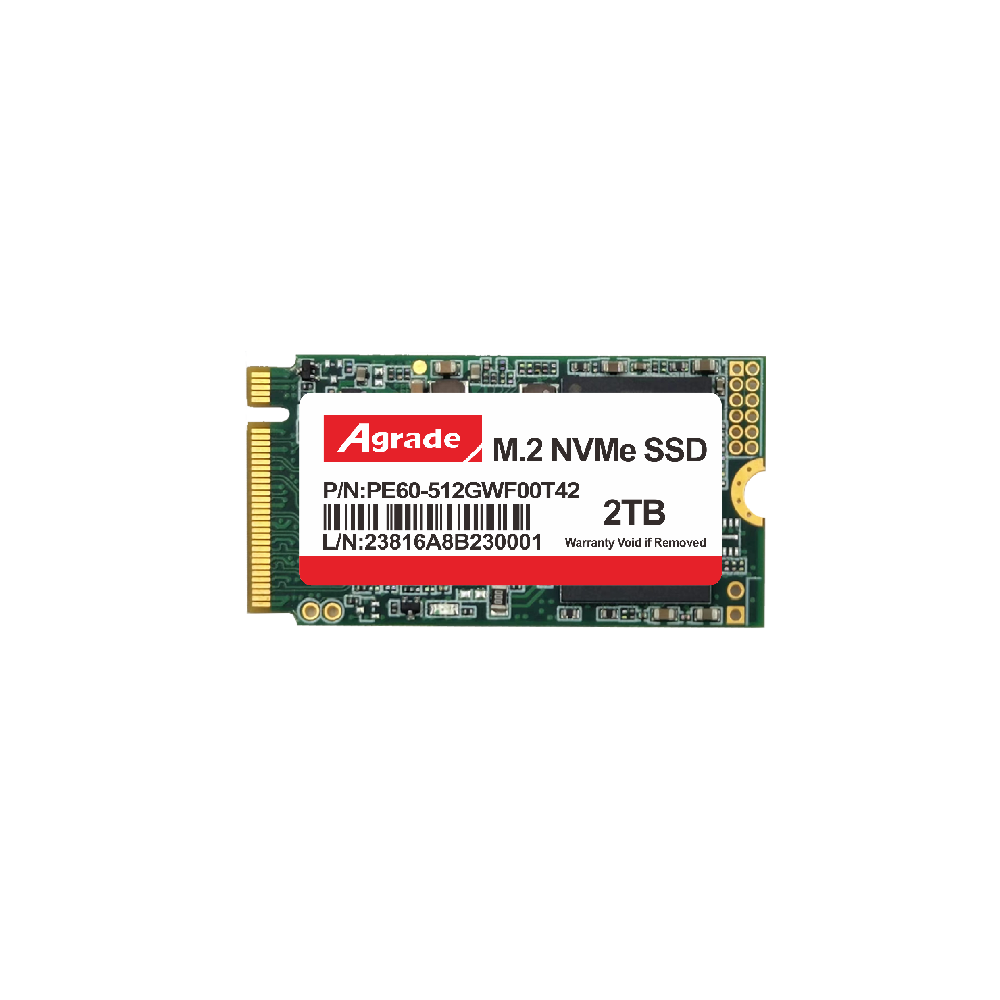
The computational storage device can also include local memory for temporary results. This architecture is particularly powerful in industrial settings where edge devices must process data with minimal latency. An industrial SSD from Agrade Storage, for example, can be configured to run custom algorithms directly on the drive, enabling real-time quality control on a factory floor without sending data to a cloud server.
Performance and Power Benefits
By reducing data movement, computational storage lowers power consumption significantly. Moving data through the memory hierarchy is one of the most energy-intensive operations in computing. When the drive processes data internally, it avoids the energy cost of transferring data over PCIe, through DRAM, and into the CPU cache. Tests have shown that computational storage can reduce total system power by 20-40% in data-heavy workloads. For industrial storage systems running 24/7, this translates into substantial cost savings and reduced thermal load.
Practical Applications in Industrial Environments
Computational storage is not just a theoretical concept. It has immediate, tangible benefits in industrial applications. Below are several use cases where Agrade Storage's industrial SSDs with computational capabilities can make a difference.
Real-Time Predictive Maintenance
Manufacturing equipment generates continuous streams of vibration, temperature, and pressure data. An industrial SSD with embedded processing can analyze this data on the fly, detecting signatures that indicate impending failure. Instead of sending every reading to a central server, the drive issues an alert only when anomalies are detected. This reduces network bandwidth, speeds up response times, and helps prevent costly downtime.
Machine Vision and Quality Inspection
High-resolution cameras on assembly lines produce massive image files. Traditional systems transfer these images to a GPU server for analysis, creating latency. With computational storage, the drive can perform initial image filtering, edge detection, or compression before sending results to the host. This enables faster defect detection and reduces the load on central compute resources. Agrade Storage's industrial SSDs are designed to handle such demanding workloads in harsh environments, with wide temperature tolerance and high endurance.
Edge AI Inference
Deploying AI models at the edge is challenging due to limited power and compute resources. Computational storage allows lightweight inference models to run directly on the storage device. For example, a security camera system storing footage on an industrial SSD can have the drive detect objects or faces without involving a separate AI accelerator. This simplifies system architecture and reduces cost.
Data Logging and Compression
In remote industrial sites, such as oil rigs or wind farms, connectivity is limited and expensive. Computational storage can compress data before transmission, reducing satellite or cellular bandwidth usage. The drive can also perform data deduplication, ensuring only unique data is sent. This is a perfect fit for Agrade Storage's rugged industrial SSDs, which are built to operate in extreme temperatures and vibration.
Challenges and Considerations
While computational storage offers compelling advantages, it is not a one-size-fits-all solution. Implementing it requires careful consideration of workload characteristics. Not all tasks benefit from near-data processing. For example, operations that require complex, branching logic may still be better suited to the host CPU. Additionally, programming computational storage devices demands a different skill set, as developers must write code for the embedded processor within the drive. However, as standards mature and tools improve, these barriers are lowering.
Integration with Existing Systems
Adopting computational storage in an existing industrial storage infrastructure may require firmware updates or new drivers. Agrade Storage provides comprehensive support for integration, including API documentation and reference designs. Their industrial SSDs are designed to be drop-in replacements for standard drives, with optional computational features enabled through firmware configuration.
The Future of Computational Storage
The technology is still evolving, but the trajectory is clear. As data volumes explode, the inefficiency of moving data to compute becomes unsustainable. Computational storage represents a paradigm shift: bring compute to data. In the coming years, we can expect deeper integration of AI accelerators, more sophisticated offload capabilities, and broader adoption across industries. For industrial storage, this means smarter, faster, and more energy-efficient systems.
Agrade Storage is at the forefront of this movement, developing industrial SSDs that combine high reliability with embedded processing. Whether for factory automation, autonomous vehicles, or remote monitoring, Agrade Storage's solutions are built to process data where it lives.
Conclusion
Computational storage is not just a buzzword; it is a practical evolution in how we handle data. By processing information directly on the storage device, industrial systems can achieve lower latency, reduced power consumption, and greater efficiency. From predictive maintenance to edge AI, the applications are vast and impactful. As an industrial storage leader, Agrade Storage is committed to delivering SSDs that harness this technology for real-world use. If you are looking to optimize your data pipeline, consider computational storage as your next step. Contact Agrade Storage today to learn how our industrial SSDs can transform your operations.

-
Products
Advantages
-
Solutions
-
News
About us
-
Contact us
Tel:+86 19926658803
Whatsapp:+86 19926658803
lianle1210@163.com
Address: 30CF, Caihong Building, Caihong Road, Futian District, Shenzhen City, Guangdong Province, China


Friendly Links:
