












News


 Agrade Storage Editorial Team
  2026-06-06 16:09:17
 Data Storage for Medical Devices: Reliability and Compliance
Introduction: The Critical Role of Storage in Medical Devices
In the modern healthcare ecosystem, medical devices are no longer standalone instruments. They generate, process, and store vast amounts of patient data, diagnostic images, and operational logs. From infusion pumps and ventilators to MRI machines and portable diagnostics, every device relies on a dependable data storage subsystem. The stakes are exceptionally high: a single storage failure can lead to loss of critical patient records, device malfunction, or regulatory non-compliance. For manufacturers and healthcare providers, choosing the right industrial storage solution is not just a technical decision—it is a matter of patient safety and legal accountability. This article examines the technical requirements, regulatory landscape, and practical applications of data storage for medical devices, highlighting how solutions from Agrade Storage address these challenges.
Regulatory Compliance: Navigating FDA, ISO, and HIPAA
Medical device manufacturers must adhere to stringent regulations that govern data integrity, security, and device lifecycle. Three key frameworks define the requirements:
- FDA 21 CFR Part 820 (QSR) mandates that manufacturers establish procedures for controlling design, production, and storage of records. Storage media must ensure data is not altered without authorization.
- ISO 13485 requires a quality management system that includes documented processes for data storage, backup, and retrieval. Non-volatile memory must maintain data integrity for the device's expected lifespan.
- HIPAA (in the U.S.) demands that electronic protected health information (ePHI) stored on devices is encrypted and protected against unauthorized access.
Compliance is not a one-time checkbox; it requires storage hardware that supports features like write protection, error correction coding (ECC), and secure erase. Traditional consumer-grade SSDs or SD cards often lack these features, making them unsuitable for regulated environments. Industrial storage solutions, such as those from Agrade Storage, are designed from the ground up to meet these rigorous standards, offering built-in hardware encryption and advanced wear-leveling algorithms.
Technical Reliability: Why Industrial SSDs Outperform Consumer Drives
Medical devices operate under conditions that would quickly degrade consumer storage. Temperature extremes, vibration, humidity, and continuous read/write cycles are common. Here is why industrial SSDs are the preferred choice:
Endurance and Write Cycles
Consumer SSDs typically use TLC (triple-level cell) NAND flash, which supports fewer program/erase cycles (around 1,000–3,000). Industrial SSDs from Agrade Storage use SLC (single-level cell) or pSLC (pseudo-SLC) NAND, rated for 30,000 to 100,000 cycles. This endurance is crucial for devices that log data continuously, such as patient monitors or ventilators.
Wide Temperature Range
Many medical devices require operation in non-climate-controlled settings, such as ambulances or field hospitals. Industrial SSDs are rated for -40°C to +85°C, while consumer drives typically fail beyond 0°C to 70°C. Thermal throttling and data corruption are avoided through rigorous component selection.
Power Loss Protection (PLP)
Unexpected power loss can corrupt files or cause data loss. Industrial SSDs incorporate tantalum capacitors that provide backup power to flush data from DRAM cache to NAND during a power failure. This feature is mandatory for devices like surgical robots where data consistency is non-negotiable.
Error Correction and Data Integrity
Advanced ECC algorithms, such as LDPC (Low-Density Parity Check), correct multiple bit errors per sector. Combined with end-to-end data path protection, these technologies ensure that even in high-radiation environments (e.g., X-ray machines), data remains accurate.
Practical Applications in Medical Devices
Different device categories impose unique storage demands. Below are three common scenarios and how industrial storage solutions are applied.
Portable Diagnostic Equipment
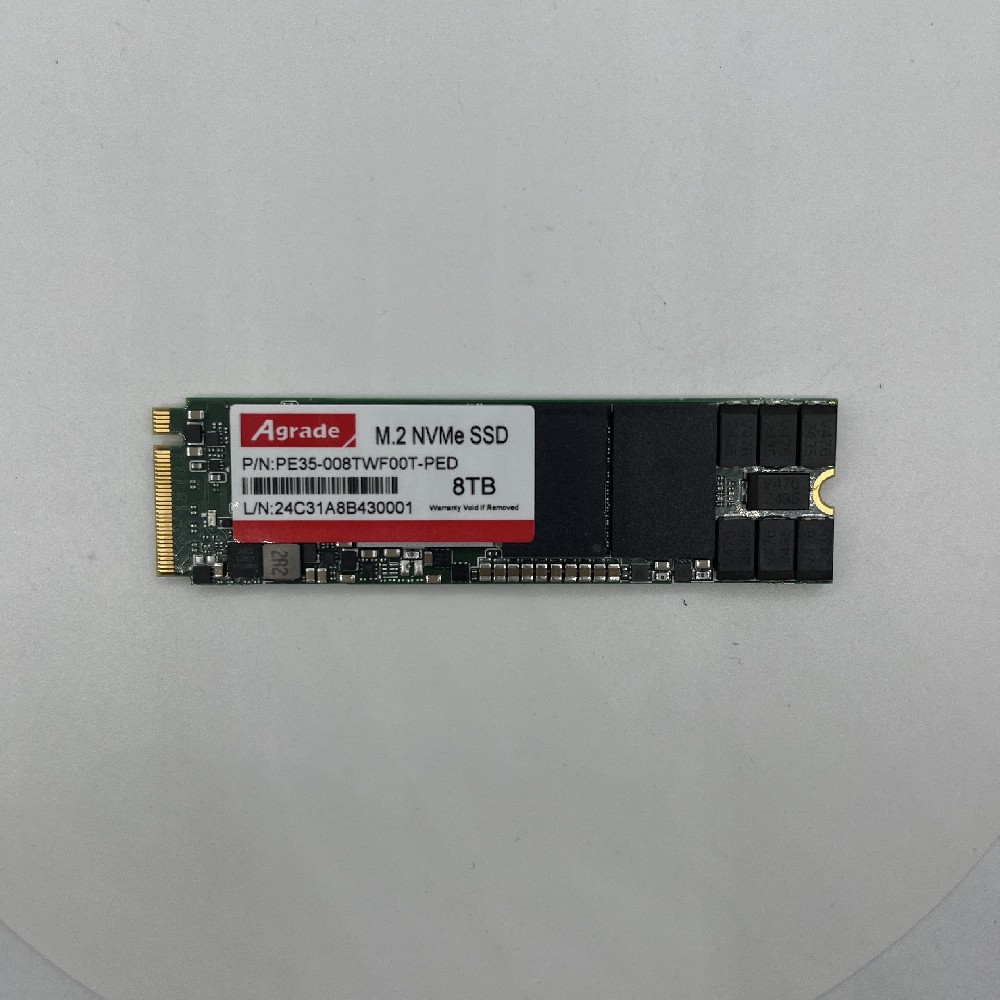
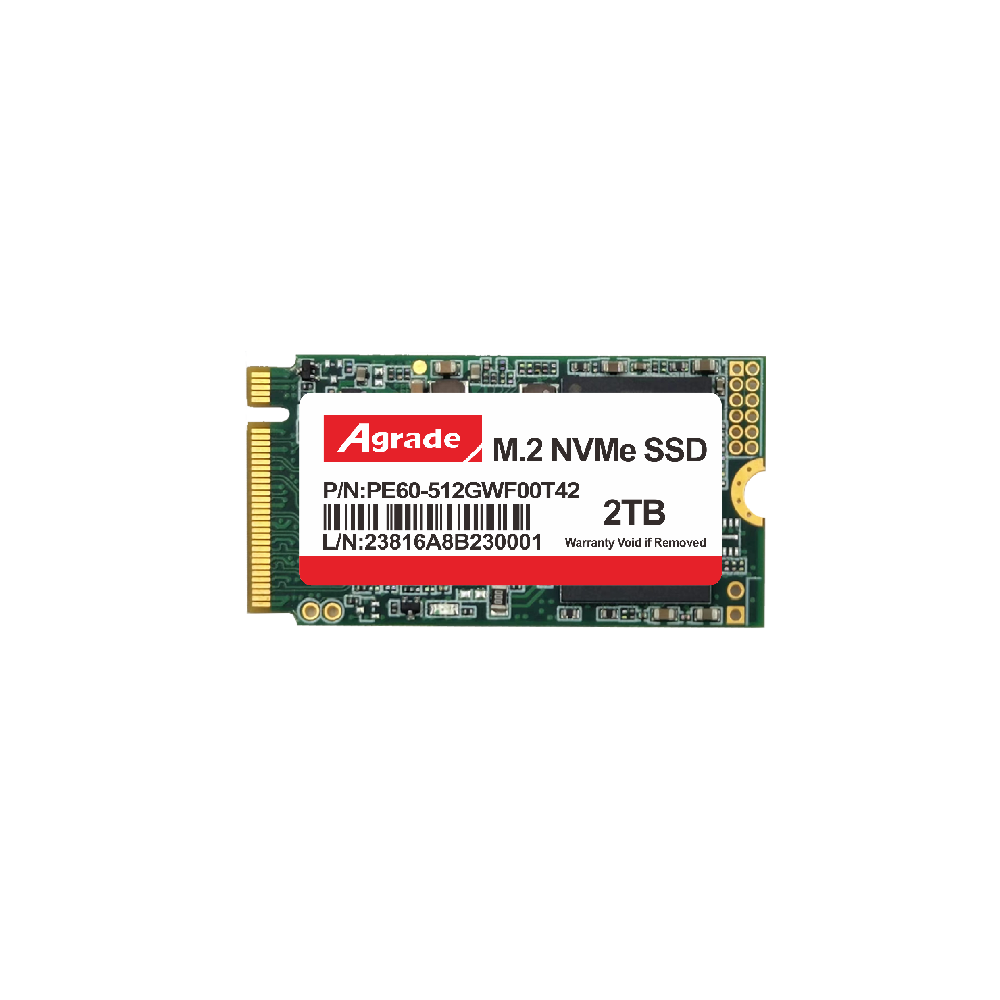
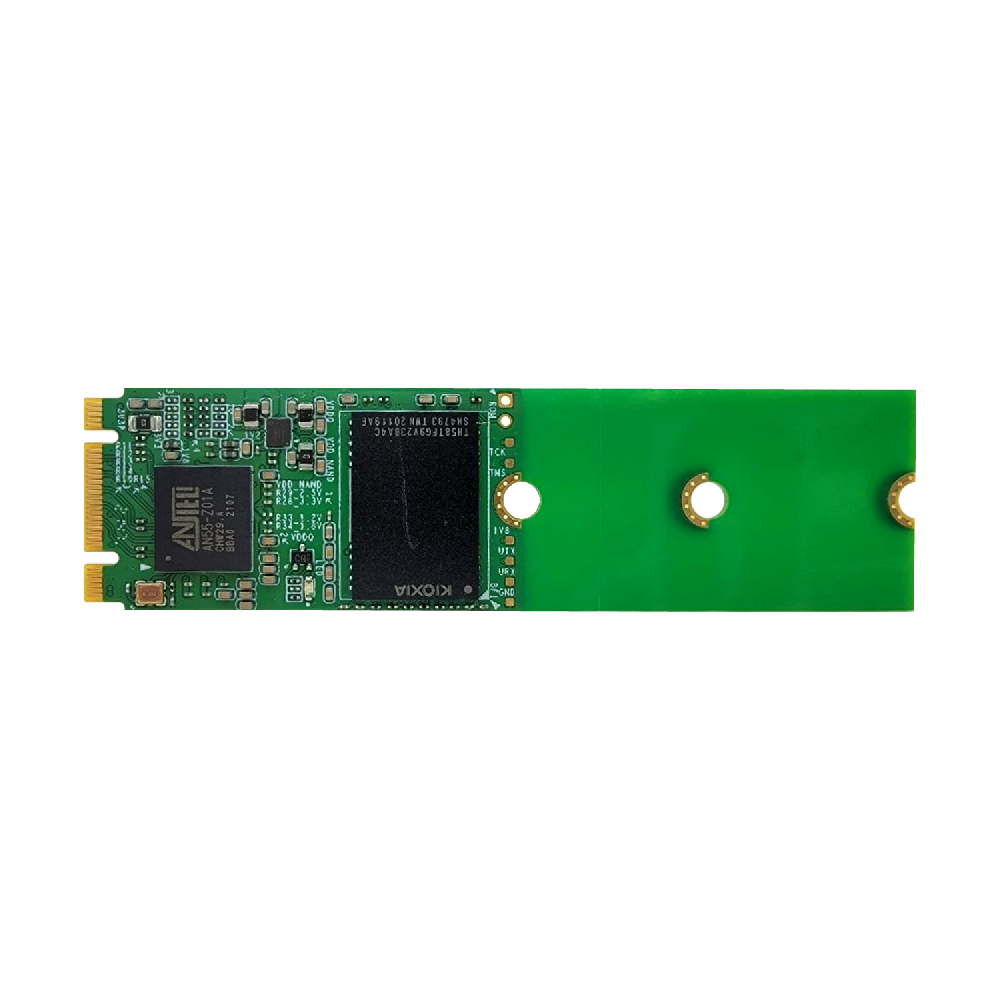
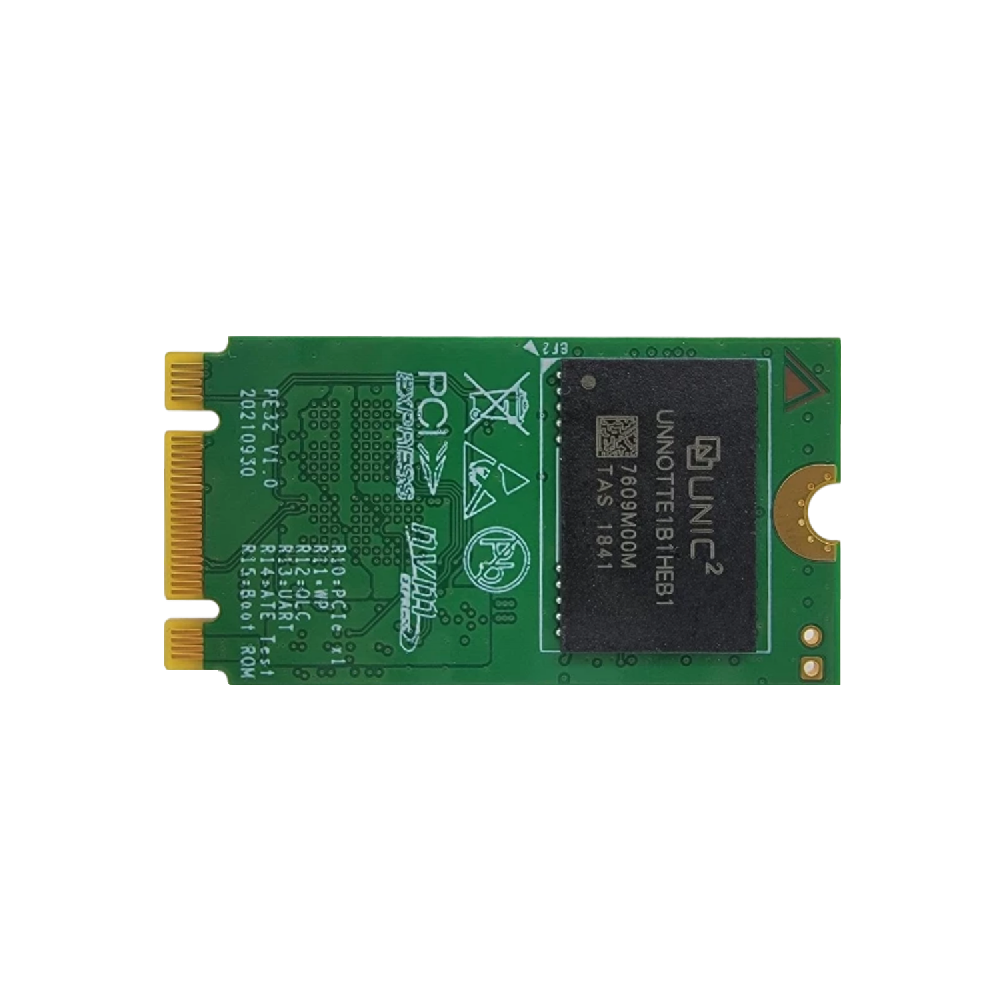
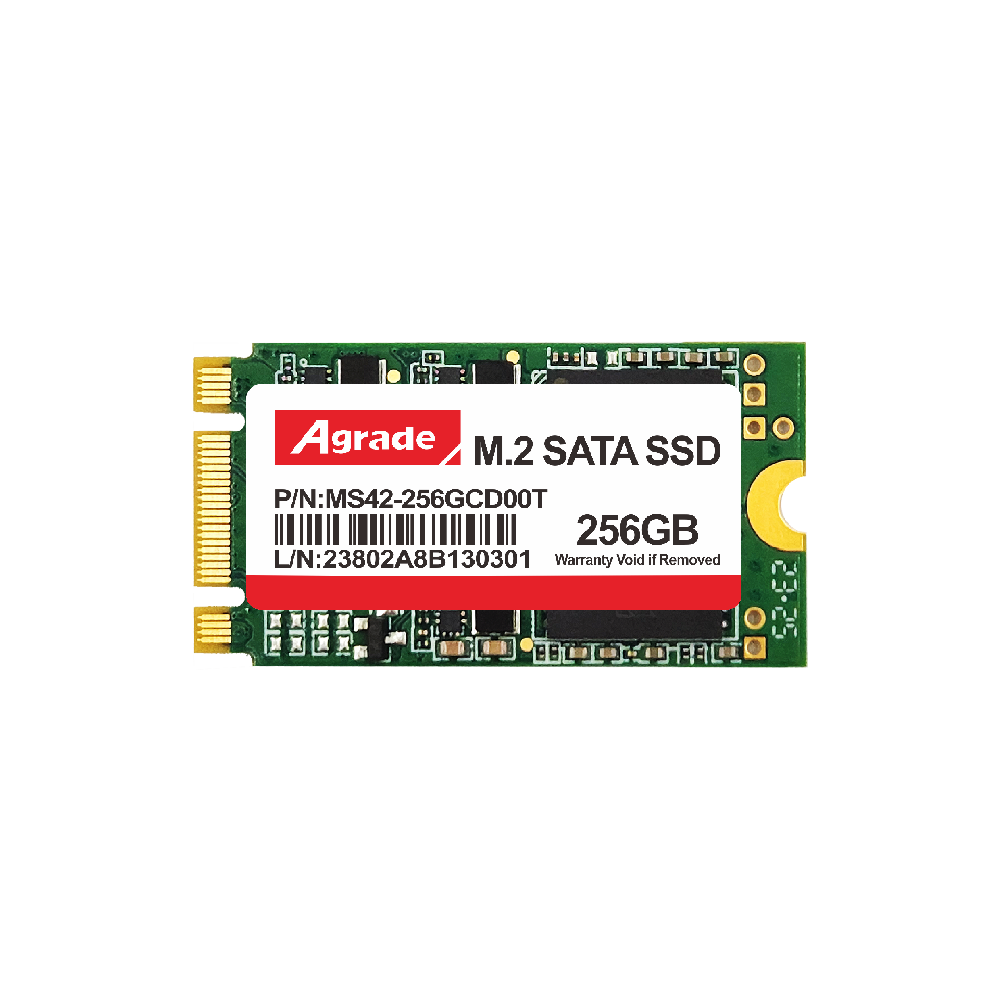
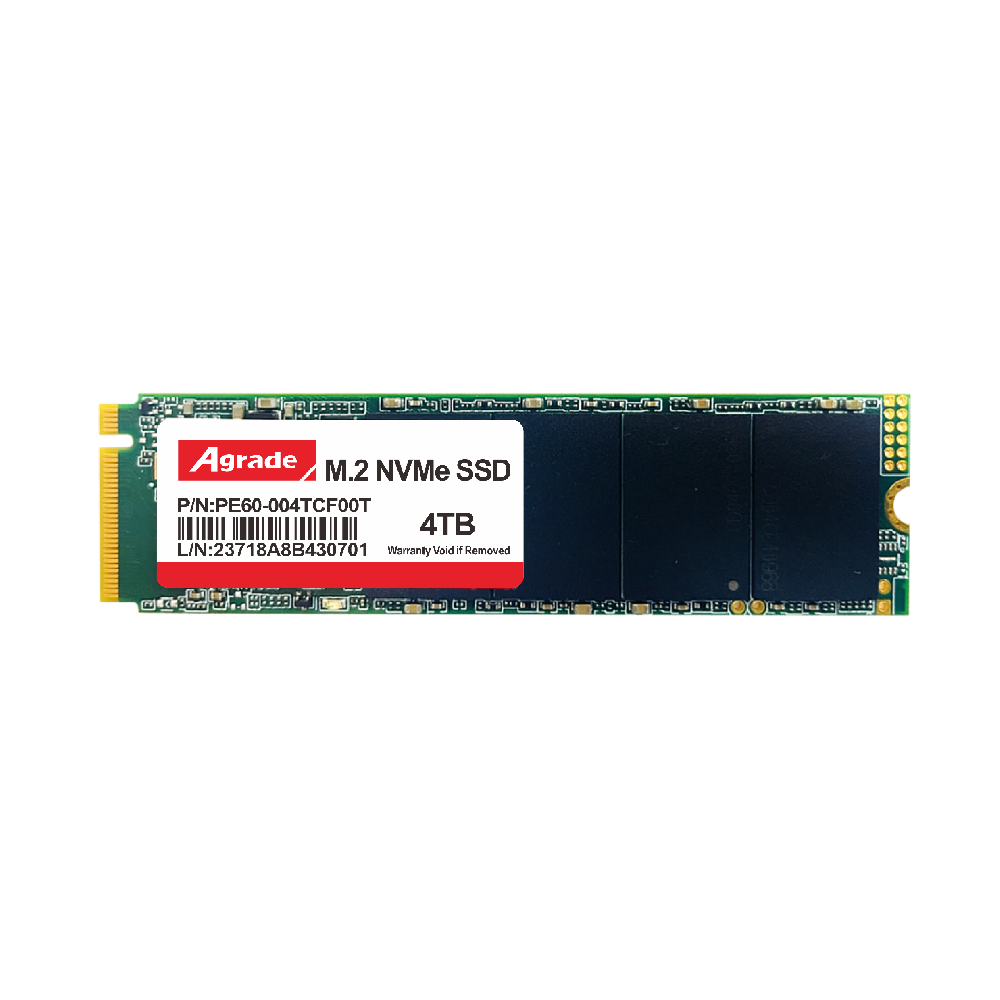
Ultrasound machines, handheld blood analyzers, and portable ECG devices rely on compact, shock-resistant storage. Here, industrial SSDs in M.2 or mSATA form factors provide high-speed data capture (for real-time imaging) and resilience against drops. Agrade Storage offers line of industrial M.2 SSDs that support TRIM and S.M.A.R.T. monitoring, allowing technicians to predict failures before they occur.
Implantable and Wearable Devices
While many implantables use NOR flash, some advanced wearable drug pumps and neurostimulators require NAND-based storage for firmware updates and patient usage logs. The key constraints are ultra-low power consumption and minimal heat generation. Industrial-grade microSD cards or embedded eMMC modules from Agrade Storage are optimized for low duty cycles and long-term archival.
Hospital Infrastructure and Servers
Centralized medical record servers, PACS (Picture Archiving and Communication Systems), and laboratory information systems require high-capacity, reliable storage arrays. Enterprise-grade industrial SSDs with capacities up to 15.36 TB and U.2/U.3 interfaces are used here. These drives support hot-swapping and redundant arrays (RAID) to ensure 99.999% uptime, aligning with hospital operational requirements.
Choosing the Right Storage: Key Specifications to Evaluate
When selecting a storage solution for a medical device, engineers should consider the following specifications:
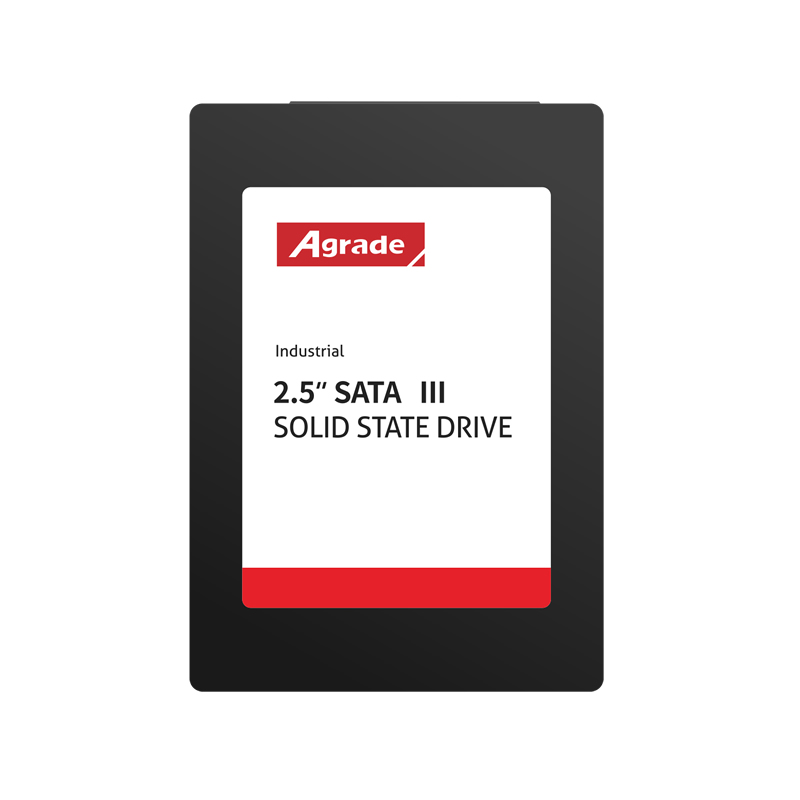
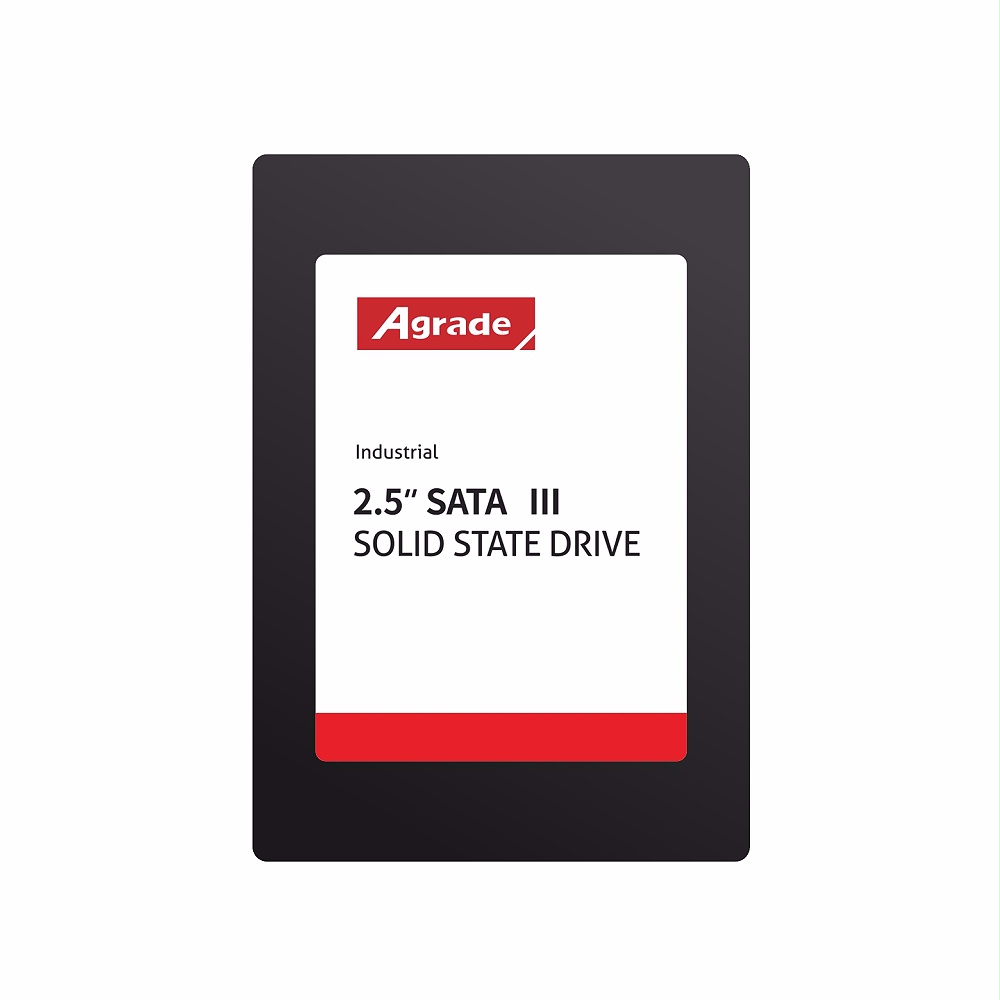
- Form Factor: 2.5-inch SATA, M.2 NVMe, mSATA, or CFexpress. Match the device's PCB footprint and thermal budget.
- NAND Type: SLC or pSLC for mission-critical devices; 3D TLC with advanced controller for high-capacity applications.
- MTBF (Mean Time Between Failures): Industrial SSDs typically exceed 3 million hours, compared to 1.5 million for consumer drives.
- Security Features: AES-256 encryption, TCG Opal compliance, and secure erase commands.
- Certifications: Look for UL, CE, FCC, and ISO 13485 compliance from the storage manufacturer.
Agrade Storage provides detailed qualification data for each of its industrial SSD products, including shock/vibration test reports and accelerated life test results, helping manufacturers streamline their regulatory submissions.
Conclusion: Partnering for Reliable and Compliant Storage
Data storage is the silent backbone of every connected medical device. As healthcare becomes increasingly digitized, the margin for error shrinks. Relying on consumer-grade storage introduces risks of data corruption, device downtime, and regulatory penalties. By adopting industrial storage solutions—specifically industrial SSDs designed for endurance, temperature extremes, and compliance—manufacturers can ensure their devices perform safely and reliably over their intended lifespan. Agrade Storage stands ready to support medical device OEMs with a comprehensive portfolio of rugged, compliant storage products. Whether you are designing a new ventilator or upgrading an existing imaging system, contact Agrade Storage to discuss your requirements and receive a custom validation sample. Your patients deserve nothing less than uncompromised data integrity.

-
Products
Advantages
-
Solutions
-
News
About us
-
Contact us
Tel:+86 19926658803
Whatsapp:+86 19926658803
lianle1210@163.com
Address: 30CF, Caihong Building, Caihong Road, Futian District, Shenzhen City, Guangdong Province, China


Friendly Links:
