












News


 Agrade Storage Editorial Team
  2026-05-29 16:17:17
 DDR5 Memory for Industrial Applications: Is It Worth Upgrading?
Introduction
As industrial computing environments demand higher performance, lower latency, and greater energy efficiency, the transition to DDR5 memory has become a critical consideration for system integrators and engineers. Whether you are upgrading a factory automation controller, a medical imaging workstation, or an edge computing node, the choice of memory technology directly impacts system reliability and throughput. In this article, we explore whether DDR5 memory is worth the investment for industrial applications, with a focus on real-world benefits, technical specifications, and compatibility factors. Agrade Storage, a leader in industrial storage solutions, provides insights to help you make an informed decision.
What Is DDR5 Memory?
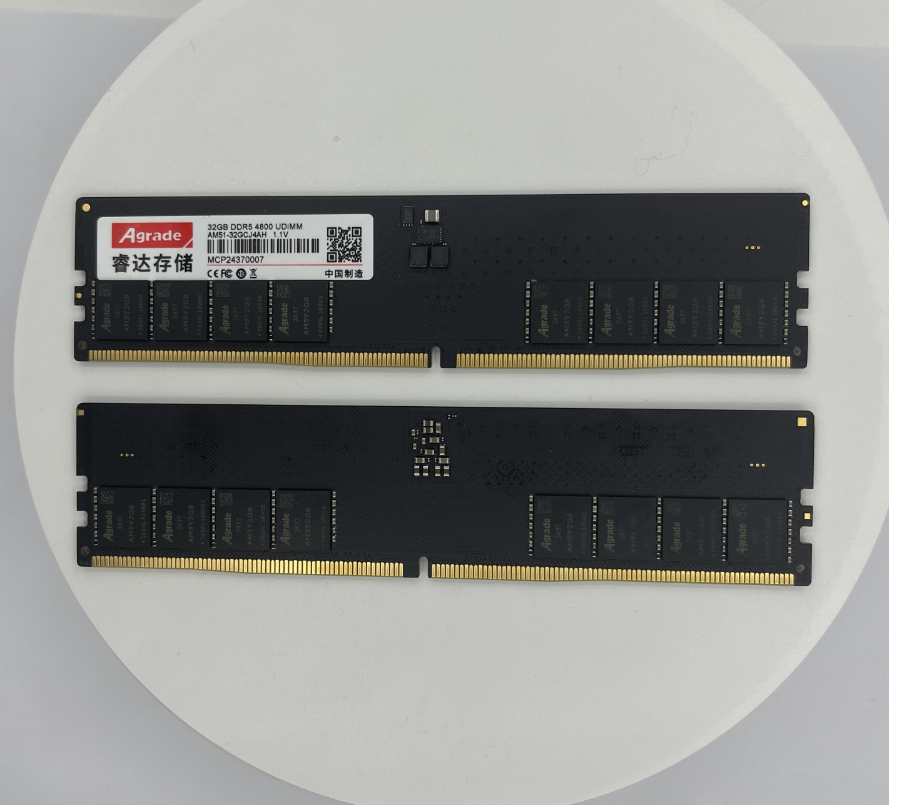
DDR5 (Double Data Rate 5) is the fifth generation of synchronous dynamic random-access memory (SDRAM). It succeeds DDR4 and brings significant improvements in bandwidth, capacity, and power efficiency. DDR5 modules operate at higher frequencies—starting from 4800 MT/s and scaling beyond 8400 MT/s—compared to DDR4's typical 2133–3200 MT/s range. Additionally, DDR5 introduces on-die error correction (ODECC) and a more efficient power management architecture, which are particularly valuable in industrial settings where reliability is paramount.
Key Technical Improvements in DDR5
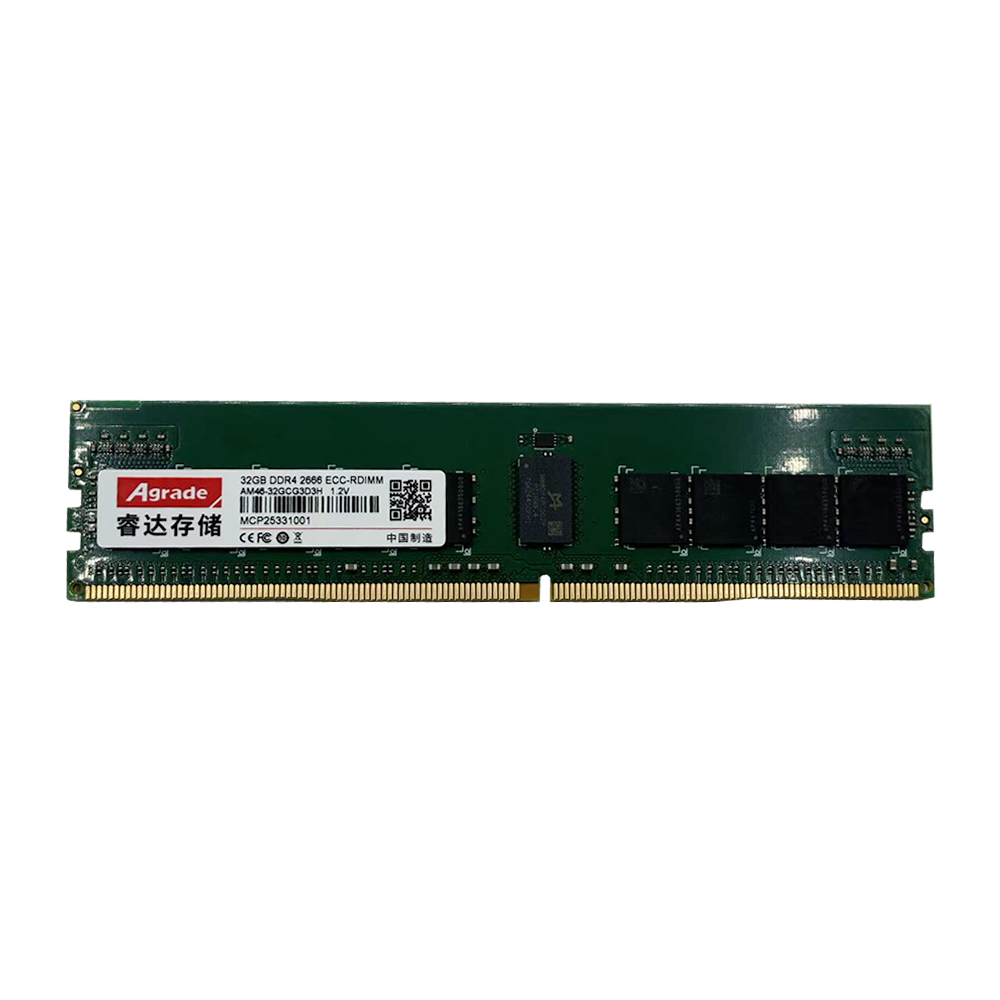
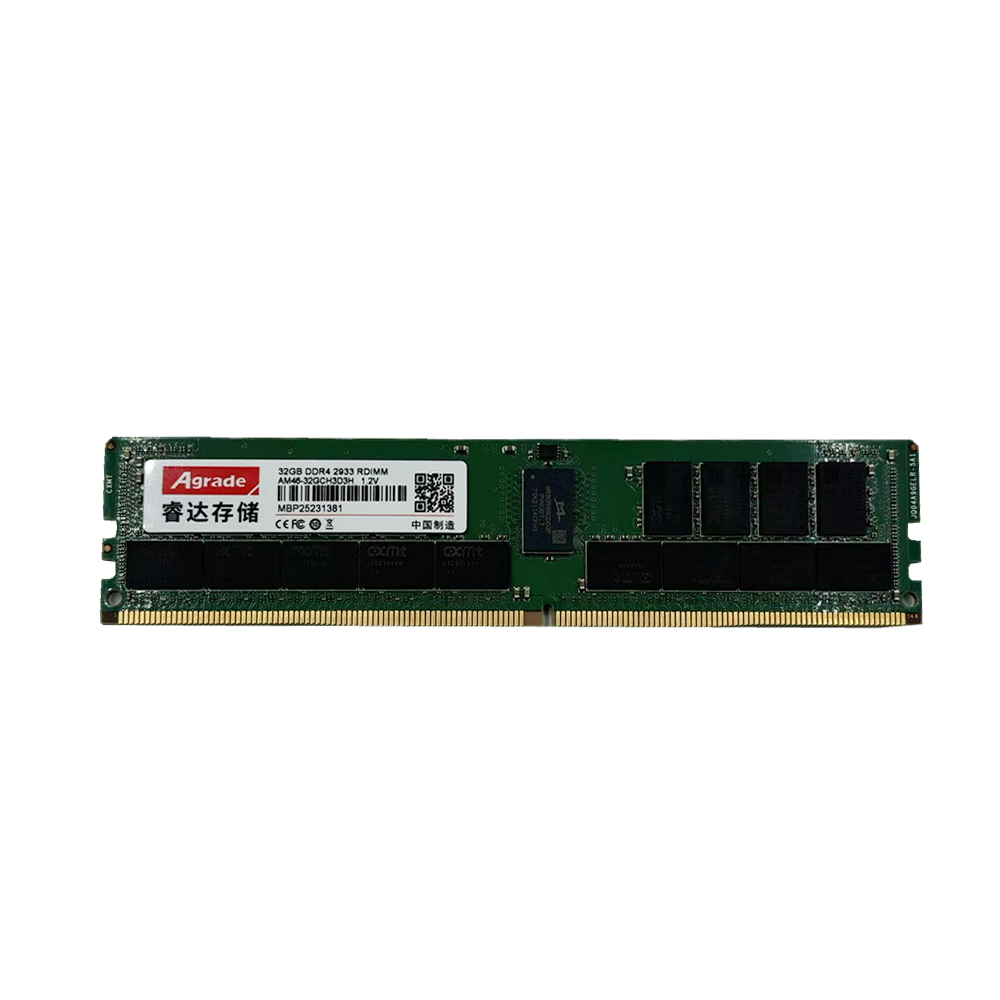
DDR5 memory doubles the burst length from 8 to 16, allowing for faster data transfer per clock cycle. It also splits each module into two independent 32-bit sub-channels, improving memory access efficiency. The operating voltage drops from 1.2V (DDR4) to 1.1V, reducing power consumption by up to 20% under typical loads. Furthermore, DDR5 integrates a power management IC (PMIC) directly on the module, ensuring cleaner power delivery and reducing motherboard complexity. These features make DDR5 an attractive option for industrial systems that run 24/7 in harsh environments.
DDR5 vs. DDR4 for Industrial Applications
When deciding between DDR5 and DDR4 for industrial use, several factors come into play: performance, reliability, thermal management, and cost. Below we break down each aspect.
Performance and Bandwidth
Industrial applications such as real-time data acquisition, AI inference at the edge, and high-resolution imaging benefit from higher memory bandwidth. DDR5 offers nearly double the bandwidth of DDR4, enabling faster data processing and reduced bottlenecks. For example, a DDR5-4800 module provides 38.4 GB/s per channel, while DDR4-3200 delivers only 25.6 GB/s. In a multi-core industrial system, this translates to smoother multitasking and quicker response times.
Reliability and Error Correction
Industrial environments are prone to electrical noise, temperature fluctuations, and vibration, all of which can cause memory errors. DDR5’s on-die ECC (Error Correcting Code) provides single-bit error correction without the need for external ECC support from the CPU. This is a significant advantage over DDR4, where ECC is optional and typically requires a server-grade processor. For mission-critical industrial storage systems—such as those paired with Agrade Storage's industrial SSDs—DDR5 ensures data integrity without compromising performance.
Power Efficiency and Thermal Management
Lower voltage and improved power management make DDR5 run cooler than DDR4. In compact industrial enclosures with limited airflow, every degree matters. The integrated PMIC on DDR5 modules also allows for finer voltage regulation, reducing power spikes that could destabilize sensitive industrial equipment. Combined with an industrial SSD from Agrade Storage, which also emphasizes low power consumption, the overall system thermal profile improves.
Practical Applications of DDR5 in Industry
DDR5 memory is not just for high-end gaming or data center servers. It is increasingly deployed in industrial sectors where speed, reliability, and longevity are non-negotiable.
Factory Automation and Robotics
In programmable logic controllers (PLCs) and robotic vision systems, memory latency can affect cycle times and precision. DDR5’s higher bandwidth supports faster image processing and real-time control loops. When paired with industrial storage solutions like Agrade Storage's NVMe SSDs, the entire data path—from sensor input to actuator output—becomes more responsive.
Medical Imaging and Diagnostics
Medical devices such as MRI scanners, CT systems, and ultrasound machines generate massive amounts of data that must be processed and stored quickly. DDR5 memory enables smoother handling of 3D volume rendering and AI-based diagnostic algorithms. Moreover, the on-die ECC helps prevent data corruption in these life-critical applications.
Edge Computing and IoT Gateways
Edge computing nodes often operate in remote or uncontrolled environments. DDR5’s lower power consumption and improved reliability make it ideal for these deployments. Combined with an industrial SSD designed for extended temperature ranges, such as those offered by Agrade Storage, the system can endure extreme conditions while maintaining high performance.
Compatibility and Upgrade Considerations
Before upgrading to DDR5, it is essential to verify compatibility with your existing hardware. DDR5 requires a compatible motherboard and CPU—typically Intel’s 12th Gen Alder Lake and newer, or AMD’s Ryzen 7000 series and later. Additionally, DDR5 modules are physically keyed differently from DDR4, so they cannot be interchanged. If you are building a new industrial system, future-proofing with DDR5 is a wise investment. However, for retrofit upgrades, consider the total cost of ownership, including new motherboards and processors.
Cost vs. Long-Term Value
DDR5 memory prices have decreased significantly since their initial launch but remain higher than DDR4. For industrial applications where system uptime and longevity are critical, the extra upfront cost is often offset by lower power bills, reduced failure rates, and extended service life. Agrade Storage recommends evaluating the specific workload requirements—if your application benefits from high bandwidth or requires rigorous error correction, DDR5 is worth the upgrade.
Pairing DDR5 with Industrial Storage
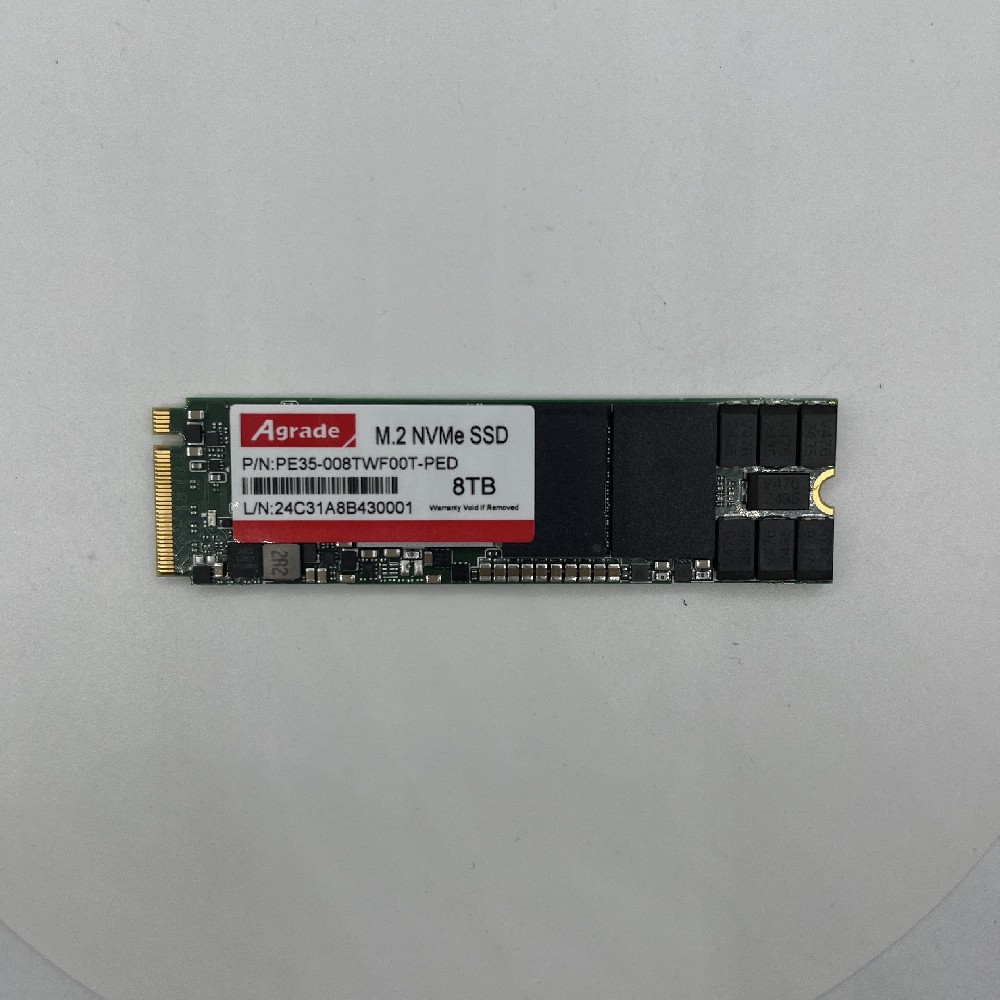
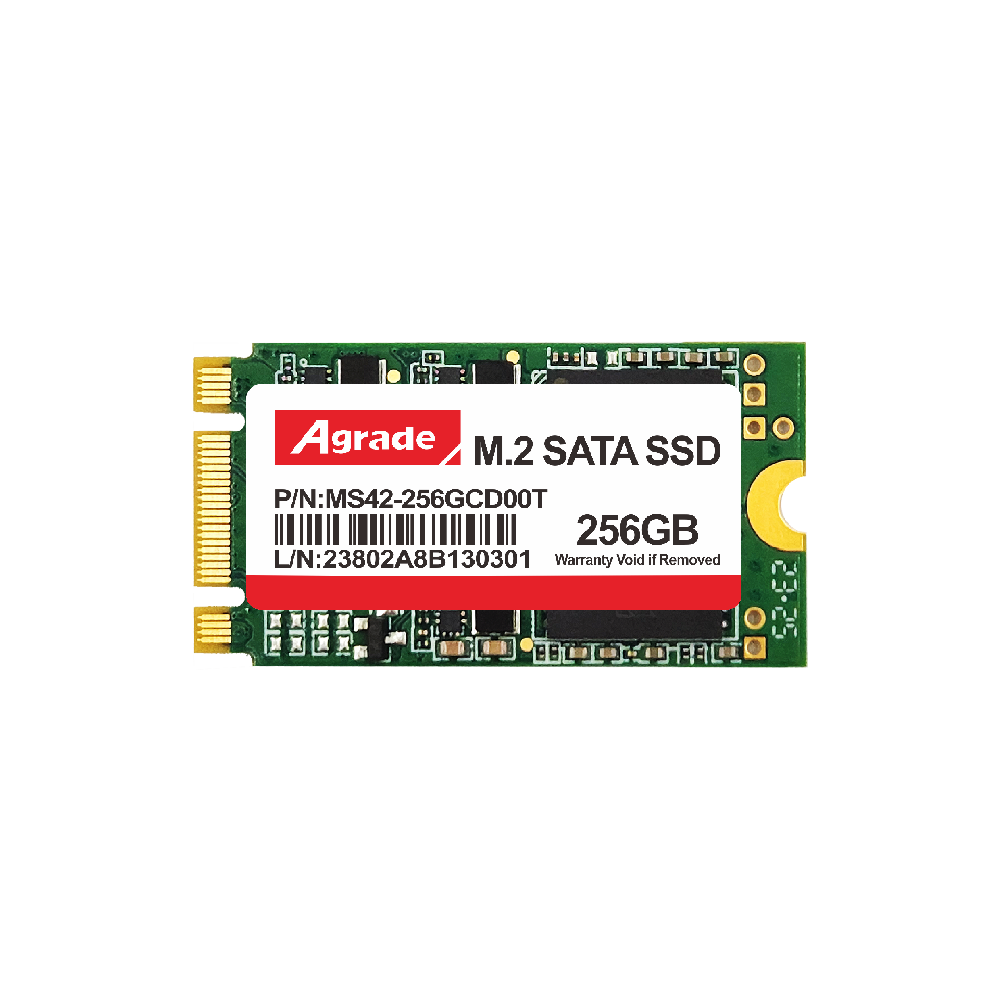
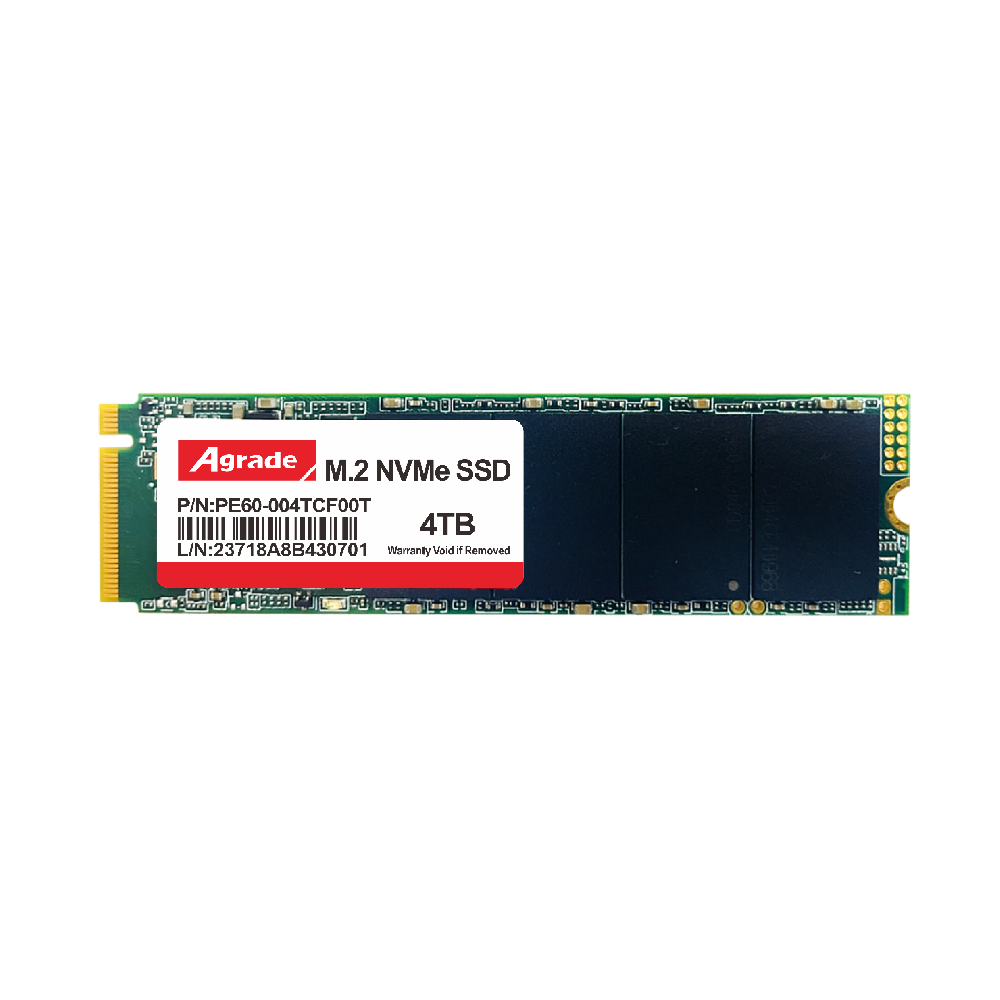
Memory and storage work together to define system performance. A high-bandwidth DDR5 memory subsystem can be bottlenecked by a slow storage device. To maximize the benefits of DDR5, pair it with an industrial SSD that supports high-speed interfaces like NVMe or SATA III. Agrade Storage offers a range of industrial SSDs designed for continuous operation, wide temperature ranges, and enhanced data integrity. For example, an Agrade Storage industrial SSD with DRAM cache and advanced wear-leveling algorithms complements DDR5’s speed, ensuring that data flows seamlessly from storage to memory and back.
Conclusion
DDR5 memory represents a significant leap forward for industrial computing. Its higher bandwidth, built-in error correction, and power efficiency make it a compelling choice for demanding applications in automation, medical imaging, and edge computing. While the initial investment is higher than DDR4, the long-term benefits in reliability, performance, and energy savings often justify the cost. When planning your next industrial system upgrade, consider combining DDR5 memory with robust industrial storage from Agrade Storage to achieve optimal performance and durability. Contact Agrade Storage today to explore compatible industrial SSD and memory solutions tailored to your specific application.

-
Products
Advantages
-
Solutions
-
News
About us
-
Contact us
Tel:+86 19926658803
Whatsapp:+86 19926658803
lianle1210@163.com
Address: 30CF, Caihong Building, Caihong Road, Futian District, Shenzhen City, Guangdong Province, China


Friendly Links:
