












News


 Agrade Storage Editorial Team
  2026-05-27 16:07:38
 Edge Computing Storage: Industrial SSDs for IoT Gateways
Introduction: Why Edge Computing Storage Matters for IoT Gateways
The explosion of Internet of Things (IoT) devices has created an unprecedented demand for real-time data processing at the network edge. IoT gateways act as the critical bridge between sensors, actuators, and the cloud, collecting, filtering, and analyzing data locally. However, the success of these gateways depends on one often-overlooked component: storage. Standard consumer-grade SSDs cannot withstand the harsh conditions, variable power, and continuous write cycles common in edge environments. This is where industrial storage, specifically industrial SSDs from Agrade Storage, becomes essential. In this article, we explore how robust edge computing storage solutions ensure IoT gateways operate reliably, securely, and efficiently in demanding scenarios.
Understanding Edge Computing Storage Requirements
Edge computing storage differs fundamentally from enterprise or cloud storage. At the edge, storage must handle:
- High write endurance for continuous data logging and analytics.
- Wide temperature ranges, from -40C to 85C in industrial settings.
- Vibration and shock resistance for deployments in factories, vehicles, and remote installations.
- Power loss protection to prevent data corruption during unexpected shutdowns.
- Compact form factors to fit inside small gateway enclosures.
Industrial SSDs are purpose-built to meet these demands. Unlike commercial SSDs that use TLC or QLC NAND with limited endurance, industrial SSDs often employ SLC or pSLC NAND, combined with advanced controllers and firmware that optimize for reliability over raw speed.
The Role of Agrade Storage in Edge Computing
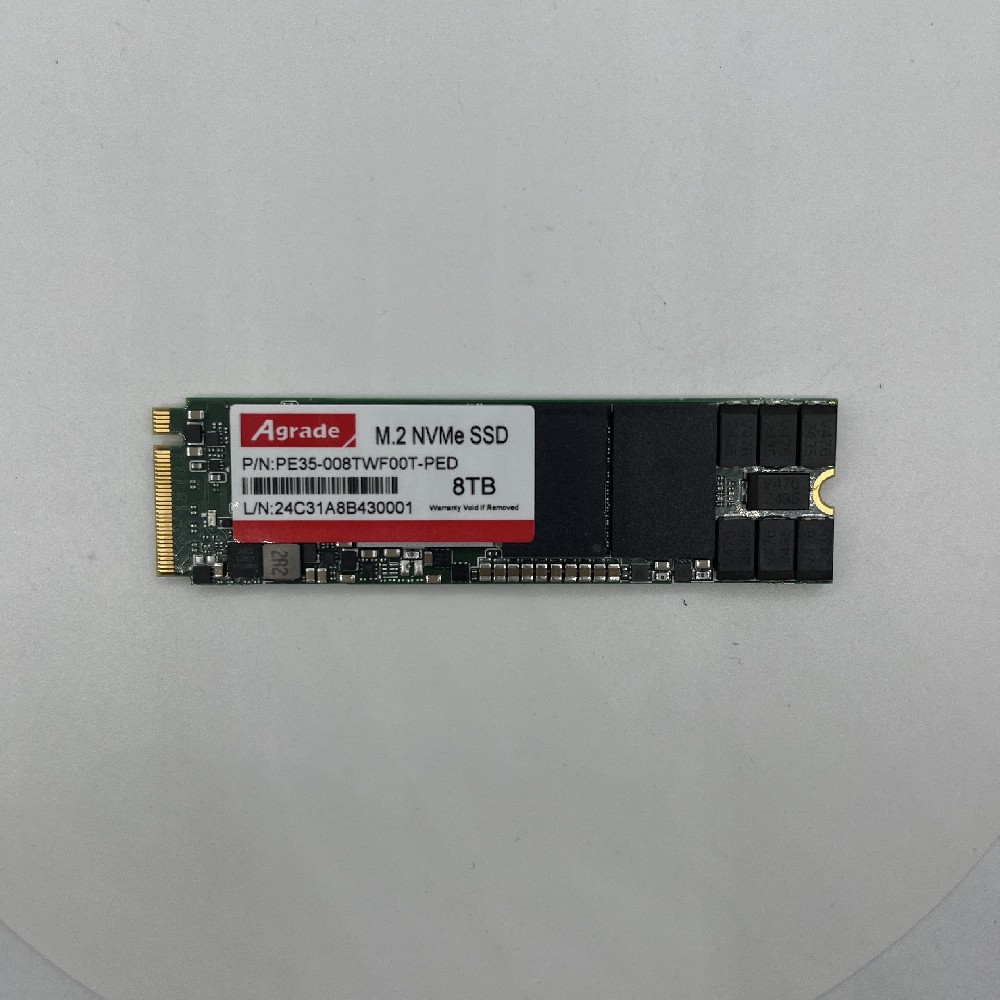
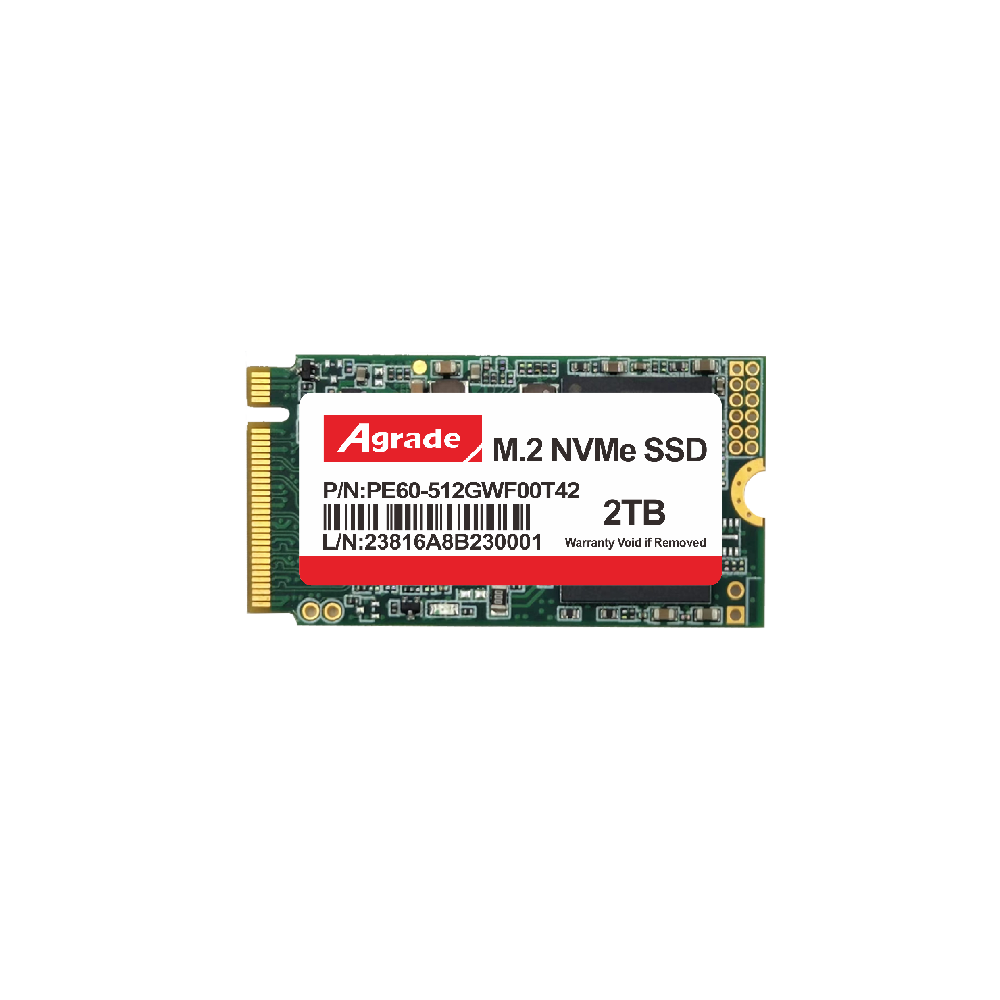
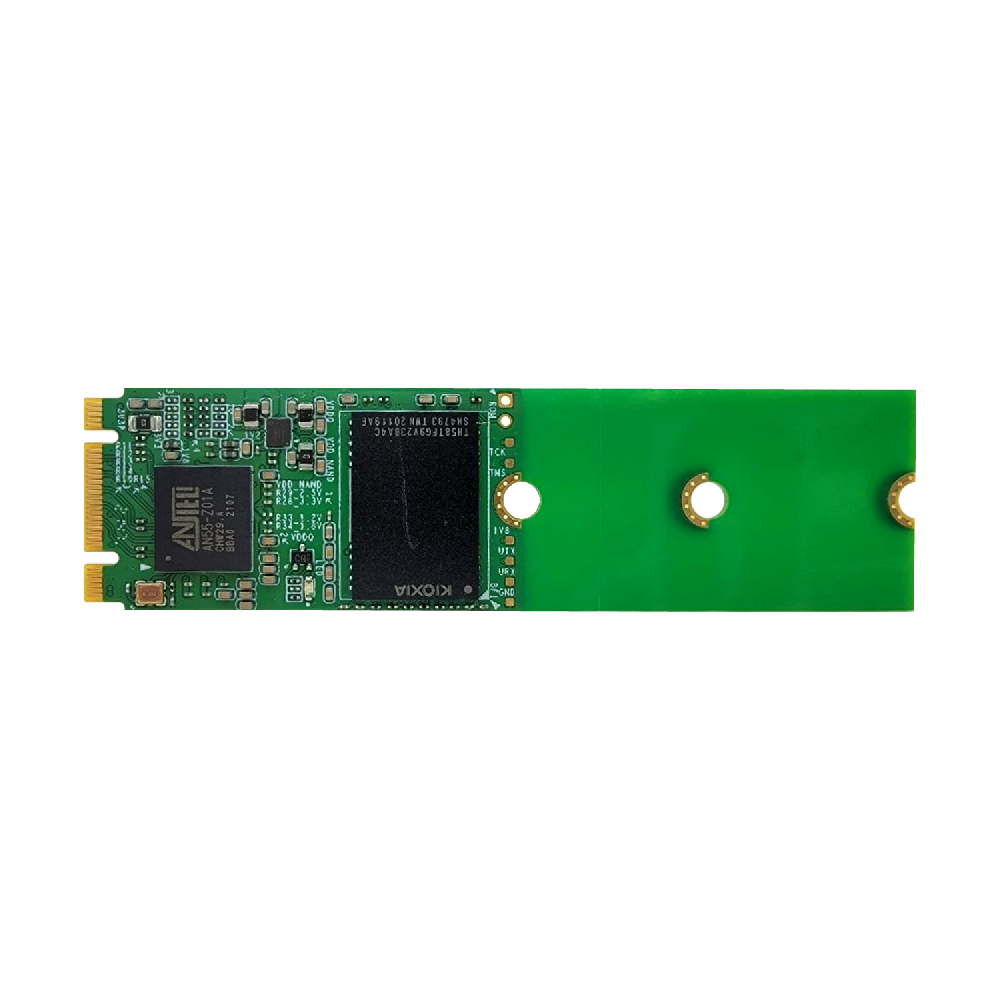
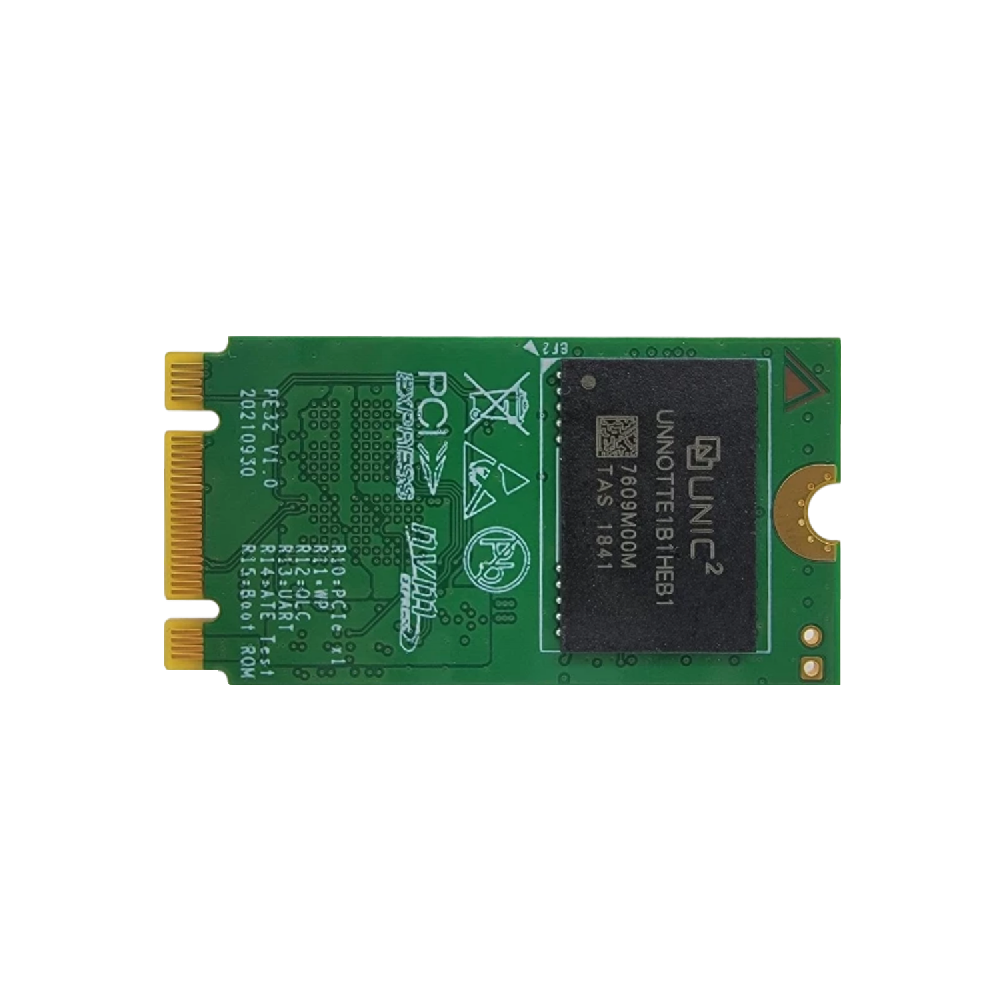
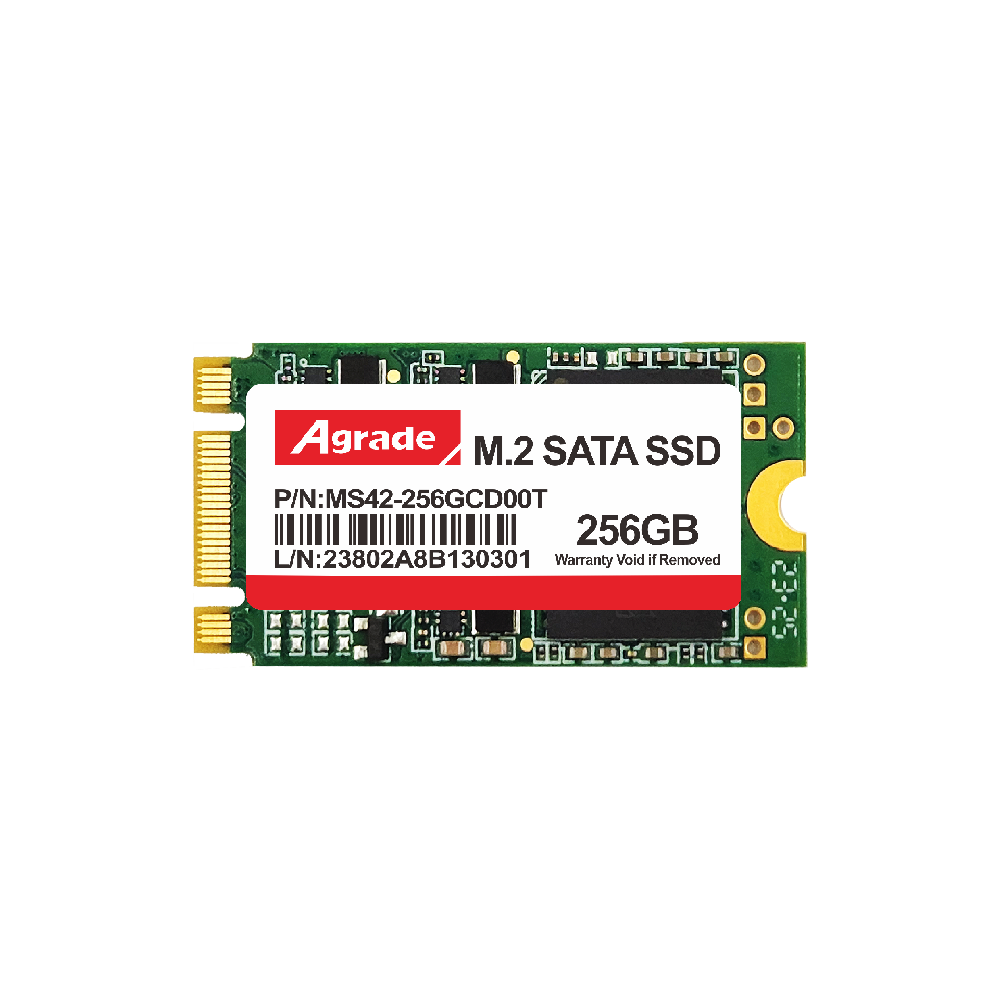
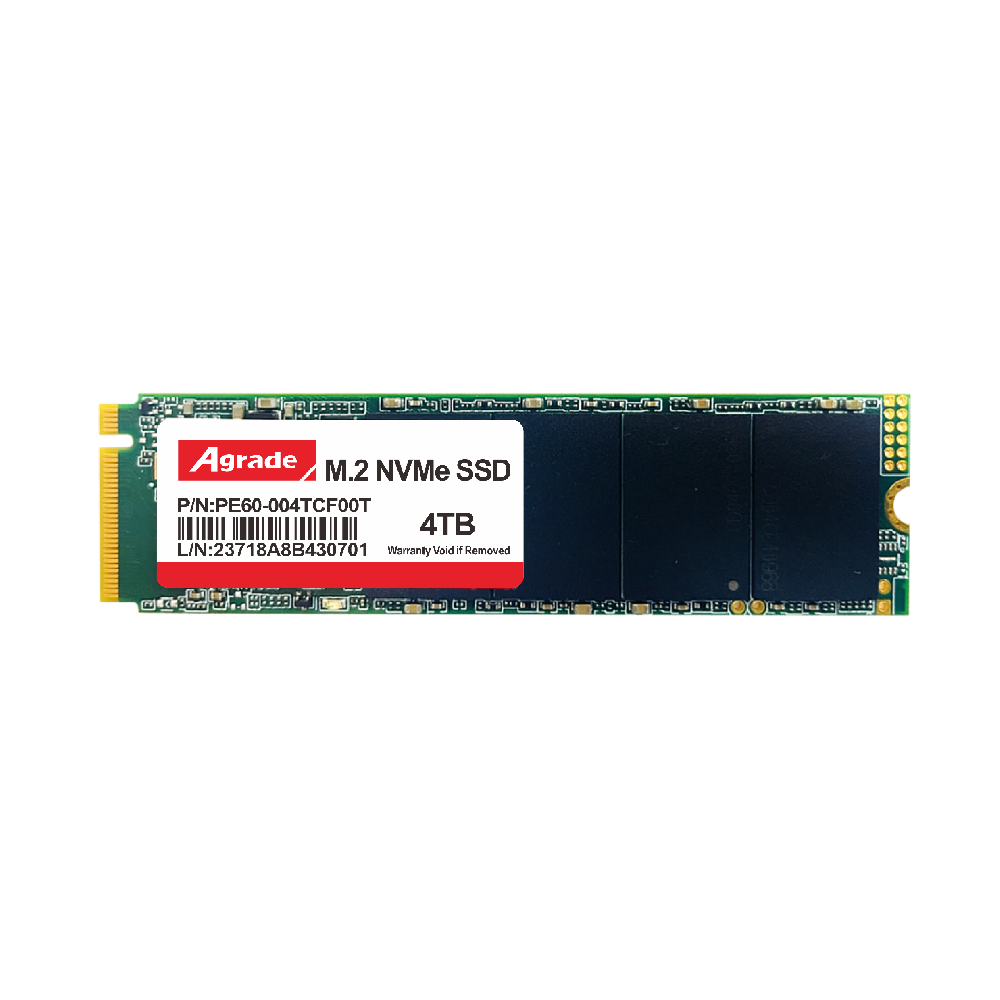
Agrade Storage specializes in industrial storage solutions designed for longevity and stability. Their product lineup includes SSDs in M.2, mSATA, and 2.5-inch form factors, all engineered for extended life cycles and consistent performance. For IoT gateways, Agrade Storage offers industrial SSDs with features such as:
- Advanced wear-leveling algorithms to evenly distribute write operations across NAND cells.
- Built-in ECC (Error Correction Code) to correct bit errors that occur over time.
- DRAM-less designs for lower power consumption, ideal for battery-backed gateways.
- Customizable firmware to match specific application workloads (e.g., sequential writes for video streams vs. random writes for database logs).
Technical Details: Industrial SSD Architecture for IoT Gateways
To appreciate why industrial SSDs are superior for edge computing storage, it helps to understand their internal architecture.
NAND Flash Technology
Industrial SSDs predominantly use 3D NAND with SLC (Single-Level Cell) or pSLC (pseudo-SLC) configurations. SLC stores one bit per cell, offering the highest endurance and reliability, typically rated for 50,000 to 100,000 program/erase cycles. pSLC mode configures MLC or TLC NAND to act like SLC, sacrificing capacity for improved endurance and speed. For IoT gateways that write small data packets continuously, SLC or pSLC SSDs dramatically extend operational lifespan compared to consumer TLC drives.
Controller and Firmware
The controller is the brain of the SSD. Industrial-grade controllers from manufacturers like Silicon Motion and Marvell integrate features critical for edge computing storage:
- Power-fail protection circuits that use tantalum capacitors to flush cached data to NAND during an unexpected power loss.
- Thermal throttling to prevent overheating in enclosures with limited airflow.
- SMART (Self-Monitoring, Analysis, and Reporting Technology) telemetry that provides real-time health metrics (e.g., remaining endurance, temperature, uncorrectable errors).
Agrade Storage SSDs ship with firmware tuned for specific workloads. For example, a gateway that processes video surveillance feeds may require firmware optimized for sustained sequential writes, while a telemetry gateway benefits from firmware that reduces write amplification for random small-block writes.
Interface and Bandwidth
Common interfaces for IoT gateway storage include SATA III (6 Gbps) and PCIe Gen 3/4 x2 or x4. While PCIe offers higher sequential speeds, many edge applications do not require extreme throughput. SATA-based industrial SSDs remain popular due to their lower power consumption and broad compatibility with embedded processors like ARM Cortex-A72 or Intel Atom. Agrade Storage provides both SATA and PCIe industrial SSDs, allowing system designers to match performance to gateway bandwidth needs without overspending.
Practical Applications of Edge Computing Storage
Industrial SSDs are deployed across diverse IoT gateway applications. Below are real-world scenarios where Agrade Storage solutions excel.
Smart Manufacturing and Industrial Automation
In a factory, IoT gateways collect data from PLCs, sensors, and vision systems. These gateways must record temperature, vibration, and production metrics 24/7. Consumer SSDs often fail within months due to constant writes and heat. An Agrade Storage industrial SSD with pSLC NAND can sustain 10+ years of continuous logging. Additionally, power-fail protection ensures that a sudden machine shutdown does not corrupt the last hour of production data.
Telecommunications and 5G Edge Nodes
Telecom edge gateways process traffic from 5G base stations, running virtualized network functions. These gateways require storage that can handle rapid, random I/O for packet processing and caching. Industrial SSDs with high random IOPS (Input/Output Operations Per Second) and low latency are essential. Agrade Storage’s PCIe Gen 3 industrial SSDs deliver up to 350,000 random read IOPS, enabling real-time analytics without cloud backhaul.
Transportation and In-Vehicle Gateways
In buses, trains, and trucks, IoT gateways manage GPS tracking, driver behavior monitoring, and cargo condition logging. Vibration and temperature extremes are constant. Industrial SSDs from Agrade Storage are tested to MIL-STD-810G shock and vibration standards. Their wide-temperature variants operate reliably from -40C to 85C, ensuring data integrity during winter nights or desert crossings.
Remote Monitoring and Energy Management
Solar farms, wind turbines, and oil pipelines rely on remote gateways to transmit operational data. These gateways often run on solar power with limited battery backup. Low-power industrial SSDs, such as Agrade Storage’s DRAM-less M.2 models, draw under 2 watts during active use. Combined with power-loss protection, they prevent data corruption when the sun sets or a battery discharges.
Why Choose Agrade Storage for Industrial SSDs
Agrade Storage differentiates itself through rigorous quality control and customization. Each industrial SSD undergoes a 24-hour burn-in test at high temperature to weed out early failures. The company offers long-term supply guarantees, ensuring that the same SSD model is available for 5-10 years—critical for IoT gateway manufacturers who cannot requalify storage components frequently. Additionally, Agrade provides engineering support for firmware customization, helping clients optimize performance for unique edge computing storage workloads.
Conclusion: Future-Proof Your IoT Gateway with Industrial Storage
As IoT deployments scale to billions of devices, edge computing storage must evolve beyond consumer-grade components. Industrial SSDs deliver the endurance, reliability, and environmental resilience that IoT gateways demand. By choosing Agrade Storage industrial SSDs, system integrators and OEMs can reduce field failures, lower total cost of ownership, and ensure that critical data is never lost. Whether you are designing a smart factory gateway, a 5G edge node, or an in-vehicle telematics unit, investing in robust industrial storage is not an option—it is a necessity. Explore Agrade Storage’s portfolio of industrial SSDs to find the perfect match for your next edge computing project.

-
Products
Advantages
-
Solutions
-
News
About us
-
Contact us
Tel:+86 19926658803
Whatsapp:+86 19926658803
lianle1210@163.com
Address: 30CF, Caihong Building, Caihong Road, Futian District, Shenzhen City, Guangdong Province, China


Friendly Links:
