













News


 Agrade Storage Editorial Team
  2026-06-02 16:04:20
 In-Vehicle Storage Solutions: SSDs for Autonomous Driving
Introduction: The Data Demands of Autonomous Driving
Autonomous vehicles are no longer a distant vision. They are rolling out in test fleets and limited deployments around the world. But behind every smooth ride and split-second decision lies a massive, unrelenting flow of data. Cameras, LiDAR, radar, and ultrasonic sensors generate terabytes of information every hour. This data must be processed, logged, and analyzed in real time. Traditional consumer-grade storage simply cannot withstand the heat, vibration, and continuous write cycles found inside a moving vehicle. That is where specialized in-vehicle storage solutions, particularly industrial SSDs, become essential. Agrade Storage provides rugged industrial SSDs designed specifically to meet the harsh demands of autonomous driving systems, ensuring data integrity and system reliability mile after mile.
Why In-Vehicle Storage Is Different from Consumer Storage
Many assume that a standard solid-state drive from a laptop will work in a car. That assumption can lead to catastrophic failures. In-vehicle environments present unique challenges that consumer SSDs are not built to handle.
- Temperature extremes: Autonomous vehicles operate in temperatures ranging from -40°C to 85°C or higher near engine compartments. Consumer SSDs typically fail outside 0°C to 70°C.
- Vibration and shock: Constant road vibrations, potholes, and sudden impacts can dislodge components or cause data corruption in non-ruggedized drives.
- Continuous write cycles: Autonomous driving systems write data constantly, logging sensor streams and AI model updates. This accelerates wear on NAND flash memory.
- Power instability: Vehicle electrical systems experience voltage spikes and dips. Industrial SSDs include power-loss protection to prevent data loss during unexpected shutdowns.
Agrade Storage designs its industrial SSDs with these factors in mind. From wide-temperature NAND flash to conformal coating for moisture resistance, every component is chosen for long-term reliability in automotive applications.
Technical Details: What Makes an Industrial SSD for Autonomous Driving
NAND Flash Selection and Endurance
The type of NAND flash memory used in an SSD directly impacts its lifespan and performance. For autonomous driving, 3D TLC (Triple-Level Cell) or even pSLC (pseudo-Single-Level Cell) modes are often preferred. pSLC mode offers significantly higher endurance, with write cycles up to 100,000 or more, compared to standard TLC. Agrade Storage offers industrial SSDs that can be configured in pSLC mode to meet the heavy write workloads of data logging and AI model training. Additionally, advanced wear-leveling algorithms distribute writes evenly across all NAND cells, prolonging drive life.
Power-Loss Protection (PLP)
Autonomous vehicles can lose power suddenly during accidents or system resets. Without power-loss protection, an SSD may corrupt data being written at that moment. Industrial SSDs from Agrade Storage include tantalum capacitors that provide enough energy to flush the DRAM cache and complete pending writes safely. This feature is critical for maintaining data integrity in mission-critical driving logs.
Wide Temperature Range and Thermal Management
Agrade Storage industrial SSDs are rated for operation from -40°C to +85°C. Some models support extended ranges up to +95°C for short durations. Thermal throttling mechanisms prevent overheating by reducing write speeds when internal temperatures reach critical thresholds, ensuring continuous operation without permanent damage.
Vibration and Shock Resistance
Military-grade shock resistance (up to 1500G) and random vibration tolerance (up to 20G) are standard in Agrade Storage SSDs. The drives are built without moving parts, and the printed circuit boards are reinforced to withstand constant mechanical stress. This makes them ideal for mounting directly on vehicle chassis or near suspension components.
Advanced Error Correction (LDPC)
Low-Density Parity Check (LDPC) error correction is used to detect and repair data errors caused by NAND wear or environmental interference. Combined with RAID-like data protection at the controller level, Agrade Storage SSDs achieve uncorrectable bit error rates (UBER) as low as 1 in 10^17, far exceeding automotive standards.
Practical Applications in Autonomous Driving Systems
Sensor Data Logging (Black Box Functionality)
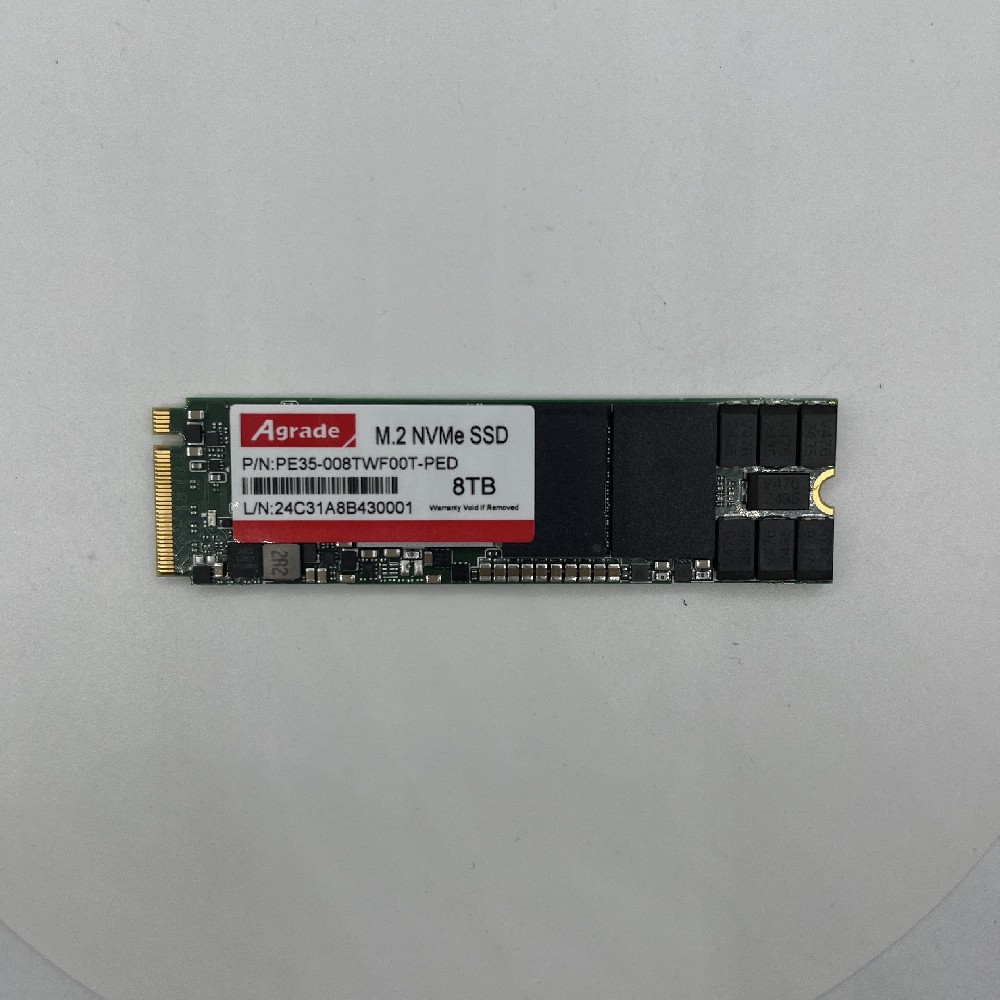
Autonomous vehicles must record all sensor inputs, decisions, and outputs for regulatory compliance and post-incident analysis. This involves continuous high-speed writing of data from cameras, LiDAR, and radar. An industrial SSD with high endurance and large capacity (up to 8TB or more) serves as the vehicle's black box. Agrade Storage SSDs are used in several test fleets to store terabytes of raw sensor data every day, ensuring no data is lost even during sudden power cuts.
Real-Time Edge Processing and AI Inference
Autonomous driving relies on edge computing to process data locally without cloud latency. SSDs store the AI models, map data, and temporary buffers needed for real-time object detection and path planning. Low latency is critical here. Agrade Storage industrial SSDs offer sequential read speeds exceeding 3,500 MB/s and random IOPS above 500K, enabling the vehicle's onboard computer to load models and process data with minimal delay.
Over-the-Air (OTA) Update Storage
Vehicle software and AI models are updated periodically via OTA updates. These updates can be several gigabytes in size. The SSD must handle large file writes while the vehicle is in operation or parked. Industrial SSDs with strong error correction and power-loss protection ensure that partial updates do not corrupt the system. Agrade Storage SSDs have been deployed in fleets managing OTA updates across thousands of vehicles simultaneously.
High-Definition Map Caching
Autonomous vehicles use high-definition (HD) maps with centimeter-level precision. These maps are too large to load entirely into RAM. SSDs act as a cache, loading map tiles on demand as the vehicle moves. Fast random read performance is essential to minimize latency. Agrade Storage SSDs, with their optimized firmware for mixed read/write workloads, deliver the responsiveness required for seamless map tile loading.
Why Choose Agrade Storage for In-Vehicle Applications
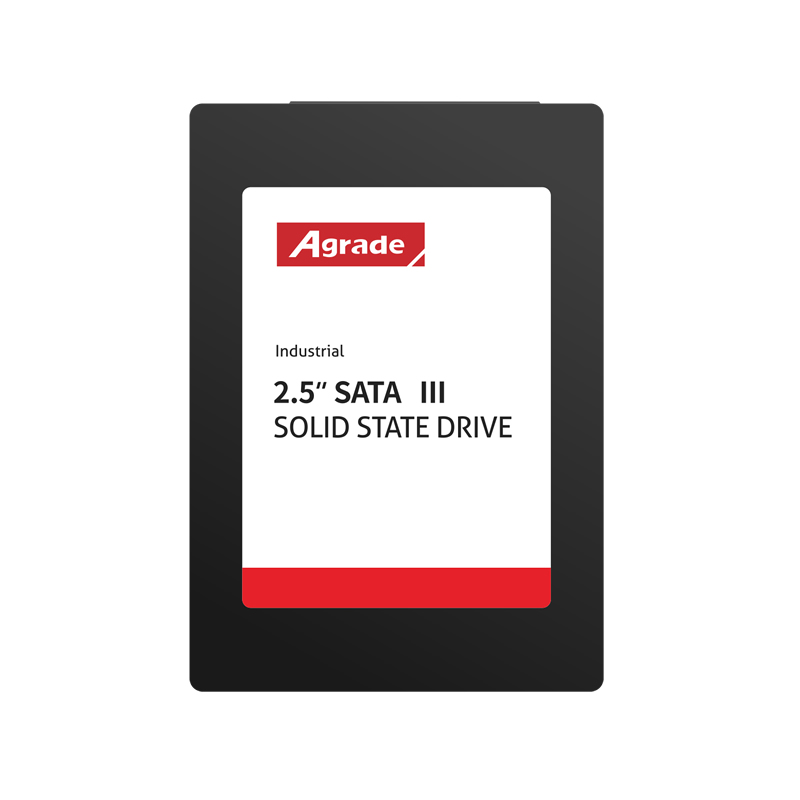
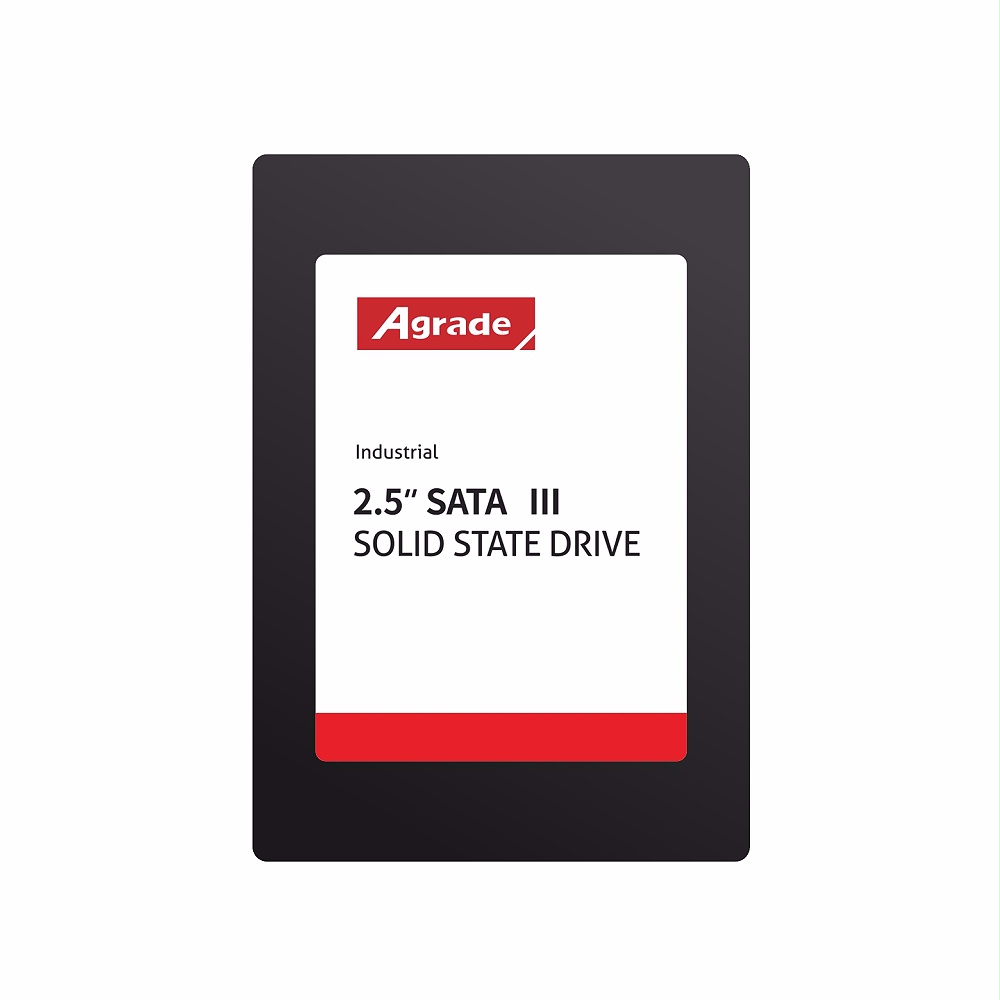
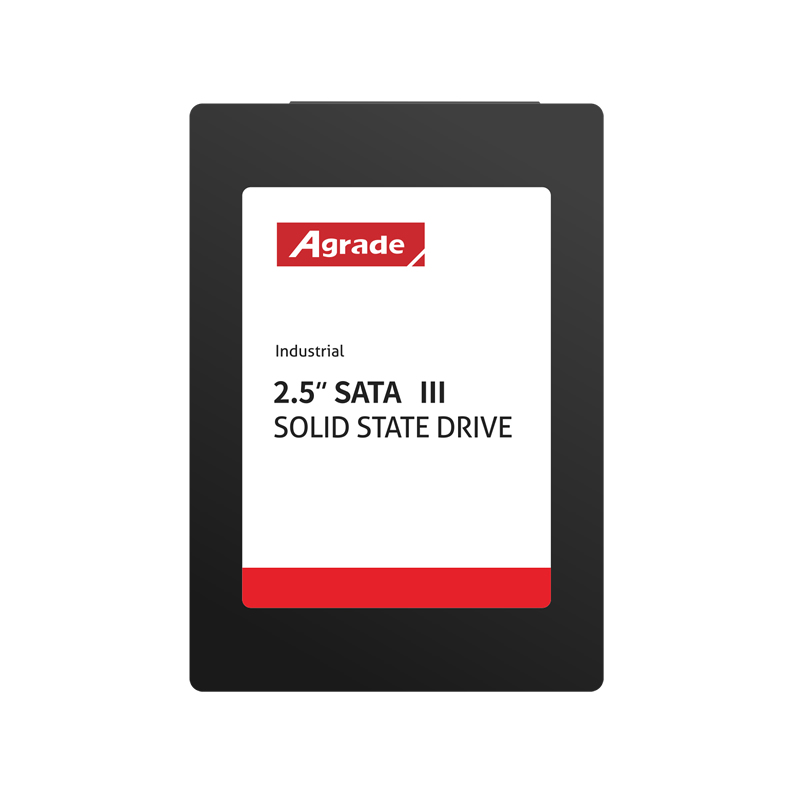
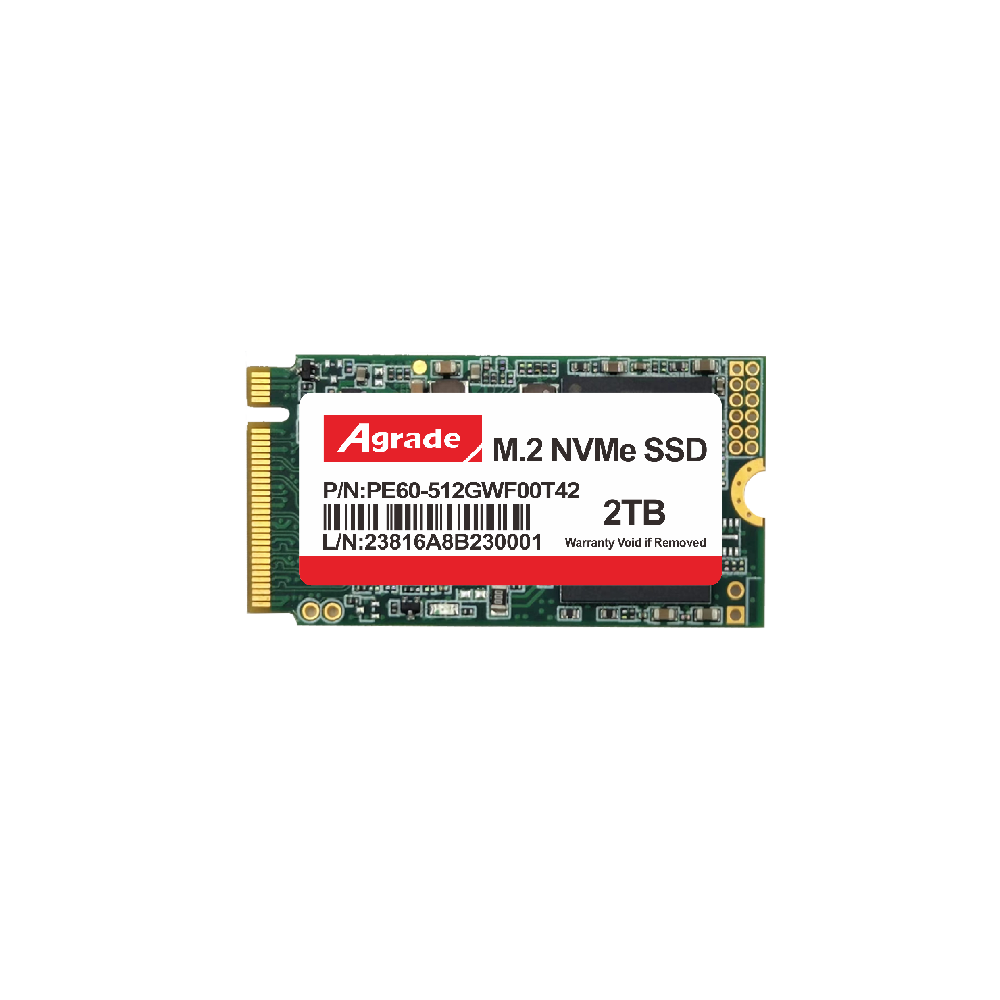
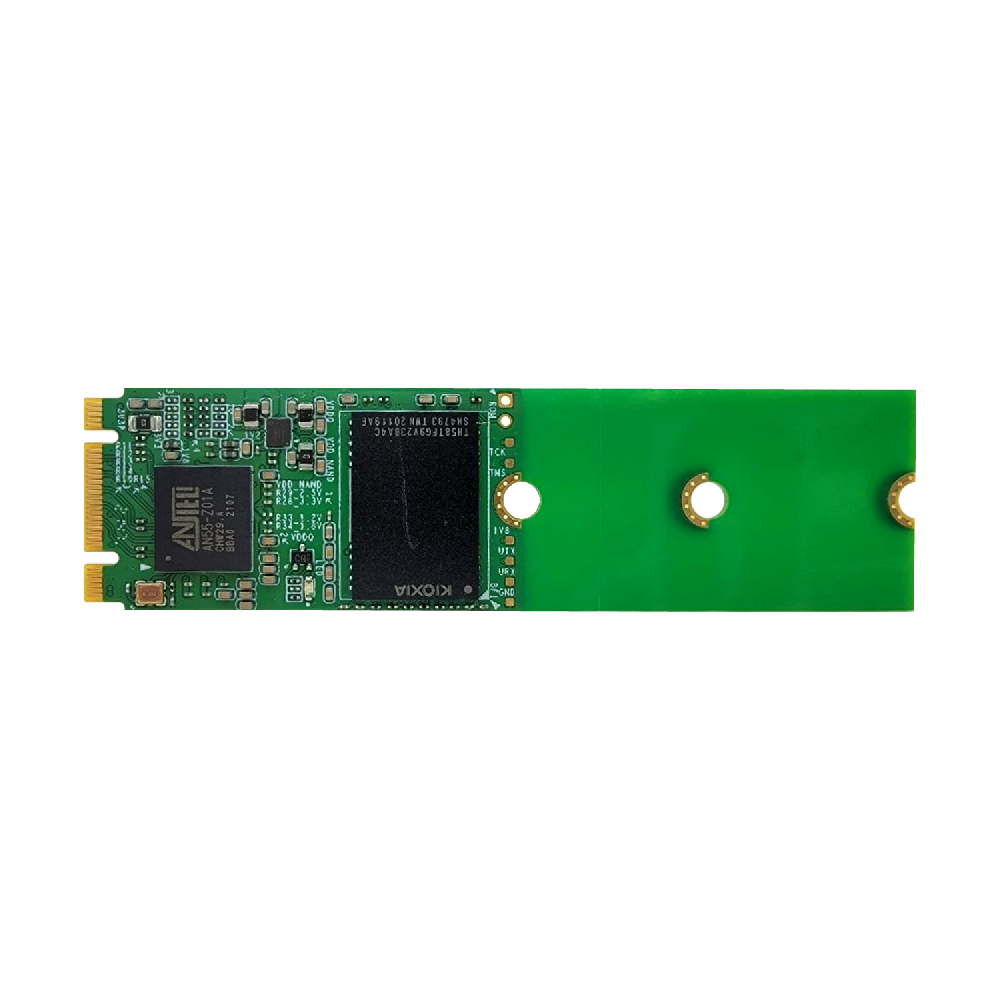
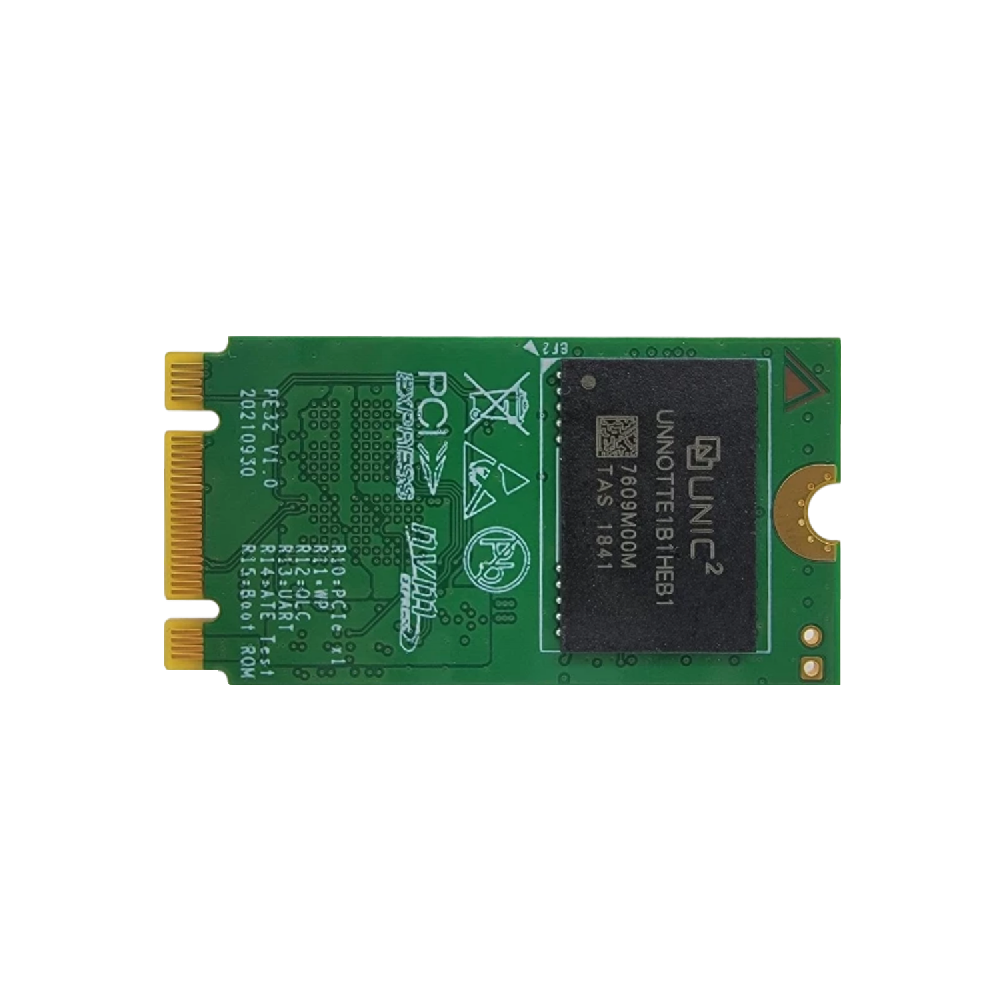
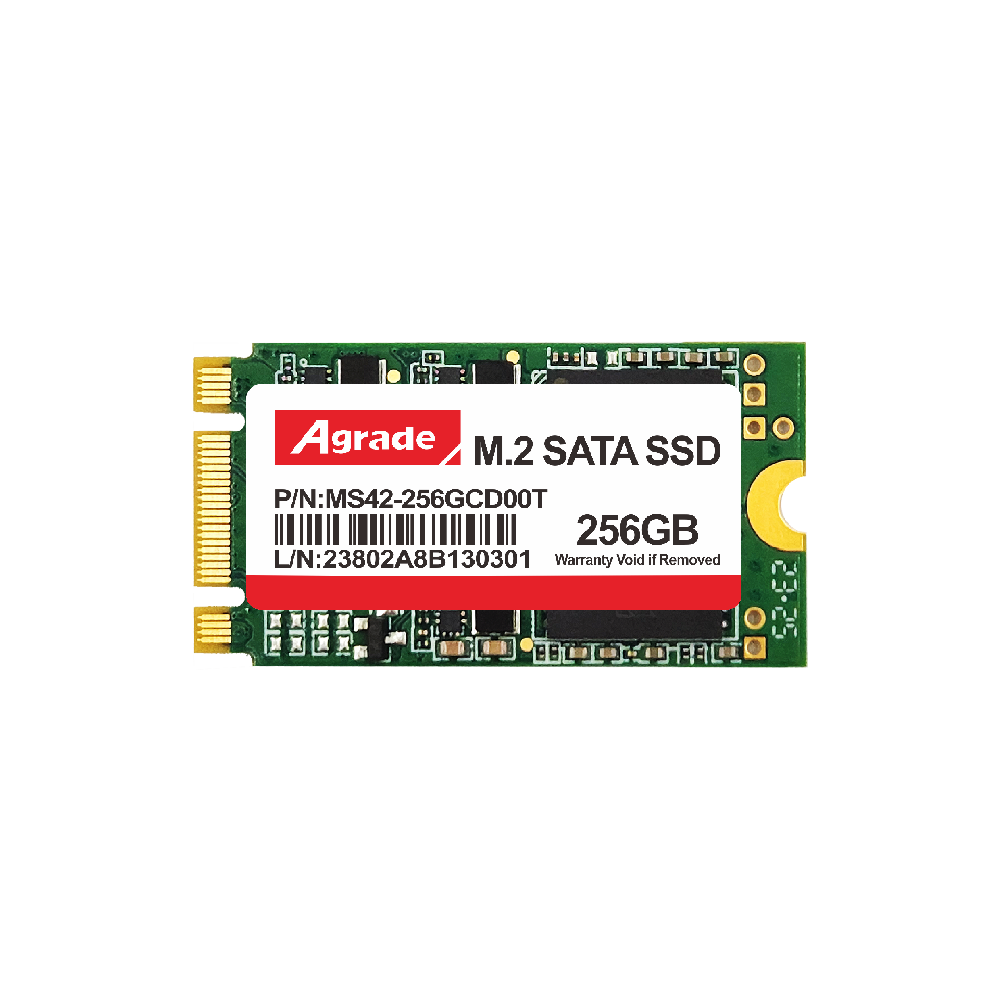
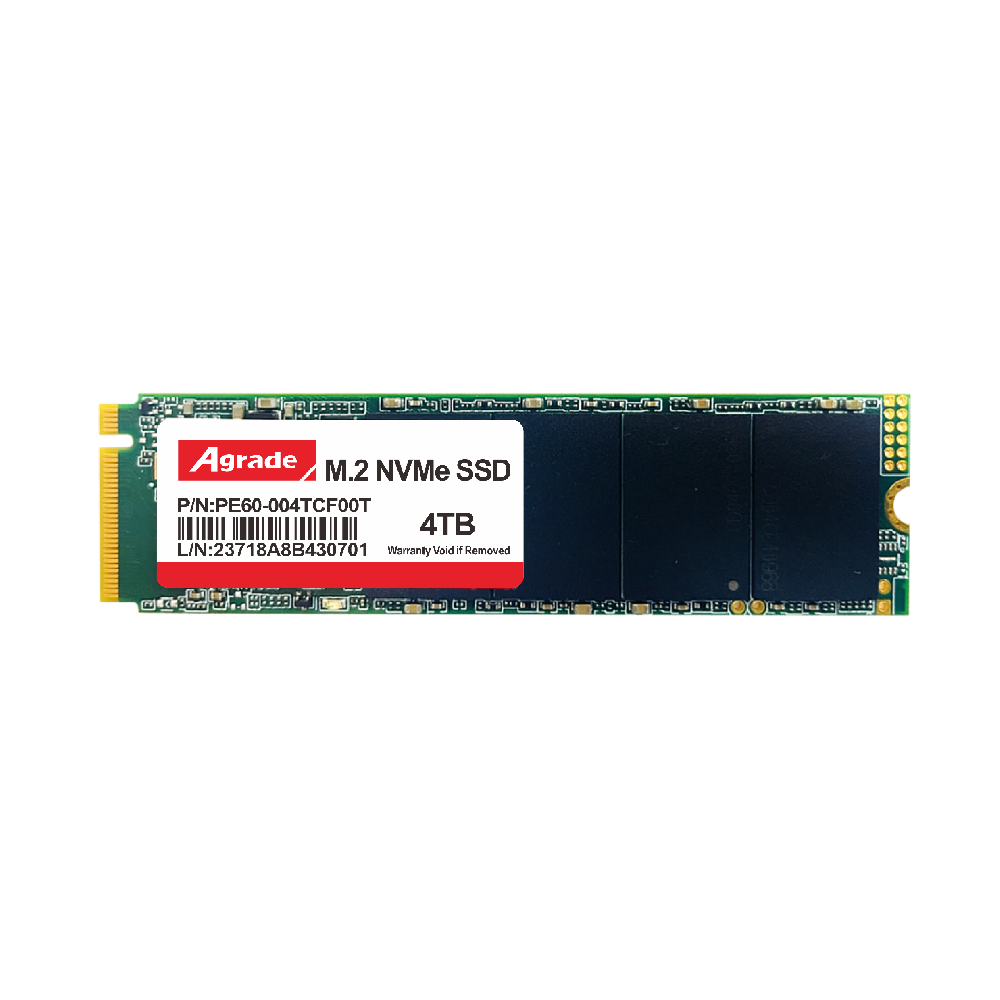
Agrade Storage has focused on industrial storage for over a decade. Every SSD undergoes rigorous testing, including temperature cycling, vibration sweeps, and accelerated write endurance tests. The company offers a range of form factors, including M.2 2280, mSATA, and 2.5-inch SATA, ensuring compatibility with various vehicle computing platforms. Additionally, Agrade Storage provides custom firmware tuning for specific autonomous driving workloads, such as optimizing garbage collection for continuous logging or adjusting power management for low-idle consumption. When reliability is non-negotiable, Agrade Storage industrial SSDs provide the durability and performance that autonomous driving systems demand.
Conclusion: The Road Ahead for In-Vehicle Storage
As autonomous driving technology progresses toward full Level 5 autonomy, the demands on in-vehicle storage will only increase. Higher resolution sensors, more complex AI models, and longer operational hours will require SSDs that can endure the worst conditions while maintaining peak performance. Industrial SSDs from Agrade Storage are engineered to meet these future requirements today. Whether you are developing a prototype fleet or scaling production vehicles, investing in rugged, reliable storage is not a luxury—it is a necessity. Evaluate your current storage architecture and consider upgrading to an industrial-grade solution from Agrade Storage to ensure your autonomous driving system performs safely and consistently, mile after mile.

-
Products
Advantages
-
Solutions
-
News
About us
-
Contact us
Tel:+86 19926658803
Whatsapp:+86 19926658803
lianle1210@163.com
Address: 30CF, Caihong Building, Caihong Road, Futian District, Shenzhen City, Guangdong Province, China


Friendly Links:
