














News


 Agrade Storage
  2026-06-20 18:24:23
 The Essential Guide to Using SSDs for Medical Devices in Industrial Storage
背景介绍
The healthcare industry is undergoing a digital transformation, with medical devices generating and storing sensitive patient data, diagnostic images, and real-time monitoring logs. From MRI machines and ultrasound systems to portable ventilators and infusion pumps, these devices rely heavily on storage media that must be fast, reliable, and secure. Traditional hard disk drives (HDDs) are increasingly being replaced by solid-state drives (SSDs) due to their superior performance, shock resistance, and longevity. However, not all SSDs are suitable for medical environments. Understanding the unique requirements of SSD for medical devices is essential for manufacturers, system integrators, and healthcare IT professionals. This guide will walk you through the basics, selection criteria, deployment steps, and common mistakes to ensure your medical device storage meets regulatory and operational standards.
基础知识
What is an SSD?
A solid-state drive (SSD) is a storage device that uses NAND flash memory to store data persistently, without moving parts. Unlike an HDD, which relies on spinning disks and a mechanical read/write head, an SSD offers faster read/write speeds, lower power consumption, and greater resistance to physical shock. For medical devices, these characteristics translate to quicker boot times, reduced latency in data access, and higher reliability in vibration-prone environments such as ambulances or surgical suites.
Why Medical Devices Need Specialized SSDs
Not every consumer-grade SSD is appropriate for medical applications. Medical devices must comply with strict regulations such as FDA 21 CFR Part 820, ISO 13485, and IEC 60601 for electrical safety and electromagnetic compatibility. Additionally, medical environments often involve extreme temperatures, humidity, and continuous operation cycles. An SSD for medical devices must offer:
- High endurance – to withstand frequent write operations from logging and imaging.
- Wide temperature range – typically -40°C to 85°C for industrial-grade SSDs.
- Data integrity features – such as power-loss protection and error correction code (ECC).
- Long-term availability – medical devices often stay in service for 7–10 years, requiring storage that remains supported.
操作步骤
Step 1: Assess Your Medical Device's Storage Requirements
Begin by identifying the specific needs of your device: how much data will be stored? What is the expected workload (read-heavy vs. write-heavy)? Will the device operate in a mobile or stationary environment? For example, a portable ultrasound machine will have different shock and power constraints compared to a fixed MRI console. Document these parameters to guide your SSD selection.
Step 2: Choose the Right SSD Form Factor and Interface
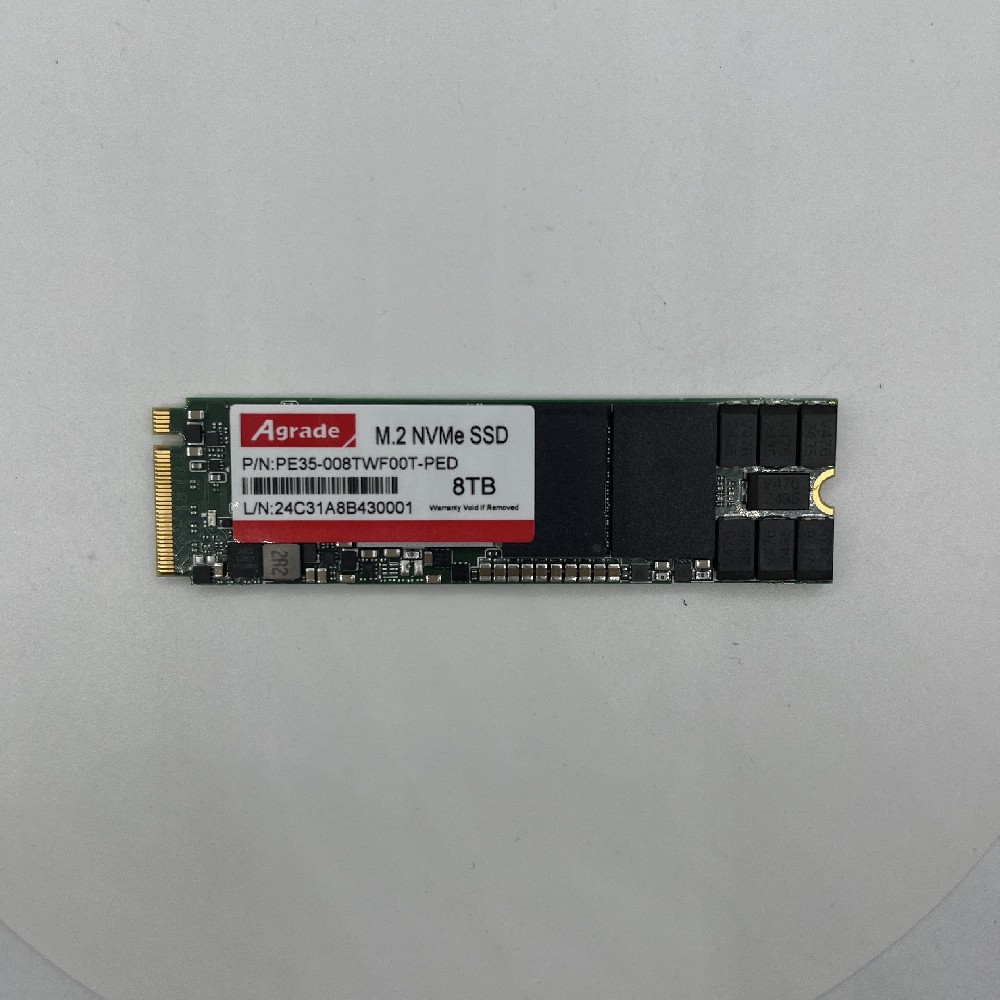
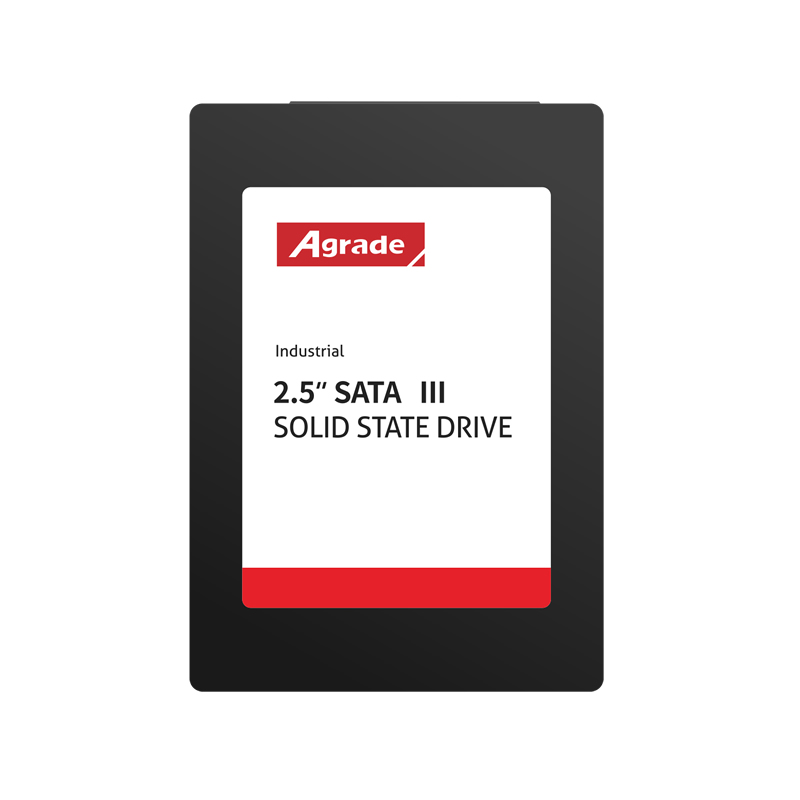
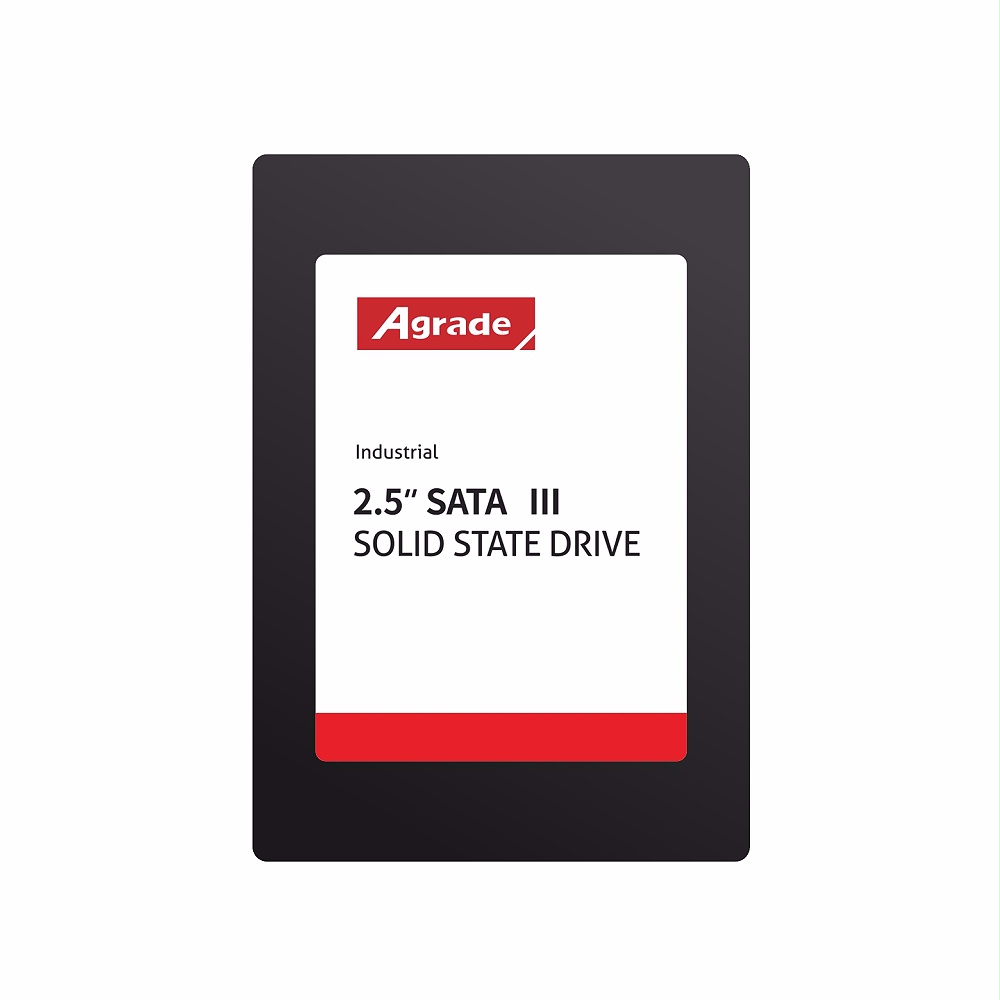
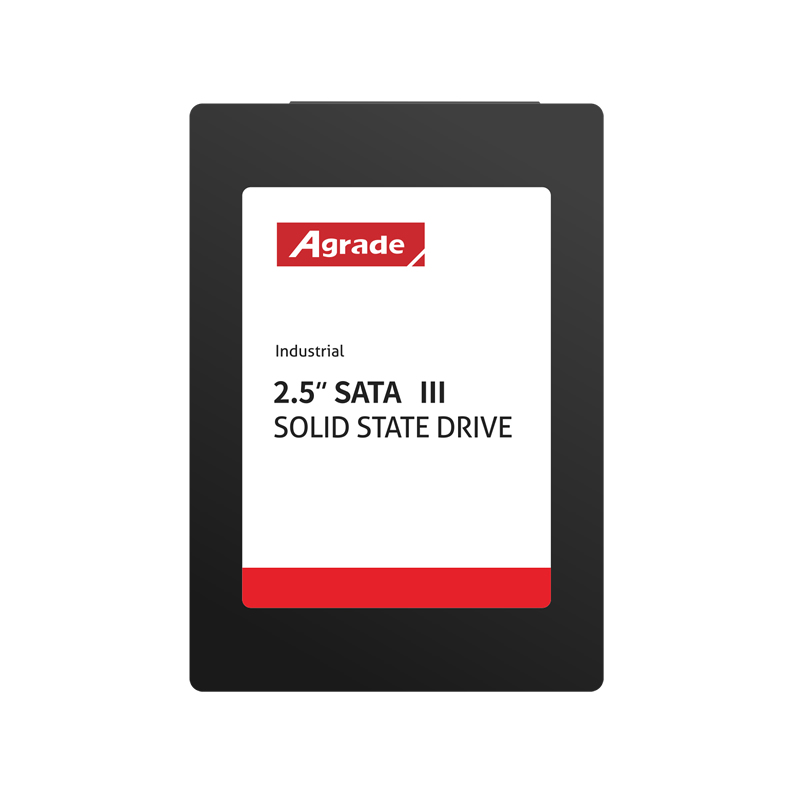
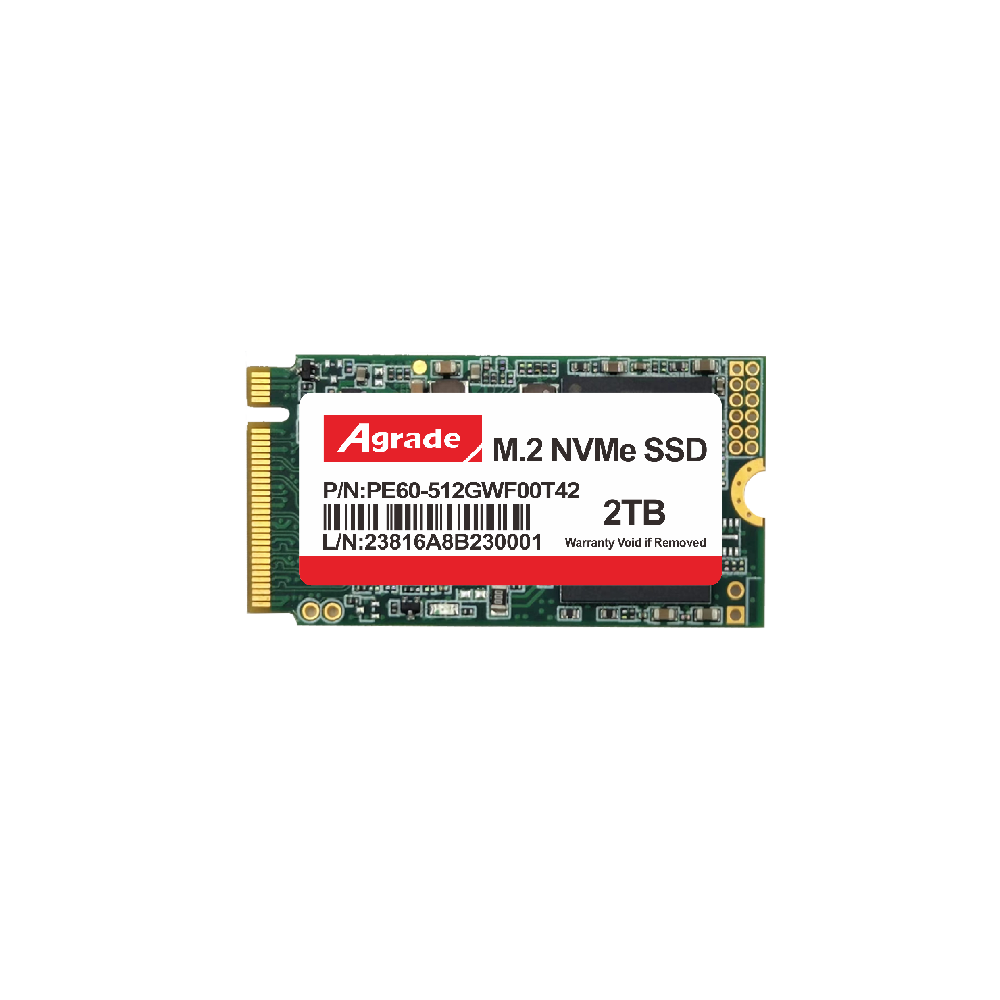
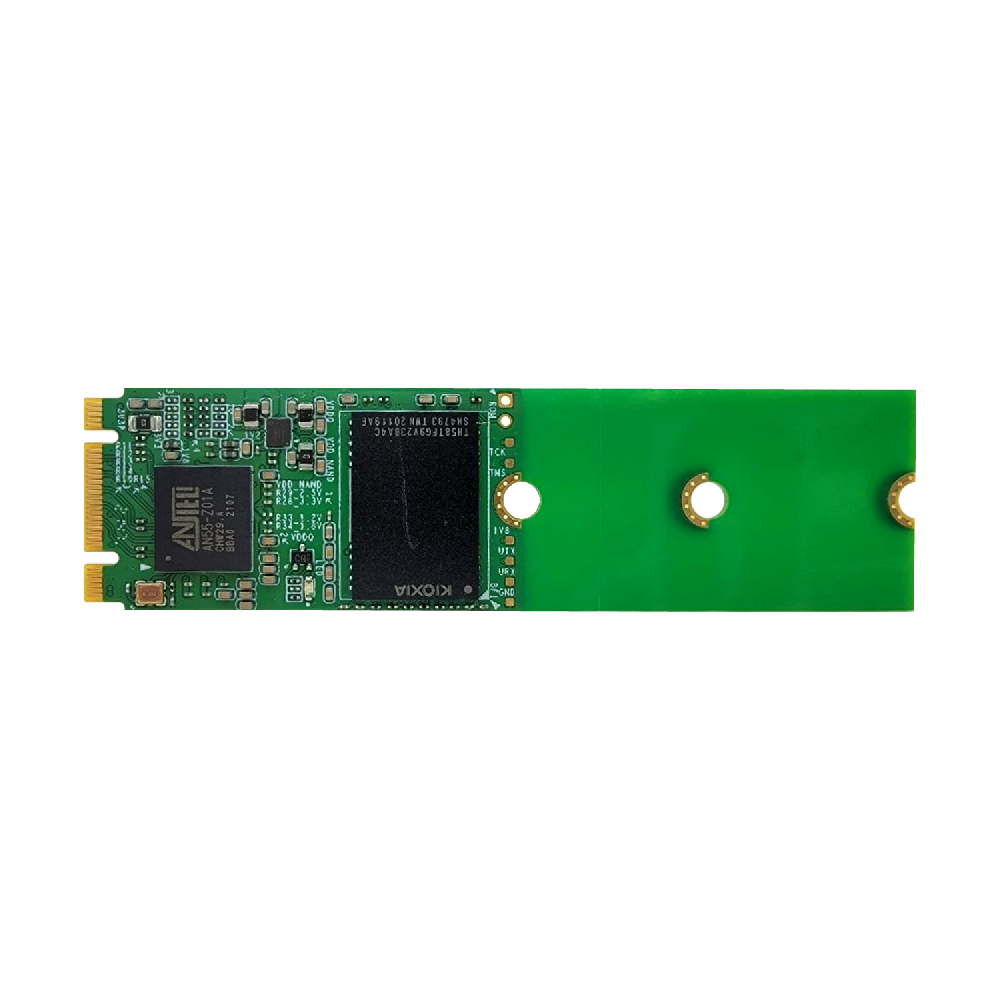
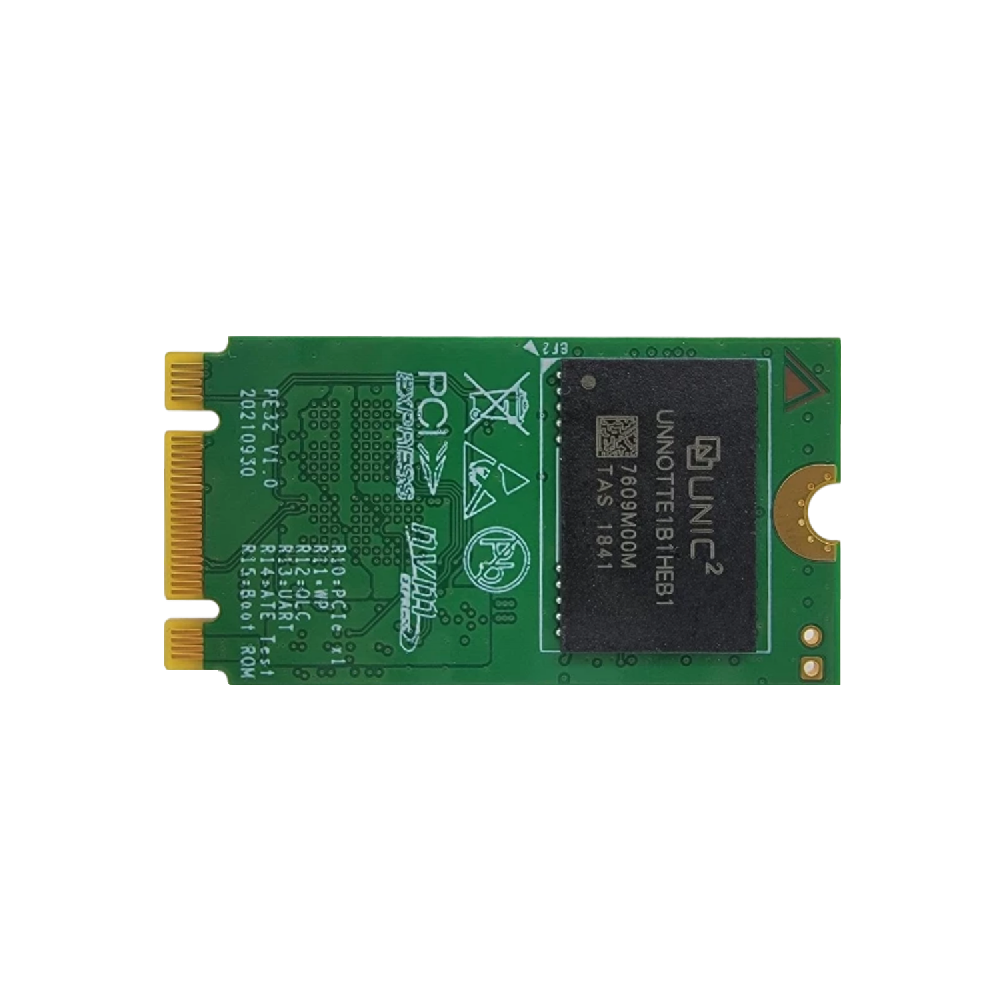
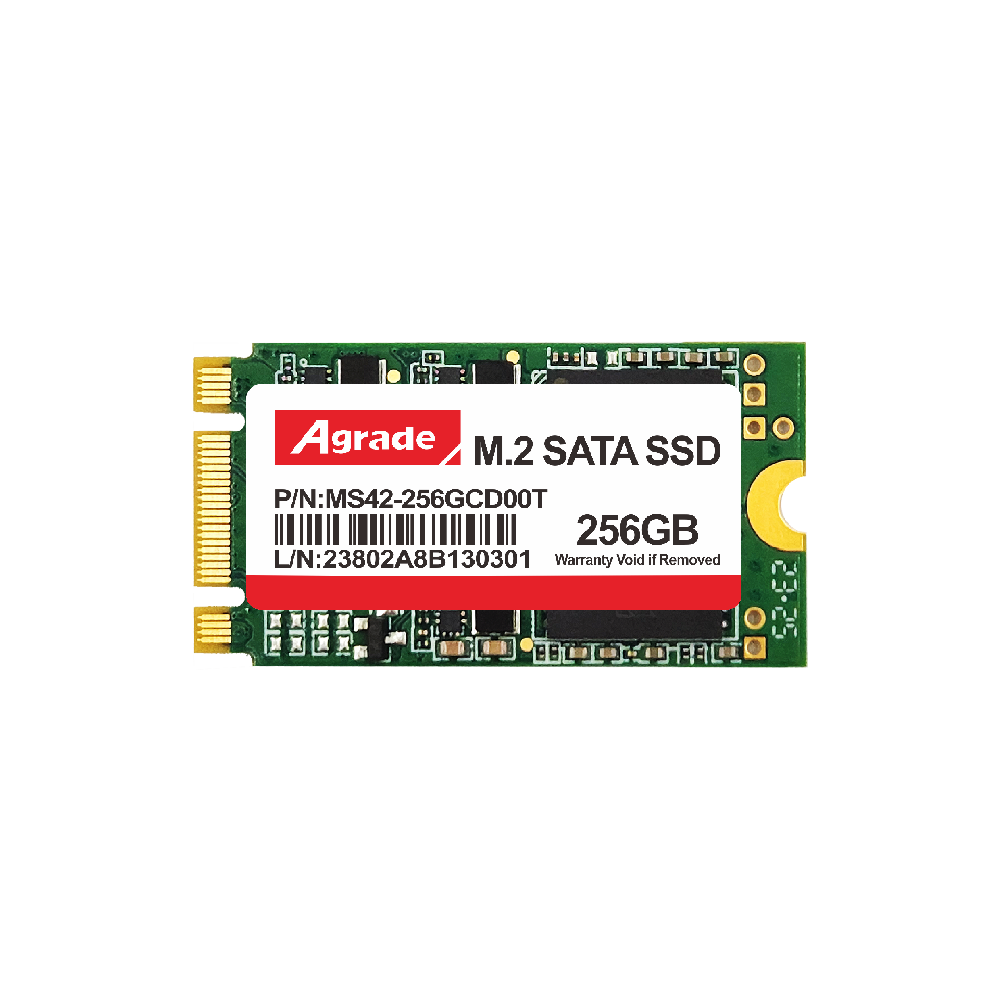
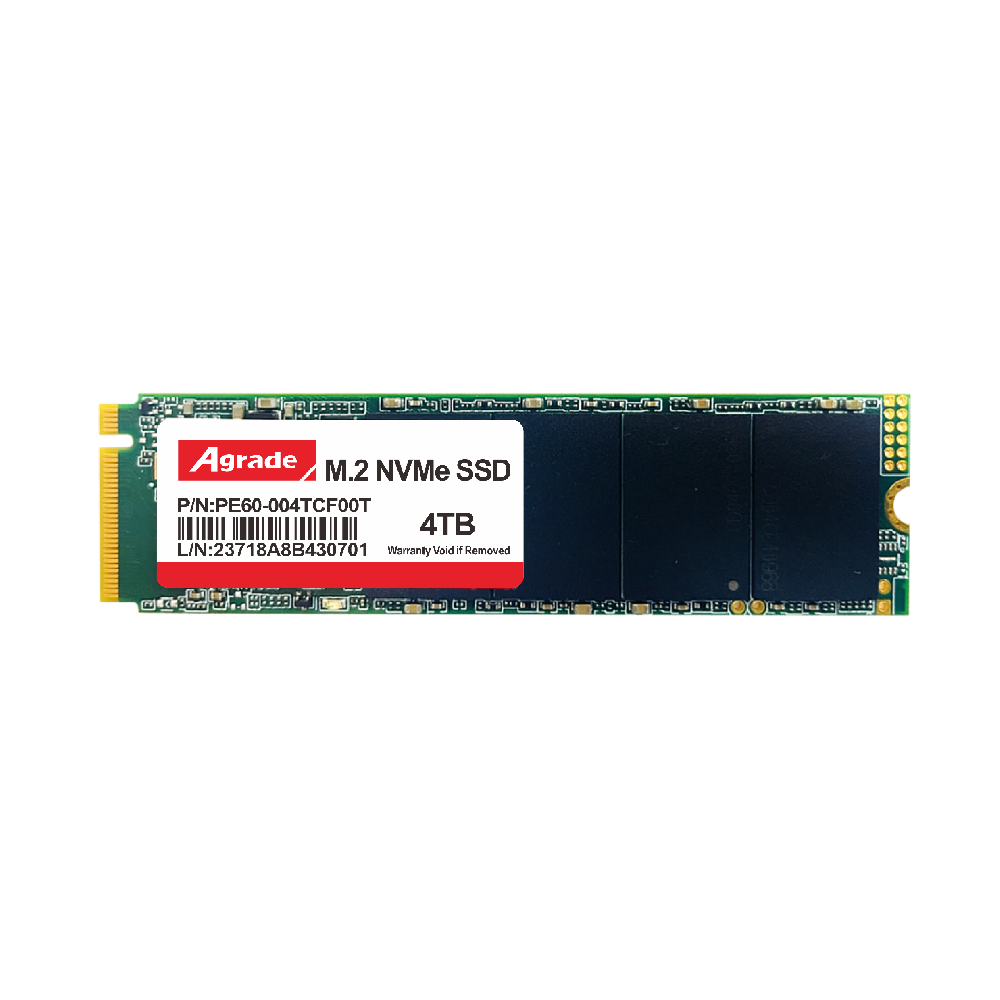
Medical devices often have limited internal space. Common form factors include 2.5-inch SATA SSDs, M.2 modules, and mSATA cards. For newer designs, NVMe over PCIe offers faster speeds but may generate more heat. Ensure compatibility with your device’s motherboard and power budget. For instance, a compact patient monitor might use an M.2 SATA SSD to save space, while a high-end CT scanner might benefit from an NVMe SSD for rapid image processing.
Step 3: Verify Compliance and Certifications
Check that the SSD manufacturer provides certifications relevant to medical devices. Look for ISO 13485 certification for quality management in medical device manufacturing, and IEC 60601-1-2 for electromagnetic compatibility. Additionally, SSDs that have undergone accelerated life testing (e.g., JEDEC standards) are preferable. Some manufacturers, including Agrade Storage, offer industrial-grade SSDs specifically designed for medical applications, with built-in power-loss protection and wide temperature support.
Step 4: Implement Data Security and Reliability Measures
Medical data is subject to HIPAA and GDPR regulations. Choose SSDs with hardware-based encryption (e.g., AES-256) and secure erase features. Also, consider SSDs with advanced wear-leveling and bad-block management to prolong lifespan. For critical devices, implement a redundant storage configuration (e.g., RAID 1) using two SSDs to prevent data loss in case of drive failure.
Step 5: Test and Validate in Real-World Conditions
Before mass deployment, run rigorous tests simulating the device's operating environment. Include temperature cycling, vibration testing, and power cycling. Monitor SSD temperature, write endurance, and error rates over an extended period. Document results for regulatory submission. Agrade Storage provides engineering samples and technical support for such validation phases.
常见误区
Mistake 1: Using Consumer-Grade SSDs in Medical Devices
Consumer SSDs are designed for typical office or home use, with limited endurance and narrow temperature ranges. They may fail prematurely in a medical setting, leading to data loss or device downtime. Always opt for industrial-grade SSDs rated for 24/7 operation.
Mistake 2: Ignoring Power-Loss Protection
Medical devices can experience unexpected power cuts. Without power-loss protection, an SSD may corrupt data or fail to boot. Ensure the SSD has capacitors that provide enough energy to flush cached data to NAND during power loss.
Mistake 3: Overlooking Long-Term Availability
Medical device manufacturers often need the same SSD model for years to maintain regulatory compliance. A consumer SSD may be discontinued within 12–18 months. Industrial SSD providers like Agrade Storage offer long-term supply agreements and lifecycle management to avoid obsolescence.
Mistake 4: Neglecting Thermal Management
High-performance SSDs generate heat, especially in compact enclosures. Without proper heat dissipation, the SSD can throttle or suffer damage. Always review thermal specifications and, if needed, incorporate heatsinks or active cooling in your device design.
总结
Selecting the right SSD for medical devices is a critical decision that impacts device reliability, data security, and regulatory compliance. By understanding the fundamentals of SSD technology, following a structured selection and deployment process, and avoiding common pitfalls, you can ensure your medical devices perform optimally over their entire lifecycle. Whether you are designing a new diagnostic tool or upgrading an existing system, partnering with a trusted industrial storage manufacturer like Agrade Storage can simplify the journey. Their industrial-grade SSDs are engineered to meet the demanding requirements of healthcare environments, offering high endurance, wide temperature support, and long-term availability. With the right SSD, your medical devices will deliver faster, safer, and more dependable performance for patients and clinicians alike.

-
Products
Advantages
-
Solutions
-
News
About us
-
Contact us
Tel:+86 19926658803
Whatsapp:+86 19926658803
lianle1210@163.com
Address: 30CF, Caihong Building, Caihong Road, Futian District, Shenzhen City, Guangdong Province, China


Friendly Links:
