












News


 电商部
电商部  2026-01-29 12:03:38
 Core Differences Between Wide-temperature SD Cards and Regular SD Cards
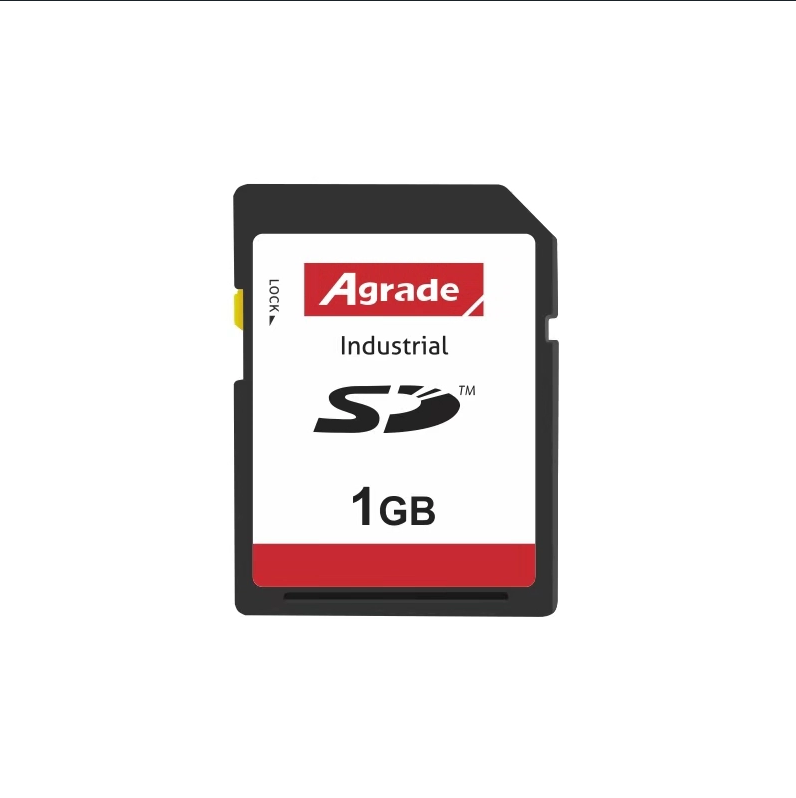
Although wide-temperature SD cards and regular SD cards look similar in appearance, they have distinct differences in design concepts, technical parameters, performance indicators and application scenarios. Regular SD cards are developed for the consumer electronics market, focusing on balancing capacity, speed and cost-effectiveness to meet daily storage needs. In contrast, wide-temperature SD cards target industrial, military and other harsh environments, prioritizing extreme environment adaptability, long-term stability and data security, with higher technical thresholds and costs.
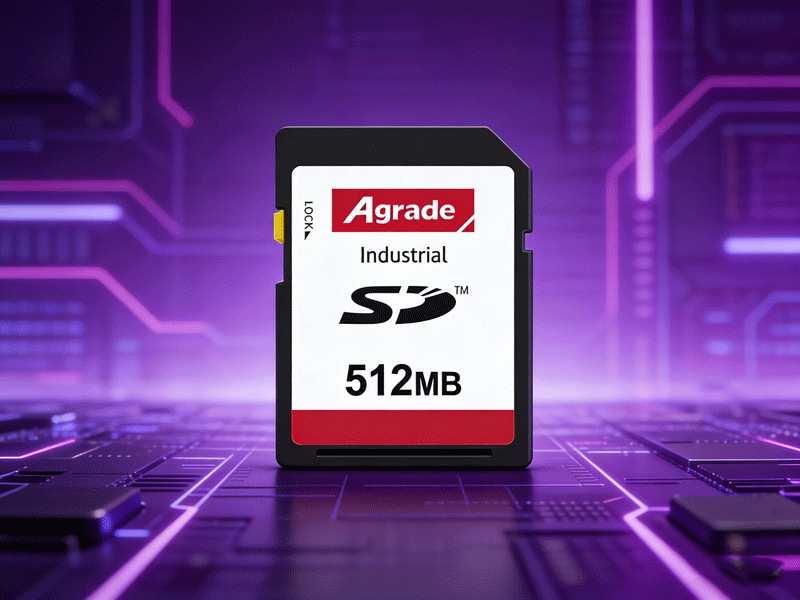
The most critical difference lies in temperature adaptability. As mentioned earlier, regular SD cards are limited to 0°C to 70°C. When used in environments with temperatures below 0°C, the electrolyte in the flash memory may freeze, resulting in failed data reading. When the temperature exceeds 70°C, the thermal expansion of internal components may cause packaging cracks, leading to permanent damage. Wide-temperature SD cards, however, can maintain stable operation in the range of -40°C to 85°C through specialized design, and their performance attenuation is controlled within a minimal range even with drastic temperature fluctuations.
Durability and stability are another major distinction. Regular SD cards usually adopt consumer-grade TLC flash particles, with a write cycle life of only a few thousand times, lacking professional protection mechanisms. They are prone to failure under frequent read-write operations and complex environmental interference. Wide-temperature SD cards generally use industrial-grade SLC or pSLC flash particles, which have a write cycle life of 20,000 to 100,000 times and a data retention period of more than 10 years.
Moreover, wide-temperature SD cards are equipped with multiple protection technologies such as bad block management, dynamic wear leveling and electromagnetic shielding, capable of withstanding 1500G impact and 20G vibration. This level of durability is unattainable for regular SD cards. Application scenarios also differ significantly: regular SD cards are for consumer electronics, while wide-temperature SD cards are suitable for industrial automation, rail transit, military equipment and other harsh environments. Choosing the right type based on actual needs is crucial to avoid equipment downtime and data loss.

-
Products
Advantages
-
Solutions
-
News
About us
-
Contact us
Tel:+86 19926658803
Whatsapp:+86 19926658803
lianle1210@163.com
Address: 30CF, Caihong Building, Caihong Road, Futian District, Shenzhen City, Guangdong Province, China


Friendly Links:
