














News


 电商部
电商部  2026-01-29 12:06:02
 High-low Temperature Test Standards for Wide-temperature SD Cards
The high-low temperature resistance of wide-temperature SD cards cannot be claimed verbally but must be verified through strict standardized testing. Different industries have clear specifications, which not only test reliability in extreme temperatures but also distinguish genuine from fake industrial-grade products, ensuring suitable for harsh scenarios.
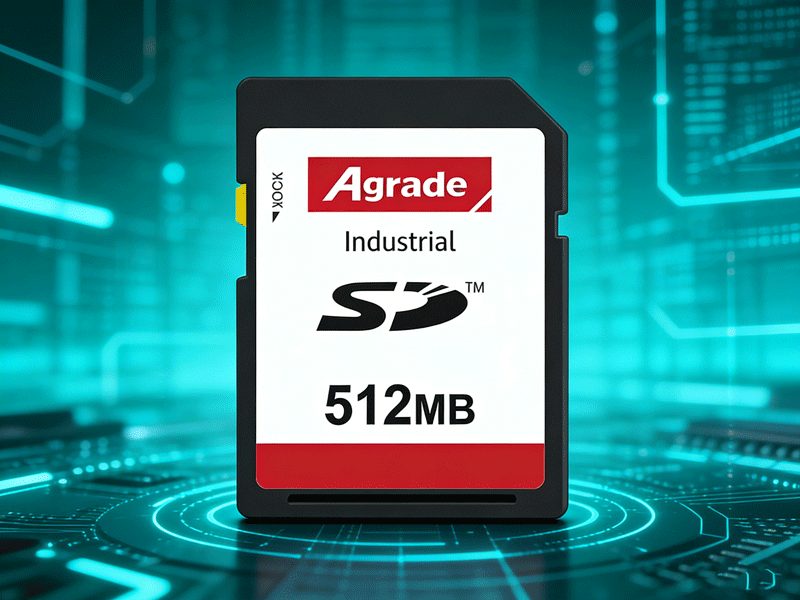
Common high-low temperature tests include temperature cycle testing and constant temperature durability testing. Temperature cycle testing simulates drastic temperature fluctuations, such as outdoor day-night differences. The SD card is placed in a test chamber, cycling between -40°C and 85°C with 2-4 hours per stage, totaling 50-100 cycles. After testing, read-write speed, data integrity and component stability are inspected; qualified products show no performance degradation.
Constant temperature durability testing targets long-term extreme temperature scenarios, divided into high and low temperature tests. High-temperature testing involves continuous operation at 85°C for over 1000 hours, with regular read-write and data verification to test chip stability and heat dissipation. Low-temperature testing operates at -40°C for 1000 hours, focusing on startup ability and charge retention. Military-grade products extend temperatures to -55°C to 105°C and test duration to 2000 hours.
Authoritative industry standards include IEC 60068-2-14 (vibration testing), IEC 60068-2-1 (low-temperature) and IEC 60068-2-2 (high-temperature). Military-grade products comply with MIL-STD-810G for stricter requirements. When purchasing, request complete test reports, confirming standards, duration, temperature ranges and results. Regular manufacturers provide batch test data and support third-party inspections, ensuring industrial application safety.

-
Products
Advantages
-
Solutions
-
News
About us
-
Contact us
Tel:+86 19926658803
Whatsapp:+86 19926658803
lianle1210@163.com
Address: 30CF, Caihong Building, Caihong Road, Futian District, Shenzhen City, Guangdong Province, China


Friendly Links:
