












News


 电商部
电商部  2025-12-23 10:42:36
 DDR4 vs DDR5: Which One Suits Your 2025 Build? A Detailed Comparison
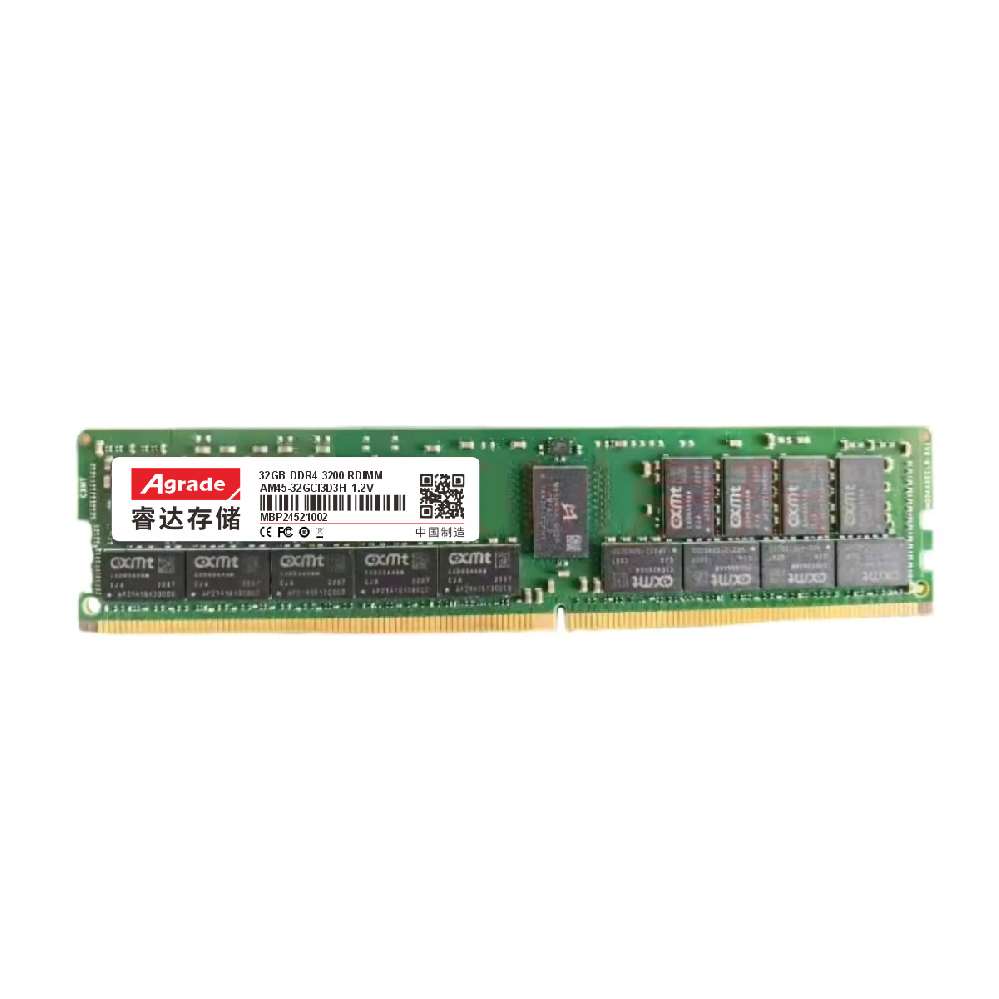
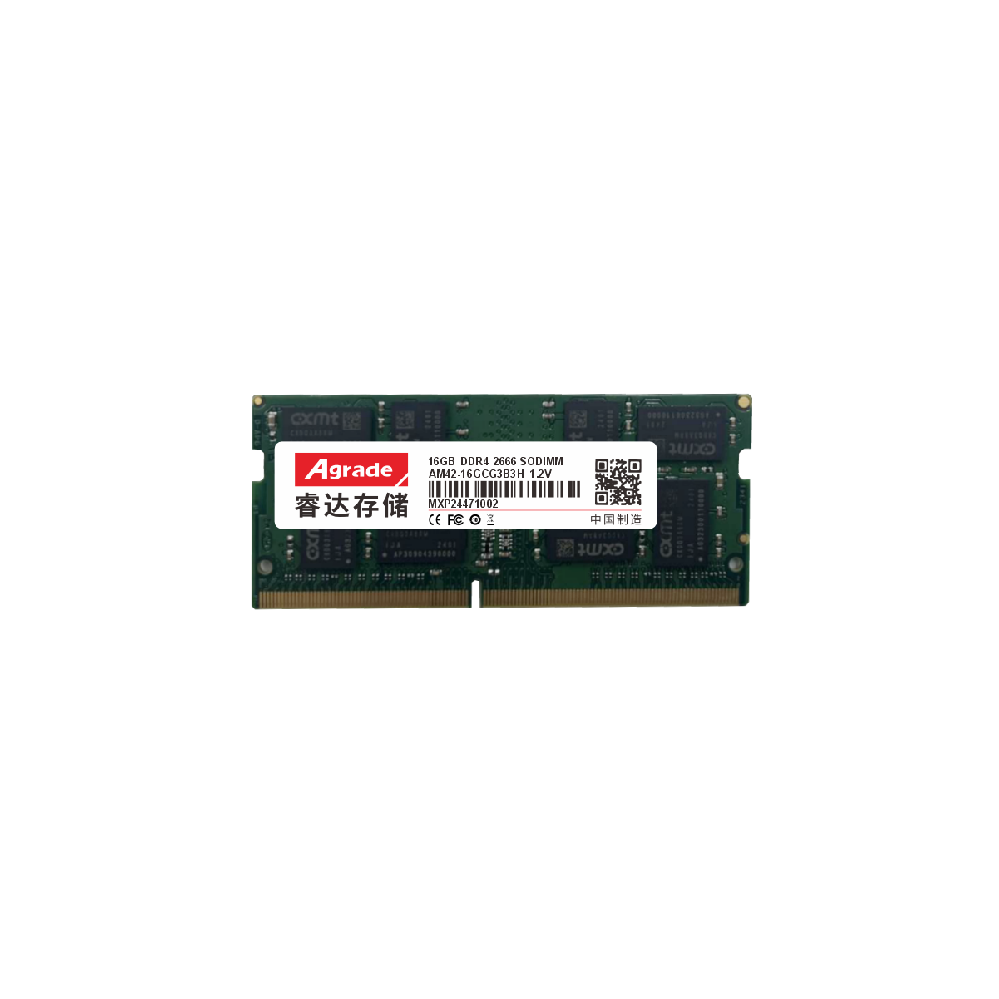
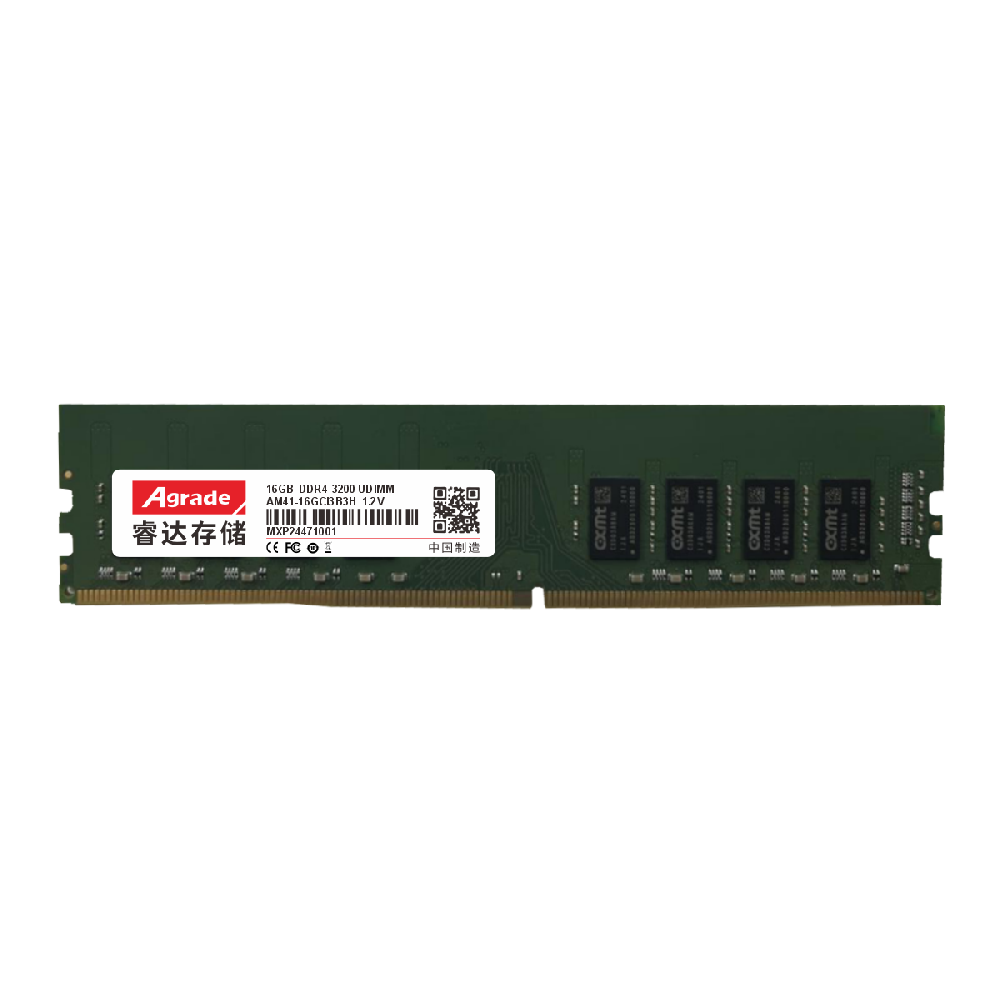
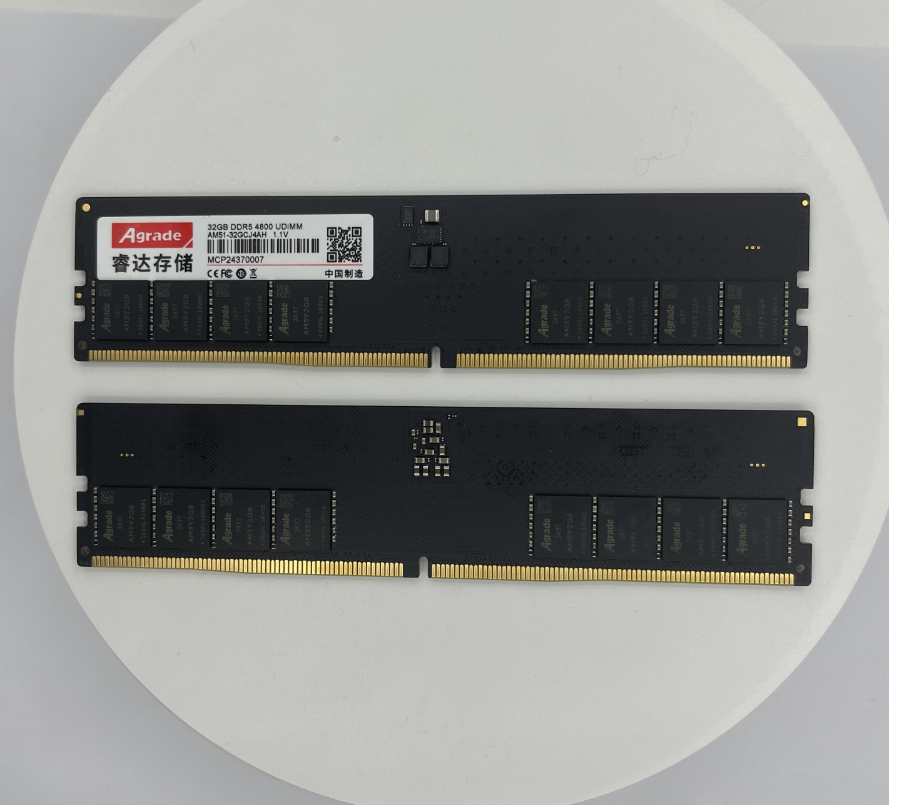
The debate between DDR4 and DDR5 has lasted for years, and in 2025, this topic is still relevant for PC builders. Choosing the right memory depends on your budget, hardware compatibility, and performance needs. This article compares DDR4 and DDR5 in multiple aspects to help you make an informed decision.
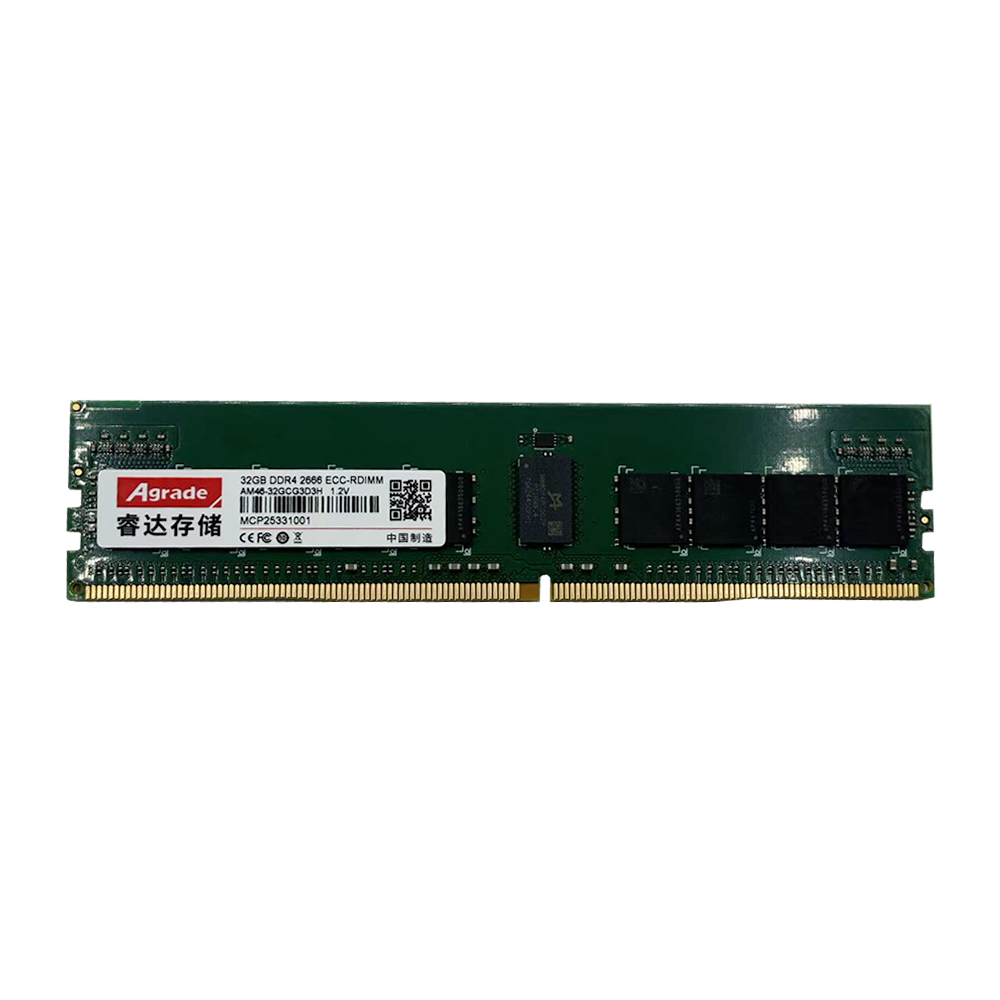
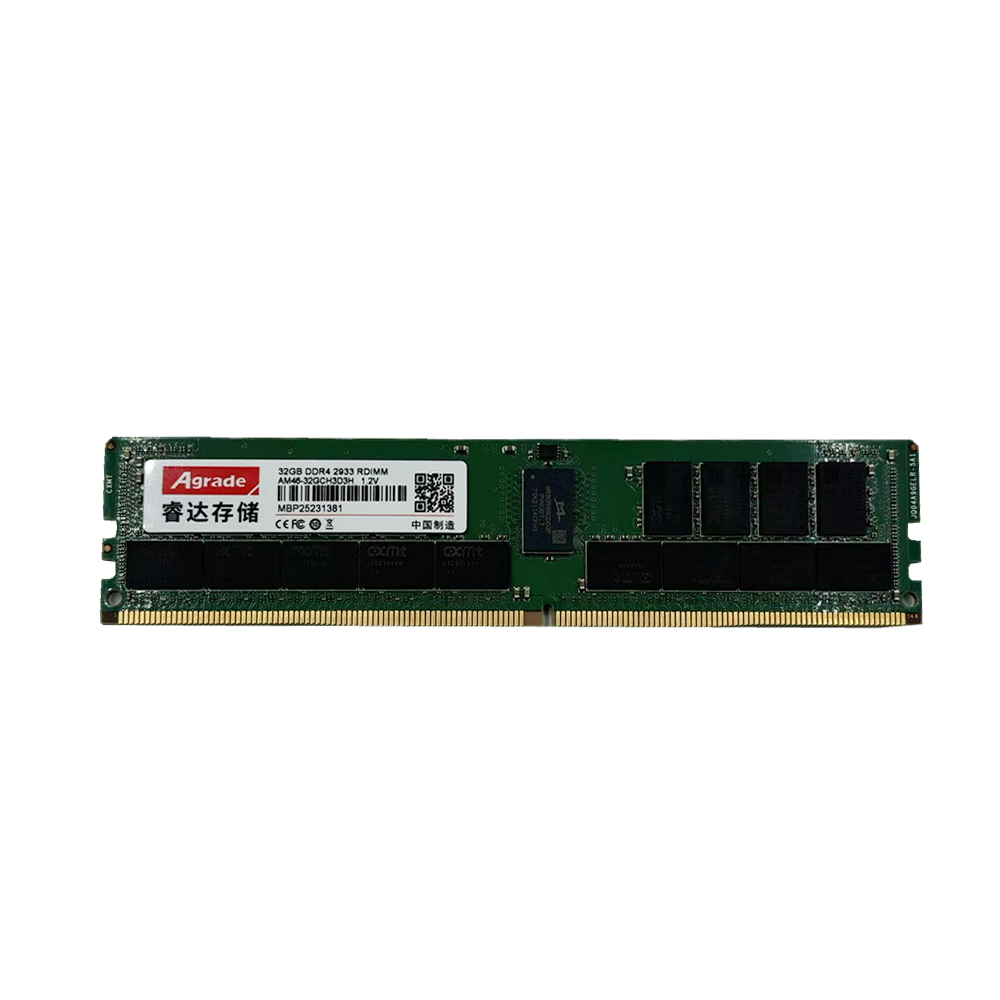
In terms of price, DDR4 has a clear advantage. As of 2025, a 32GB DDR4 3600MHz kit costs around $150, while a 32GB DDR5 4800MHz kit is over $300. High-frequency DDR5 modules (6400MHz+) are even more expensive, making them unaffordable for budget builders. DDR4's price has stabilized after years of market precipitation, making it a cost-effective choice.
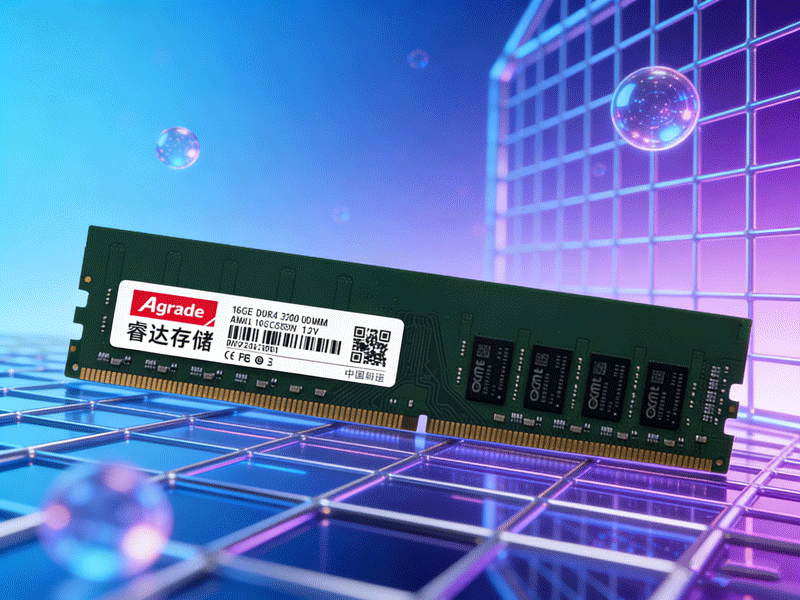
Performance-wise, DDR5 leads in theoretical specifications. DDR5 has higher base frequency (4800MHz vs DDR4's 2133MHz), larger bandwidth, and supports features like ECC error correction and higher capacity per module. In scenarios like 8K video editing, large-scale AI model training, and professional 3D rendering, DDR5's high bandwidth and low latency bring obvious performance improvements. However, in daily use (office work, web browsing, light gaming), the actual experience gap between DDR4 and DDR5 is minimal.
Compatibility is a key factor for old-platform users. DDR4 is compatible with most motherboards released before 2024, such as Intel's B560/B660 and AMD's X570. DDR5 requires newer motherboards (e.g., Intel's Z790, AMD's X670) and CPUs, which means upgrading to DDR5 often requires replacing the entire platform—an expensive investment. For users with existing DDR4 platforms, upgrading DDR4 memory is more cost-effective.
Power consumption and heat generation: DDR5 has lower power consumption per unit performance, but high-frequency DDR5 modules may generate more heat under full load. DDR4's mature technology ensures stable heat generation, and most modules do not require additional cooling. For small-form-factor builds or laptops that are sensitive to heat, DDR4 may be a more reliable choice.
Future-proofing: If you plan to use your PC for 5+ years and need to handle more demanding tasks in the future, DDR5 is more future-proof. However, for users who only need a PC for daily use or do not plan to upgrade frequently, DDR4's current performance is more than sufficient.
In summary, choose DDR4 if you are on a budget, upgrading an old platform, or only need basic performance. Choose DDR5 if you have a high budget, are building a new high-end PC, or need to handle professional heavy-load tasks.

-
Products
Advantages
-
Solutions
-
News
About us
-
Contact us
Tel:+86 19926658803
Whatsapp:+86 19926658803
lianle1210@163.com
Address: 30CF, Caihong Building, Caihong Road, Futian District, Shenzhen City, Guangdong Province, China


Friendly Links:
