












News


 电商部
电商部  2025-12-23 11:48:29
 DDR4 vs DDR3: Is Upgrading from DDR3 to DDR4 Worth It in 2025?
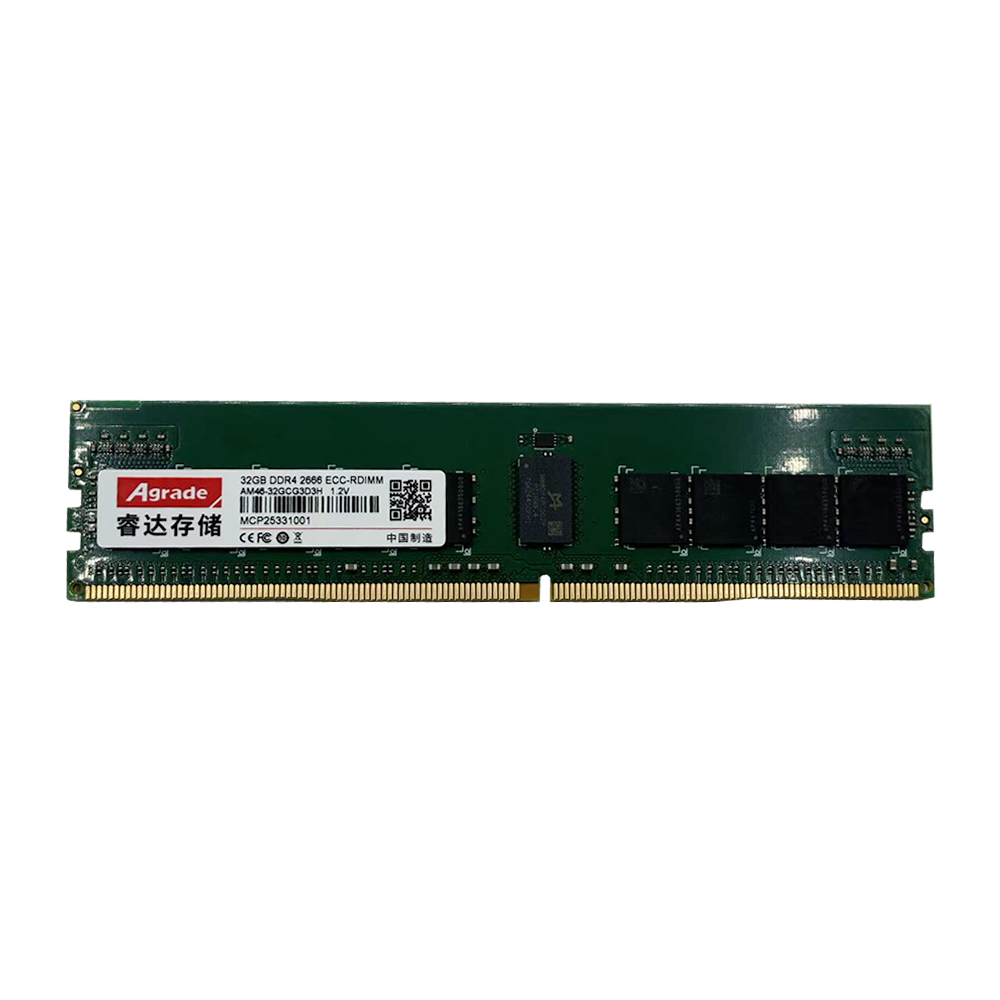
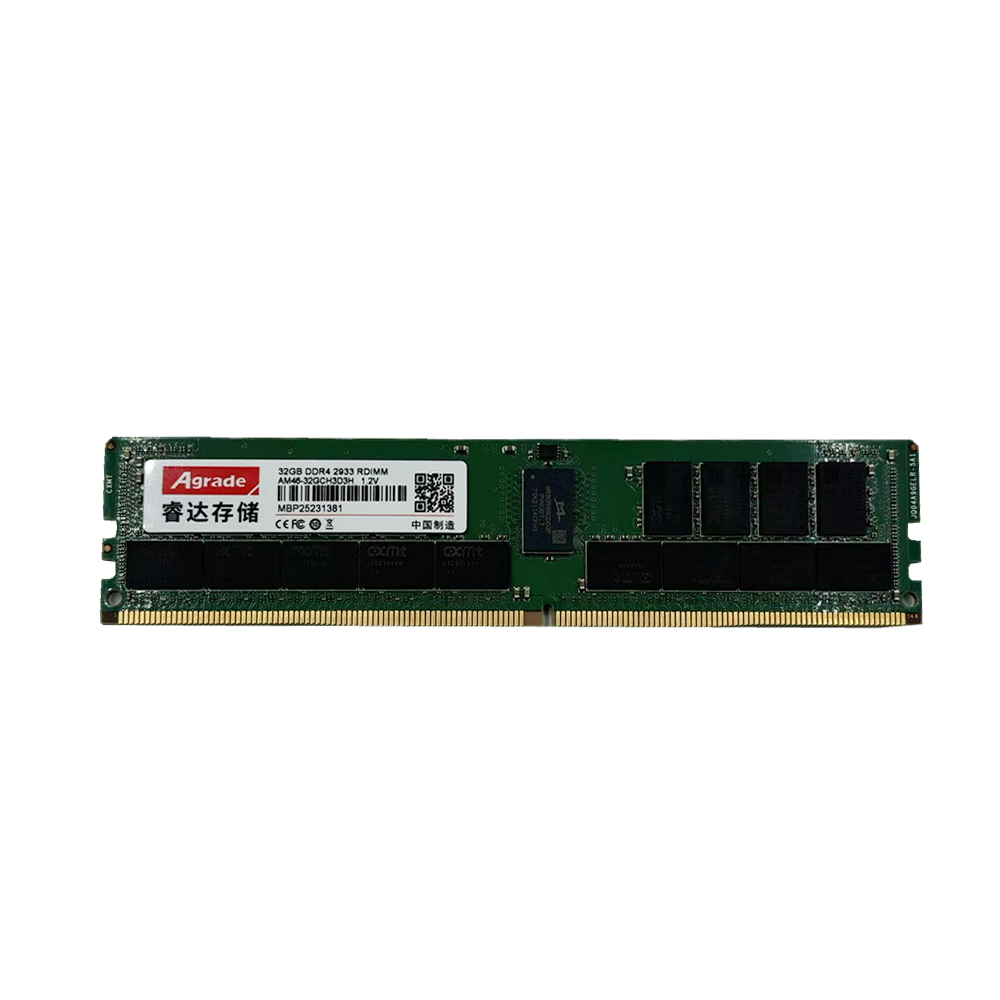
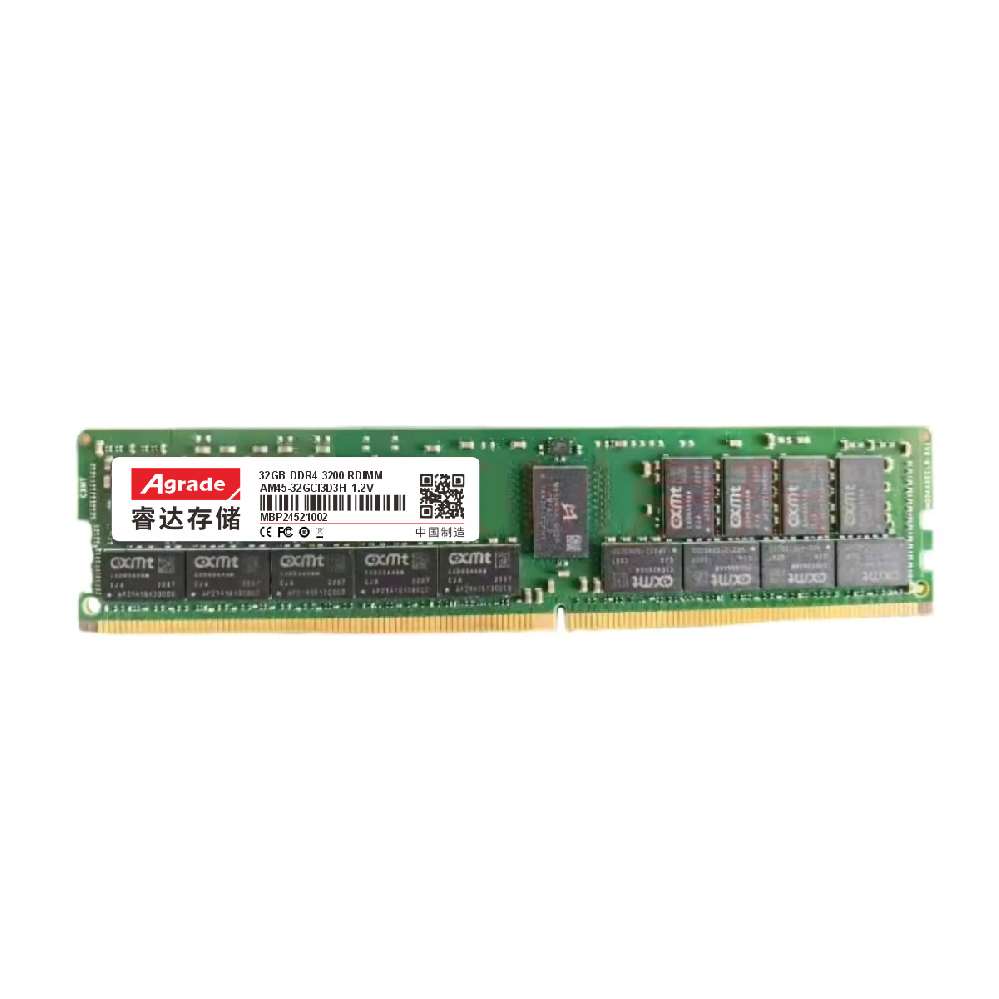
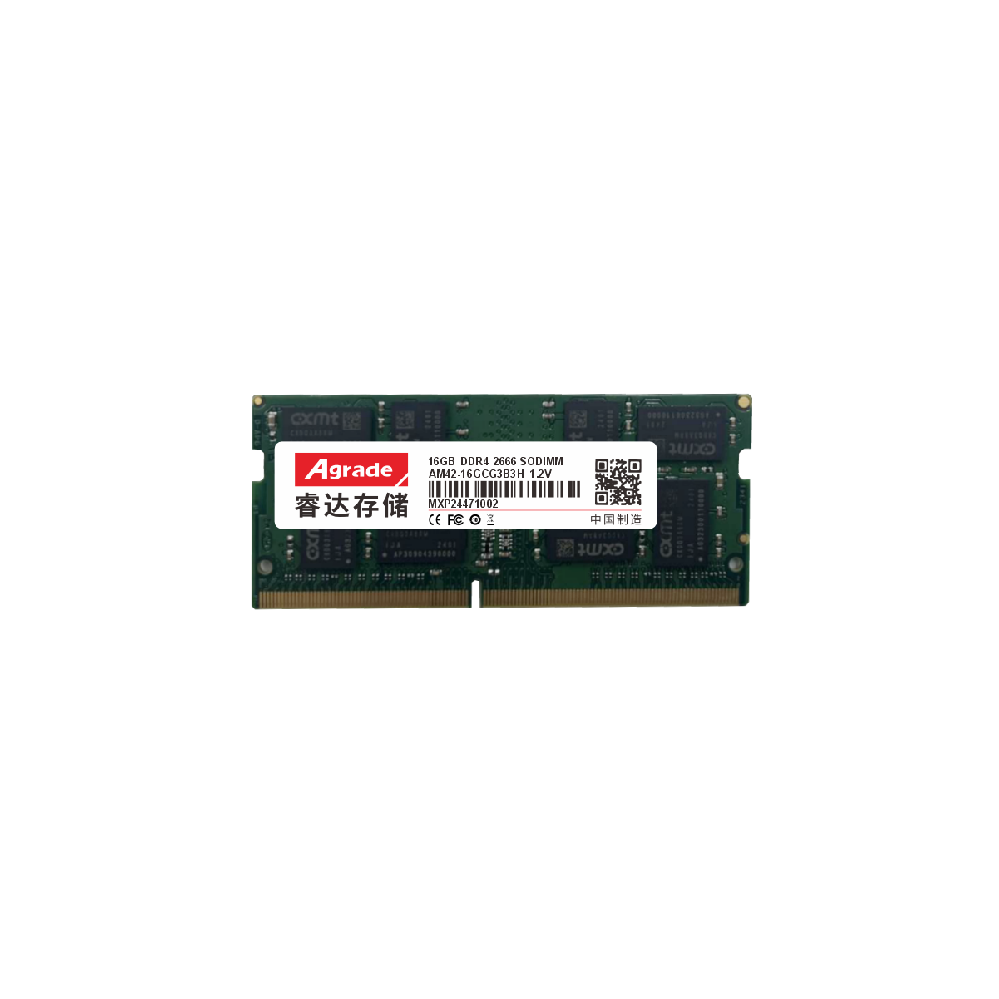
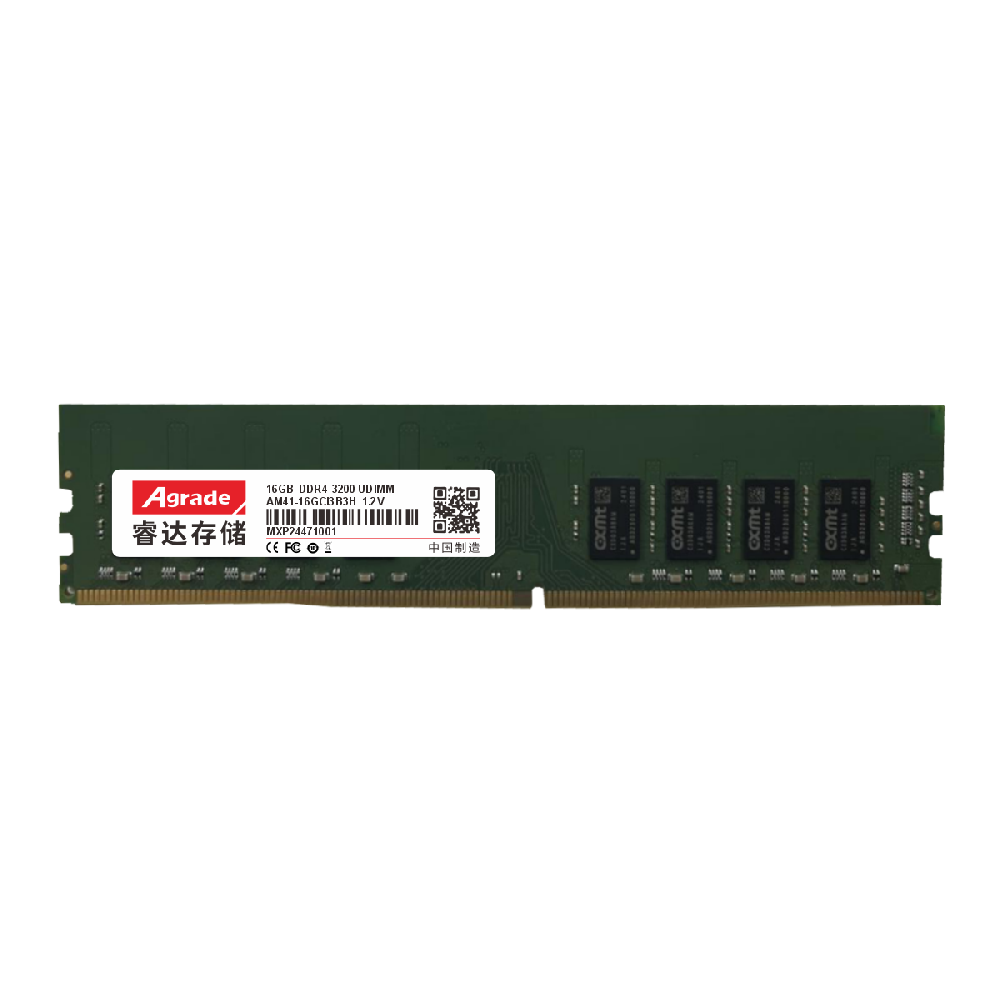
In 2025, many users still have old computers running on DDR3 RAM, and they wonder if upgrading to DDR4 is worth the investment. While DDR3 is outdated, upgrading to DDR4 requires replacing the motherboard and CPU (since DDR3 and DDR4 use different slots and are incompatible), which adds to the cost. This article compares DDR4 and DDR3 in performance, compatibility, and cost to help you decide whether to upgrade.
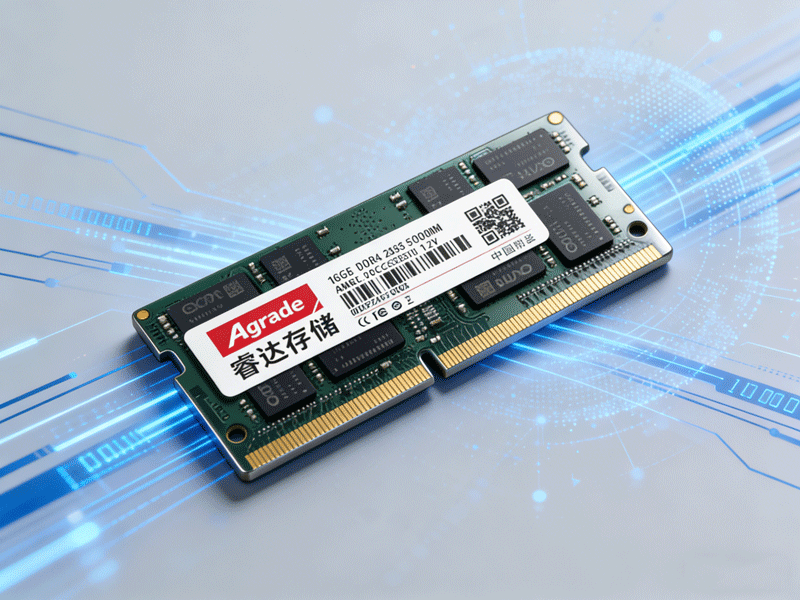
Performance comparison: DDR4 has significant advantages over DDR3 in frequency, bandwidth, and power consumption. The base frequency of DDR3 is 1333MHz-2133MHz, while DDR4 starts at 2133MHz and can go up to 4000MHz. A 32GB DDR4 3600MHz dual-channel kit has a bandwidth of about 57.6GB/s, which is more than twice that of a 32GB DDR3 1600MHz kit (25.6GB/s). This means DDR4 can handle multi-tasking, gaming, and light content creation much faster than DDR3. For example, opening multiple large Excel files, running Photoshop, and browsing the web simultaneously is smoother on DDR4 systems. In gaming, DDR4 can improve frame rate stability, especially in open-world games with large textures.
Cost analysis: Upgrading from DDR3 to DDR4 is not a simple RAM replacement—it requires a new motherboard, CPU, and DDR4 RAM. As of 2025, a budget DDR4 platform (including B560 motherboard, Intel i5-10400 CPU, and 16GB DDR4 3200MHz kit) costs around $350-$400. If your current DDR3 computer is only used for basic tasks like web browsing and word processing, the upgrade may not be worth it, as DDR3 can still handle these tasks. However, if you need better performance for gaming, content creation, or multi-tasking, the upgrade can significantly improve your user experience.
Compatibility and future-proofing: DDR3 motherboards and CPUs are no longer produced, and their support is gradually being phased out. Upgrading to DDR4 allows you to use newer CPUs with more cores and better performance, which is beneficial for future software updates. DDR4 is still widely supported in 2025, and there are plenty of high-quality modules available at affordable prices. In contrast, DDR3 modules are mostly second-hand, with uncertain quality and no warranty.
Who should upgrade? 1. Users who experience lag when running multiple applications or modern games on DDR3 systems. 2. Content creators who use software that requires high memory bandwidth (e.g., video editing, 3D rendering). 3. Users who want to extend the service life of their computers for 2-3 more years. Who should not upgrade? 1. Users with basic needs (web browsing, office work) who are on a tight budget. 2. Users planning to build a new DDR5 system in the near future.
In conclusion, upgrading from DDR3 to DDR4 is worth it for users who need better performance and want to future-proof their systems. While it requires an initial investment, the performance improvement and extended system life make it a cost-effective choice for many.

-
Products
Advantages
-
Solutions
-
News
About us
-
Contact us
Tel:+86 19926658803
Whatsapp:+86 19926658803
lianle1210@163.com
Address: 30CF, Caihong Building, Caihong Road, Futian District, Shenzhen City, Guangdong Province, China


Friendly Links:
