












News


 电商部
电商部  2026-01-04 15:59:02
 Popular science of domestic memory module packaging technology: How FBGA and TSV affect performance
Popular science of domestic memory module packaging technology: How FBGA and TSV affect performance
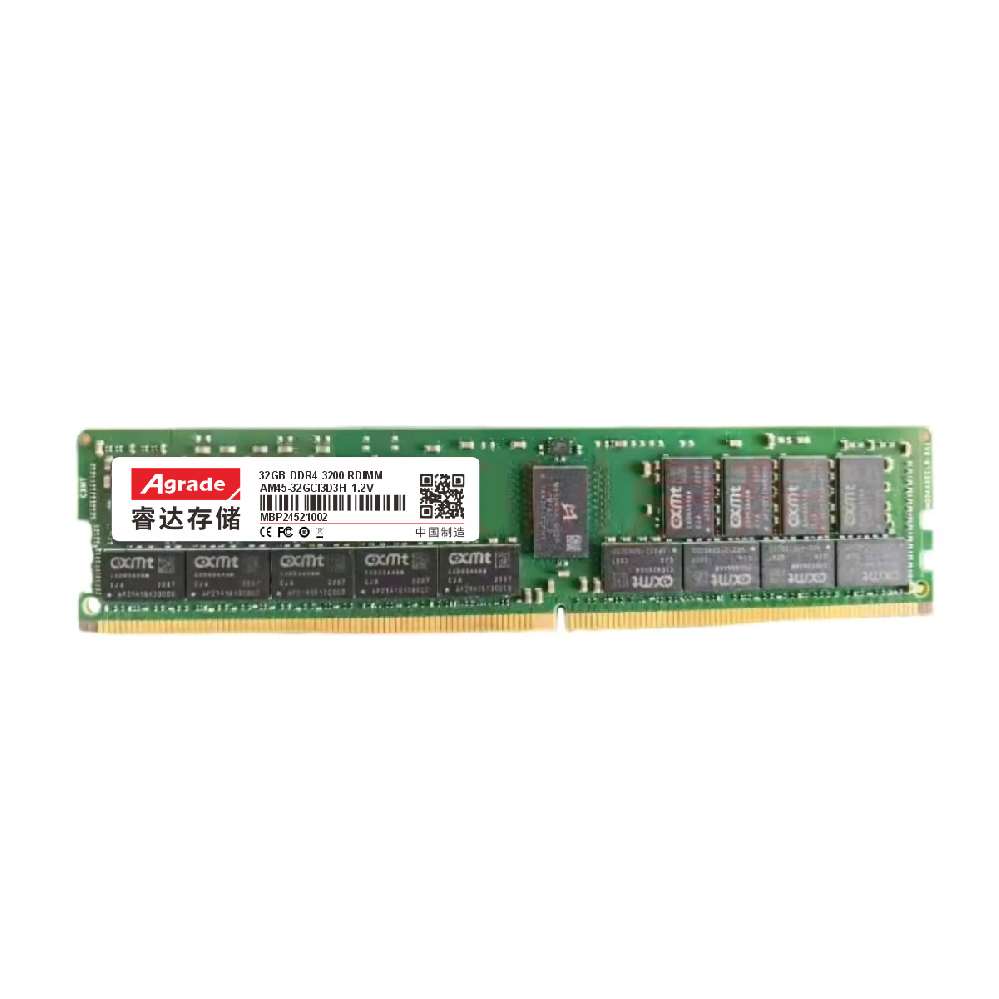
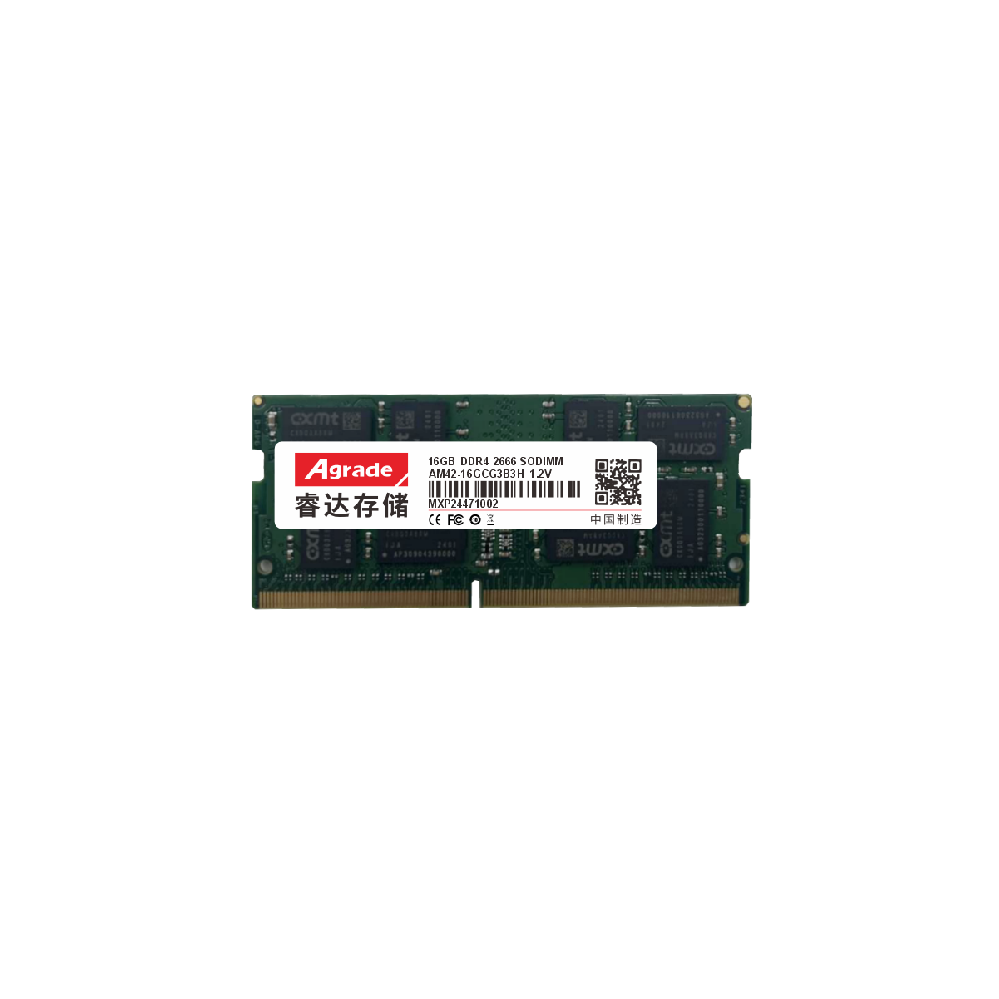
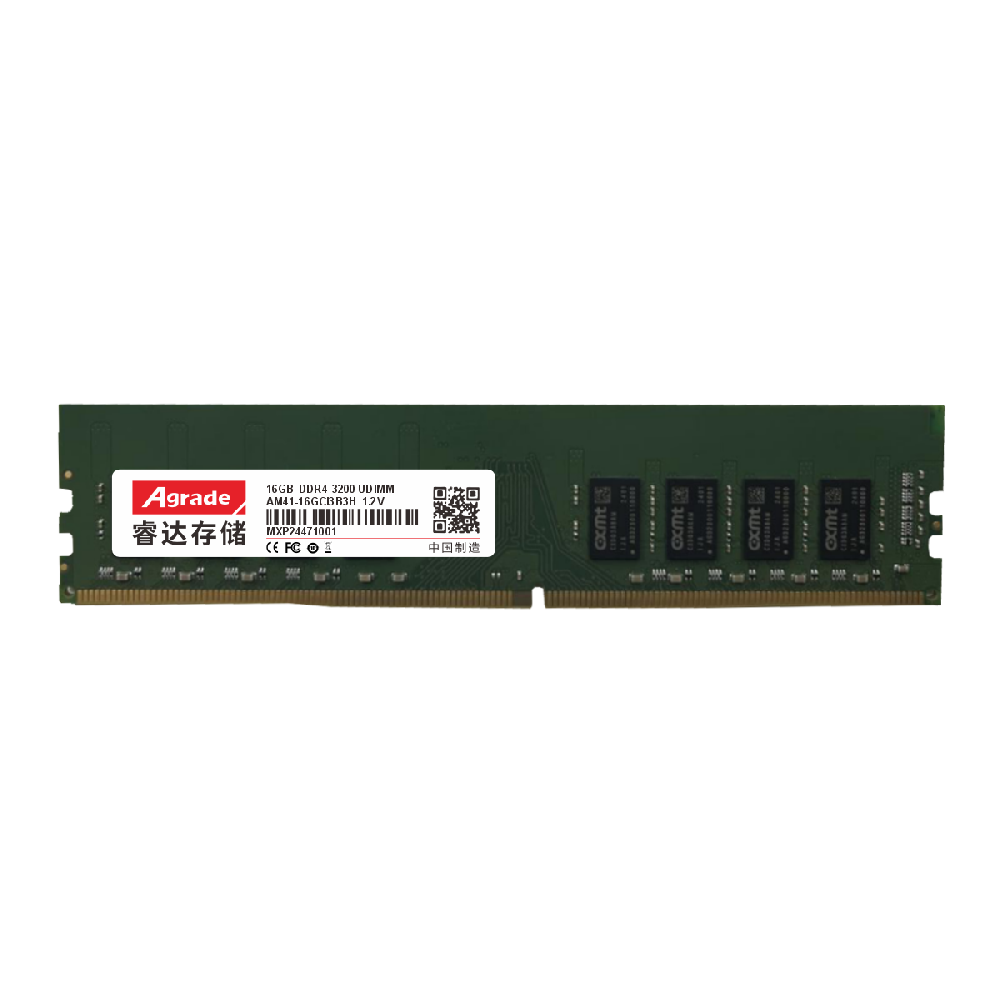
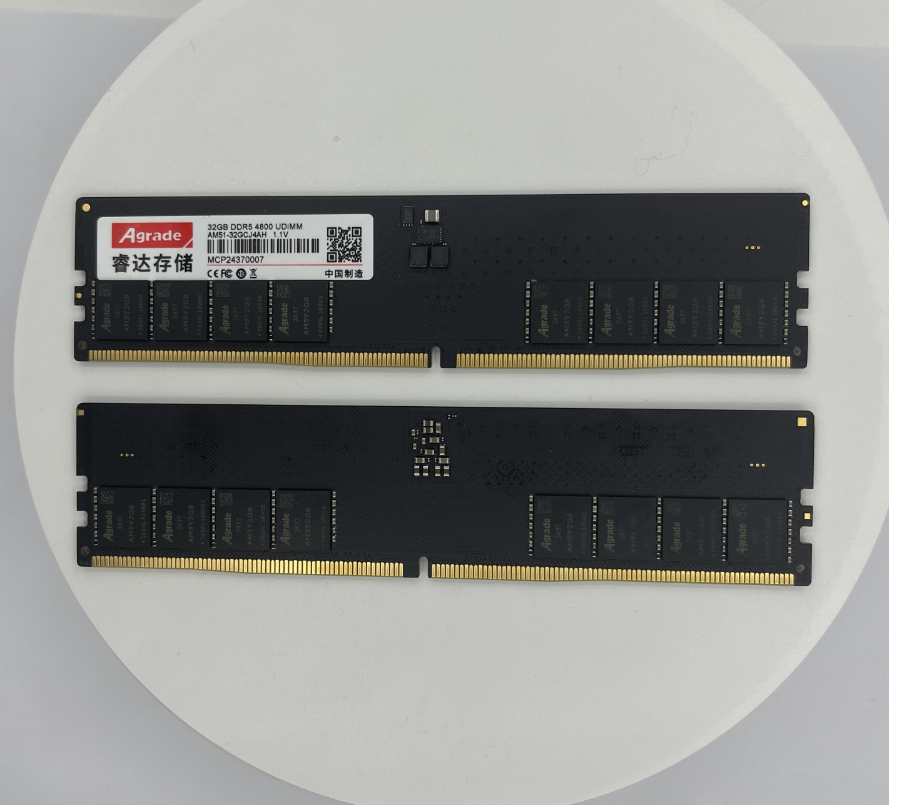
Packaging technology is a crucial aspect that influences the performance, stability, and compatibility of memory modules, and it is also an important field for technological breakthroughs in domestic memory modules. Currently, domestic memory modules primarily utilize FBGA (Fine-pitch Ball Grid Array packaging) technology and are actively exploring advanced packaging processes such as TSV (Through-Silicon Via). Understanding the working principles of these packaging technologies can assist users in making more informed choices when selecting memory module products.
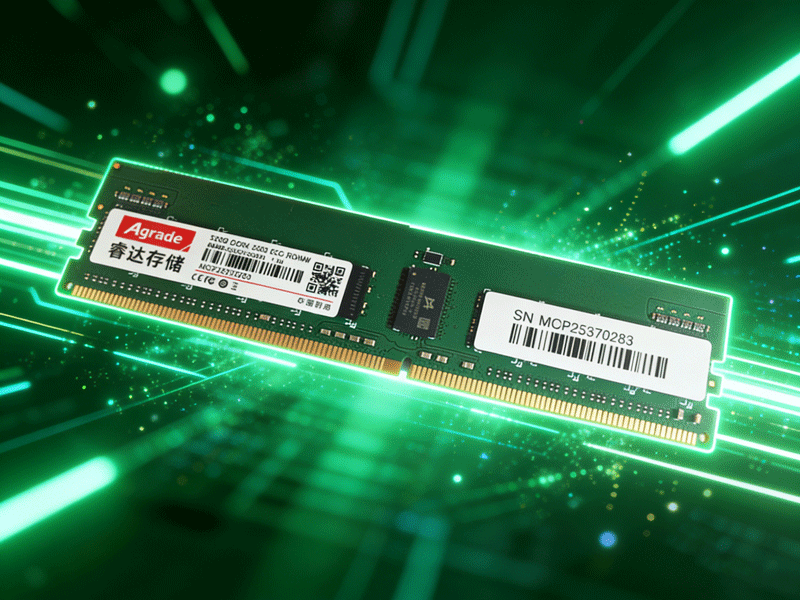
FBGA packaging is the mainstream packaging form for current DDR3, DDR4, and DDR5 memory. Its core advantage lies in high pin density and excellent signal integrity. Compared to the earlier TSOP (Thin Small Outline Package), FBGA packaging distributes pins in a solder ball array at the bottom of the chip, significantly increasing the number of pins. For example, DDR4 memory adopts a 284-pin design, while DDR5 increases it to 288 pins. This design not only enhances chip integration but also reduces signal transmission distance and interference, enabling the memory to stably support higher frequencies. This is also an important guarantee for domestic DDR5 to achieve a speed of 8000Mbps.
TSV (Through-Silicon Via) advanced packaging technology is a crucial direction for domestic memory modules to break into the high-end market. TSV technology achieves vertical interconnection between different chip layers by creating tiny vias on silicon wafers, essentially building a "three-dimensional transportation network" for chips. This technology significantly enhances chip integration and data transmission speed, serving as the core support for implementing 3D stacked storage. Currently, Changxin Memory has planned to apply TSV technology to the research and development of HBM (High-Bandwidth Memory) products. The mass-produced HBM3 samples in the future will leverage TSV technology to achieve higher bandwidth, meeting the demands of high-end scenarios such as AI and supercomputing.
The key to the maturity of domestic packaging technology. Early domestic memory modules relied on imported packaging equipment, but now partial localization of FBGA packaging equipment has been achieved, and the packaging yield has reached the international advanced level. The autonomy and controllability of packaging technology not only reduce production costs but also enable customized optimization based on the characteristics of domestic chips, further enhancing product performance. With the deployment of advanced packaging technologies such as TSV, domestic memory modules will gradually break the international monopoly in the high-end market.

-
Products
Advantages
-
Solutions
-
News
About us
-
Contact us
Tel:+86 19926658803
Whatsapp:+86 19926658803
lianle1210@163.com
Address: 30CF, Caihong Building, Caihong Road, Futian District, Shenzhen City, Guangdong Province, China


Friendly Links:
