














News


 电商部
电商部  2026-01-04 16:04:58
 Technical Analysis of Compatibility between Domestic Memory Modules and Motherboards: How to Avoid C
Technical Analysis of Compatibility between Domestic Memory Modules and Motherboards: How to Avoid Compatibility Issues
The compatibility of memory modules with motherboards is one of the most concerned issues for users when assembling their computers, as it directly affects the normal operation of the equipment. With the technological iteration and market penetration of domestic memory modules, compatibility issues have been significantly improved, but some users still encounter compatibility challenges. A deep understanding of the technical principles of compatibility between domestic memory modules and motherboards can help users effectively avoid compatibility difficulties.
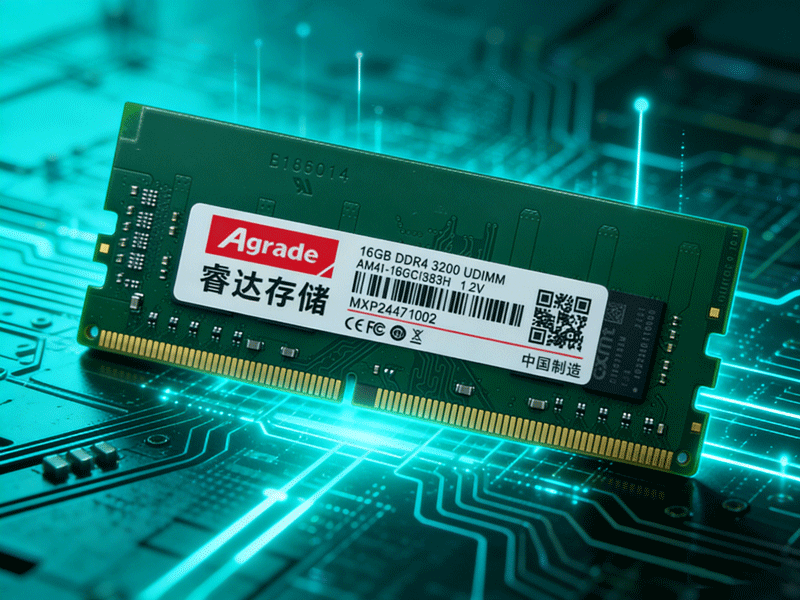
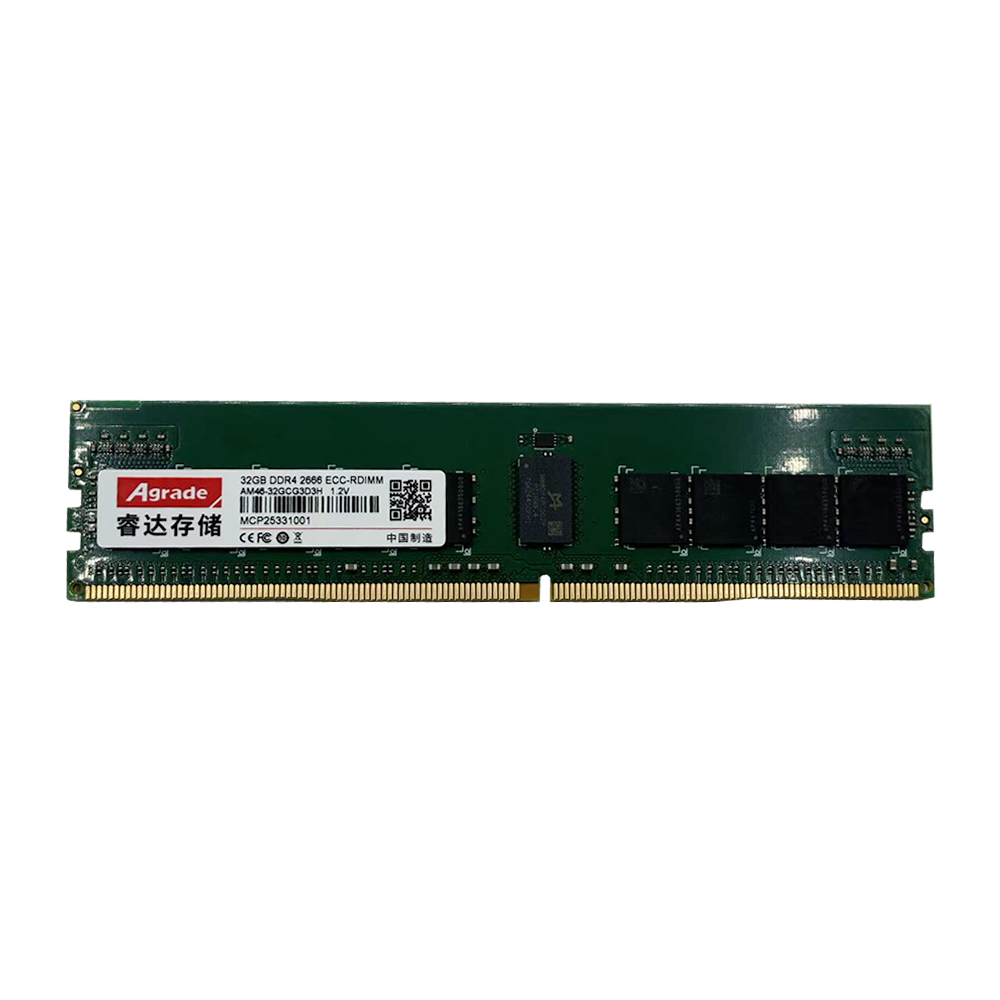
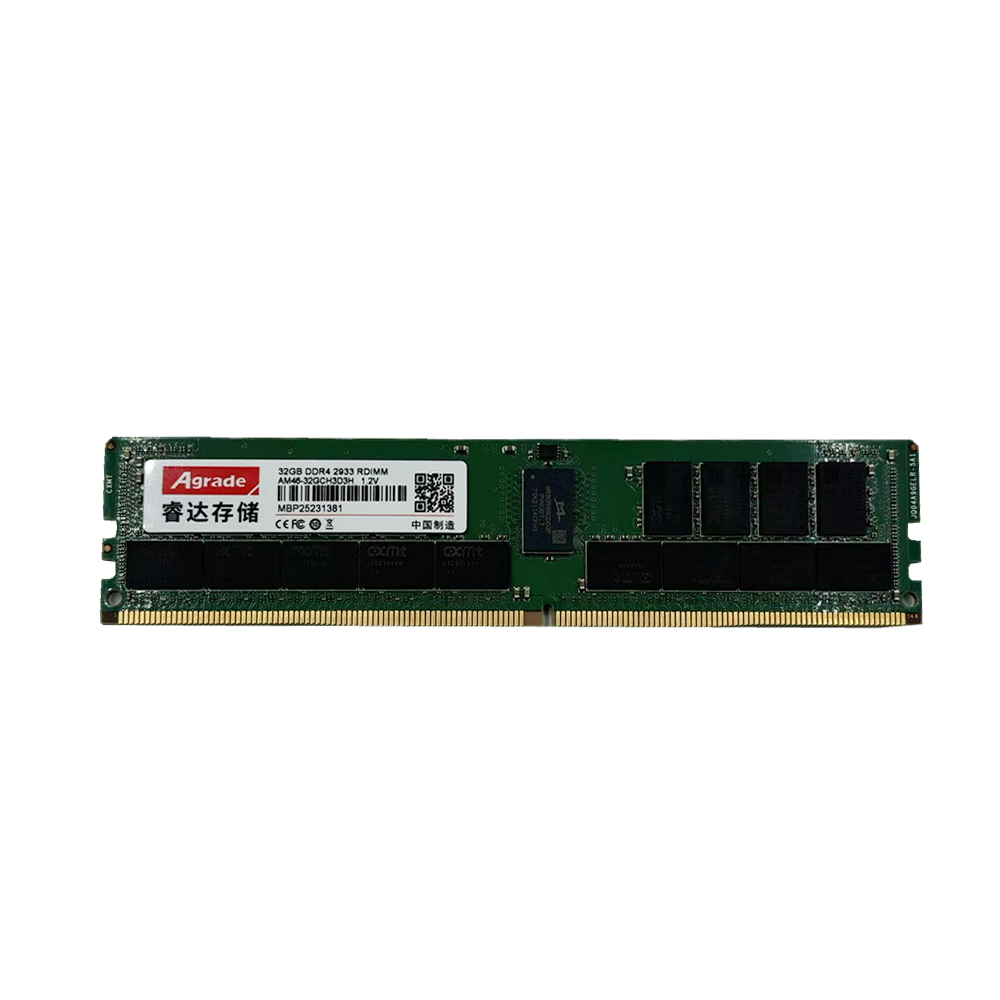
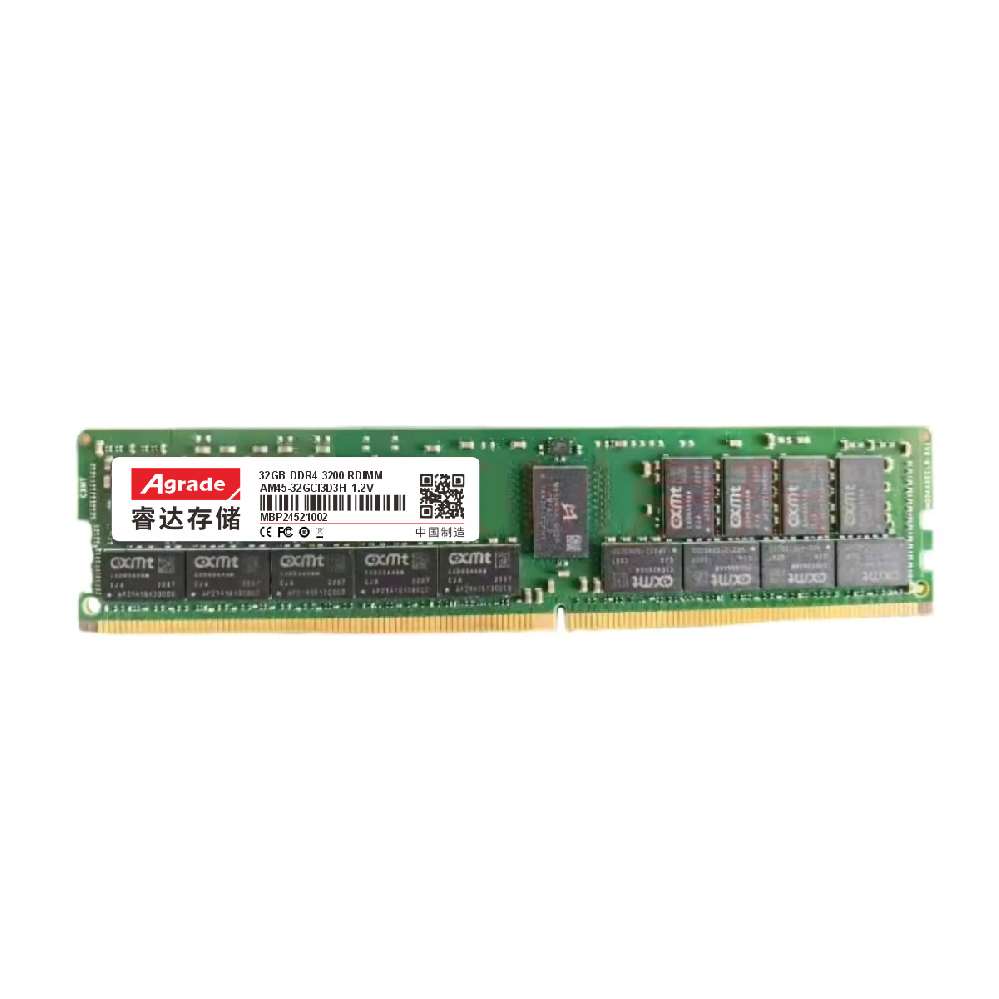
The compatibility core of memory and motherboard lies in physical interfaces and protocol support. From the perspective of physical interfaces, different generations of memory adopt different pin designs and fool-proof notch positions. For example, DDR4 has 284 pins with the notch positioned to the right, while DDR5 has 288 pins with the notch positioned to the left. Due to physical interface incompatibility, mixed insertion is not possible. Domestic memory modules strictly follow the JEDEC standard design and are fully compatible with international standards in terms of physical interfaces. As long as the motherboard supports the corresponding memory specification, it can be installed normally.
Protocol support is the key to compatibility. The memory controller of the motherboard needs to support the protocol parameters such as the speed and voltage of the corresponding memory. Early memory controllers of some old motherboards were not optimized for domestic memory chips, which may lead to issues such as unrecognition or unstable operation. To address this issue, domestic memory manufacturers have conducted in-depth cooperation with motherboard manufacturers to optimize compatibility through BIOS upgrades. When purchasing domestic memory modules, users can log in to the official website of the motherboard to check the compatibility list, or contact the seller to obtain the corresponding BIOS upgrade file.
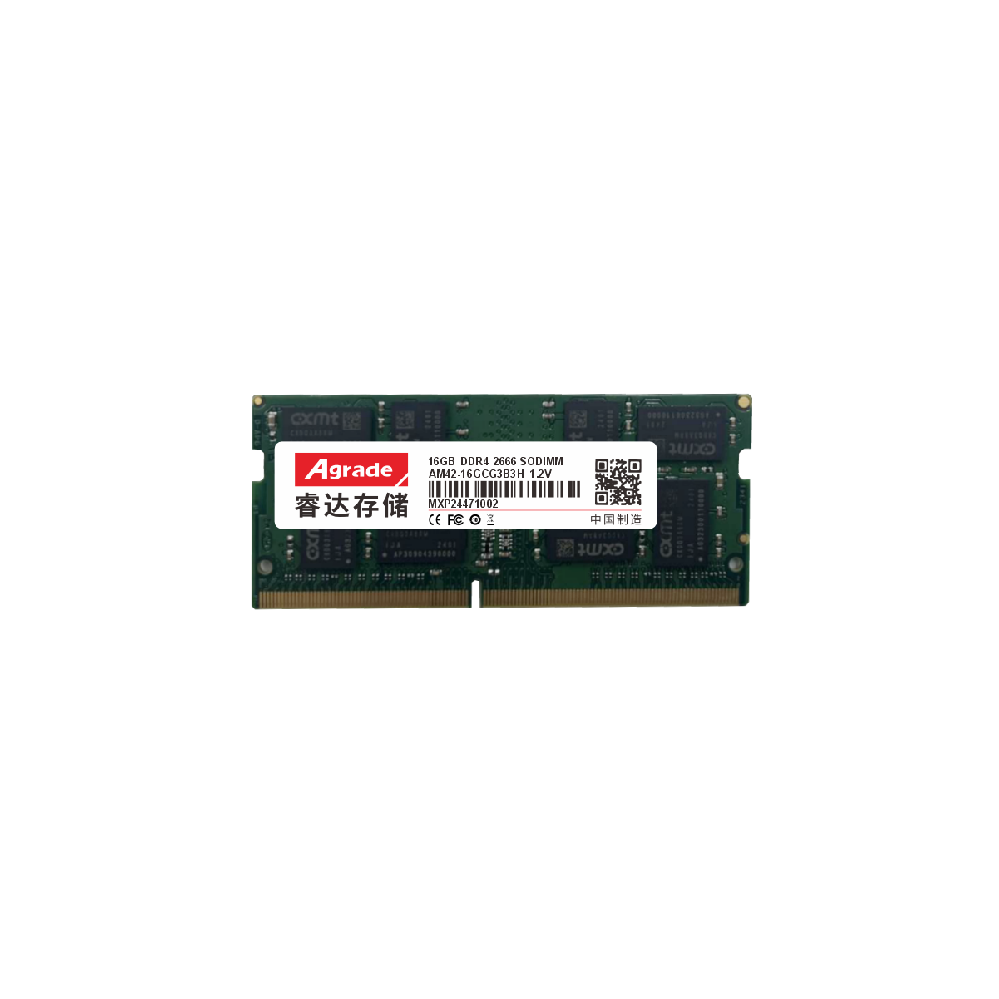
The considerations for compatibility vary across different scenarios. In the consumer desktop market, mainstream motherboards (such as Intel 12th generation and above, AMD Zen4 and above platforms) have achieved high compatibility with domestic DDR5 memory. Due to the special packaging format of laptops (mostly SODIMM), it is recommended to choose domestic LPDDR5 memory explicitly marked as compatible with laptops. For server platforms, it is necessary to select domestic memory with specialized specifications such as RDIMM, and confirm its compatibility with the server motherboard. In addition, for overclocking scenarios, it is recommended to choose domestic memory modules that support XMP3.0 technology, which allows stable operation through one-click overclocking.

-
Products
Advantages
-
Solutions
-
News
About us
-
Contact us
Tel:+86 19926658803
Whatsapp:+86 19926658803
lianle1210@163.com
Address: 30CF, Caihong Building, Caihong Road, Futian District, Shenzhen City, Guangdong Province, China


Friendly Links:
