












News


 Agrade Storage Editorial Team
  2026-05-23 16:24:34
 CompactFlash in 2025: Why Industrial CF Cards Are Still Relevant for Legacy & Rugged Systems
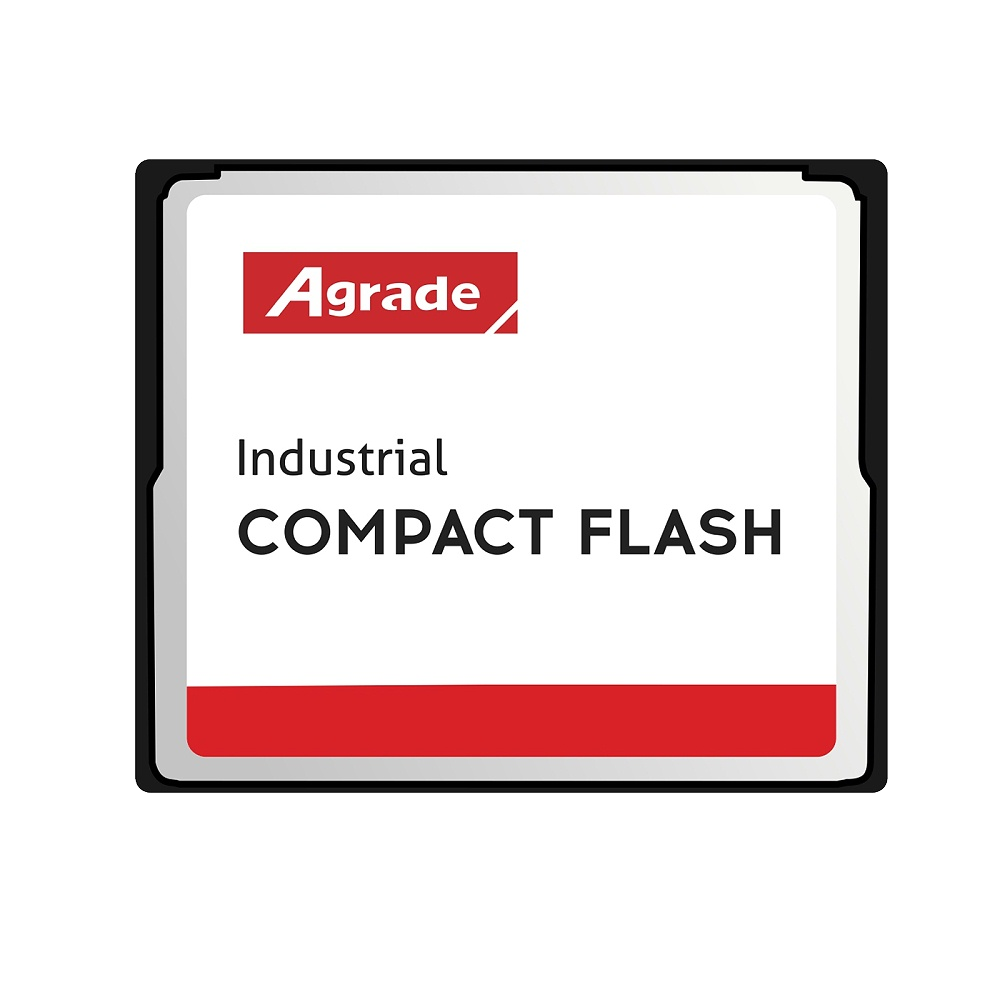
In an era dominated by NVMe SSDs and cloud storage, it might seem surprising that a 30-year-old memory card format still holds its ground. Yet CompactFlash (CF) cards remain a critical component in many industrial and embedded applications. As we move through 2025, the demand for industrial CF cards has not vanished; instead, it has evolved. This article explores why CompactFlash is still relevant, how it compares to modern alternatives, and how Agrade Storage continues to support this enduring standard with high-quality industrial storage solutions.
The Enduring Legacy of CompactFlash in Industrial Storage
CompactFlash was introduced in 1994 by SanDisk, designed as a rugged, high-capacity storage medium for portable devices. While consumer markets have largely moved to SD, microSD, and CFast cards, industrial sectors have been slower to transition. The reason is simple: equipment with a lifespan of 10 to 20 years, such as medical imaging systems, CNC machines, avionics, and telecom infrastructure, was originally designed with CompactFlash interfaces. Replacing these systems is cost-prohibitive, so industrial storage must continue to support CF cards.
In 2025, many factories, hospitals, and military installations still rely on CompactFlash for data logging, firmware updates, and boot drives. The format’s pin-and-frame connector provides a more robust physical connection than the edge connectors of SD cards, making it ideal for high-vibration environments. Agrade Storage recognizes this continued need and manufactures industrial CF cards that meet the strict reliability standards of these legacy applications.
Technical Specifications: Why CF Cards Still Compete
Parallel ATA Interface and True IDE Mode
CompactFlash cards operate using a parallel ATA (PATA) interface, identical to that of older hard drives. This allows them to be used as direct replacements for 1.8-inch or 2.5-inch PATA drives in embedded systems. Many industrial motherboards offer a CompactFlash slot that maps directly to the primary IDE channel, enabling the card to serve as a bootable system drive. In 2025, this backward compatibility is invaluable.
Capacity and Performance in 2025
Modern industrial CF cards adhere to the CF6.0 specification, supporting capacities up to 128GB or even 256GB using advanced NAND flash. While this seems modest compared to consumer SSDs, it is more than sufficient for operating systems, control software, and logs. Transfer speeds typically reach up to 120 MB/s read and 100 MB/s write, which is adequate for real-time industrial control tasks. Agrade Storage’s industrial CF cards use SLC (Single-Level Cell) or pSLC (pseudo-SLC) NAND to ensure endurance and data retention over a wide temperature range (-40C to +85C).
Power Consumption and Shock Resistance
Industrial CF cards consume very little power (typically under 0.5W active), making them suitable for battery-backed or remote equipment. They also withstand shock up to 1500G and vibration up to 20G, thanks to their solid-state design and rugged casing. These characteristics make CF cards a preferred choice for portable diagnostic tools, field data loggers, and aerospace applications.
Practical Applications of CompactFlash in 2025
Medical Imaging and Diagnostics
Hospitals and clinics still operate legacy MRI, CT, and ultrasound machines that use CompactFlash as the primary storage medium. These machines store patient scans and system software on CF cards. Replacing the entire imaging system would require regulatory re-certification and massive capital expenditure. Instead, maintenance teams use high-endurance industrial CF cards from Agrade Storage to extend the life of these devices. The cards’ error correction code (ECC) and wear-leveling algorithms ensure data integrity over years of daily use.
Industrial Automation and CNC Machining
Programmable logic controllers (PLCs) and CNC machines often incorporate CompactFlash slots for program storage and firmware updates. In a 24/7 production environment, the card must handle continuous writes without failure. Agrade Storage’s industrial CF cards are designed with a high program/erase cycle rating, often exceeding 60,000 P/E cycles for SLC variants. This reliability prevents costly downtime on the factory floor.
Avionics and Defense Systems
Military aircraft, radar systems, and ground control stations frequently use CompactFlash for mission-critical data storage. The cards must operate at extreme altitudes and temperatures while resisting electromagnetic interference. Industrial CF cards are built with conformal coating options and soldered connectors to meet MIL-STD-810G requirements. In 2025, defense contractors continue to specify CompactFlash for its proven track record in harsh environments.
CompactFlash vs. CFast: Understanding the Difference
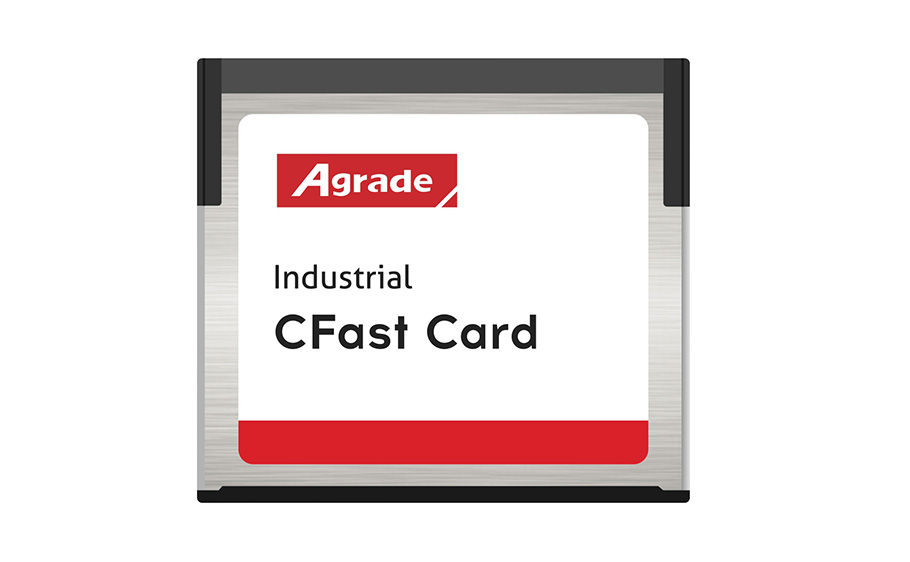
A common point of confusion is the difference between CompactFlash (CF) and CFast. CFast cards use a SATA interface instead of PATA, allowing higher speeds (up to 600 MB/s). However, CFast is not backward compatible with CompactFlash slots. Many industrial users mistakenly purchase CFast cards thinking they are an upgrade, only to find they do not fit. For legacy equipment, only true CompactFlash cards (CF Type I or Type II) will work. Agrade Storage offers both CF and CFast lines, but we always advise customers to verify their system’s interface before purchasing.
The Role of Agrade Storage in the 2025 CF Market
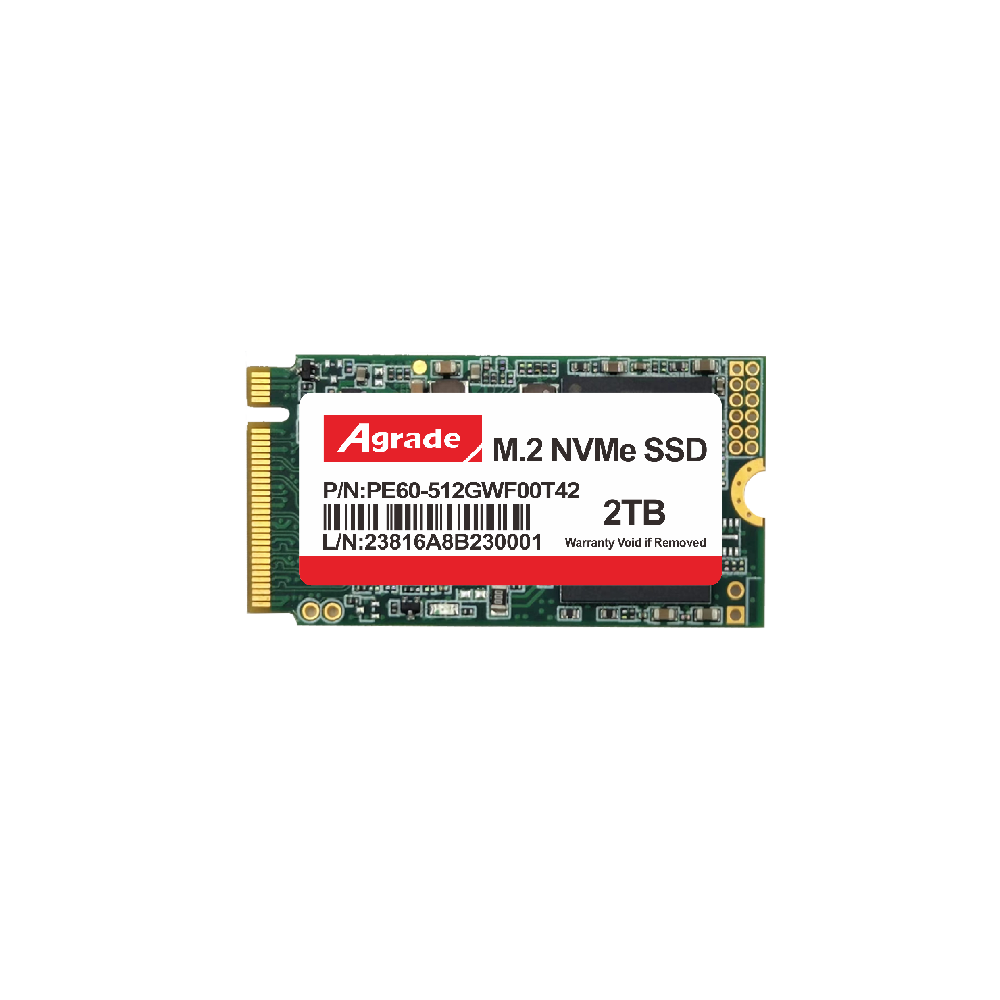
As a professional industrial storage company, Agrade Storage understands that one size does not fit all. While we also manufacture advanced industrial SSDs in M.2, mSATA, and U.2 form factors, we maintain a full product line of CompactFlash cards. Our CF series features:
- SLC, pSLC, and industrial-grade MLC NAND options
- Fixed and dynamic wear-leveling algorithms
- Built-in ECC up to 72 bits per 1KB
- Custom firmware for specific host systems
- Extended temperature support (-40C to +85C)
- Low power consumption (standby: <0.3W)
We also provide lifecycle management services to ensure that our customers can source the same CF card model for 5 to 10 years, which is critical for regulated industries. Agrade Storage bridges the gap between cutting-edge industrial SSD technology and the need for reliable legacy storage solutions.
Future Outlook: Will CompactFlash Disappear?
While CF card production has declined among consumer-oriented manufacturers, industrial storage providers like Agrade Storage continue to invest in the format. The global market for industrial CF cards is expected to remain stable through 2030, driven by the installed base of medical, automation, and defense equipment. However, we advise customers to plan for eventual migration to SATA-based industrial SSDs or CFast where possible, as NAND flash manufacturers gradually phase out PATA controller support. Agrade Storage offers migration guides and adapter solutions to ease this transition without disrupting operations.
Conclusion: CompactFlash Still Has a Place in Industrial Storage
CompactFlash in 2025 is not a relic; it is a proven, reliable storage medium for applications where stability, ruggedness, and backward compatibility are paramount. While the industry moves forward with NVMe and PCIe Gen5, the need to support legacy equipment ensures that CF cards remain relevant. Agrade Storage is committed to providing high-quality industrial CF cards alongside our modern industrial SSD lineup, ensuring that no matter your storage needs—old or new—you have a trusted partner. If your operation still relies on CompactFlash, contact Agrade Storage today to find the right industrial storage solution for your application.

-
Products
Advantages
-
Solutions
-
News
About us
-
Contact us
Tel:+86 19926658803
Whatsapp:+86 19926658803
lianle1210@163.com
Address: 30CF, Caihong Building, Caihong Road, Futian District, Shenzhen City, Guangdong Province, China


Friendly Links:
