












News


 Agrade Storage Editorial Team
  2026-05-24 16:18:09
 GJB 150 Compliance for Military Storage Devices in China: A Guide
When it comes to military operations in China, the reliability of storage devices is not optional—it is a strategic requirement. The GJB 150 standard, officially known as the Chinese military standard for environmental testing, sets the benchmark for equipment that must survive extreme conditions. For industrial storage solutions, particularly industrial SSDs, compliance with GJB 150 is essential for mission-critical applications. This article provides a comprehensive overview of GJB 150 compliance for military storage devices in China, detailing technical requirements, practical applications, and how Agrade Storage delivers rugged, compliant solutions.
What is GJB 150 Compliance?
GJB 150 is a series of Chinese military standards that define environmental test methods for equipment used by the People's Liberation Army (PLA). It is analogous to the U.S. MIL-STD-810 standard. Compliance with GJB 150 ensures that storage devices can withstand harsh conditions such as high and low temperatures, humidity, vibration, shock, and salt fog. For industrial storage devices like SSDs, this compliance is critical because data integrity must be maintained even when the device is subjected to extreme physical and environmental stress.
Key Environmental Tests Under GJB 150
- High Temperature (GJB 150.3): Devices must operate reliably at temperatures up to 70°C and survive storage at higher extremes.
- Low Temperature (GJB 150.4): Storage and operation at temperatures as low as -40°C are tested to ensure no data loss or mechanical failure.
- Temperature Shock (GJB 150.5): Rapid temperature changes simulate real-world conditions like moving from a heated vehicle to a freezing environment.
- Vibration (GJB 150.16): Random and sinusoidal vibration tests replicate the stresses of transportation and vehicle-mounted operations.
- Shock (GJB 150.18): Devices must survive impacts from drops, collisions, or explosions without data corruption.
- Humidity (GJB 150.9): Tests for resistance to moisture, condensation, and corrosion in high-humidity environments.
- Salt Fog (GJB 150.11): Ensures resistance to corrosion in coastal or maritime military applications.
Why GJB 150 Matters for Military Storage Devices
Military storage devices, such as industrial SSDs, are deployed in a wide range of demanding environments—from tanks and aircraft to naval vessels and portable command centers. A standard commercial SSD can fail under extreme vibration or temperature, leading to mission-critical data loss. GJB 150 compliance guarantees that the storage device has been rigorously tested to maintain performance and data integrity. For China's defense sector, this compliance is often a mandatory requirement for procurement, making it a key differentiator for suppliers like Agrade Storage.
Technical Specifications for Compliant Industrial SSDs
To achieve GJB 150 compliance, industrial SSDs must incorporate specific design features. These include:
- Wide Temperature Range Components: Industrial-grade NAND flash and controllers rated for -40°C to 85°C.
- Conformal Coating: A protective layer that shields the PCB from moisture, dust, and salt fog.
- Enhanced Shock Absorption: Mounting brackets, potting compounds, or internal dampeners to absorb mechanical shock.
- Error Correction Code (ECC): Advanced ECC algorithms to correct data errors induced by environmental stress.
- Secure Erase and Encryption: Features to protect sensitive military data, often required in addition to environmental testing.
Practical Applications of GJB 150 Compliant Storage
GJB 150 compliant storage devices are used across multiple military and defense applications in China:
Vehicle-Mounted Data Systems
Tanks, armored vehicles, and transport trucks require storage that can handle constant vibration and temperature swings. Industrial SSDs from Agrade Storage, designed to meet GJB 150, ensure that navigation systems, communication logs, and targeting data remain accessible in the field.
Aerospace and Unmanned Aerial Vehicles (UAVs)
UAVs and aircraft experience extreme temperature shifts and high-frequency vibration. GJB 150 compliant SSDs provide the reliability needed for flight data recorders and mission storage. Agrade Storage offers lightweight, high-capacity industrial SSDs that meet these rigorous standards.
Naval and Maritime Operations
Salt fog and high humidity are constant threats on naval vessels. Compliance with GJB 150.11 (salt fog) ensures that storage devices do not corrode or short-circuit, protecting critical data for radar, sonar, and communications systems.
Portable Command Centers
Deployable command posts often operate in harsh outdoor conditions. Rugged industrial storage devices that meet GJB 150 thermal and shock requirements allow military personnel to store and retrieve battlefield data without failure.
How Agrade Storage Ensures GJB 150 Compliance
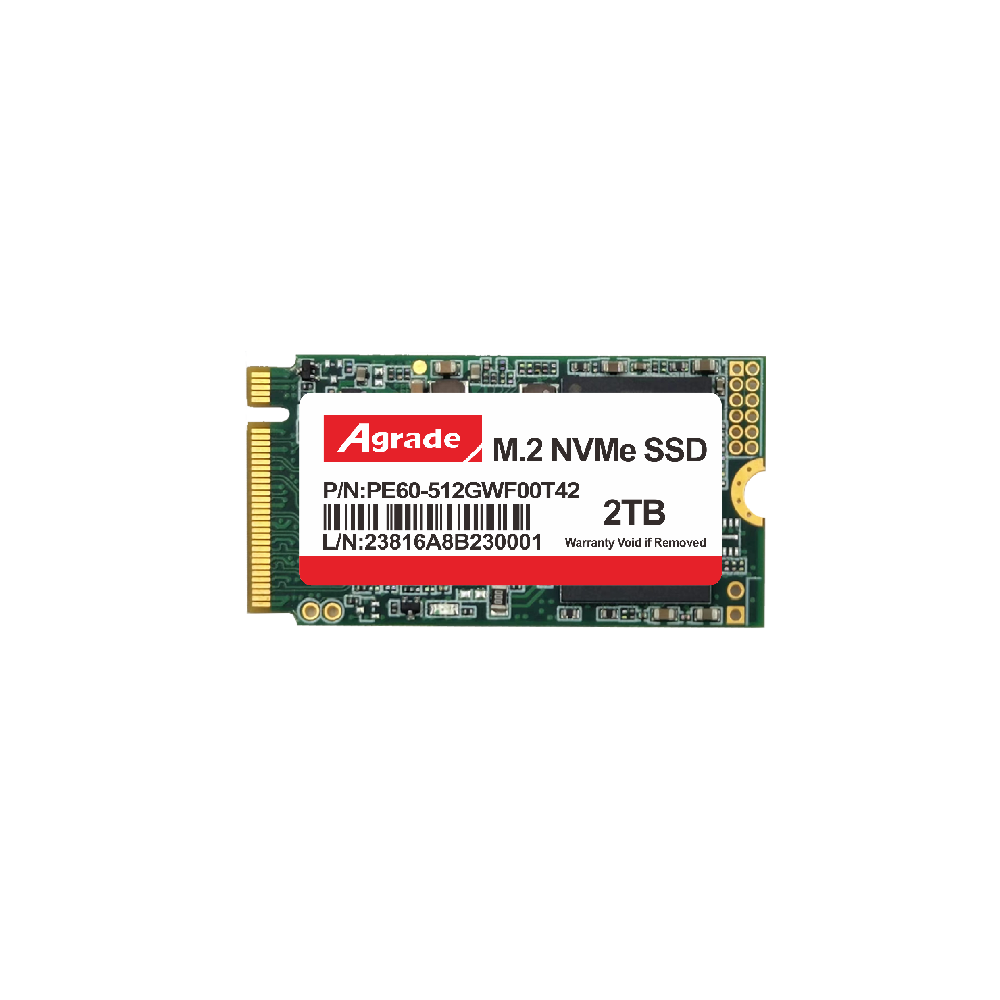
Agrade Storage, a leading provider of industrial storage solutions, specializes in developing industrial SSDs that meet the stringent requirements of GJB 150. Our engineering team works closely with Chinese defense contractors to understand specific test protocols and operational environments. Each industrial SSD undergoes a series of independent laboratory tests simulating the GJB 150 series, including:
- Controlled temperature chambers for high and low limit testing.
- Vibration tables for multi-axis random vibration profiles.
- Drop test rigs for shock compliance.
- Humidity and salt fog chambers for corrosion resistance.
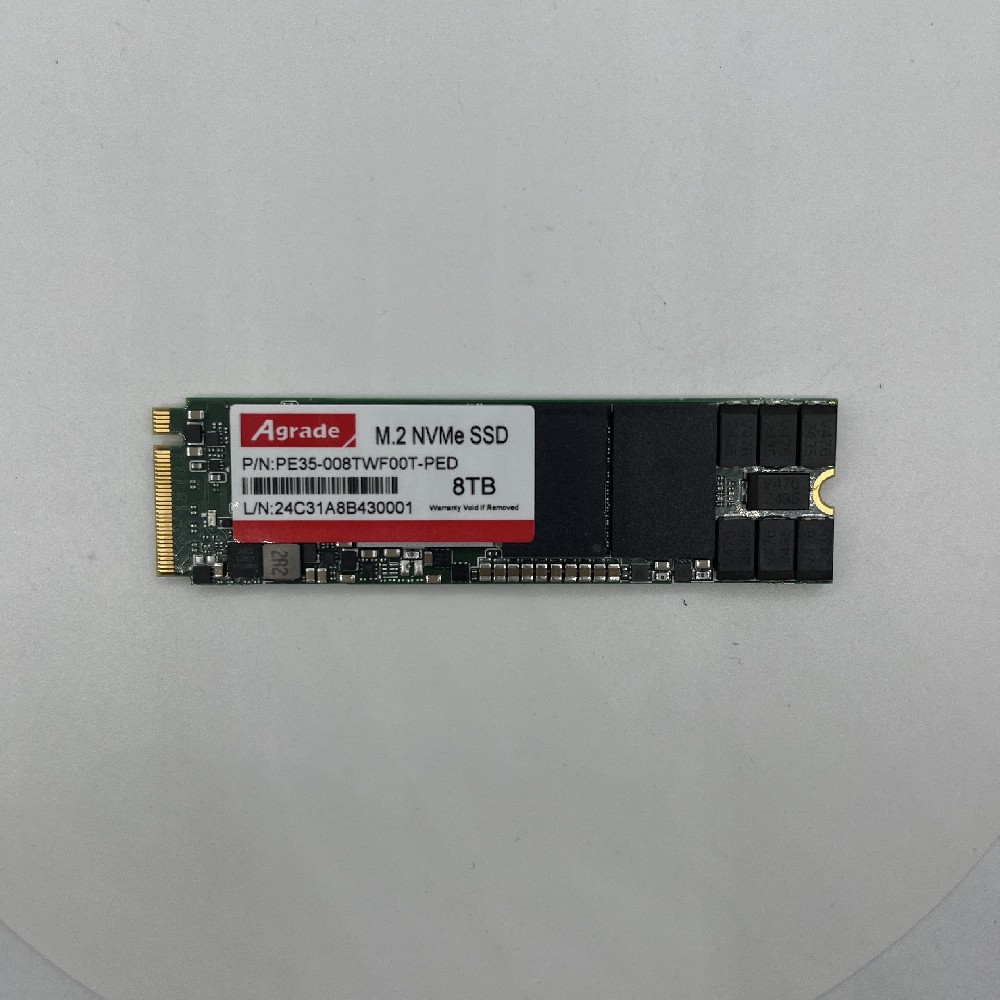
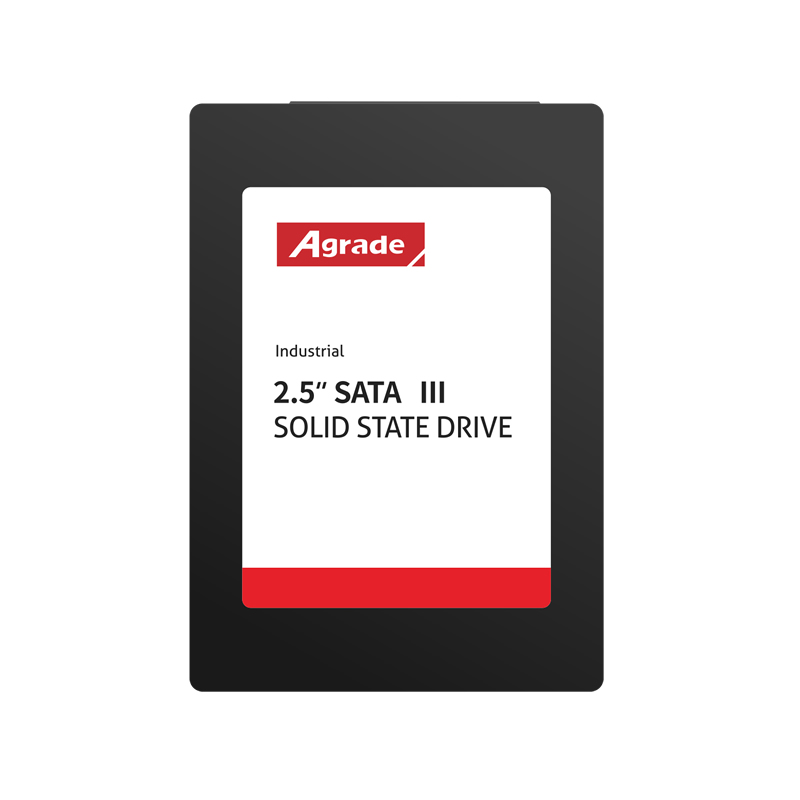
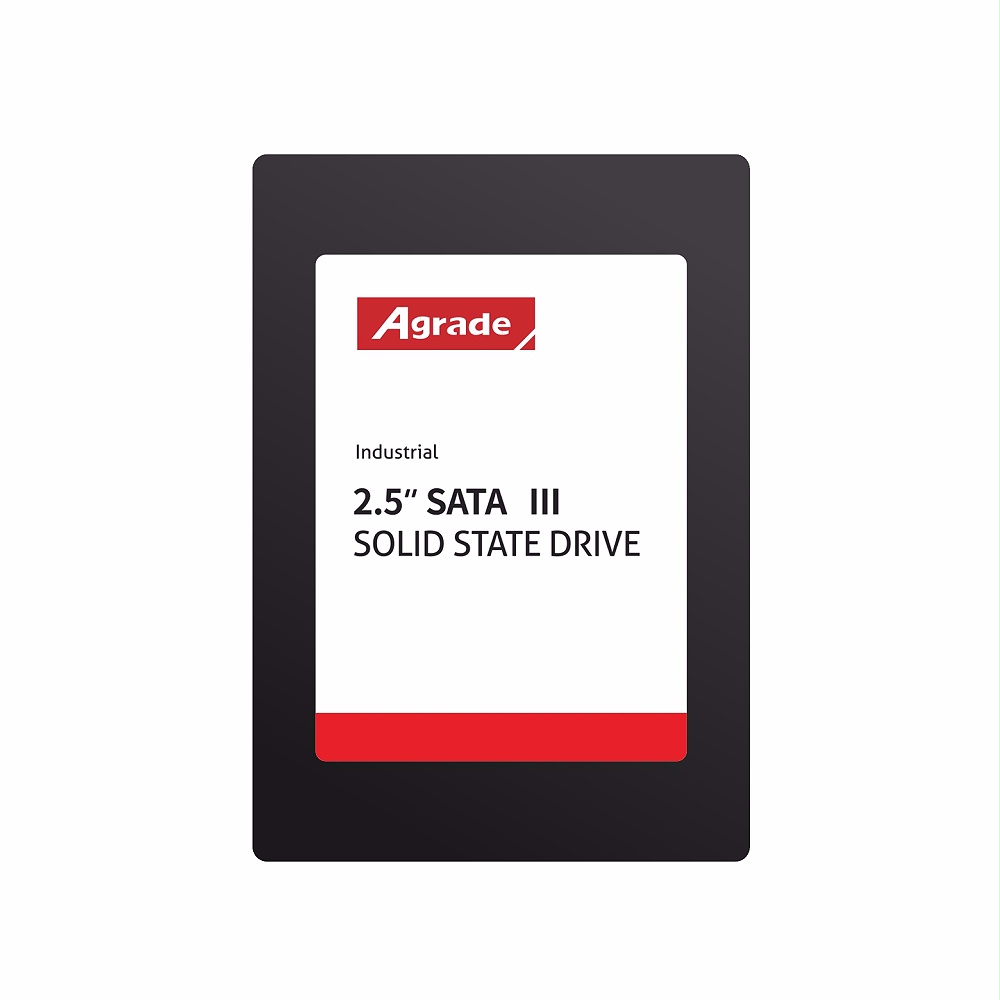
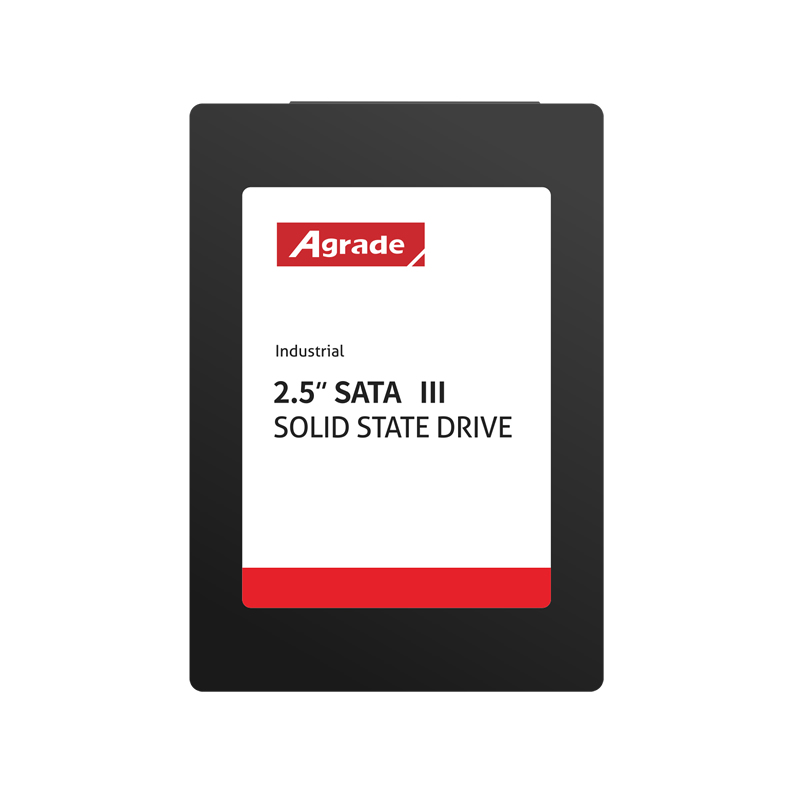
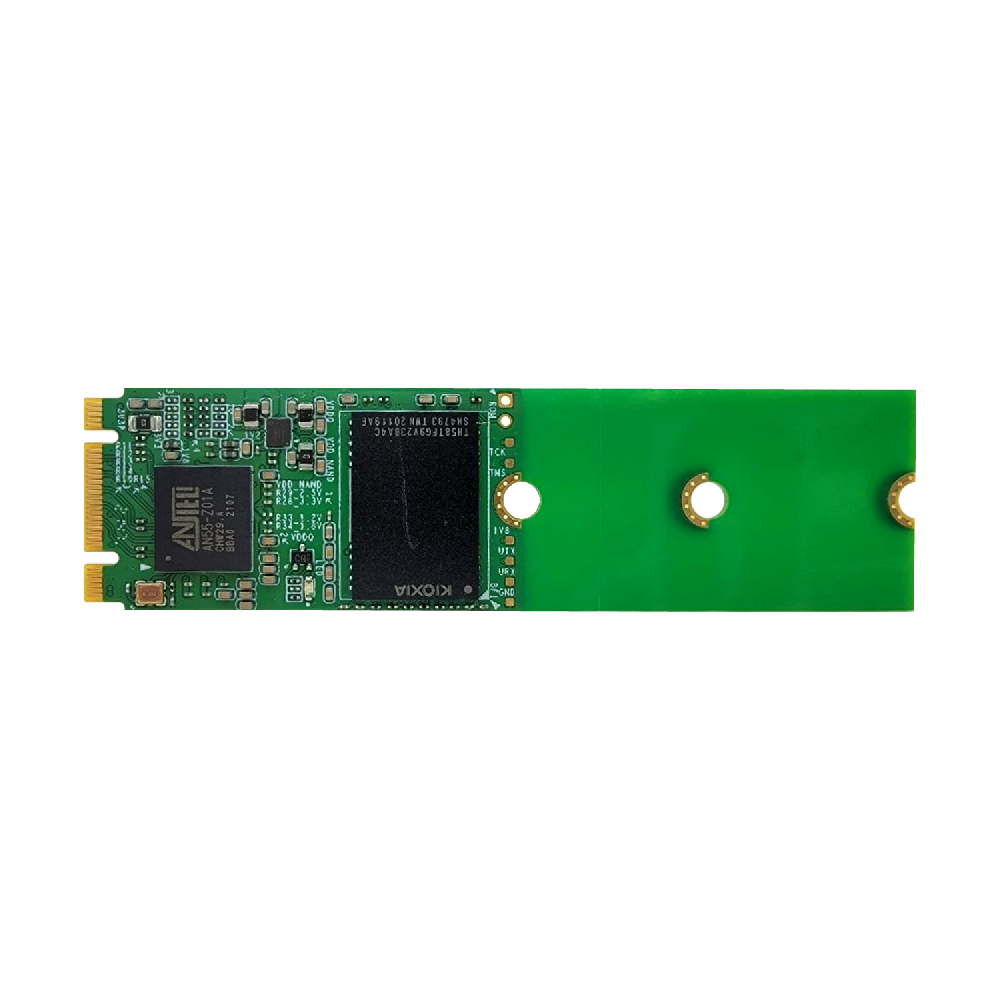
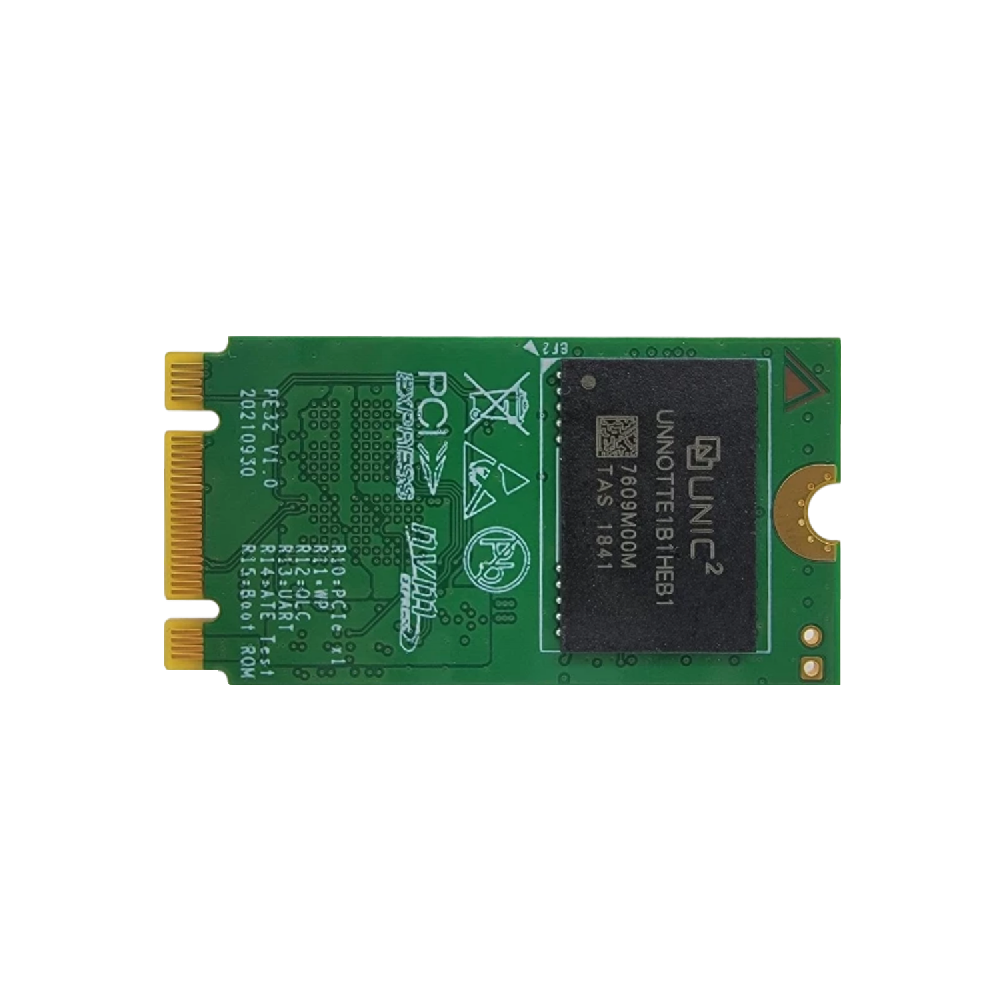
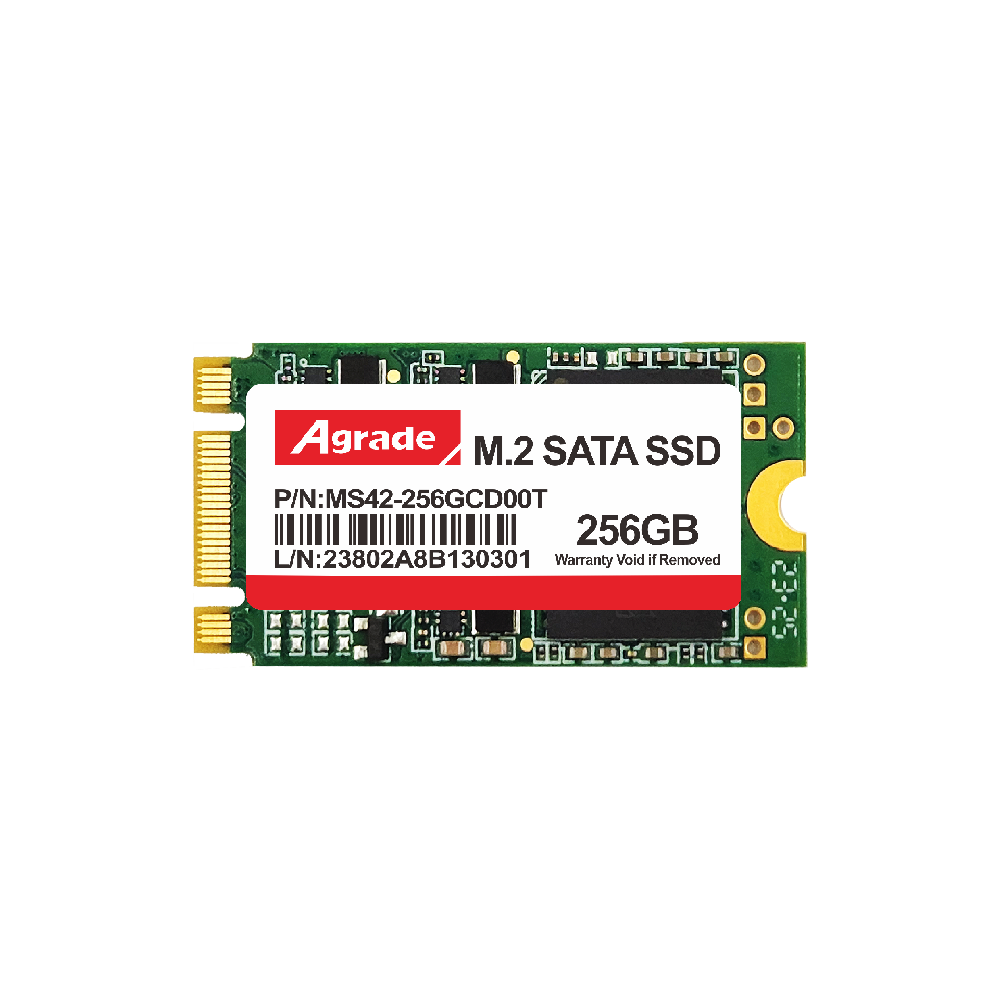
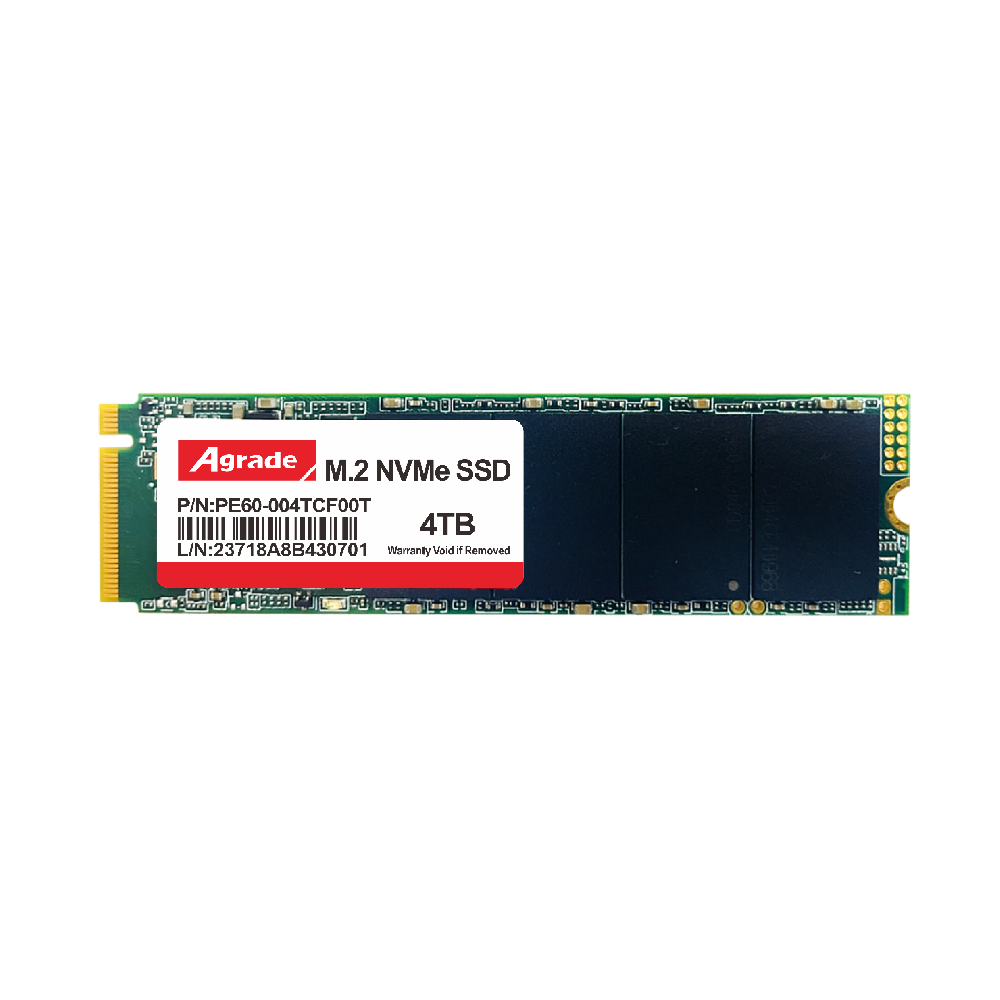
By integrating industrial-grade components and rigorous quality control, Agrade Storage delivers SSDs that not only pass certification but also provide long-term reliability in the field. Our product line includes SATA, NVMe, and PCIe industrial SSDs with capacities ranging from 64GB to 8TB, all designed with GJB 150 compliance in mind.
Choosing the Right Industrial Storage for Military Use
When selecting a storage device for military applications in China, consider the following factors:
- Certification Evidence: Request test reports from a recognized GJB 150 testing facility.
- Operating Temperature Range: Ensure the device supports the specific temperature extremes of your deployment.
- Shock and Vibration Ratings: Look for SSDs with documented performance under GJB 150.16 and 150.18.
- Data Security: Military applications often require features like AES-256 encryption and secure erase.
- Supply Chain Reliability: Choose a partner like Agrade Storage with a proven track record in industrial storage and defense contracts.
Conclusion
GJB 150 compliance is more than a checkbox—it is a critical assurance that military storage devices can perform under the most extreme conditions. For the Chinese defense industry, using compliant industrial SSDs from a trusted provider like Agrade Storage ensures data integrity, operational continuity, and mission success. Whether you need storage for ground vehicles, aircraft, naval vessels, or portable systems, understanding the technical requirements of GJB 150 will help you make an informed decision. Contact Agrade Storage today to discuss your industrial storage needs and find a compliant solution that meets your military specifications.

-
Products
Advantages
-
Solutions
-
News
About us
-
Contact us
Tel:+86 19926658803
Whatsapp:+86 19926658803
lianle1210@163.com
Address: 30CF, Caihong Building, Caihong Road, Futian District, Shenzhen City, Guangdong Province, China


Friendly Links:
