












News


 Agrade Storage Editorial Team
  2026-06-14 16:20:17
 CXL Memory: The Future of Industrial Computing Architecture
Introduction
The landscape of industrial computing is evolving rapidly. As data-intensive applications such as real-time analytics, AI inference, and automated control systems demand ever greater performance, traditional memory and storage architectures are reaching their limits. Enter CXL memory, or Compute Express Link memory, a groundbreaking interconnect technology that promises to redefine how industrial systems access and manage data. For companies like Agrade Storage, which specialize in high-reliability industrial storage solutions, understanding CXL is key to delivering the next generation of performance. This article explores what CXL memory is, how it works, and why it matters for industrial applications.
What is CXL Memory?
CXL stands for Compute Express Link, an open industry standard developed by the CXL Consortium. It is a high-speed, low-latency interconnect that allows CPUs, GPUs, and other accelerators to share memory resources efficiently. CXL memory refers to the use of this standard to create a unified memory pool that can be accessed by multiple processors or devices over a PCIe (Peripheral Component Interconnect Express) interface. Unlike traditional memory architectures where each processor has its own dedicated RAM, CXL enables memory disaggregation, meaning memory can be dynamically allocated where it is needed most.
Key Technical Details
CXL operates over the physical layer of PCIe 5.0 and 6.0, providing bandwidth up to 64 GB/s per lane. It supports three protocols: CXL.io for I/O operations, CXL.cache for caching, and CXL.mem for direct memory access. The CXL.mem protocol is particularly important for industrial computing, as it allows a host processor to access memory attached to an accelerator or external memory controller with coherence, meaning the data is always consistent across the system. This coherence is critical for deterministic operations in industrial environments, such as robotic control or real-time monitoring.
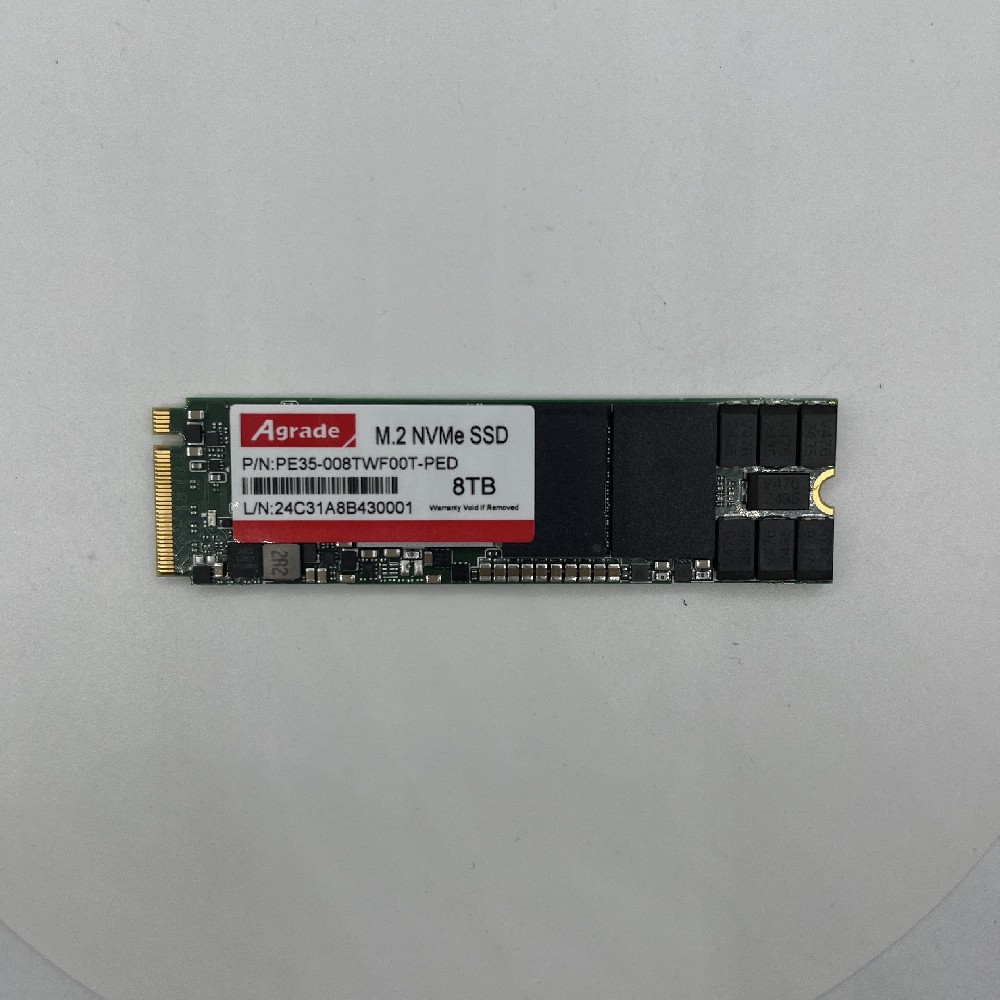
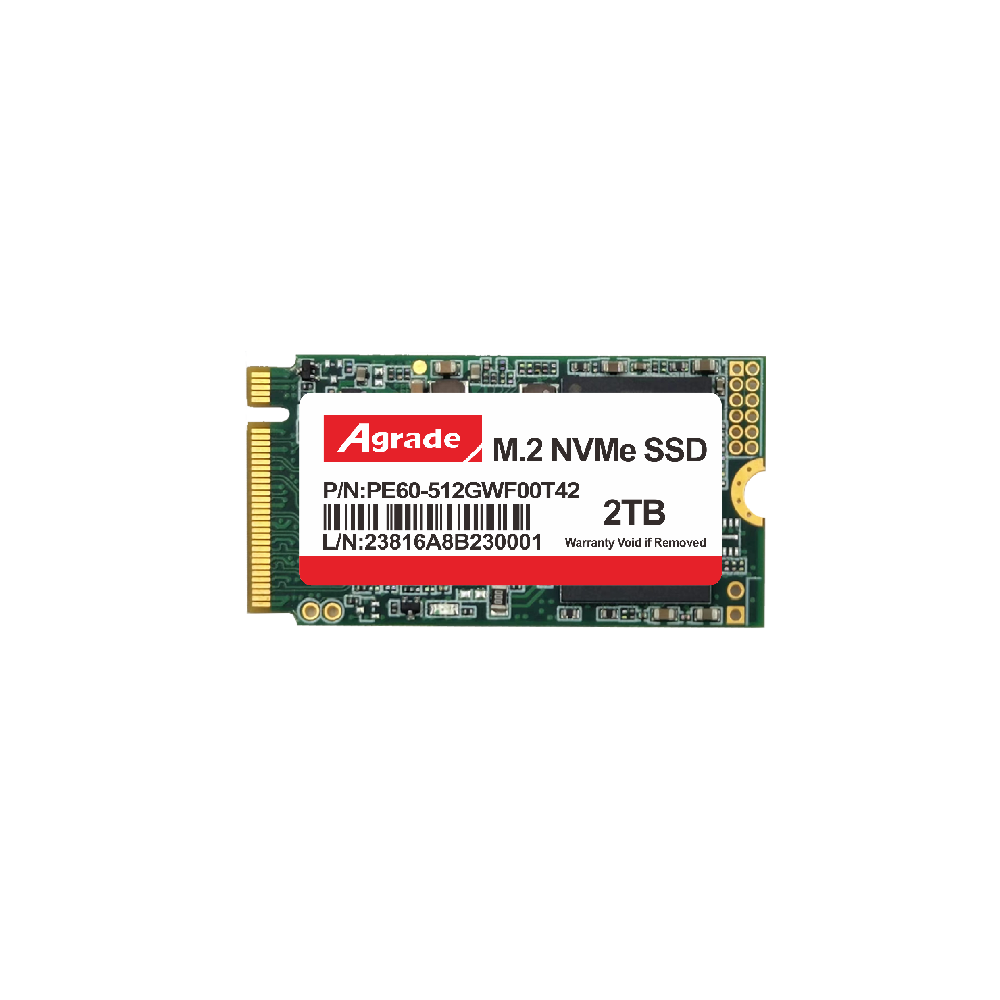
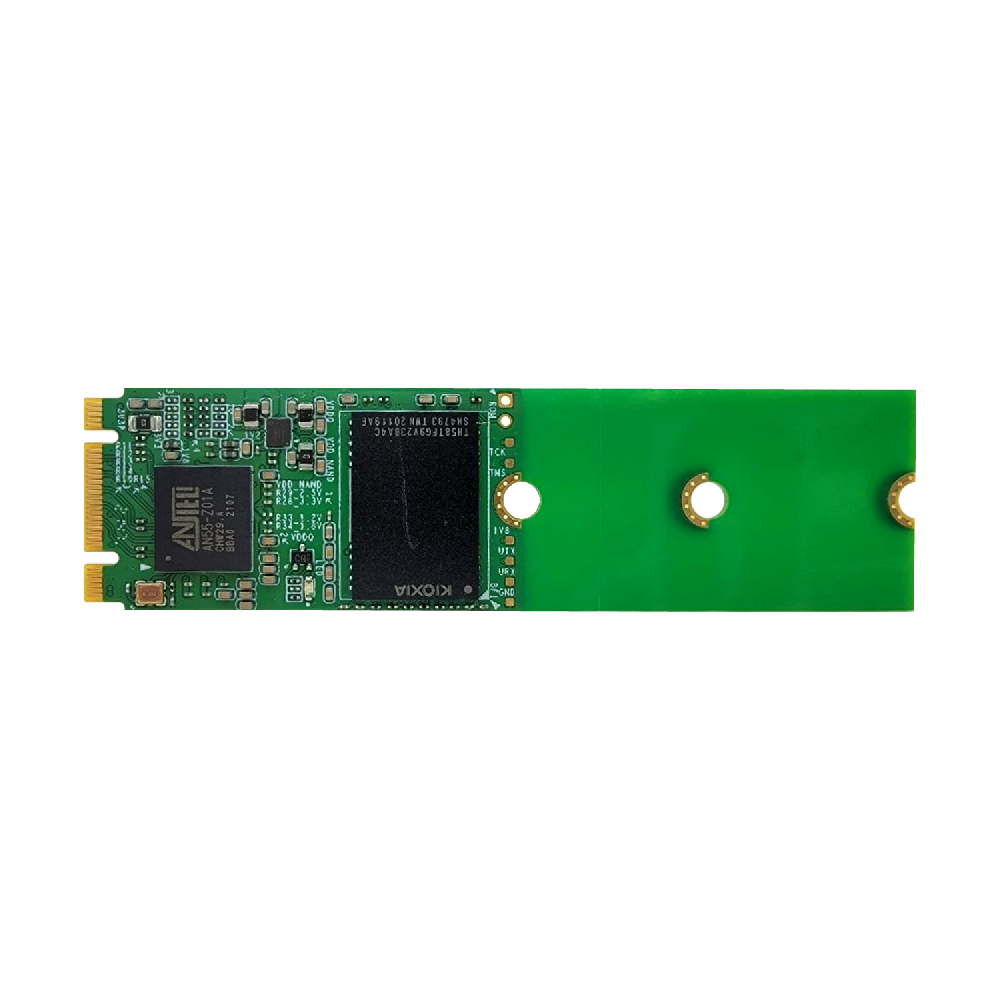
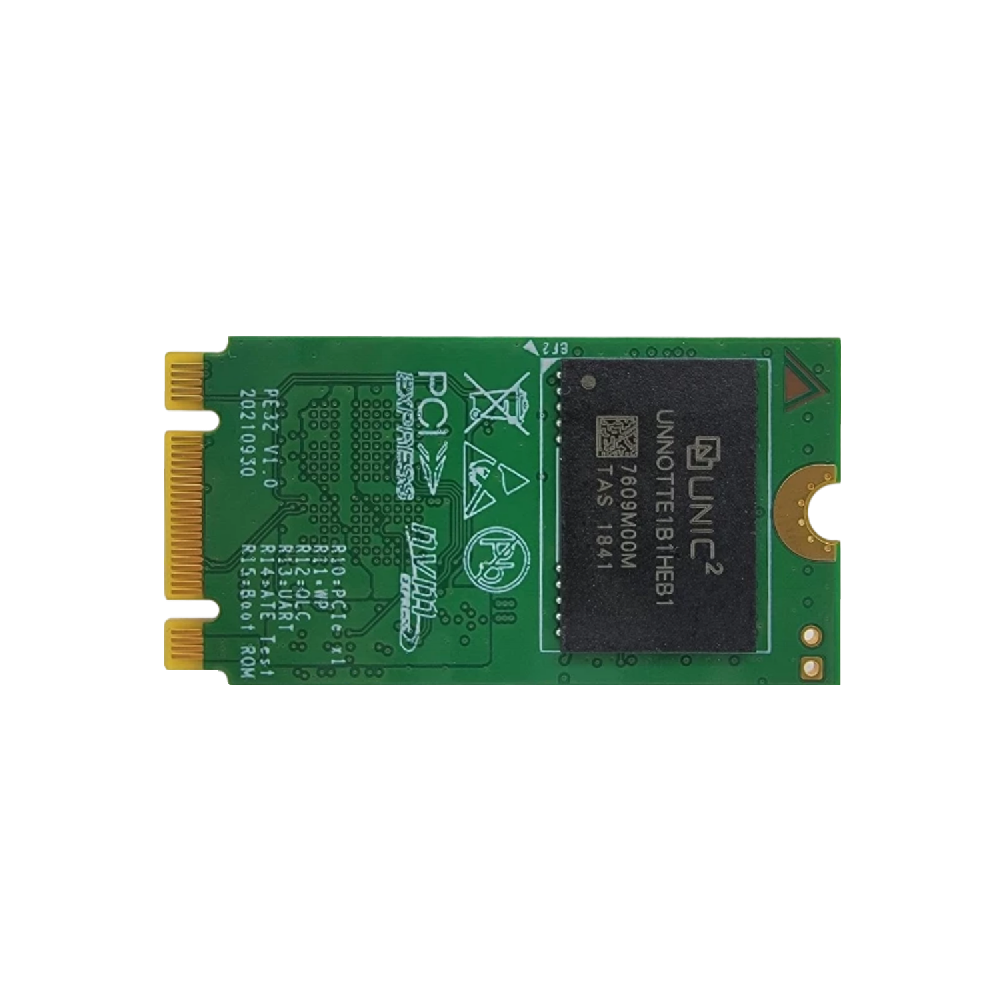
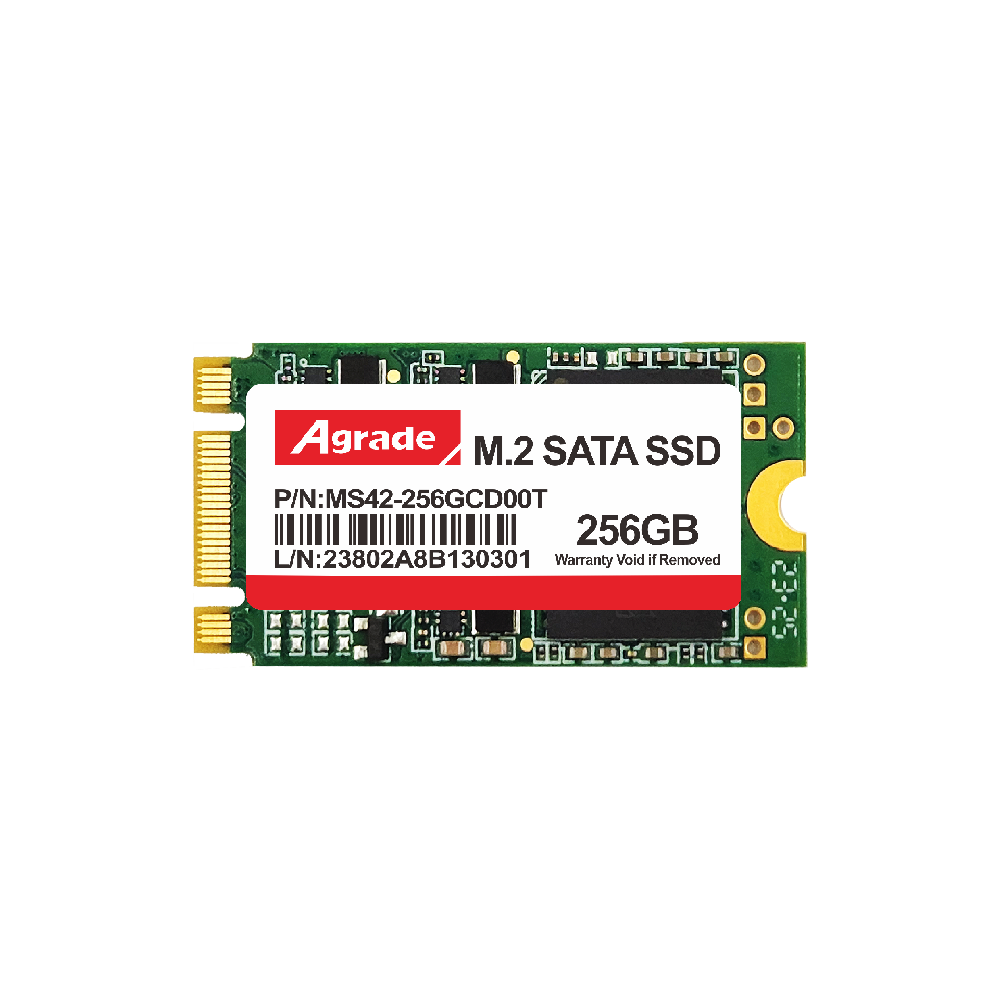
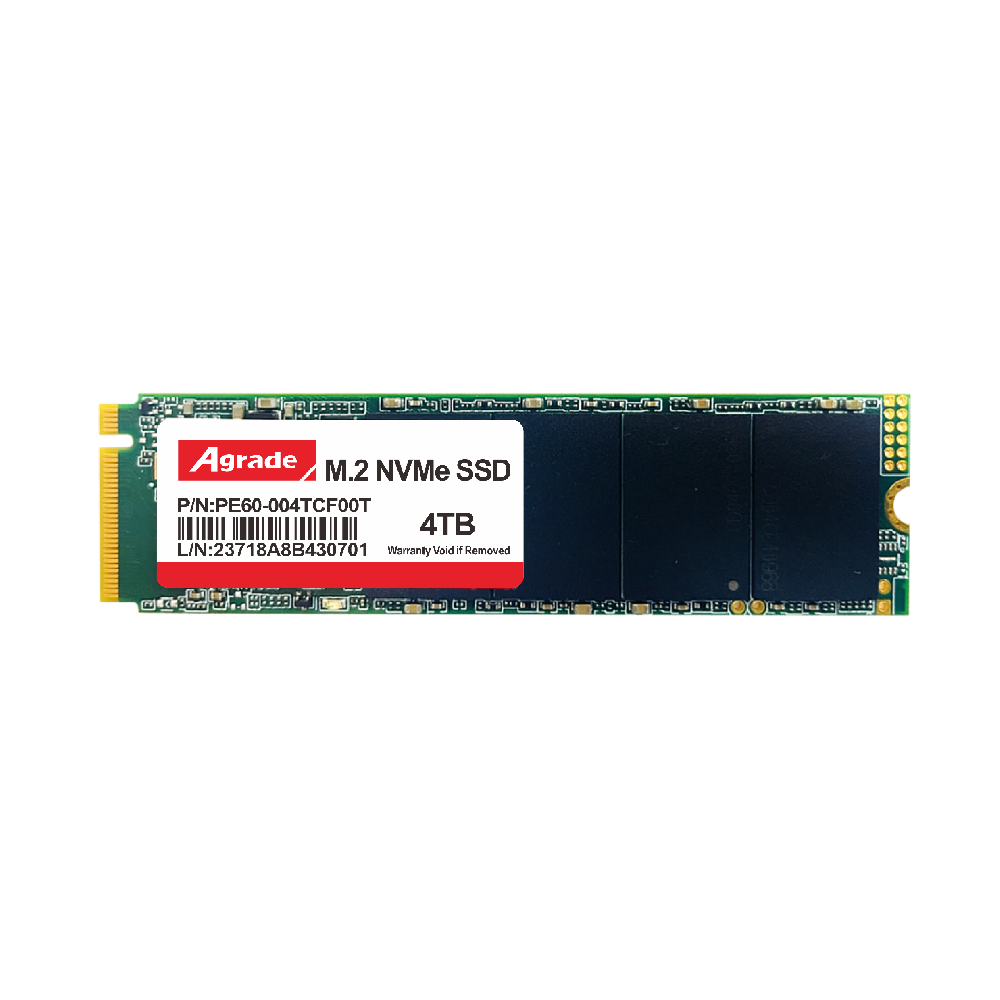
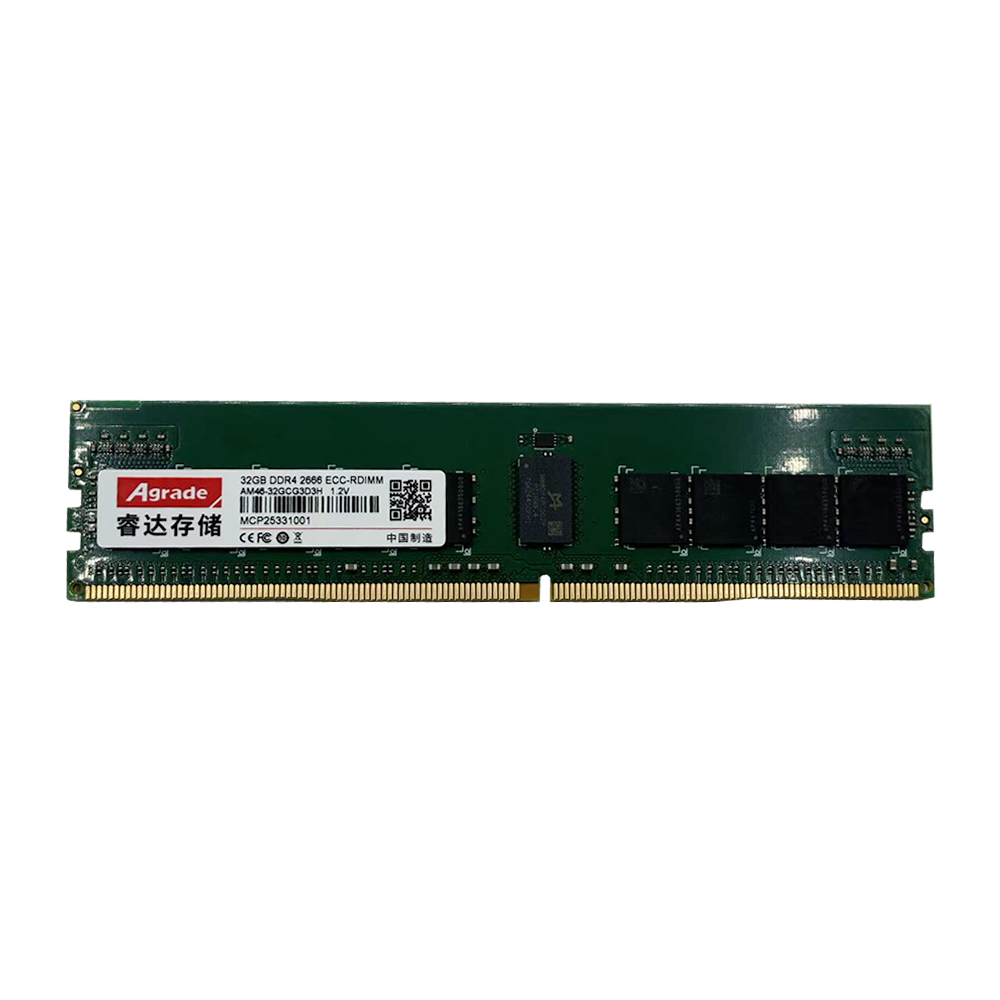
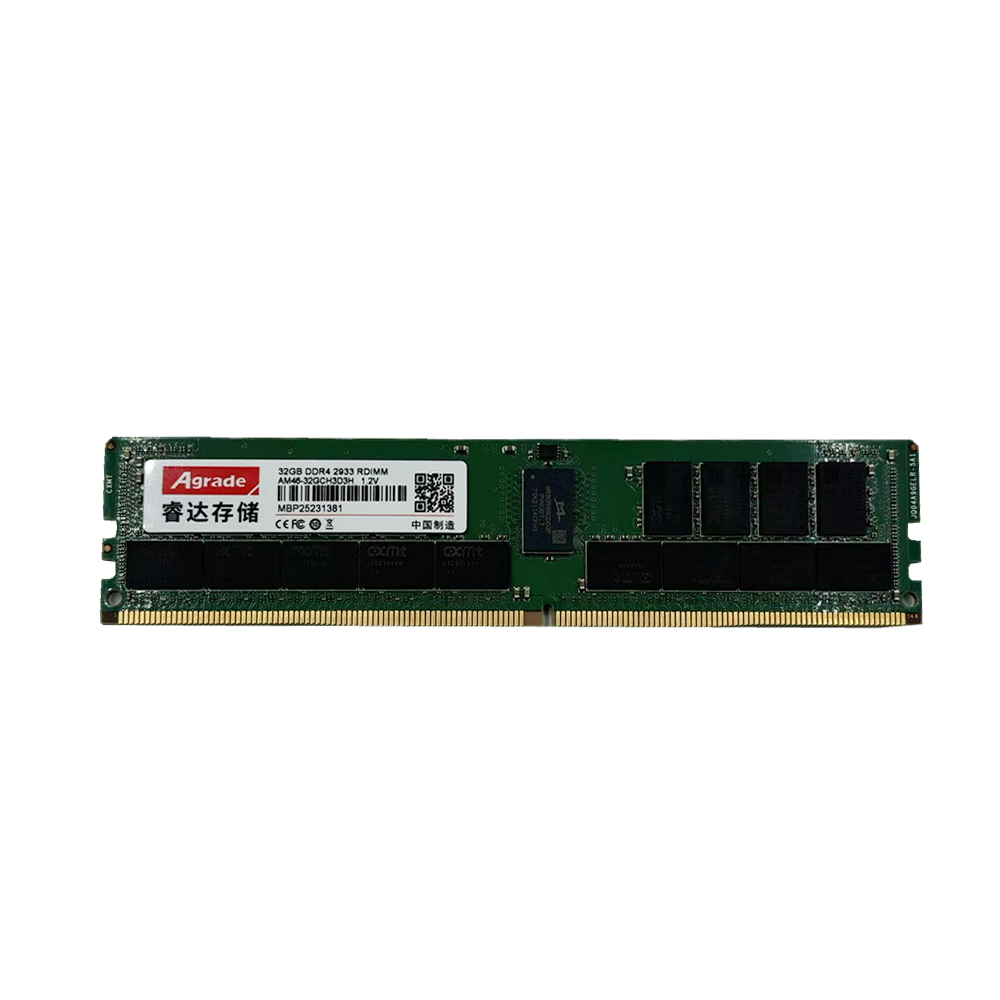
From a hardware perspective, CXL memory modules are often built using DRAM or persistent memory technologies, such as Intel Optane or NAND-based solutions. However, for industrial applications, the reliability and endurance of the memory medium are paramount. This is where industrial SSDs from Agrade Storage come into play, offering robust, temperature-resistant, and long-life storage that can be integrated into CXL-based systems for persistent memory tiers.
Why CXL Matters for Industrial Computing Architecture
Industrial computing systems face unique challenges: extreme temperatures, vibration, power fluctuations, and the need for 24/7 operation. Traditional architectures often struggle to balance memory capacity, cost, and performance. CXL memory addresses these challenges by enabling memory pooling and expansion, which allows industrial systems to scale memory without replacing the entire CPU or motherboard. This modularity reduces downtime and total cost of ownership, two critical factors for industrial operators.
Memory Pooling and Utilization
In a typical industrial server or edge device, memory is often underutilized because each processor has fixed RAM. CXL memory pooling allows multiple processors to share a common pool of memory, dynamically allocating capacity to the workload that needs it most. For example, during a peak data acquisition event, an industrial controller can borrow memory from the pool to process large datasets, then release it when the task completes. This flexibility improves efficiency and reduces hardware costs.
Lower Latency and Higher Bandwidth
Industrial applications such as machine vision or predictive maintenance require low-latency data access. CXL memory provides near-local memory latency, typically under 100 nanoseconds, while offering bandwidth that scales with PCIe generations. Compared to traditional network-based storage like NVMe over Fabrics, CXL is significantly faster because it eliminates the network overhead. This makes it ideal for real-time industrial control systems where every microsecond counts.
Practical Applications in Industrial Settings
CXL memory is not just a theoretical concept; it is already being deployed in industrial environments. Below are several practical applications where CXL memory and industrial storage converge.
Real-Time Edge Computing
Edge devices in factories must process data from sensors and IoT devices instantly. With CXL memory, an edge server can attach additional memory modules to handle large inference models for AI-based quality inspection. Agrade Storage's industrial SSDs can serve as a persistent memory tier in such systems, ensuring that critical data is retained even during power loss. The combination of CXL memory for speed and industrial SSDs for durability creates a robust edge computing platform.
Automated Warehousing and Logistics
Automated guided vehicles (AGVs) and robotic arms rely on complex path-planning algorithms that demand high memory bandwidth. CXL memory allows these systems to access a shared memory pool across multiple robots, enabling coordinated movements without data duplication. In a warehouse, this means faster picking and packing, reduced collision risks, and lower energy consumption. Agrade Storage's industrial-grade memory solutions can be used to build CXL-enabled controllers that withstand the rigors of a warehouse environment.
Industrial IoT and Data Logging
Industrial IoT gateways often need to store large volumes of sensor data for later analysis. CXL memory can serve as a large, fast buffer that temporarily holds data before it is written to long-term storage. By using CXL-attached persistent memory, these gateways can reduce the wear on SSDs and improve write endurance. Agrade Storage offers industrial SSDs with advanced wear-leveling and power-loss protection, which complement CXL-based caching strategies perfectly.
Challenges and Considerations
While CXL memory offers many benefits, industrial adopters must consider several factors. First, CXL requires compatible CPUs and motherboards, which are currently more common in data centers than in embedded industrial systems. However, as the technology matures, industrial system integrators are expected to adopt CXL-enabled platforms. Second, power consumption and heat dissipation must be managed, especially in compact industrial enclosures. Agrade Storage's industrial SSDs are designed with low power profiles and wide temperature ranges, making them suitable for CXL-based systems that demand reliability under harsh conditions.
Conclusion
CXL memory represents a paradigm shift in industrial computing architecture. By enabling memory pooling, low-latency access, and scalable performance, it addresses the core needs of modern industrial applications: speed, flexibility, and reliability. For companies like Agrade Storage, which have long championed robust industrial storage solutions, CXL opens new possibilities for integrating high-performance memory with durable SSDs. As the technology becomes more accessible, industrial operators who adopt CXL early will gain a competitive edge in efficiency, automation, and data processing. To prepare your industrial systems for the future, consider partnering with Agrade Storage for industrial SSDs and storage solutions that complement CXL memory architectures. Contact our team today to learn how we can help you build the next generation of industrial computing.

-
Products
Advantages
-
Solutions
-
News
About us
-
Contact us
Tel:+86 19926658803
Whatsapp:+86 19926658803
lianle1210@163.com
Address: 30CF, Caihong Building, Caihong Road, Futian District, Shenzhen City, Guangdong Province, China


Friendly Links:
