














News


 Agrade Storage Editorial Team
  2026-06-15 16:06:56
 What Is a Disk on Module (DOM) and Why Use It in Embedded Systems
Introduction to Disk on Module (DOM) Technology
In the world of embedded systems, storage reliability and compactness are critical. A Disk on Module, or DOM, is a solid-state storage device designed to plug directly into a standard SATA or IDE interface, often resembling a small USB drive but using a standard storage connector. Unlike traditional hard drives or even some SSDs, DOMs are built for environments where space is limited, vibration is constant, and temperature extremes are common. They provide a flash-based, non-volatile memory solution that is both durable and efficient. For industries ranging from medical equipment to industrial automation, the DOM is a cornerstone of modern embedded design.
Technical Details: How a Disk on Module Works
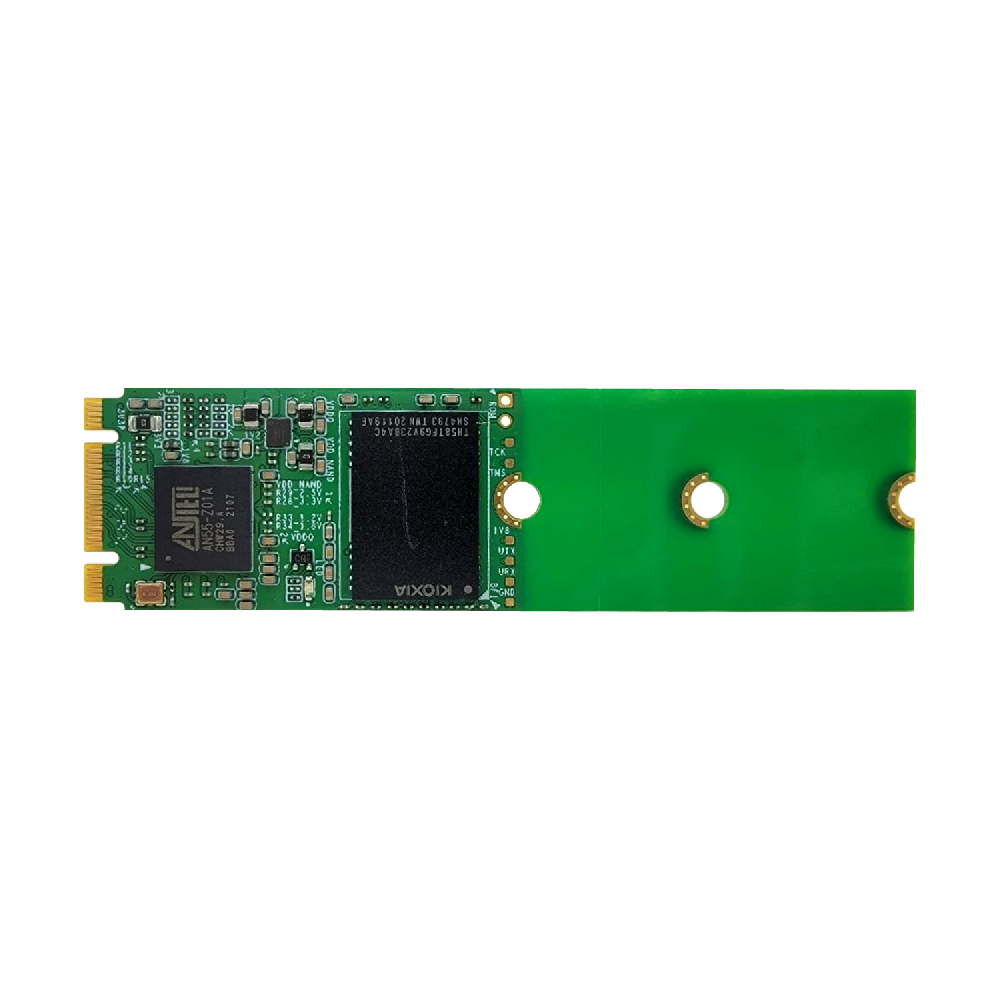
A Disk on Module operates on the same fundamental principles as a solid-state drive (SSD), using NAND flash memory chips to store data. However, it differs in form factor and interface. Most DOMs use a SATA interface (often SATA III) or the older IDE/PATA interface, and they are designed to be mounted directly onto a motherboard or a backplane without cables. This direct connection reduces potential failure points and saves internal space.
Key Technical Specifications
- Interface: SATA III (6 Gbps) or IDE (PATA) for legacy systems. SATA DOMs are most common today.
- Form Factor: Typically 44-pin or 7+15 pin SATA connectors, with a compact PCB that fits in a standard 2.5-inch drive bay or directly on a motherboard header.
- NAND Flash Type: Uses SLC (Single-Level Cell) or MLC (Multi-Level Cell) flash. SLC is preferred for industrial applications due to higher endurance and reliability.
- Capacity: Ranges from 4 GB to 128 GB for most industrial DOMs, with some supporting up to 256 GB.
- Operating Temperature: Wide range, typically from -40°C to +85°C for industrial-grade units.
- MTBF (Mean Time Between Failures): Often exceeds 2 million hours, ensuring long-term dependability.
These specifications make DOMs ideal for mission-critical embedded systems where data integrity and uptime are non-negotiable.
Why Use a Disk on Module in Embedded Systems?
Embedded systems present unique challenges: they often operate in harsh environments, have limited space, and require long product lifecycles. A Disk on Module addresses all these needs. Here are the primary reasons engineers choose DOMs over other storage options.
1. Space Efficiency and Cable-Free Design
Embedded systems are notorious for tight enclosures. A DOM mounts directly to the motherboard, eliminating the need for bulky drive bays and fragile SATA cables. This not only saves valuable PCB real estate but also improves airflow and reduces electromagnetic interference. For example, in a compact industrial controller, a DOM fits into a space where a 2.5-inch SSD would be impossible to install.
2. Superior Vibration and Shock Resistance
Traditional hard drives fail under constant vibration, while even some SSDs can suffer from connector fatigue. A DOM, being a solid-state device with no moving parts and a rigid pin connection, withstands up to 20G of shock and 10G of vibration during operation. This makes it perfect for applications in automotive, aerospace, and heavy machinery.
3. Wide Temperature Range and Reliability
Industrial environments often see temperatures from freezing to scorching. Consumer-grade SSDs typically operate between 0°C and 70°C, but industrial DOMs, like those from Agrade Storage, are rated for -40°C to +85°C. This ensures consistent performance in outdoor kiosks, factory floors, and remote monitoring stations. Additionally, DOMs incorporate advanced wear-leveling and error correction (ECC) to prolong flash memory life.
4. Long-Term Availability and Stability
Embedded systems often remain in production for 5 to 10 years. Consumer storage products are frequently redesigned, leading to compatibility issues. Industrial storage providers, such as Agrade Storage, guarantee long-term supply and backward compatibility for DOMs, ensuring that system integrators can maintain their designs without costly requalification.
Practical Applications of Disk on Modules
DOMs are deployed across a wide range of embedded sectors. Below are some common use cases where their unique attributes shine.
Industrial Automation and PLCs
Programmable Logic Controllers (PLCs) and robotic controllers require reliable boot drives that can handle continuous read/write cycles. A DOM serves as the primary storage for operating systems like Windows Embedded or Linux, logging production data without interruption. In a factory with constant vibration from conveyor belts, a DOM outlasts any mechanical drive.
Medical Devices
Patient monitors, diagnostic imaging equipment, and infusion pumps depend on storage that never fails during a critical procedure. DOMs provide the data integrity and regulatory compliance needed for medical certifications. Their small size also allows integration into handheld and portable medical tools.
Digital Signage and Kiosks
Interactive kiosks and digital billboards operate in outdoor and high-traffic areas. A DOM boots quickly and operates silently, making it ideal for systems that run 24/7. The wide temperature rating ensures performance even in direct sunlight or cold climates.
Networking and Telecommunications
Routers, switches, and base stations require storage for firmware and logs. The cable-free design of a DOM simplifies assembly in dense networking racks, while its low power consumption reduces heat output in enclosed cabinets.
Transportation and In-Vehicle Systems
From train control units to fleet management terminals, in-vehicle systems face constant motion. A DOM’s resistance to shock and vibration guarantees that data remains intact during transit. Agrade Storage offers DOMs with conformal coating options to protect against moisture and dust in these environments.
Comparing DOM to Other Storage Options
To fully understand the value of a Disk on Module, it helps to compare it with alternative storage used in embedded systems.
DOM vs. 2.5-Inch SATA SSD
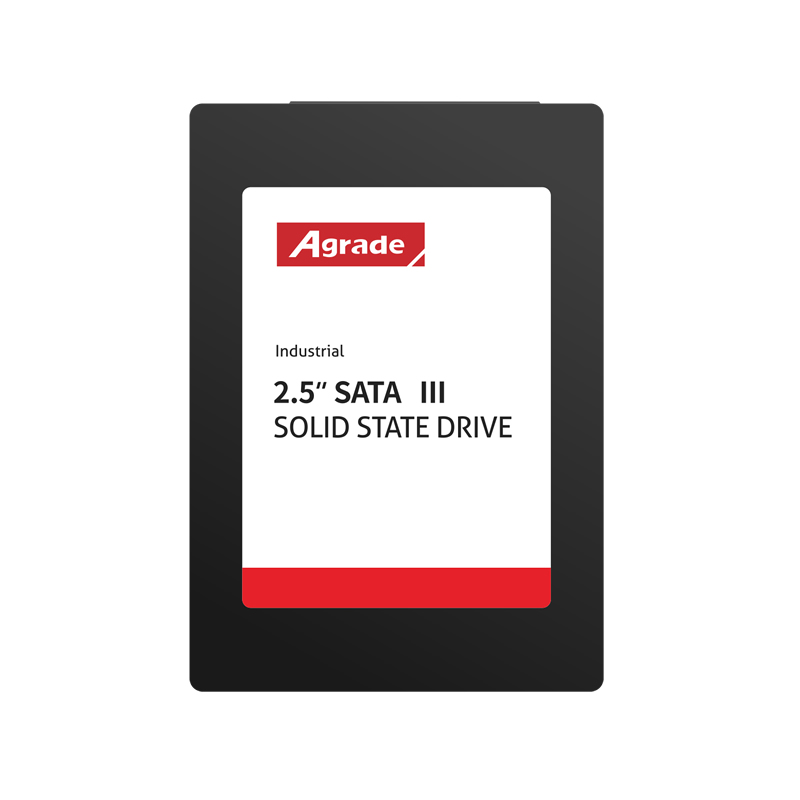
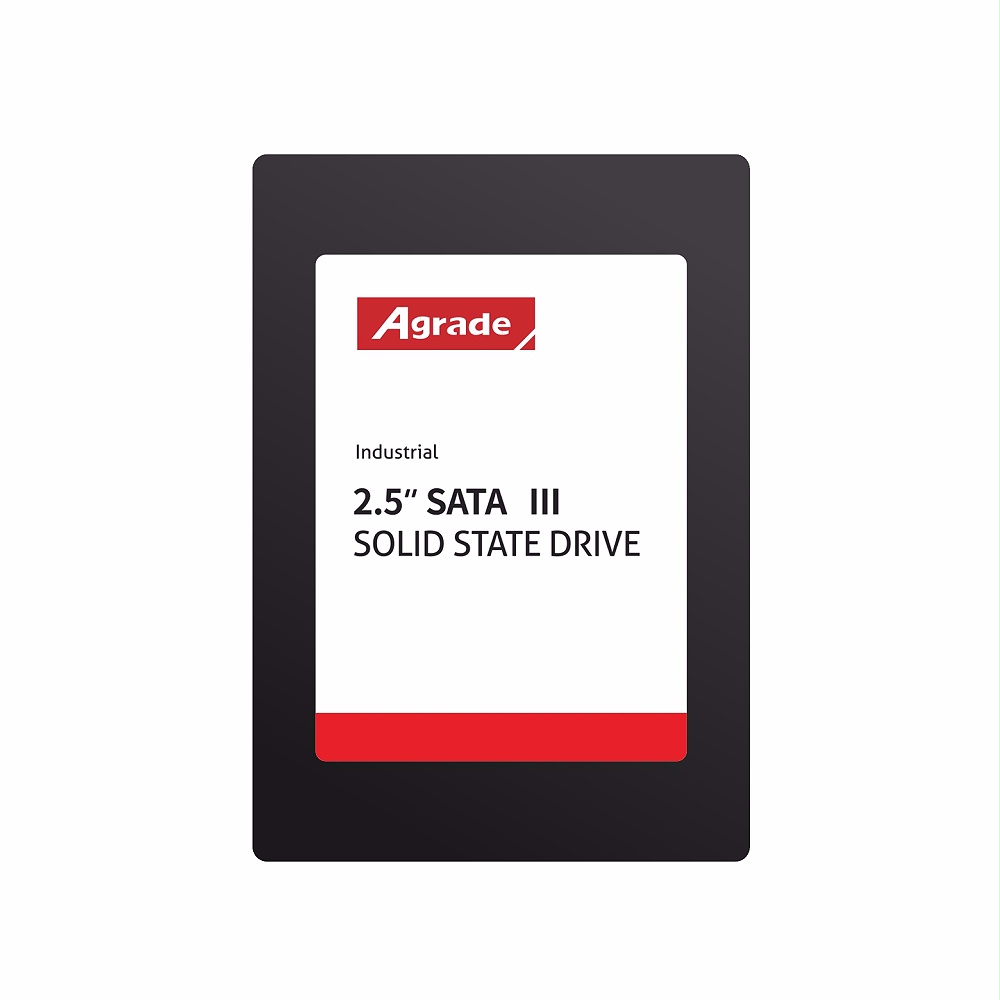
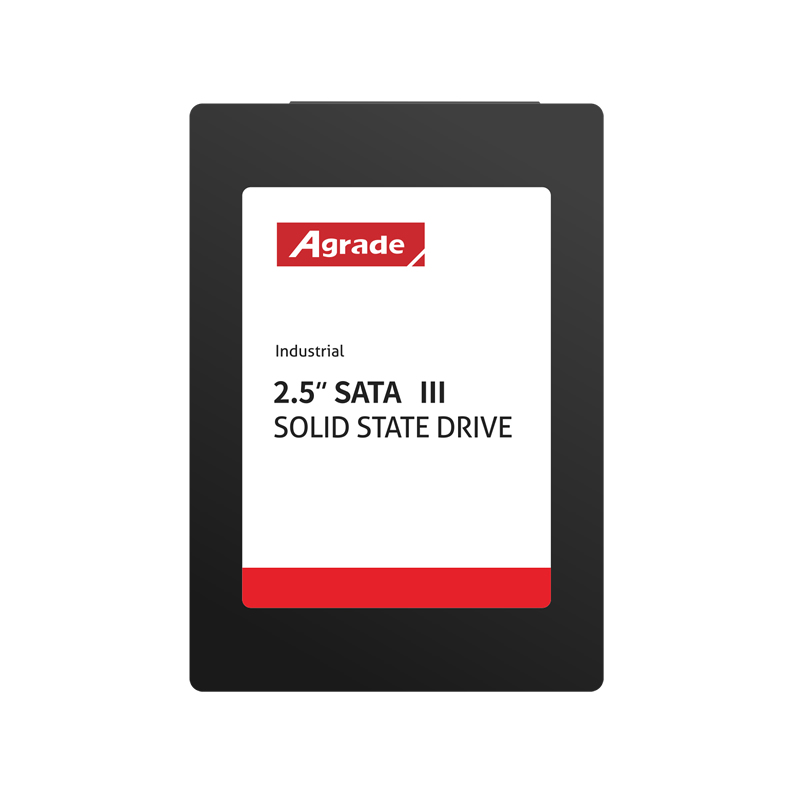
A standard 2.5-inch SSD offers higher capacities (up to several terabytes) but requires a drive bay, a SATA cable, and a power cable. This adds assembly time and points of failure. For capacities under 128 GB, a DOM is more cost-effective and space-efficient. For larger storage needs, an industrial SSD from Agrade Storage might be a better fit, but for boot drives and light data logging, the DOM wins.
DOM vs. SD Cards or eMMC
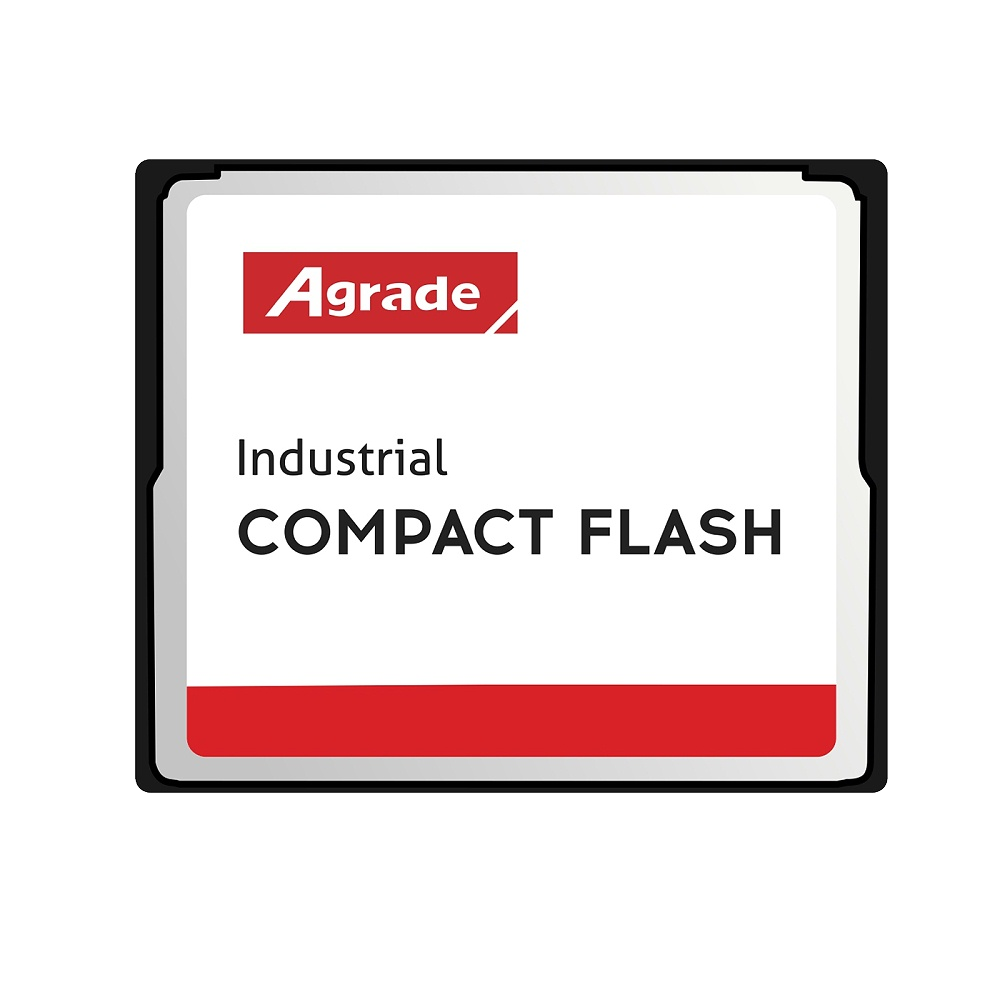
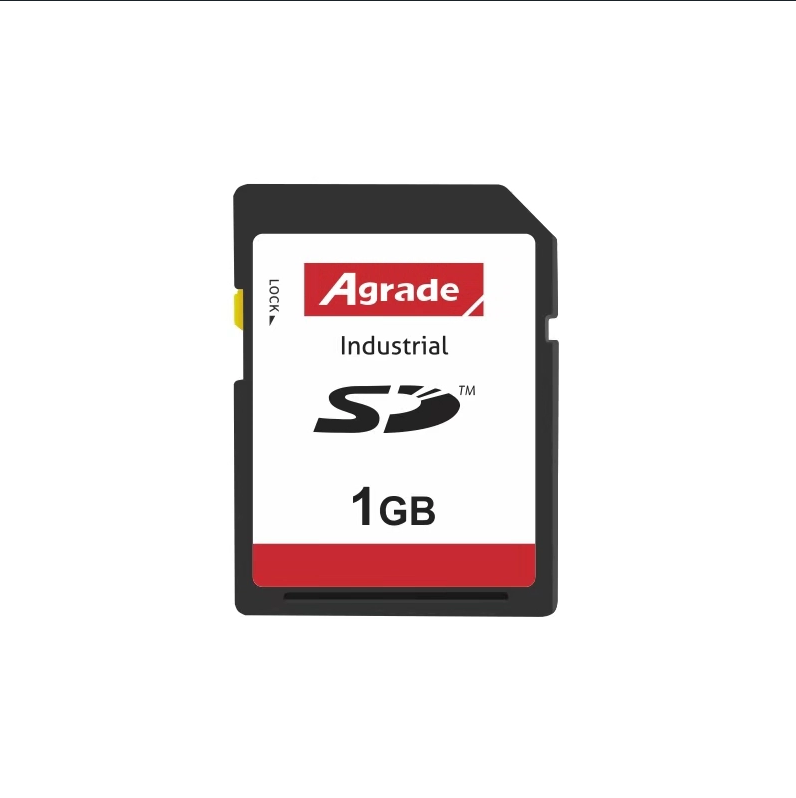
SD cards and eMMC modules are even smaller, but they have lower endurance and are not designed for continuous industrial use. SD cards are prone to wear from write-heavy workloads and can disconnect due to vibration. eMMC is soldered onto the board, making upgrades or replacements difficult. A DOM, in contrast, is socketed for easy replacement and offers SLC flash for higher write cycles.
DOM vs. NVMe M.2 SSD
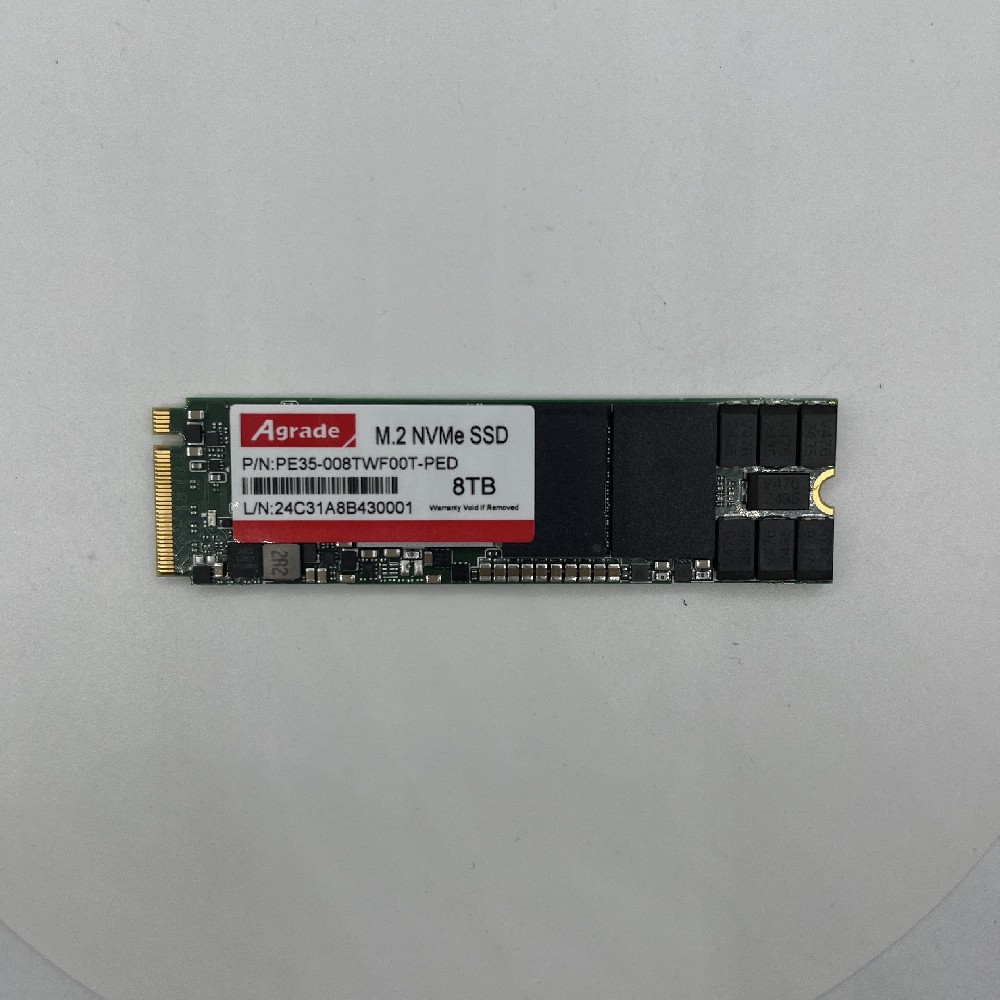
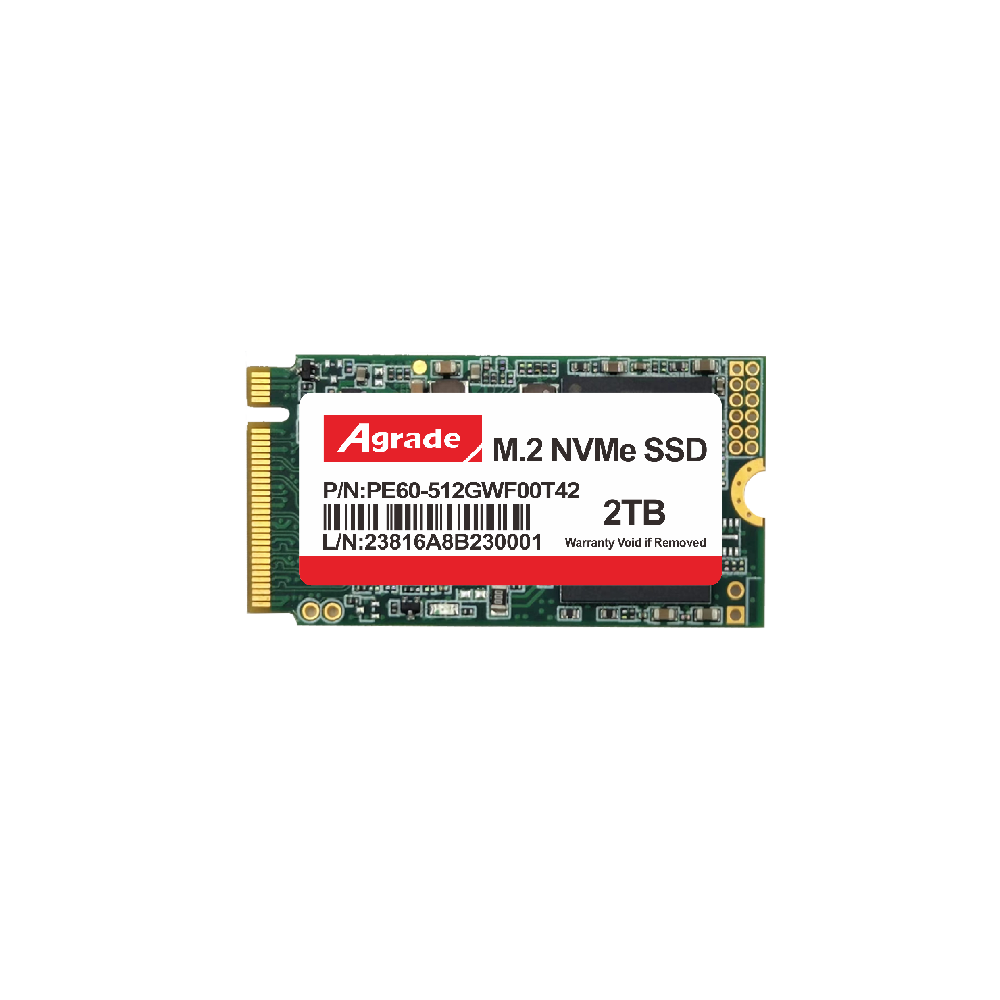
NVMe drives provide blazing-fast speeds (up to 7 GB/s), but they are overkill for most embedded systems that prioritize reliability over performance. NVMe drives also generate more heat and require complex drivers. For embedded applications like a POS terminal or a medical pump, the SATA III speed of a DOM (up to 550 MB/s) is more than sufficient.
Why Choose Agrade Storage for Your Disk on Module Needs?
Agrade Storage specializes in industrial storage solutions, including Disk on Modules that meet the strictest standards for embedded systems. Our DOMs feature industrial-grade SLC NAND flash, supporting up to 30,000 program/erase cycles per block, far exceeding consumer MLC flash. We offer customization options such as fixed BOM (bill of materials) for long product life, conformal coating for harsh environments, and wide temperature testing. Whether you need a 16 GB DOM for a medical device or a 64 GB unit for an industrial PC, Agrade Storage ensures that your embedded system runs reliably for years.
Conclusion: The Disk on Module Is a Smart Choice for Embedded Systems
The Disk on Module is a specialized, rugged storage solution that perfectly aligns with the demands of embedded systems. Its compact, cable-free design, resistance to shock and temperature extremes, and long-term availability make it a superior choice for industrial, medical, and automotive applications. While other storage types have their places, the DOM excels where reliability and space are paramount. For your next embedded project, consider a high-quality DOM from Agrade Storage to ensure your system operates without failure. Explore our range of industrial SSDs and DOMs today to find the perfect fit for your application.

-
Products
Advantages
-
Solutions
-
News
About us
-
Contact us
Tel:+86 19926658803
Whatsapp:+86 19926658803
lianle1210@163.com
Address: 30CF, Caihong Building, Caihong Road, Futian District, Shenzhen City, Guangdong Province, China


Friendly Links:
