












News


 Agrade Storage Editorial Team
  2026-05-20 16:18:33
 DDR5 vs LPDDR5: Choosing the Right Memory for Embedded Systems
Introduction
Embedded systems are the backbone of modern industrial applications, from factory automation and medical devices to edge computing and IoT gateways. As these systems demand higher performance and lower power consumption, the choice of memory standard becomes critical. Two leading contenders have emerged: DDR5 and LPDDR5. While both are fifth-generation DRAM technologies, they are optimized for very different use cases. Understanding the differences between DDR5 and LPDDR5 is essential for engineers and system integrators who need to balance speed, power efficiency, thermal constraints, and longevity. In this article, we compare DDR5 vs LPDDR5 for embedded systems, providing technical insights and practical guidance. We also highlight how Agrade Storage, as a trusted provider of industrial storage solutions, supports these memory standards with reliable industrial SSDs and embedded computing components.
What Are DDR5 and LPDDR5?
Both DDR5 (Double Data Rate 5) and LPDDR5 (Low Power Double Data Rate 5) are types of synchronous dynamic random-access memory (SDRAM) that succeed their respective fourth-generation standards. They share the same fundamental architecture improvements, including higher bandwidth, increased density, and better power management. However, their design philosophies diverge sharply.
DDR5 Overview
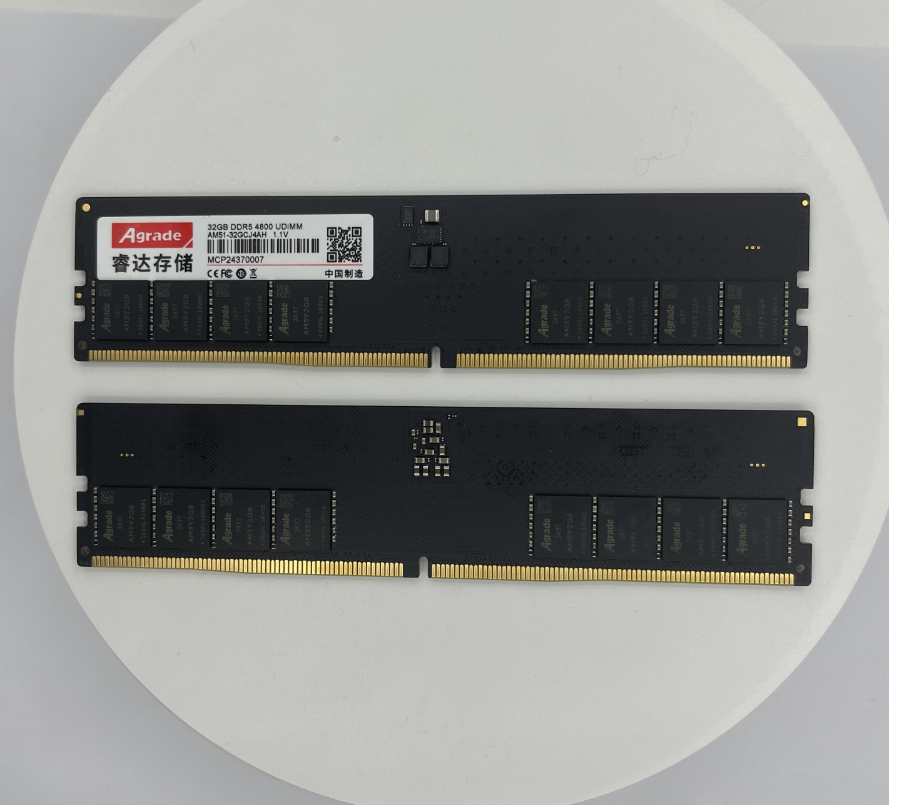
DDR5 is the mainstream memory standard for high-performance computing. It delivers data transfer rates starting at 4.8 Gbps and scaling beyond 8.4 Gbps, with up to 64 GB per module. It operates at a higher voltage (1.1V nominal) compared to its predecessor DDR4 (1.2V), but achieves greater energy efficiency per bit transferred. DDR5 also introduces on-die ECC (Error Correction Code) and dual 32-bit subchannels to improve reliability and parallelism. For embedded systems that require raw computational power, such as AI inference at the edge or real-time data processing, DDR5 is a strong candidate.
LPDDR5 Overview
LPDDR5 is designed specifically for mobile and battery-powered devices. It operates at a lower voltage range (0.5V to 1.1V) and supports dynamic voltage and frequency scaling to minimize power consumption. LPDDR5 achieves similar peak bandwidth to DDR5 (up to 6.4 Gbps per die) but does so with significantly lower energy draw. It also features a more compact package, often integrated directly onto the system-on-chip (SoC) or soldered to the board, saving space. For embedded systems where thermal dissipation is limited, or where devices run on battery or harvested energy, LPDDR5 is the preferred choice.
Technical Comparison: DDR5 vs LPDDR5
Performance and Bandwidth
In terms of raw bandwidth, DDR5 and LPDDR5 are surprisingly close. A single DDR5 module can achieve up to 51.2 GB/s, while LPDDR5-6400 offers about 51.2 GB/s per 64-bit channel. However, DDR5 modules are available in higher capacities and can be installed in multi-channel configurations, giving it a performance edge in memory-intensive workloads. LPDDR5, being more integrated, typically uses a 16- or 32-bit bus per package, which can limit aggregate bandwidth unless multiple packages are used.
Power Consumption
This is the most significant differentiator. LPDDR5 consumes roughly 40-50% less power than DDR5 at equivalent bandwidth. Its lower operating voltage and advanced power states allow it to idle at micro-watt levels. For a fanless embedded system operating in a 70°C factory environment, LPDDR5 helps keep junction temperatures under control, reducing the need for active cooling. DDR5, by contrast, is better suited for systems with robust cooling solutions.
Latency
DDR5 typically offers lower absolute latency (CAS latency around 40-50 ns) compared to LPDDR5 (50-70 ns), though the difference is narrowing with each generation. For real-time control systems, such as PLCs or robotic controllers, lower latency can be mission-critical. LPDDR5 compensates with improved bank architecture and prefetching, but DDR5 still holds an edge in deterministic access times.
Reliability and ECC
Both standards support on-die ECC, which corrects single-bit errors internal to the DRAM chip. However, DDR5 also supports RAS (Reliability, Availability, Serviceability) features like side-band ECC and patrol scrubbing, which are valuable for mission-critical embedded systems. Agrade Storage recommends DDR5 for industrial storage applications where data integrity is paramount, such as in edge servers or data loggers paired with industrial SSDs.
Form Factor and Integration
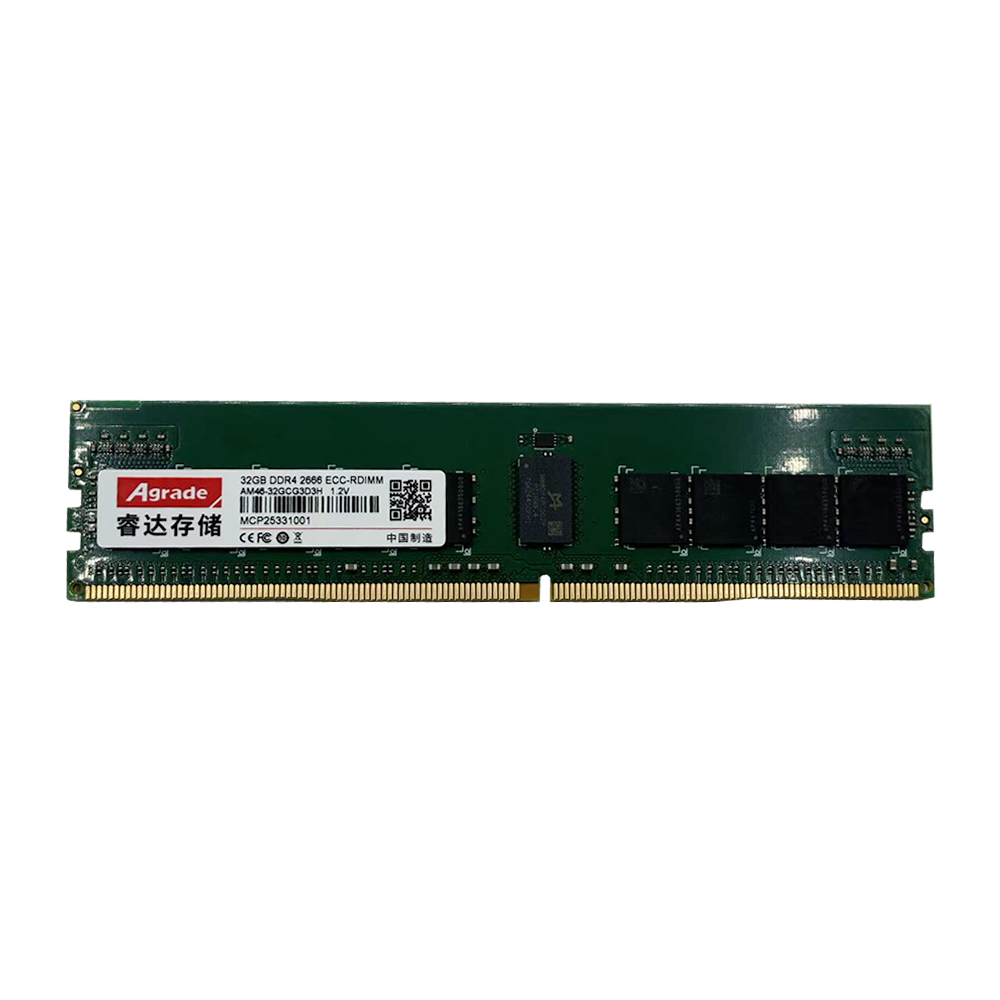
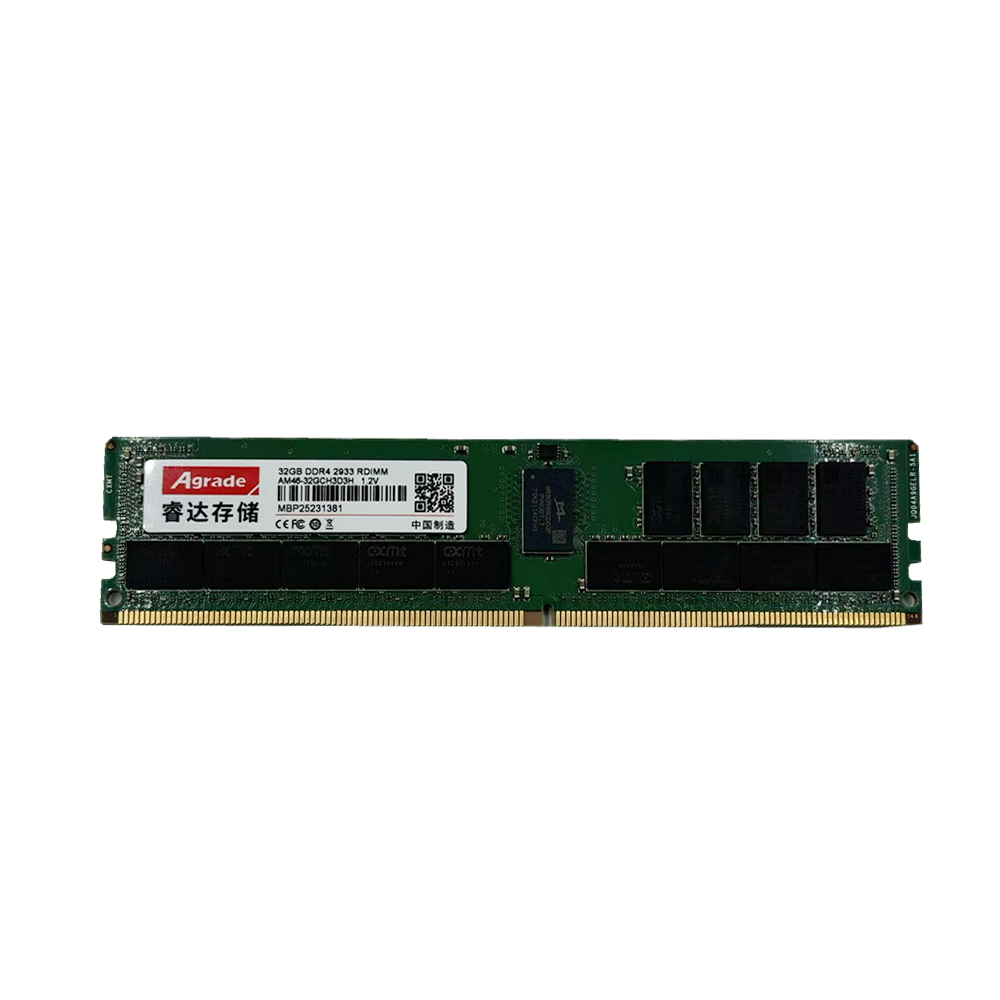
LPDDR5 is almost always soldered directly to the board (BGA package), making it more resistant to shock and vibration. This is ideal for embedded systems in automotive, aerospace, or heavy machinery. DDR5 is available in standard DIMM and SO-DIMM form factors, which allow for easier upgrades and maintenance. For embedded systems that require modularity, DDR5 SO-DIMMs are a flexible option.
Practical Applications in Embedded Systems
Industrial Automation and Robotics
In factory automation, controllers and robots need to process sensor data with minimal latency. DDR5 is often the better fit here because it provides the bandwidth needed for high-speed vision systems and the deterministic response times required for servo control. For example, an edge controller using an Agrade Storage industrial SSD for data logging combined with DDR5 memory can handle simultaneous camera feeds and real-time analytics without bottlenecks.
Battery-Powered IoT and Mobile Devices
For portable medical devices, handheld scanners, or wireless sensors, LPDDR5 is the clear winner. Its low power draw extends battery life and reduces heat generation. In a battery-operated data collector that uses an industrial SSD for local caching, LPDDR5 ensures that the memory subsystem does not become a power drain.
Edge Computing and AI Inference
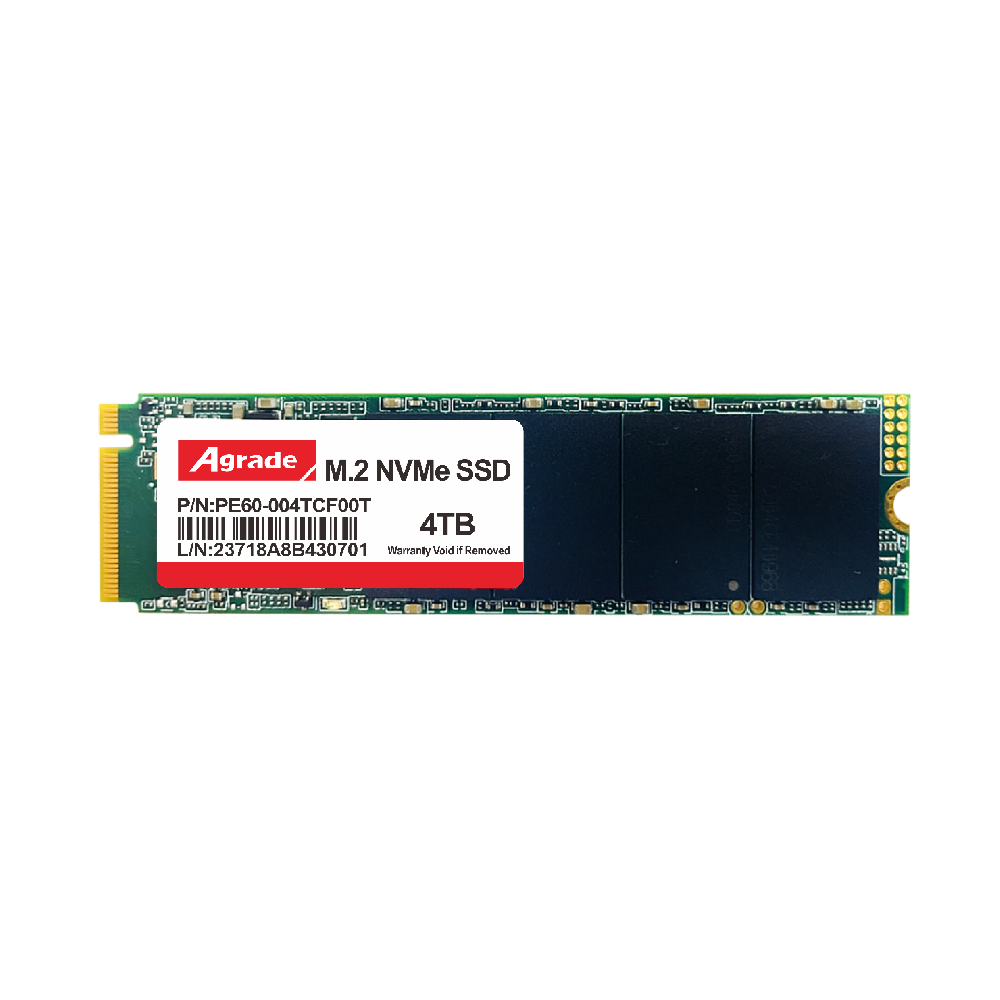
Edge servers running AI models benefit from high memory bandwidth and large capacities. Here, DDR5 is preferred, especially when paired with high-performance industrial storage. Agrade Storage offers industrial SSDs with NVMe interfaces that complement DDR5 by providing fast data access for model loading and inference pipelines.
Automotive and Transportation
Automotive embedded systems must withstand extreme temperatures, vibration, and power fluctuations. LPDDR5’s soldered package and low power consumption make it ideal for in-vehicle infotainment, ADAS, and telematics units. However, for high-end autonomous driving platforms that require massive memory bandwidth, DDR5 with thermal management may be necessary.
Integration with Industrial Storage
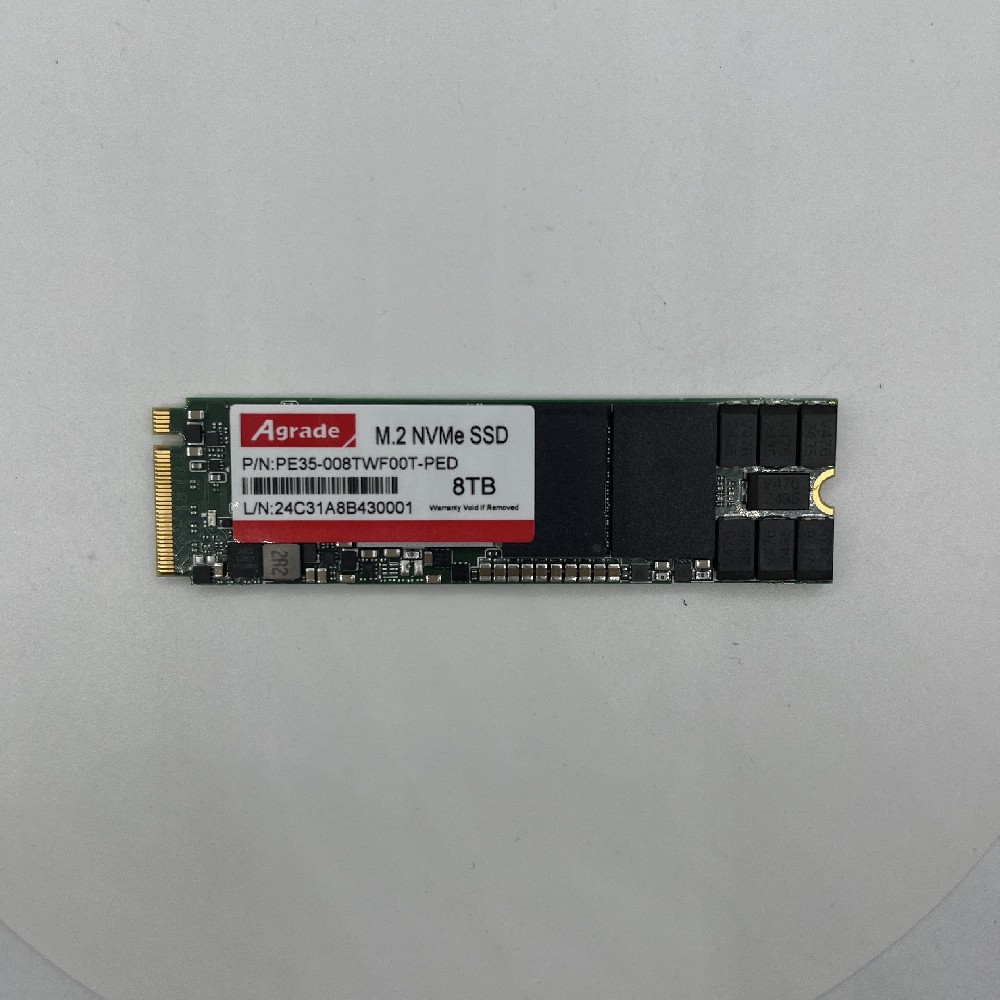
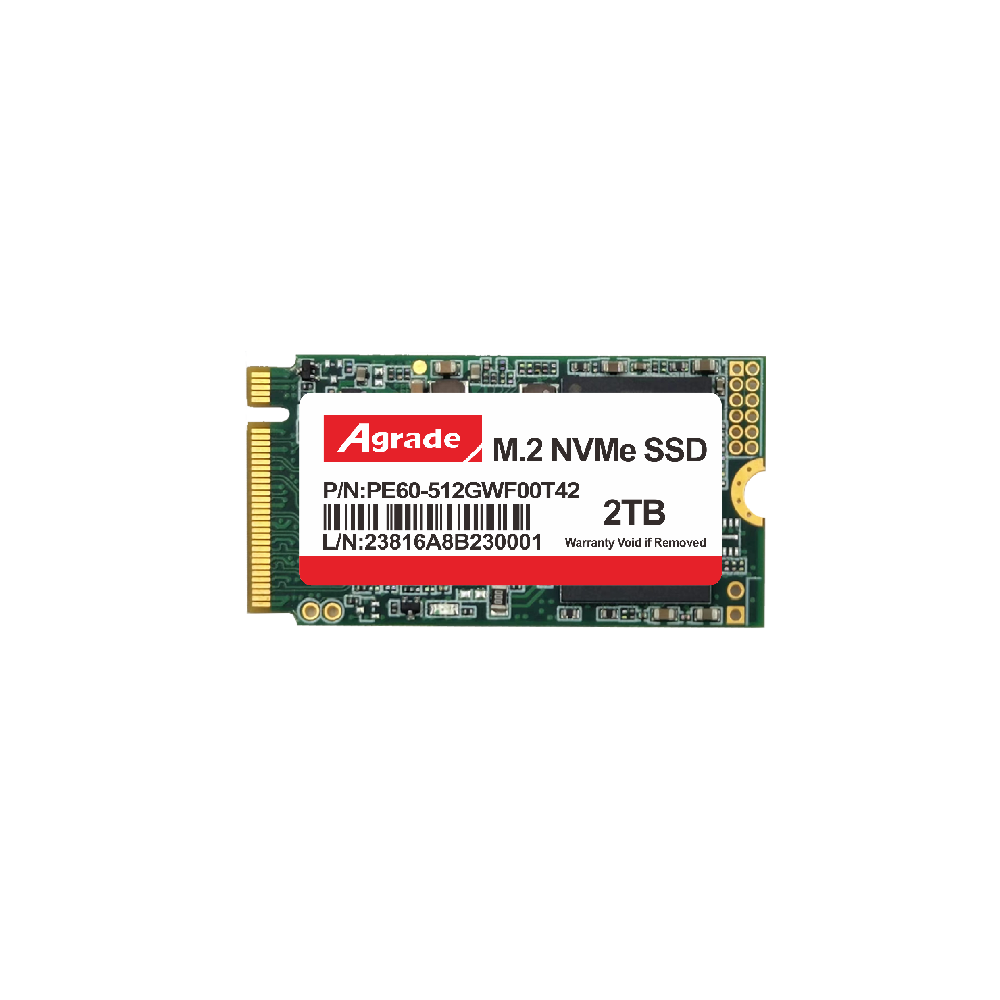
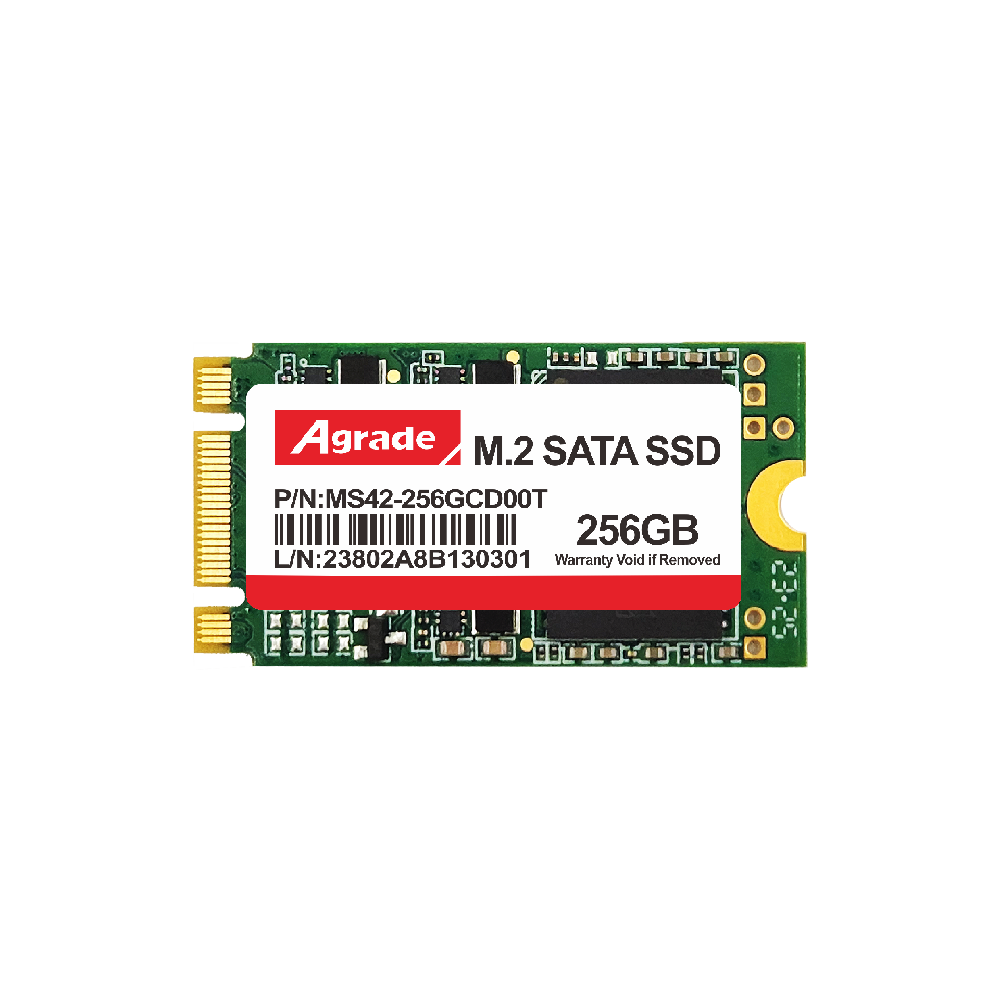
Memory and storage work hand in hand in embedded systems. A fast memory standard like DDR5 or LPDDR5 can be bottlenecked by a slow storage device. Agrade Storage specializes in industrial-grade SSDs that are optimized for embedded environments. Whether you choose DDR5 for a high-performance edge server or LPDDR5 for a power-sensitive IoT gateway, pairing it with an industrial SSD from Agrade ensures consistent throughput, long endurance, and wide temperature support. Our industrial storage products are designed to complement both memory standards, providing reliable data retention and fast boot times.
How to Choose: A Decision Framework
To decide between DDR5 and LPDDR5 for your embedded system, consider the following:
- Power budget: If your system runs on battery or has strict thermal limits, choose LPDDR5.
- Performance needs: For high-bandwidth or low-latency tasks, especially with large datasets, DDR5 is superior.
- Form factor: If modularity and upgradeability are important, go with DDR5 SO-DIMMs. If space and ruggedness are key, choose soldered LPDDR5.
- Environment: In high-vibration or extreme temperature settings, LPDDR5’s BGA package is more reliable.
- Storage pairing: Ensure your industrial SSD can match the memory speed. Agrade Storage offers NVMe and SATA III SSDs that work seamlessly with both memory types.
Conclusion
Both DDR5 and LPDDR5 have distinct advantages for embedded systems. DDR5 delivers raw performance and capacity for compute-intensive applications, while LPDDR5 excels in power-constrained and rugged environments. The right choice depends on your specific system requirements. At Agrade Storage, we understand that memory and storage must work together to achieve optimal system performance. Our industrial SSD lineup is engineered to complement either memory standard, ensuring your embedded system runs reliably in the harshest conditions. Assess your power, performance, and environmental needs carefully, and remember that the best system design integrates memory and storage from trusted industrial partners like Agrade Storage.

-
Products
Advantages
-
Solutions
-
News
About us
-
Contact us
Tel:+86 19926658803
Whatsapp:+86 19926658803
lianle1210@163.com
Address: 30CF, Caihong Building, Caihong Road, Futian District, Shenzhen City, Guangdong Province, China


Friendly Links:
