












News


 Agrade Storage Editorial Team
  2026-05-21 15:59:29
 NVMe vs SATA for Industrial Applications: Performance Comparison
Introduction
In the world of industrial computing and embedded systems, the choice between NVMe and SATA solid-state drives can significantly impact system performance, reliability, and total cost of ownership. While both technologies use NAND flash memory, their interfaces and protocols differ fundamentally. For engineers and procurement managers designing ruggedized equipment, understanding these differences is critical. This article provides a comprehensive performance comparison of NVMe versus SATA for industrial applications, with a focus on real-world use cases. At Agrade Storage, we specialize in industrial storage solutions that balance speed, endurance, and longevity for harsh environments.
Understanding the Interfaces: NVMe and SATA
SATA: The Proven Workhorse
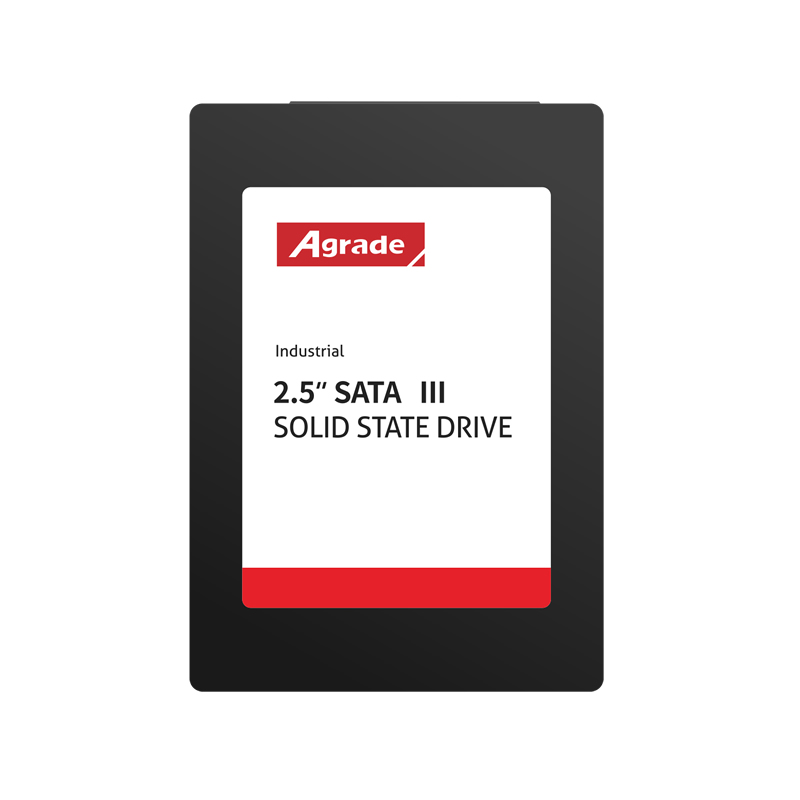
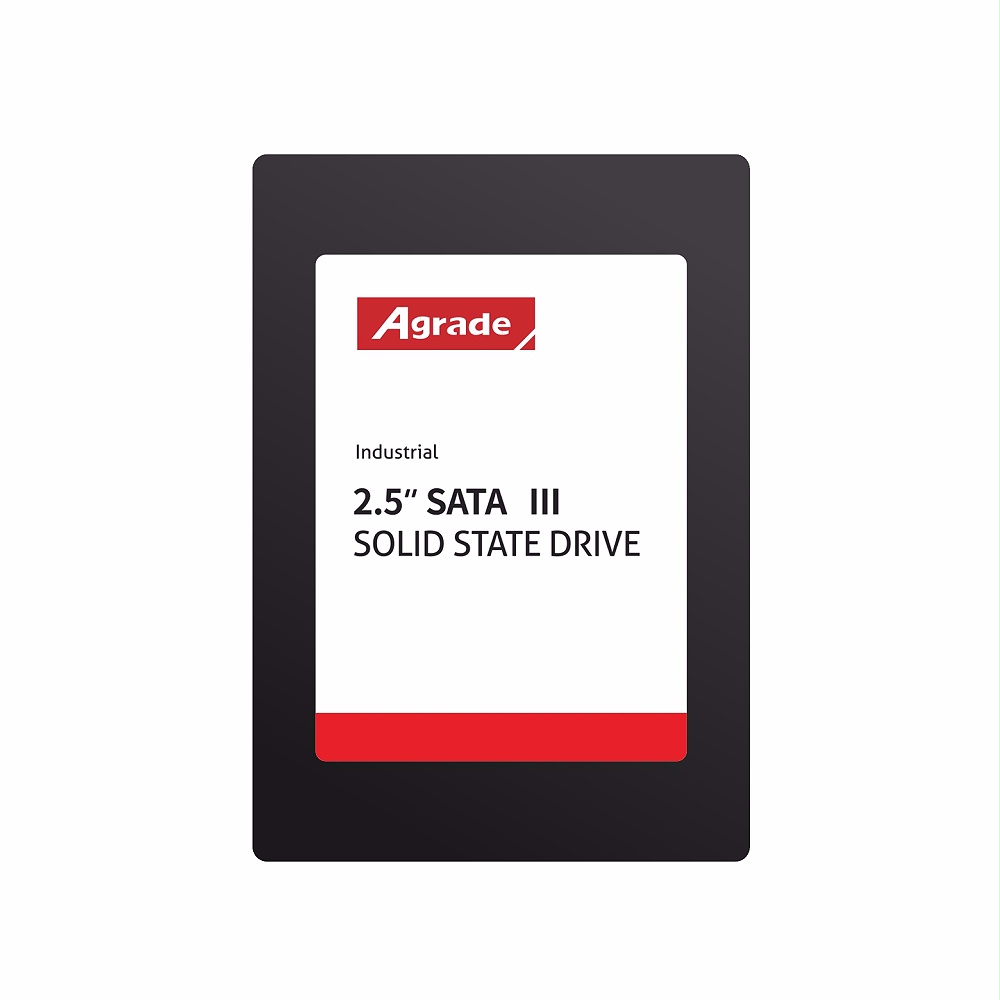
SATA (Serial ATA) has been the dominant storage interface for over a decade. SATA SSDs connect via the AHCI protocol, originally designed for spinning hard drives. This legacy protocol introduces latency overhead because it relies on a single command queue. SATA III offers a maximum theoretical bandwidth of 6 Gbps, which translates to roughly 550 MB/s sequential read speeds in practice. For many industrial applications—such as data logging, point-of-sale systems, and simple control units—SATA provides more than enough throughput. Its mature ecosystem ensures broad compatibility with legacy hardware, which is a major advantage in industrial environments where equipment lifecycles span years or decades.
NVMe: Designed for Flash
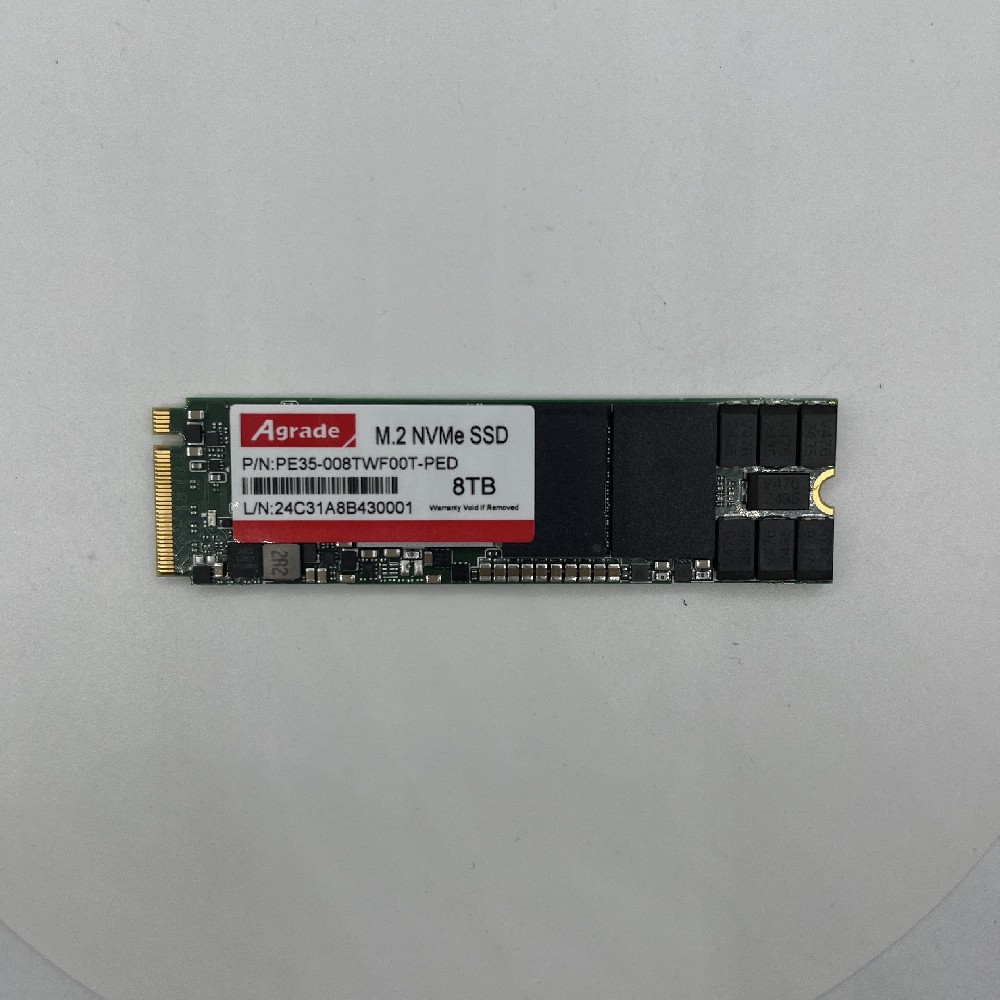
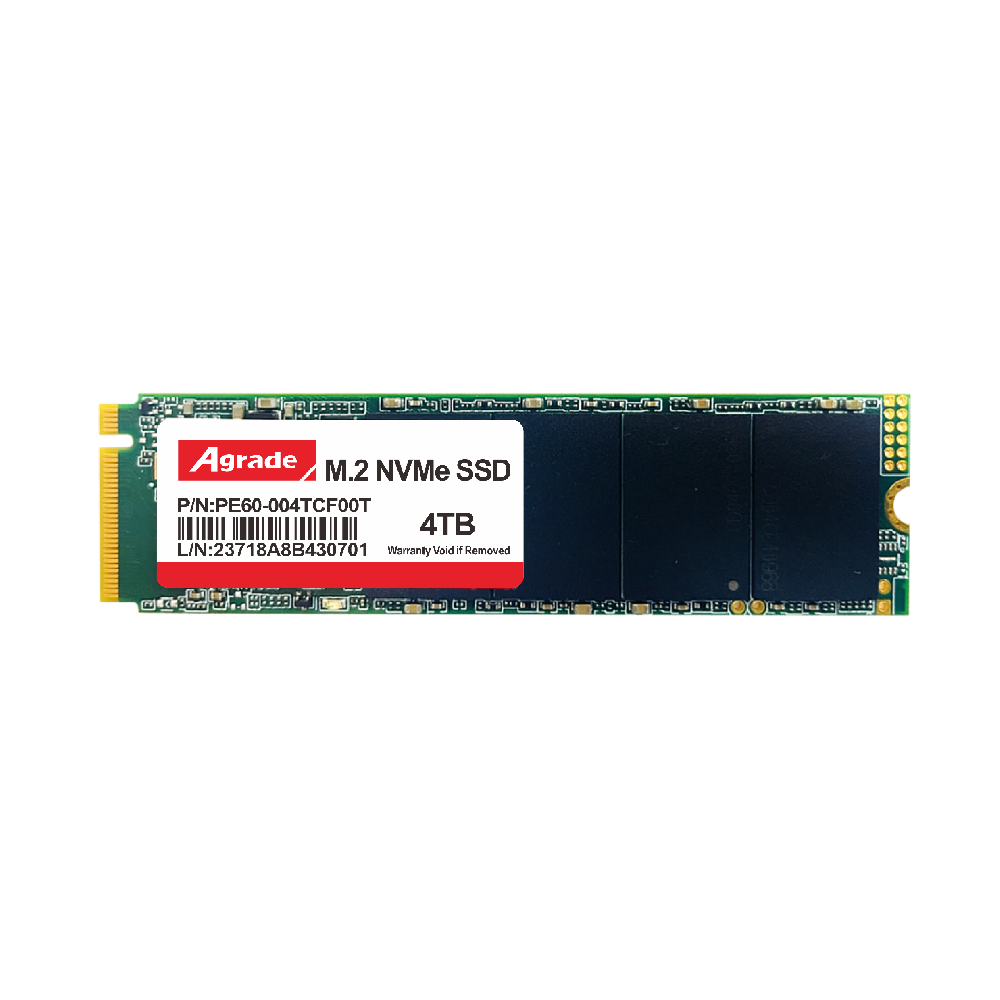
NVMe (Non-Volatile Memory Express) is a protocol built from the ground up for high-speed NAND flash storage. It connects directly to the PCIe bus, bypassing the AHCI bottleneck. NVMe supports thousands of parallel command queues, each capable of holding up to 64K commands. This architecture dramatically reduces latency and unlocks sequential read speeds exceeding 7,000 MB/s on PCIe 4.0 interfaces. In industrial contexts, NVMe excels in workloads that demand rapid data access, such as real-time analytics, AI inference at the edge, and high-resolution imaging. However, the higher performance comes with increased power consumption and heat generation, which must be managed in thermally constrained environments.
Performance Comparison: Key Metrics for Industrial Use
Sequential Read/Write Speeds
For tasks that involve transferring large files—such as updating firmware, loading operating systems, or copying surveillance footage—sequential speed matters. SATA SSDs typically deliver 550 MB/s read and 520 MB/s write. NVMe drives, even entry-level models, exceed 3,000 MB/s, while premium Gen4 industrial SSDs can reach 7,000 MB/s. In a factory automation setting where a machine must load a 10 GB system image on boot, an NVMe drive can reduce boot time from 20 seconds to under 3 seconds. This difference directly improves production throughput.
Random I/O Performance (IOPS)
Random input/output operations per second (IOPS) are critical for multitasking environments. SATA SSDs achieve roughly 90,000–100,000 IOPS for 4K random reads. NVMe drives can exceed 1,000,000 IOPS. In industrial applications like database servers, edge computing nodes handling multiple sensor streams, or telecommunications equipment, this gap is decisive. Higher IOPS mean less queuing and lower latency under heavy loads, ensuring consistent performance even when many processes access storage simultaneously.
Latency
Latency is the time it takes for a drive to respond to a command. SATA SSDs have typical read latencies around 100–150 microseconds. NVMe reduces this to under 10 microseconds for reads. In closed-loop control systems where feedback delays can cause instability, every microsecond counts. NVMe's low latency also benefits financial trading systems and medical imaging equipment that require near-instantaneous data retrieval.
Durability and Endurance in Industrial Environments
NAND Flash and Wear Leveling
Both NVMe and SATA SSDs use NAND flash, but industrial-grade drives from manufacturers like Agrade Storage incorporate advanced wear leveling, bad block management, and error correction code (ECC) algorithms. Endurance is typically measured in total bytes written (TBW). For SATA industrial SSDs, TBW ratings range from 50 TBW for entry-level models to over 2,000 TBW for high-endurance units. NVMe drives often support higher TBW due to more efficient data management, but they also run hotter. Excessive heat accelerates NAND degradation. Industrial NVMe drives are designed with thermal throttling and heat spreaders to maintain safe operating temperatures in enclosures without active cooling.
Power Loss Protection
Industrial environments face power instability. Both SATA and NVMe industrial SSDs can include power loss protection (PLP) capacitors that flush cached data to NAND during an unexpected shutdown. This feature is standard on Agrade Storage industrial SSDs. Without PLP, data corruption or drive failure may occur. When comparing NVMe and SATA, the key difference is that NVMe's higher write speeds can make it more sensitive to power loss if PLP is not properly implemented. Always verify that an NVMe industrial SSD includes robust PLP circuitry.
Practical Applications: Which Drive Fits Your Workload?
When SATA Is the Right Choice
- Legacy System Upgrades: Many industrial PCs still use SATA connectors. Upgrading from a hard drive to a SATA SSD provides a dramatic performance boost without replacing the motherboard.
- Low-Power Embedded Devices: IoT gateways, smart meters, and battery-powered sensors benefit from SATA's lower power draw, which extends operational life.
- Cost-Sensitive Deployments: SATA industrial SSDs cost less per gigabyte. For applications like data archiving or simple logging where speed is not critical, SATA offers excellent value.
- Thermally Constrained Enclosures: SATA drives generate less heat. In sealed or passively cooled enclosures, SATA is easier to integrate without risking thermal shutdown.
When NVMe Is the Superior Option
- Edge AI and Machine Learning: Real-time inference requires fast access to models and data. NVMe reduces model loading times and supports higher throughput for data ingestion.
- High-Resolution Video Surveillance: Systems recording multiple 4K or 8K streams need high sequential write speeds. NVMe ensures no dropped frames during peak recording.
- Telecommunications and 5G Infrastructure: Base stations and network equipment handle millions of small packets. NVMe's random IO performance prevents bottlenecks.
- Medical Imaging and Diagnostics: CT scanners and MRI machines generate large datasets that must be processed quickly. NVMe accelerates image reconstruction and retrieval.
Interface Compatibility and Future-Proofing
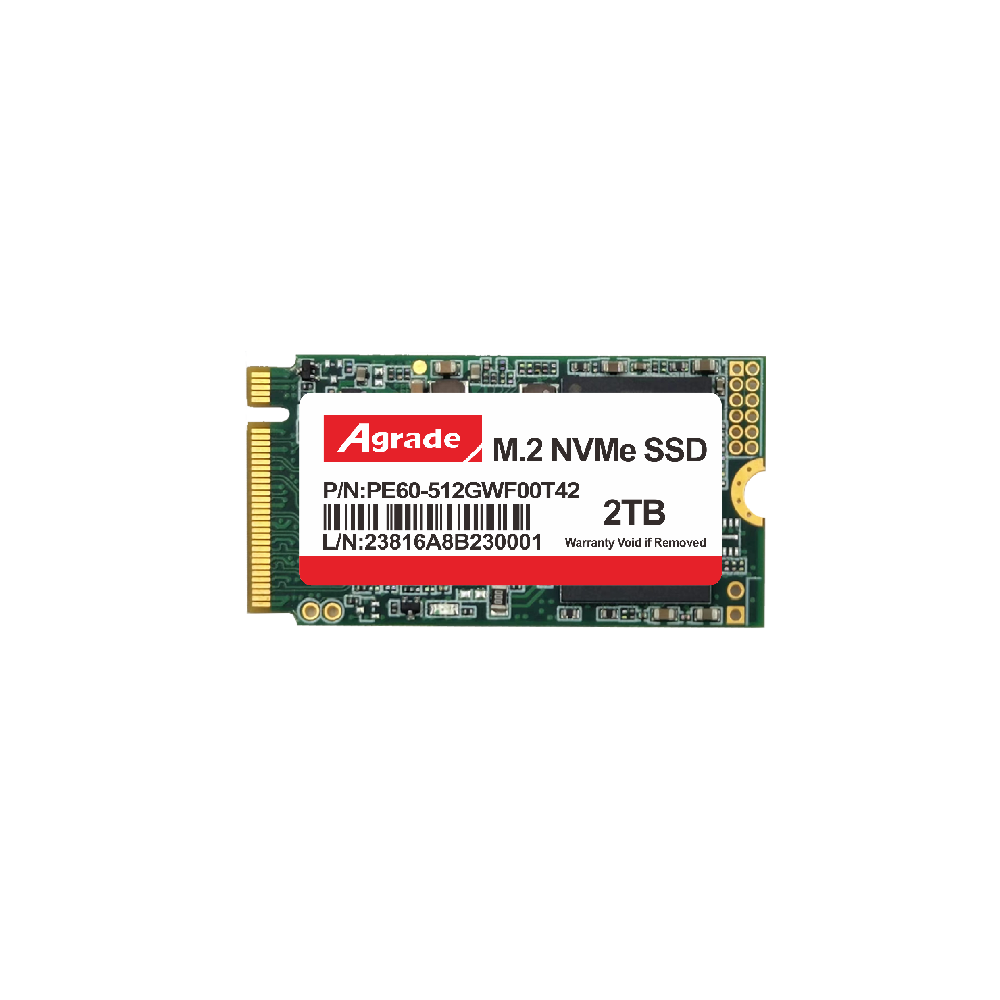
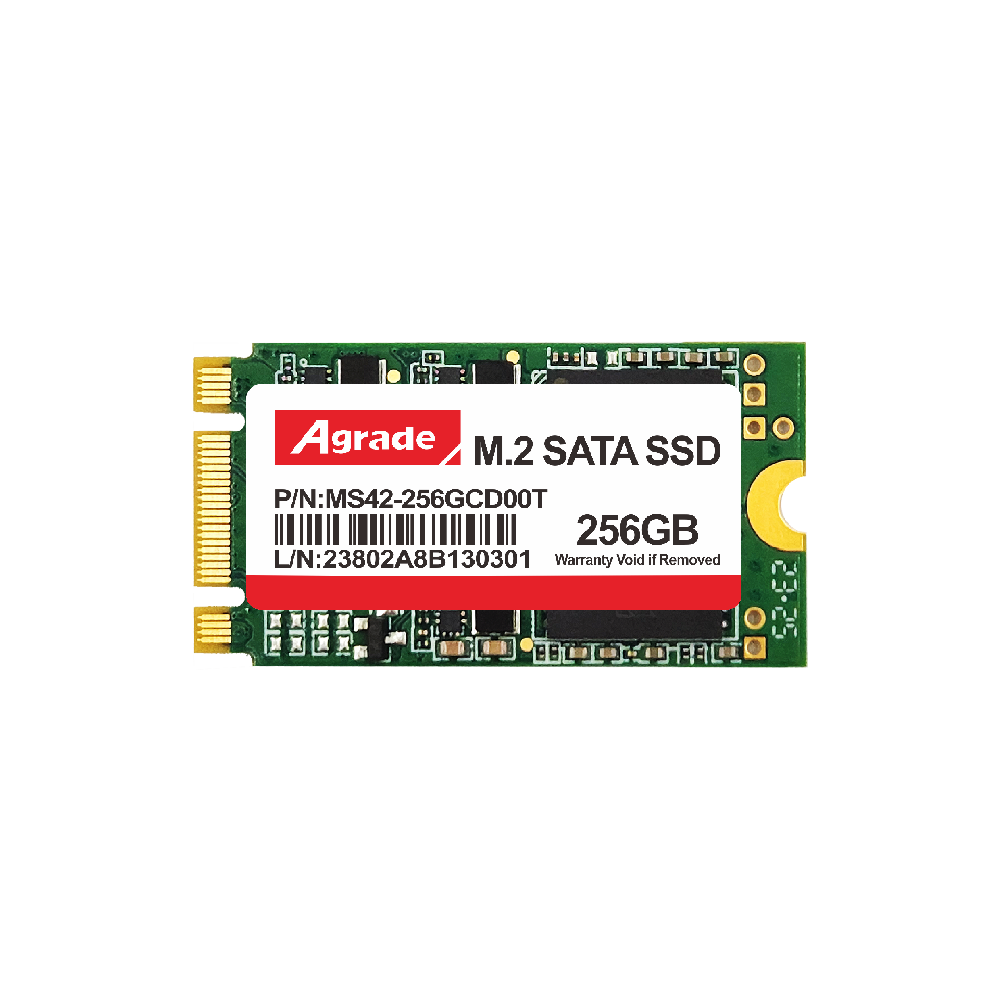
When selecting between NVMe and SATA, consider the motherboard interface. Most modern industrial motherboards include both SATA ports and M.2 slots supporting NVMe. However, older designs may lack PCIe lanes for NVMe. If you are designing a new system, NVMe offers a longer lifespan as software demands increase. Agrade Storage provides both SATA and NVMe industrial SSDs with identical form factors (e.g., M.2 2280) to simplify integration. Additionally, NVMe drives are backward-compatible with PCIe 3.0 slots, though at reduced speeds. SATA remains the safest choice for multi-year projects where hardware changes are undesirable.
Conclusion: Making the Choice with Agrade Storage
The decision between NVMe and SATA for industrial applications hinges on your specific performance requirements, thermal budget, and compatibility needs. SATA provides reliable, cost-effective storage for less demanding tasks, while NVMe delivers unmatched speed for data-intensive workloads. Both technologies can offer industrial-grade endurance, power loss protection, and wide temperature support when sourced from a trusted manufacturer. At Agrade Storage, we engineer industrial SSDs that meet the rigorous demands of factory automation, transportation, medical, and defense applications. Our product line includes both NVMe and SATA options, each optimized for long-term reliability in harsh conditions. Evaluate your workload’s read/write patterns, latency tolerance, and environmental constraints, then choose the interface that aligns with your operational goals. For personalized guidance, contact our team to discuss your industrial storage requirements.

-
Products
Advantages
-
Solutions
-
News
About us
-
Contact us
Tel:+86 19926658803
Whatsapp:+86 19926658803
lianle1210@163.com
Address: 30CF, Caihong Building, Caihong Road, Futian District, Shenzhen City, Guangdong Province, China


Friendly Links:
