












News


 Agrade Storage Editorial Team
  2026-06-15 16:10:42
 How to Choose the Right Industrial SSD for Embedded Systems
Introduction
Embedded systems power everything from medical devices and industrial automation to transportation and surveillance equipment. Unlike consumer electronics, these systems demand storage that can operate reliably under extreme conditions, often for years without failure. Choosing the right industrial SSD for embedded systems is a critical decision that affects performance, data integrity, and long-term operational costs. At Agrade Storage, we specialize in industrial storage solutions designed to meet the rigorous demands of embedded applications. In this guide, we break down the key factors you must consider when selecting an industrial SSD for your embedded system.
Key Factors for Selecting an Industrial SSD
Endurance and Write Cycles
One of the most important specifications for an industrial SSD is endurance, often measured in Total Bytes Written (TBW) or drive writes per day (DWPD). Embedded systems frequently perform repetitive logging, data acquisition, or write-intensive tasks. Consumer SSDs with low endurance will wear out quickly in such environments. Industrial SSDs use higher-grade NAND flash memory, such as 3D TLC or pSLC (pseudo-SLC) modes, to provide significantly higher endurance. For example, Agrade Storage industrial SSDs often support 30,000 or more program/erase cycles in pSLC mode, ensuring decades of reliable operation in write-heavy embedded applications.
Temperature Range
Embedded systems are often deployed in environments with extreme temperatures, from freezing cold storage facilities to scorching outdoor equipment. Consumer SSDs typically operate between 0°C and 70°C, which is insufficient for many industrial applications. Industrial SSDs are rated for extended temperature ranges, commonly -40°C to 85°C or even -40°C to 90°C. When choosing an industrial SSD, verify that the temperature rating matches the specific environmental conditions of your system. Agrade Storage offers wide-temperature industrial SSD options that undergo rigorous thermal testing to guarantee performance in harsh climates.
Power Loss Protection (PLP)
Unplanned power outages can corrupt data or cause file system damage in embedded systems. Many industrial SSDs include power loss protection circuits, such as tantalum capacitors, that provide enough energy to flush volatile data from DRAM cache to NAND during a sudden power failure. This feature is crucial for applications like medical devices, transportation controllers, and industrial PLCs where data integrity is non-negotiable. When evaluating industrial storage solutions, look for SSDs with hardware-based PLP rather than relying solely on software-based write caching.
Form Factor and Interface
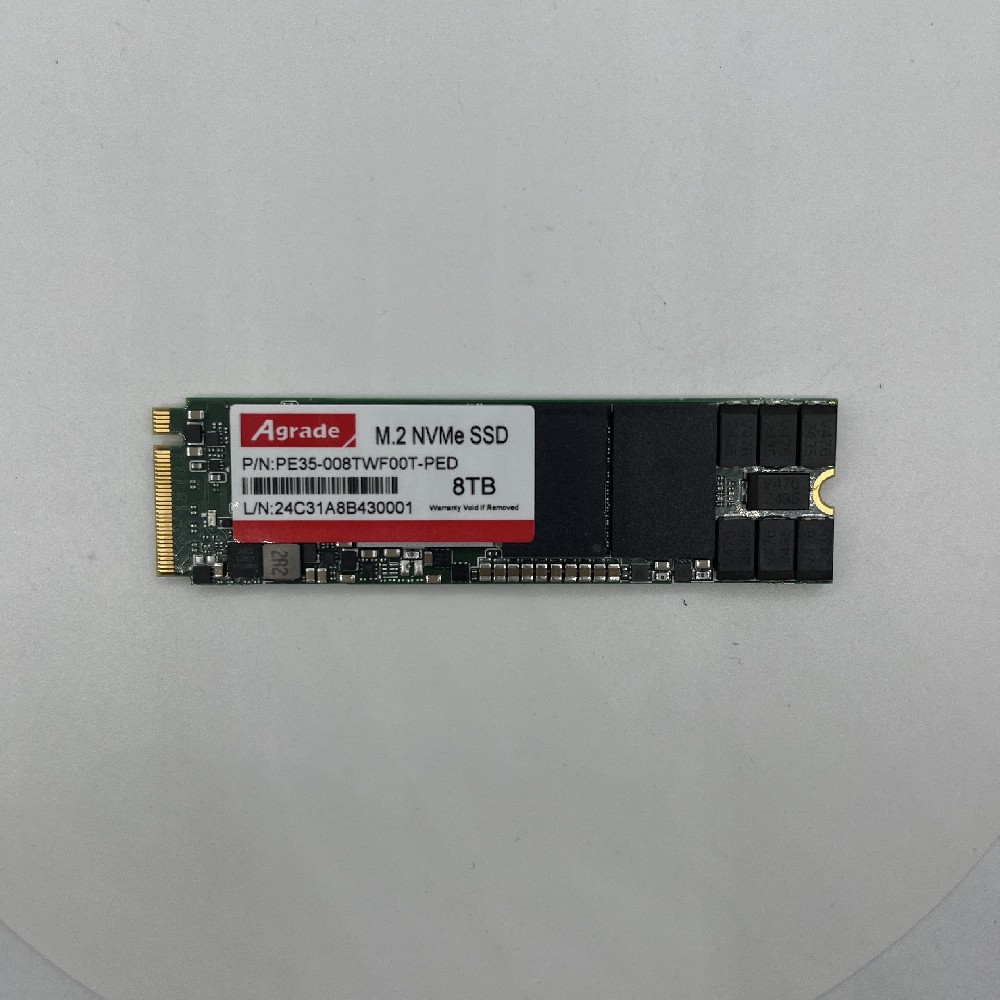
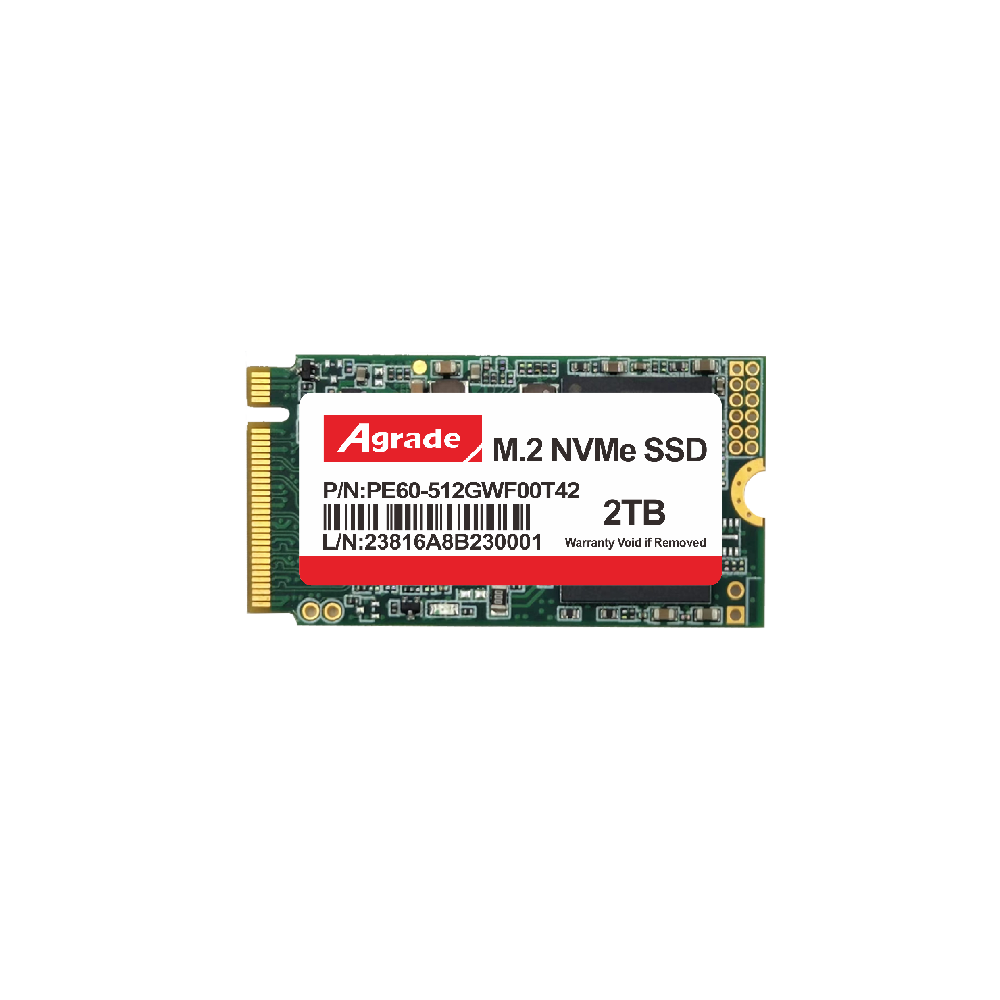
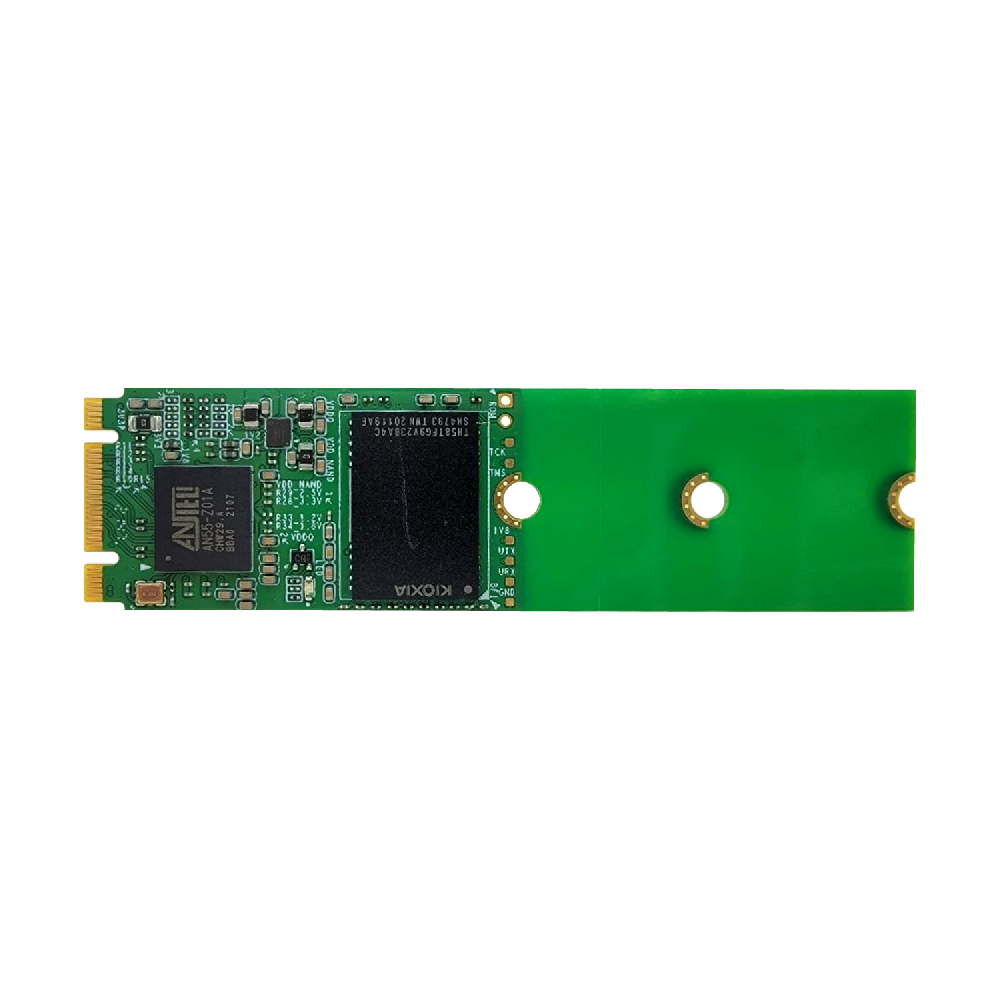
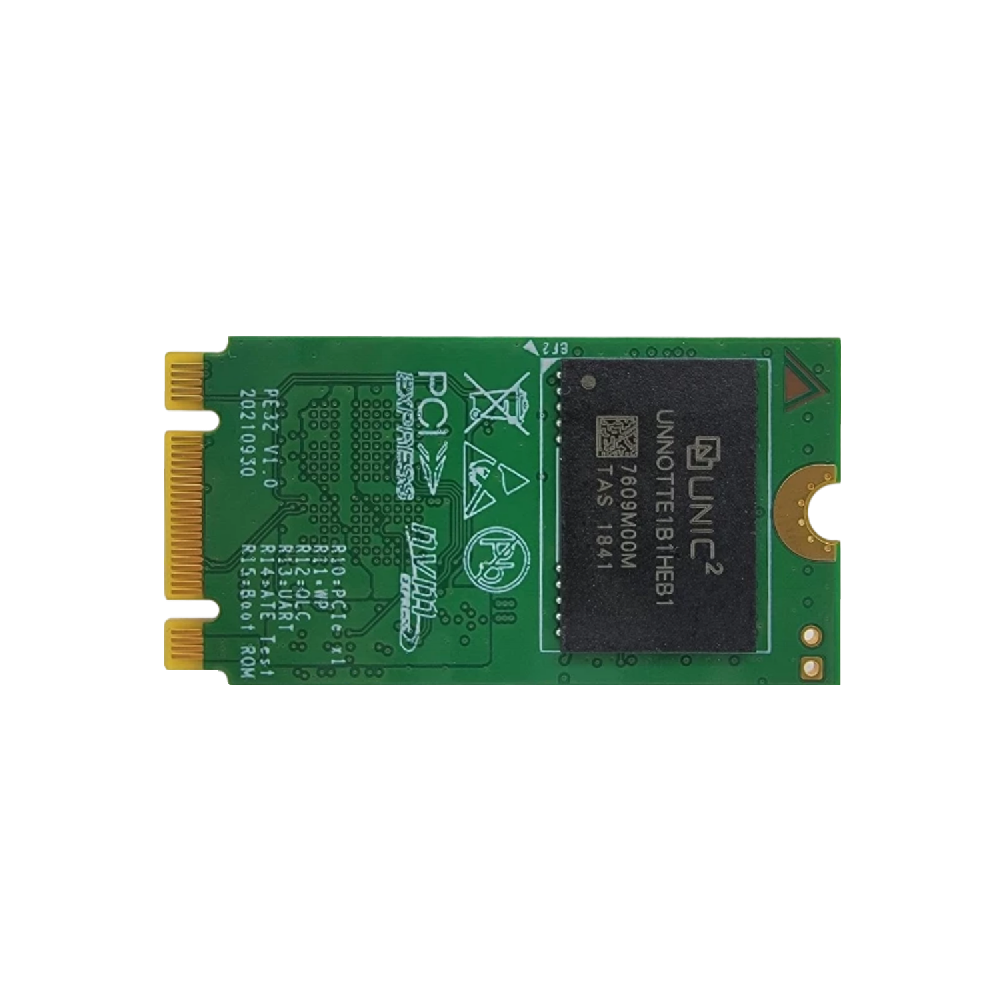
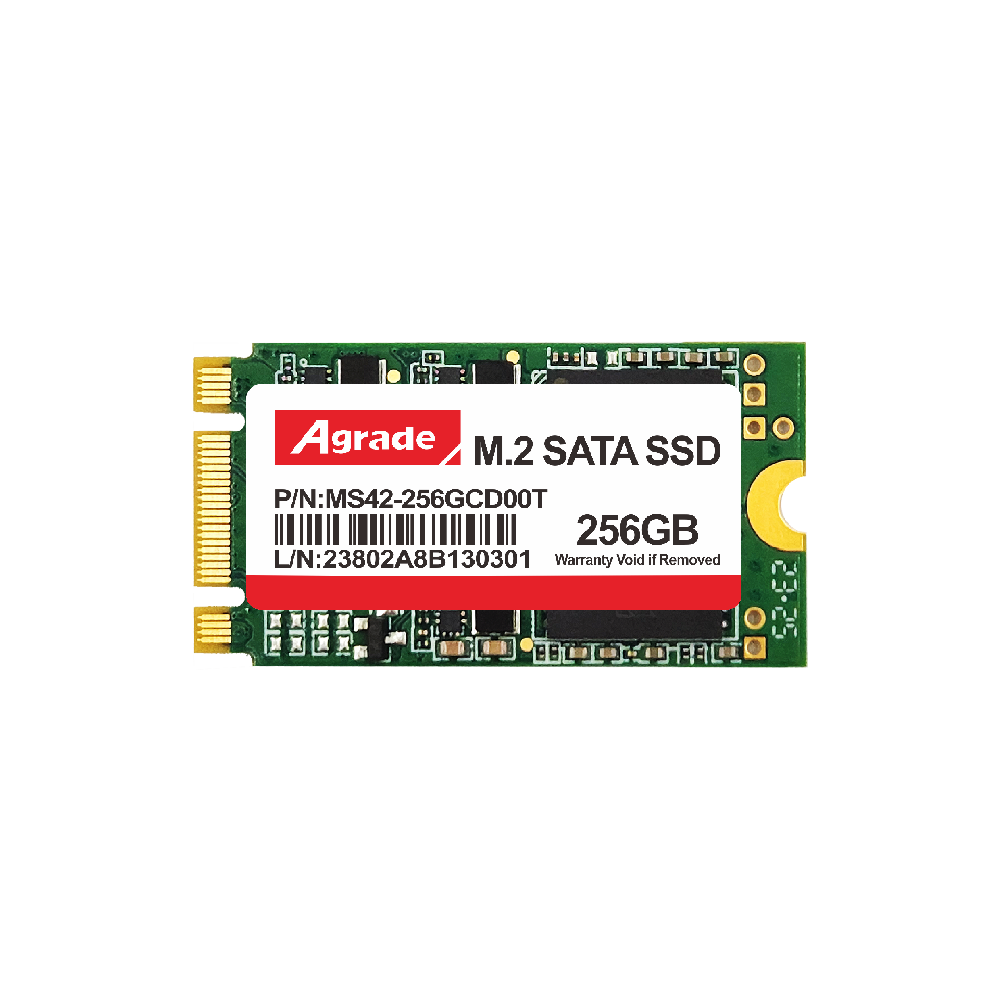
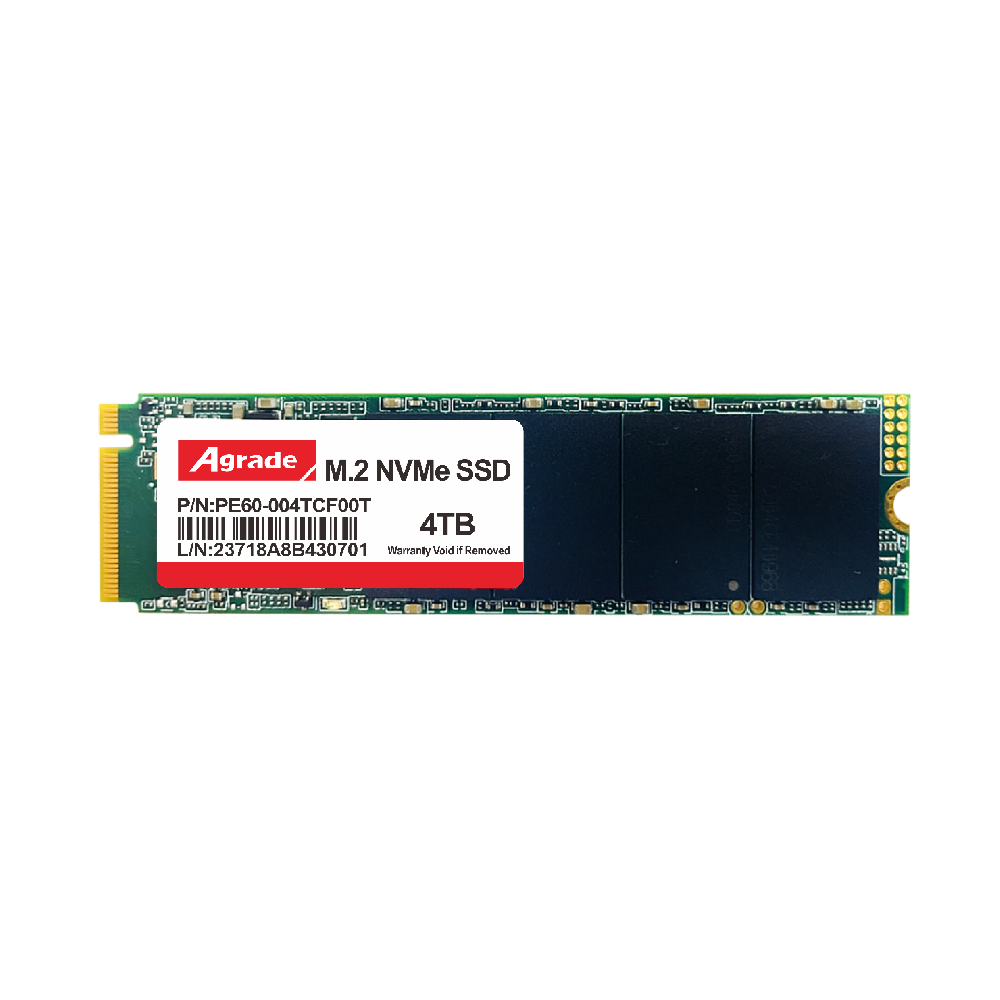
Embedded systems come in diverse form factors, from compact single-board computers to large rack-mount controllers. The most common interfaces for industrial SSDs include SATA III (6 Gbps), M.2 (SATA or NVMe), mSATA, and CFexpress. Choose an interface that matches your system's available bus and performance needs. For space-constrained designs, M.2 2242 or mSATA are popular. For high-speed data processing, NVMe M.2 drives deliver superior throughput. Agrade Storage provides a wide range of industrial SSD form factors, ensuring compatibility with virtually any embedded platform.
Technical Details to Evaluate
NAND Flash Technology
Industrial SSDs use different types of NAND flash: Single-Level Cell (SLC), Multi-Level Cell (MLC), Triple-Level Cell (TLC), and Quad-Level Cell (QLC). SLC offers the highest endurance and reliability but is expensive and lower in capacity. MLC provides a good balance for many embedded tasks. TLC is cost-effective but requires advanced controllers to manage wear leveling and error correction. For critical systems, pSLC mode (where TLC NAND is configured to act like SLC) offers a compelling mix of endurance and cost efficiency. Agrade Storage industrial SSDs often employ pSLC technology to deliver enterprise-level endurance at a competitive price point.
Error Correction and Data Integrity
Embedded systems cannot afford data corruption. Industrial SSDs incorporate advanced Error Correction Code (ECC) algorithms, such as LDPC (Low-Density Parity Check), and sometimes RAID-like data protection across NAND die. These features correct bit errors automatically and extend the usable life of the drive. Additionally, some industrial SSDs support end-to-end data path protection to ensure data integrity from the host interface to the NAND storage. When reviewing industrial storage specifications, check for ECC strength and any additional data integrity features like TCG Opal encryption if security is a concern.
Firmware Customization
Unlike consumer SSDs with generic firmware, industrial SSDs often allow firmware customization to optimize performance for specific workloads. For example, firmware can be tuned for sequential write logging, random read-heavy databases, or balanced mixed workloads. Agrade Storage provides tailored firmware services for embedded system integrators, enabling features like power management, thermal throttling thresholds, and garbage collection strategies that align with the application's usage pattern.
Practical Applications
Industrial Automation and PLCs
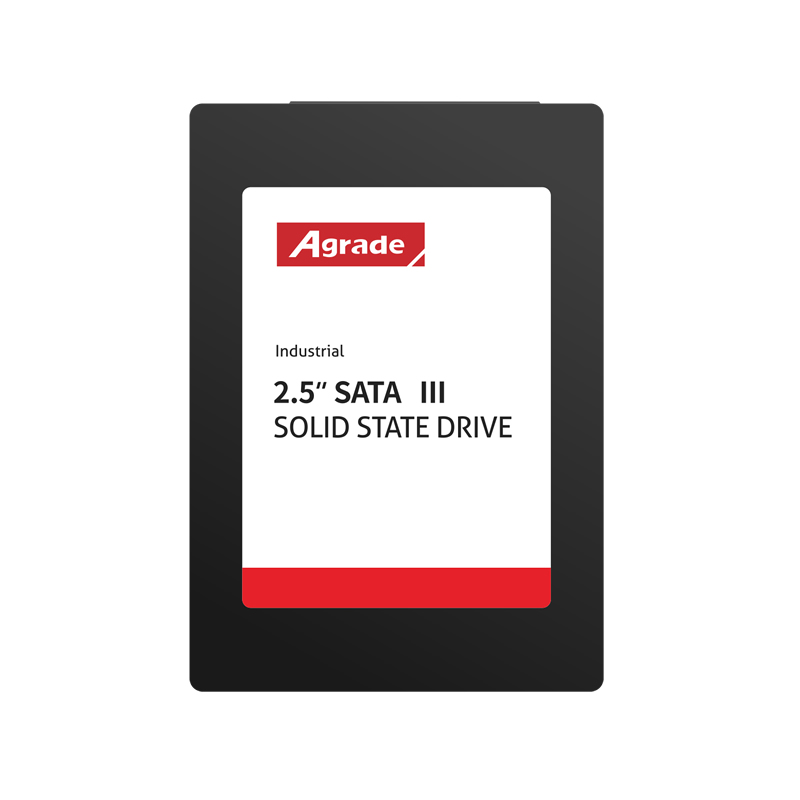
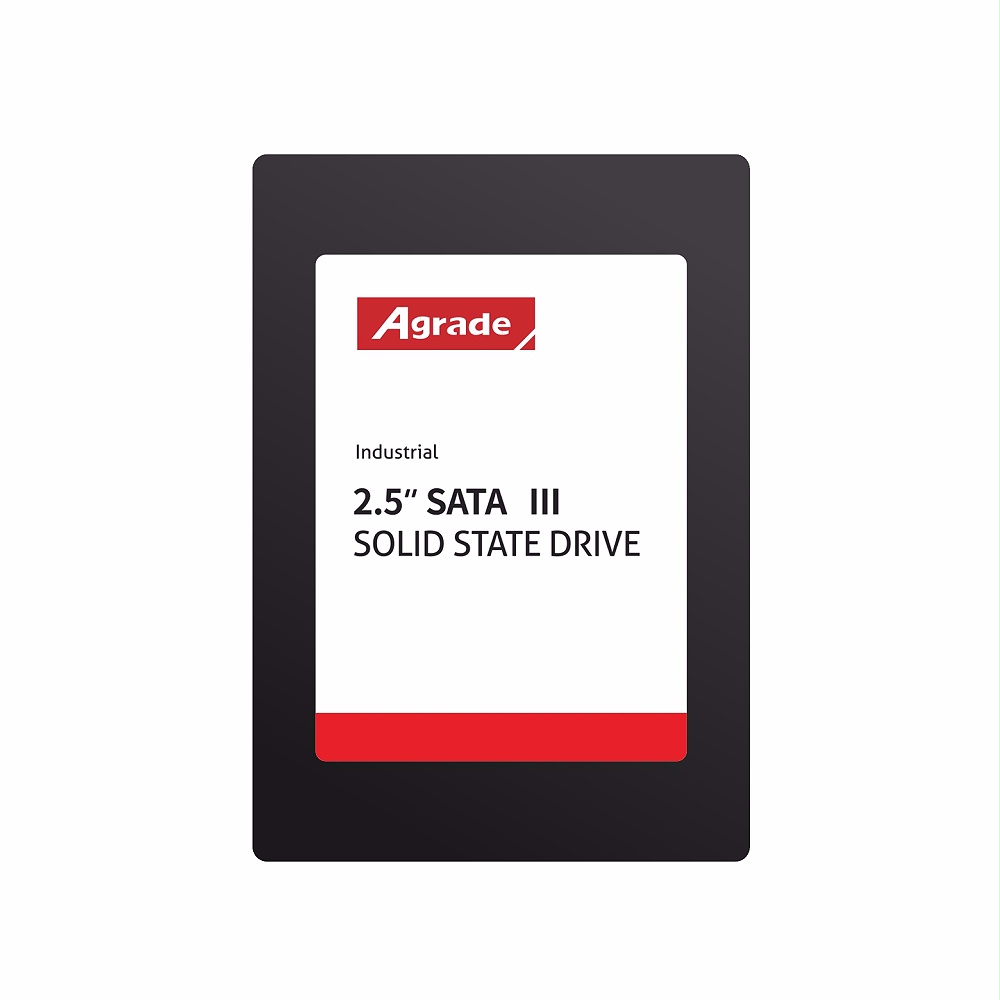
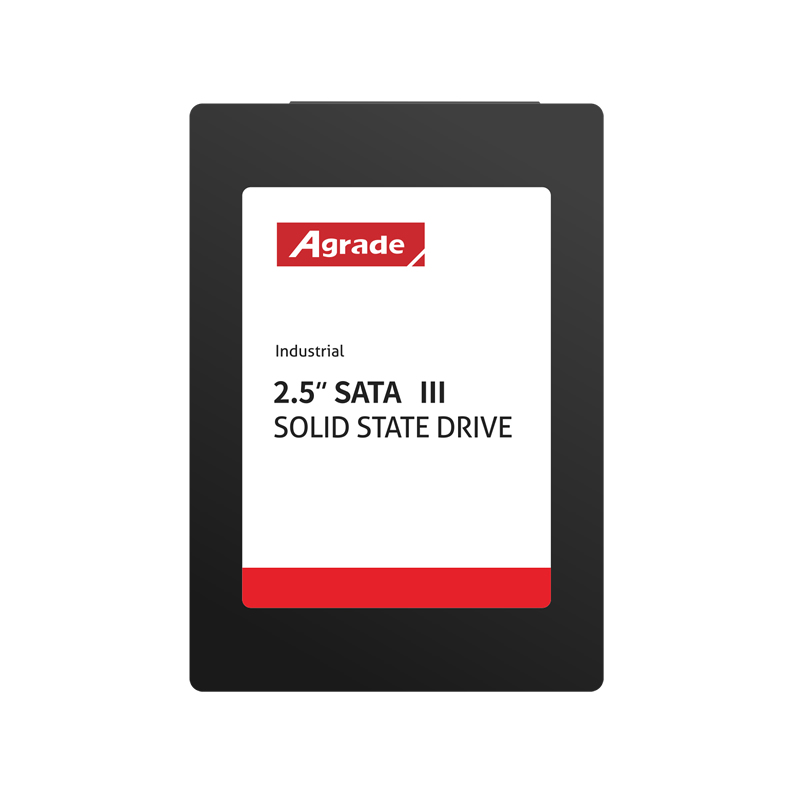
Programmable Logic Controllers (PLCs) and industrial PCs in manufacturing plants require industrial SSDs that can withstand vibration, temperature fluctuations, and continuous writes from logging sensor data. An industrial SSD with high endurance and wide temperature range is essential. For example, Agrade Storage's 2.5-inch SATA industrial SSDs are widely used in factory automation for their shock resistance and consistent write performance over years of 24/7 operation.
Medical Devices
Medical equipment such as patient monitors, diagnostic imaging systems, and infusion pumps demand absolute data integrity and long-term reliability. Power loss protection and low bit error rates are non-negotiable. Industrial SSDs with PLP and medical-grade certification (like ISO 13485 compliant manufacturing) are recommended. Agrade Storage works closely with medical device manufacturers to provide industrial storage solutions that meet stringent regulatory requirements.
Transportation and In-Vehicle Systems
In-vehicle infotainment, telematics, and autonomous driving systems face extreme vibration, temperature swings, and power instability. Industrial SSDs in M.2 or mSATA form factors with conformal coating options protect against moisture and dust. Wide-temperature operation and robust power loss protection are critical. Agrade Storage's rugged industrial SSDs are designed to pass MIL-STD-810G shock and vibration tests, making them ideal for railway, automotive, and aerospace embedded systems.
Network and Edge Computing
Edge servers and network appliances running in remote locations or data centers often use industrial SSDs for boot drives and local caching. High sequential read speeds and low latency are important. NVMe M.2 industrial SSDs from Agrade Storage deliver the performance needed for real-time analytics while maintaining the reliability required for unattended operation.
Conclusion
Selecting the right industrial SSD for embedded systems is a strategic decision that impacts system reliability, maintenance costs, and overall performance. Focus on endurance, temperature range, power loss protection, and form factor compatibility. Evaluate NAND technology, error correction, and firmware customization options to match your specific application demands. Agrade Storage offers a comprehensive portfolio of industrial storage solutions engineered for the most challenging embedded environments. By partnering with a trusted industrial SSD provider, you can ensure your embedded systems operate reliably for years to come. Contact Agrade Storage today to discuss your project requirements and find the perfect industrial SSD for your application.

-
Products
Advantages
-
Solutions
-
News
About us
-
Contact us
Tel:+86 19926658803
Whatsapp:+86 19926658803
lianle1210@163.com
Address: 30CF, Caihong Building, Caihong Road, Futian District, Shenzhen City, Guangdong Province, China


Friendly Links:
