












News


 Agrade Storage Editorial Team
  2026-05-16 16:05:35
 Industrial-Grade Memory: Wide Temperature and Rugged Design Explained
Introduction: Why Standard Memory Fails in Harsh Environments
In the world of industrial computing, reliability is not a luxury—it is a necessity. Standard consumer-grade memory modules and storage drives are designed for controlled office or home environments. When exposed to extreme temperatures, vibration, humidity, or dust, they often fail prematurely, leading to costly downtime, data loss, and equipment damage. This is where industrial-grade memory, specifically wide temperature and rugged design solutions, becomes indispensable. Companies like Agrade Storage have specialized in building industrial storage products that withstand the most punishing conditions. In this article, we will explore the technical specifications, practical applications, and benefits of industrial-grade memory, with a focus on wide temperature tolerance and rugged construction.
What Is Industrial-Grade Memory?
Industrial-grade memory refers to storage components—such as SSDs, DRAM modules, and memory cards—that are engineered to operate reliably under extreme environmental conditions. Unlike commercial off-the-shelf (COTS) parts, industrial memory undergoes rigorous testing and uses higher-quality components, including industrial-grade NAND flash, specialized controllers, and robust firmware. The two most critical features of industrial memory are wide temperature range support and rugged design.
Wide Temperature Range: From Arctic Cold to Desert Heat
Standard consumer SSDs typically operate between 0 degrees Celsius and 70 degrees Celsius. Industrial-grade memory, however, is rated for a much broader range, often from -40 degrees Celsius to 85 degrees Celsius or even wider. This wide temperature capability is achieved through several engineering choices:
- Industrial NAND Flash: Chips are binned to meet stricter voltage and timing tolerances across temperature extremes.
- Thermal Management: Advanced thermal throttling and heat dissipation techniques prevent overheating without sacrificing performance.
- Low-Temperature Boot Support: Special firmware ensures reliable startup even at sub-zero temperatures, where standard drives may freeze or fail to initialize.
- Conformal Coating: A protective layer on the PCB guards against condensation and corrosion caused by rapid temperature changes.
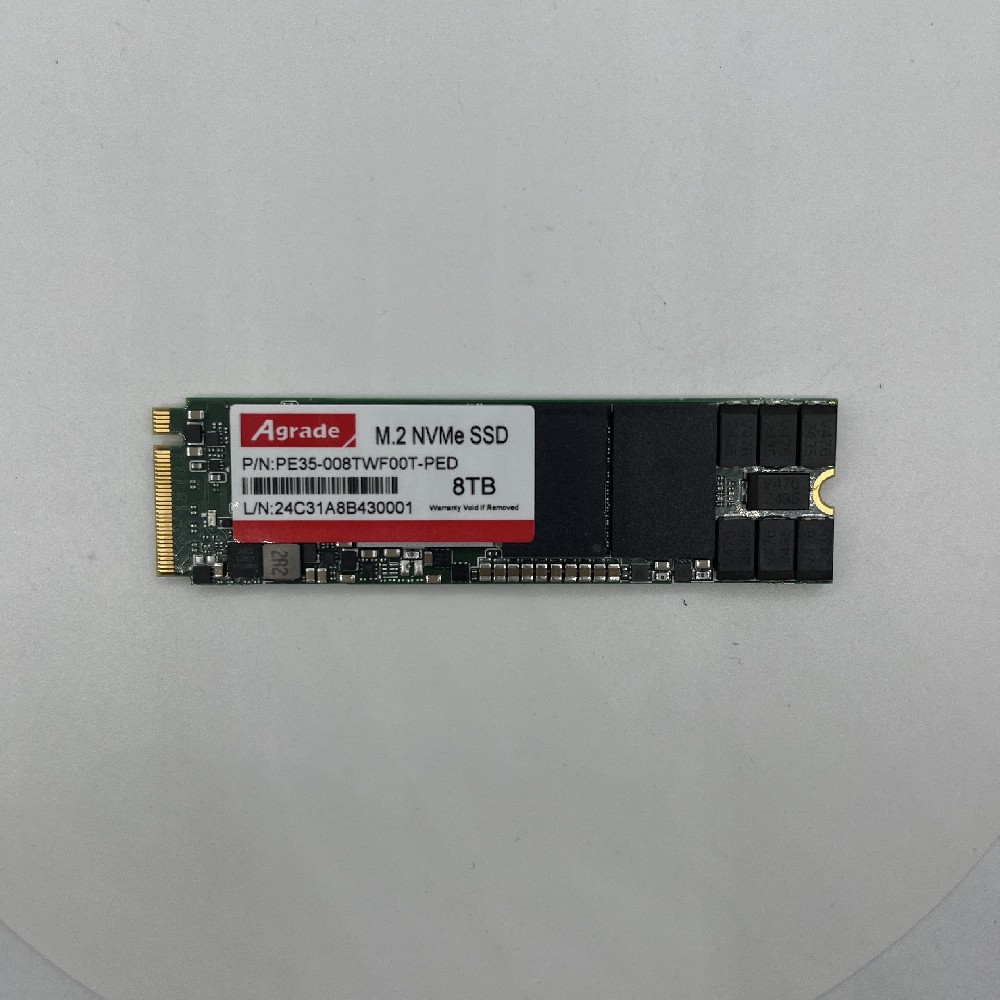
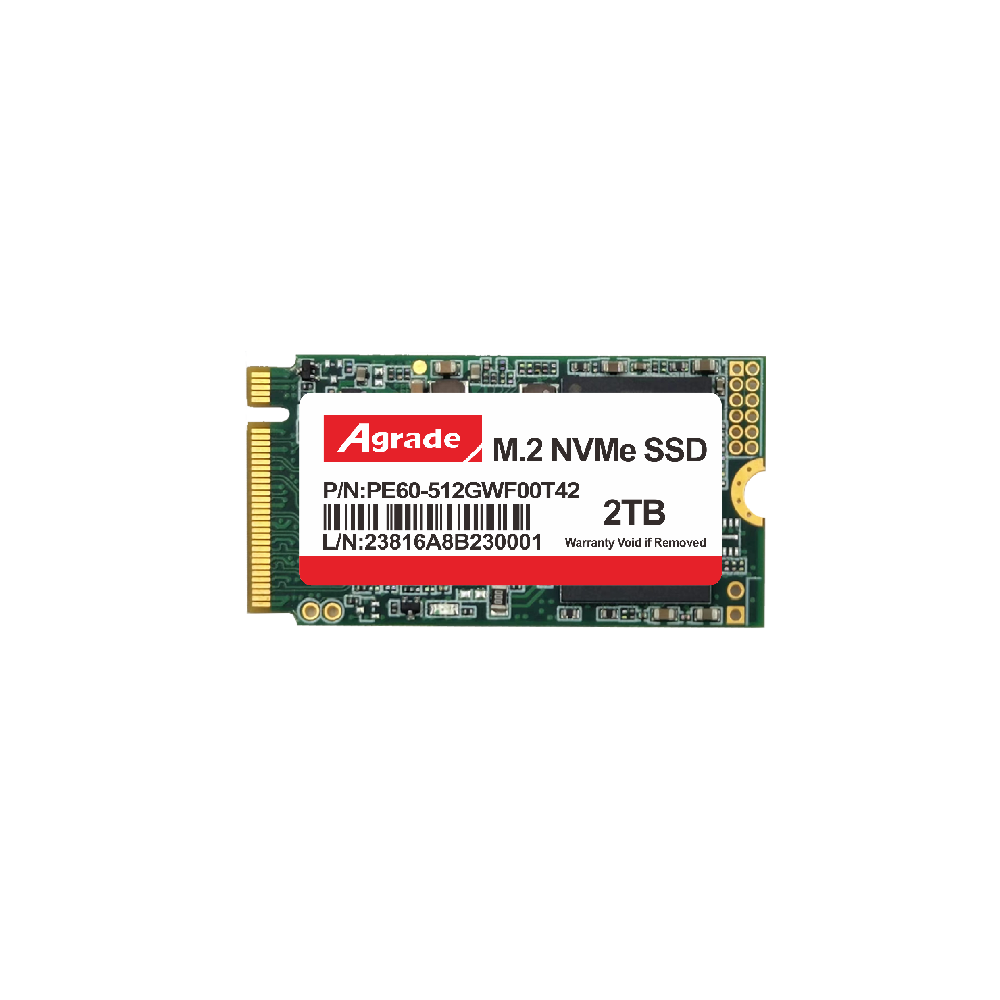
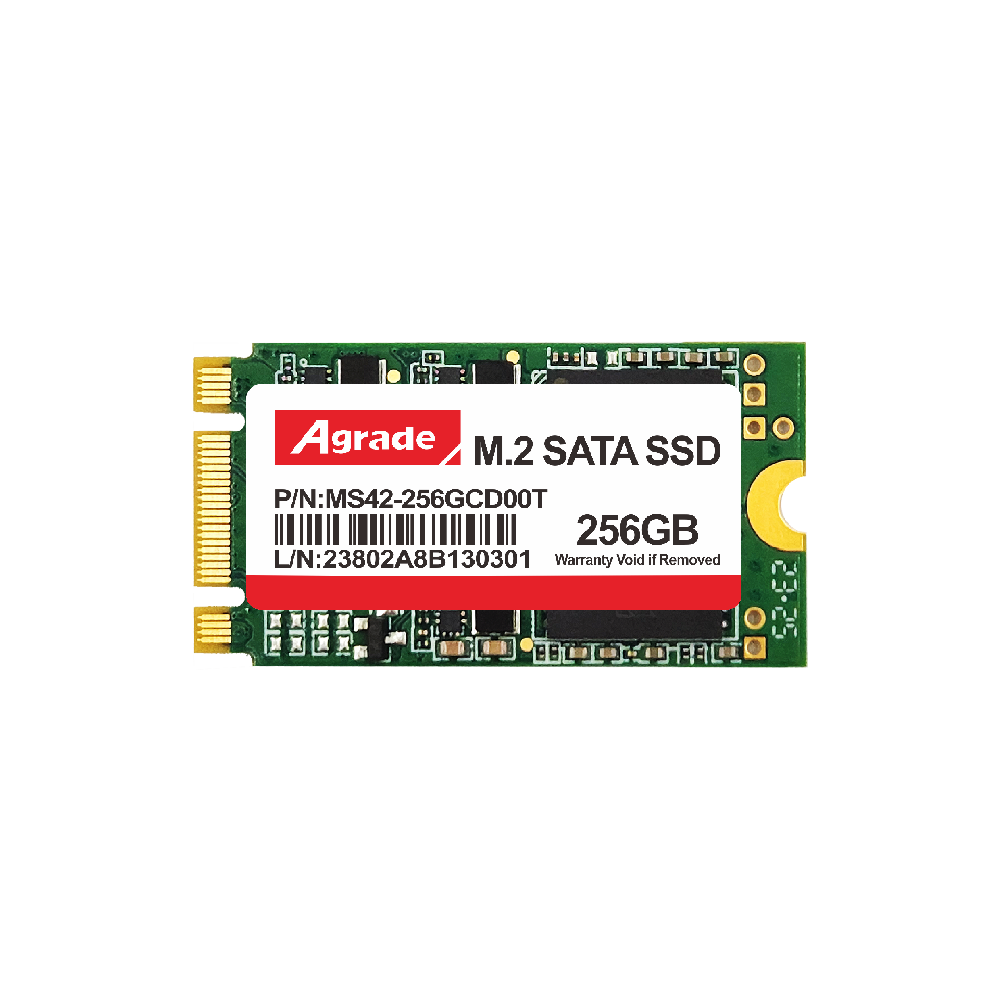
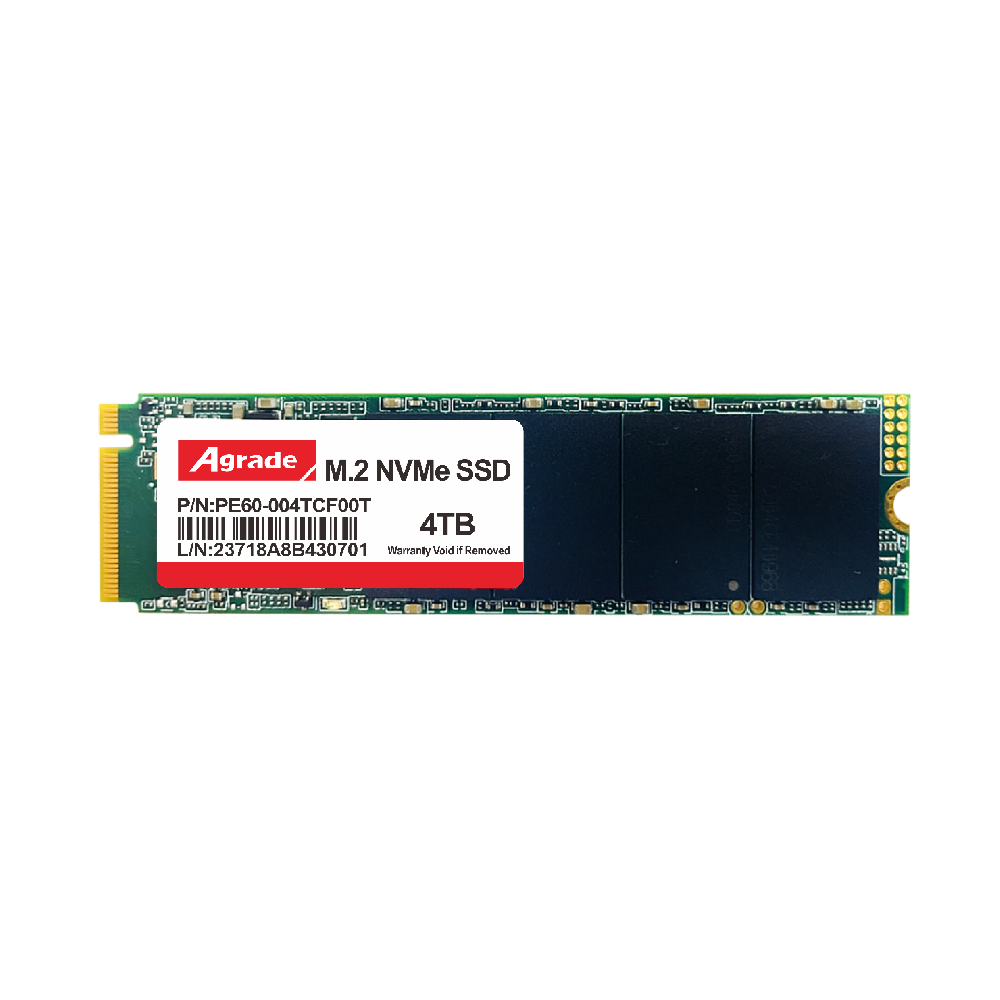
Agrade Storage, for example, offers a range of industrial SSDs that are tested to meet the -40C to 85C specification, ensuring consistent read and write speeds whether deployed in a frozen arctic pipeline monitoring station or a scorching desert solar farm.
Rugged Design: Built to Survive Shock, Vibration, and Contaminants
Rugged design goes beyond temperature tolerance. Industrial storage devices must endure physical stresses that would destroy consumer hardware. Key rugged features include:
- Shock Resistance: Industrial SSDs are rated for up to 1500G of operating shock (compared to 500G for consumer drives). This is critical for equipment in mining, military vehicles, or heavy machinery.
- Vibration Resistance: Random vibration tolerance up to 20G ensures data integrity when mounted on engines, pumps, or rotating equipment.
- Ingress Protection (IP): Many industrial memory modules come with IP67 or higher ratings, meaning they are sealed against dust and can withstand immersion in water.
- Wide Voltage Support: Industrial drives can operate on a broader voltage range (e.g., 4.5V to 5.5V for SATA), protecting against power fluctuations common in factory environments.
When you choose industrial storage from a trusted manufacturer like Agrade Storage, you are investing in a product that has been validated through accelerated life testing (ALT) and temperature cycling tests to ensure years of service in the field.
Technical Details: How Industrial Memory Maintains Performance
Performance consistency under stress is a hallmark of industrial-grade memory. Here are the technical mechanisms that make it possible:
Advanced Error Correction and Data Integrity
Industrial SSDs employ error correction codes (ECC) such as LDPC (Low-Density Parity Check) to automatically detect and fix data errors caused by NAND flash wear or environmental noise. Additionally, end-to-end data protection ensures that data is validated from the host interface to the NAND and back. This is vital in applications like medical imaging or autonomous vehicles, where a single corrupted bit could lead to catastrophic results.
Power Loss Protection (PLP)
Sudden power failures are common in industrial settings. Wide temperature industrial SSDs often include power-loss protection circuits with tantalum capacitors. These provide enough energy to flush write cache data to the NAND flash, preventing file system corruption and preserving data consistency during unexpected shutdowns.
Wear Leveling and Over-Provisioning
Industrial memory uses sophisticated wear-leveling algorithms to distribute write cycles evenly across all NAND cells, maximizing the lifespan of the drive. Additionally, over-provisioning—reserving a portion of the drive’s capacity for background management—helps maintain steady performance even under heavy write loads. Agrade Storage industrial SSDs typically include extra over-provisioning compared to consumer drives, ensuring long-term endurance in write-intensive applications like data logging or video surveillance.
Practical Applications: Where Industrial Memory Makes a Difference
The combination of wide temperature tolerance and rugged design opens up a wide range of deployment scenarios. Below are some key industries and use cases:
Oil and Gas: Remote Monitoring
Pipelines, refineries, and drilling platforms are often located in extreme climates. Equipment used for pressure monitoring, flow control, and leak detection must store data reliably. An industrial SSD from Agrade Storage can operate in the heat of a desert refinery or the cold of an offshore platform without failure, reducing maintenance visits.
Transportation and Logistics: In-Vehicle Computing
Buses, trucks, trains, and agricultural vehicles experience constant vibration and temperature swings. In-vehicle computers that manage GPS tracking, telematics, or infotainment require solid-state drives that can handle these conditions. Wide temperature, shock-resistant SSDs ensure that critical logs and route data are never lost.
Military and Aerospace: Mission-Critical Data
Defense systems, drones, and avionics demand the highest level of reliability. Industrial memory with wide temperature ratings and rugged enclosures is used for radar data storage, flight recorders, and battlefield computers. These drives often comply with military standards like MIL-STD-810 for environmental testing.
Factory Automation and Robotics
Automated assembly lines and robotic arms generate enormous amounts of data for quality control and predictive maintenance. The heat, dust, and electrical noise of a factory floor require industrial storage that can sustain continuous read/write cycles without thermal shutdown. Industrial SSDs with conformal coating and wide voltage support are ideal for these environments.
Edge Computing and IoT Gateways
With the rise of the Internet of Things (IoT), many edge devices are deployed in uncontrolled locations—inside utility boxes, on rooftops, or in agricultural fields. These devices need industrial-grade memory to process and store sensor data locally before transmitting it to the cloud. The wide temperature range ensures operation through seasonal temperature extremes.
Conclusion: Invest in Reliability with Agrade Storage
Industrial-grade memory with wide temperature and rugged design is not a one-size-fits-all product; it is a specialized solution engineered for environments where consumer hardware falls short. By choosing components that are built to withstand extreme cold, blistering heat, physical shock, and contaminants, you protect your operations from unexpected failures, reduce total cost of ownership, and ensure data integrity over the long term.
Whether you are designing a new piece of industrial equipment or upgrading an existing system, consider partnering with a manufacturer that understands the demands of harsh environments. Agrade Storage offers a comprehensive portfolio of industrial SSDs, memory modules, and storage solutions that meet the strictest requirements for wide temperature operation and rugged durability. From -40C to 85C, from heavy vibration to dusty worksites, Agrade Storage products deliver the performance and reliability that industrial applications demand.
Ready to spec your next project with industrial-grade memory? Contact Agrade Storage today to discuss your requirements and find the perfect storage solution for your environment.

-
Products
Advantages
-
Solutions
-
News
About us
-
Contact us
Tel:+86 19926658803
Whatsapp:+86 19926658803
lianle1210@163.com
Address: 30CF, Caihong Building, Caihong Road, Futian District, Shenzhen City, Guangdong Province, China


Friendly Links:
