












News


 Agrade Storage Editorial Team
  2026-05-25 16:22:21
 Industrial SSD Buying Guide: 10 Factors to Consider for Reliable Storage
Introduction
In the world of industrial computing, storage reliability is not a luxury—it is a necessity. Unlike consumer-grade solid-state drives (SSDs), industrial SSDs are designed to operate in harsh environments, endure constant read/write cycles, and maintain data integrity over years of service. Whether you are deploying storage in factory automation, medical devices, transportation systems, or edge computing, selecting the wrong drive can lead to costly downtime and data loss. This guide outlines the ten essential factors to consider when buying an industrial SSD, with insights from industry leaders like Agrade Storage. By the end, you will have a clear roadmap for choosing the right industrial storage solution for your application.
1. NAND Flash Type
The type of NAND flash memory inside an industrial SSD directly impacts its performance, endurance, and cost. The three main types are Single-Level Cell (SLC), Multi-Level Cell (MLC), and Triple-Level Cell (TLC). SLC stores one bit per cell and offers the highest endurance and reliability, making it ideal for write-intensive industrial applications. MLC stores two bits per cell and provides a good balance of performance and cost. TLC stores three bits per cell and is more affordable but has lower endurance. For critical industrial storage, SLC or high-quality MLC are recommended. Agrade Storage offers SSDs with all three NAND types, allowing you to match the technology to your workload.
2. Endurance and TBW (Terabytes Written)
Endurance is measured in Terabytes Written (TBW), which indicates how much data can be written to the drive over its lifetime before it may fail. Industrial SSDs must handle continuous logging, data acquisition, and frequent updates. A low TBW rating will lead to premature wear. For example, a drive with 100 TBW is suitable for light logging, while an industrial SSD with 1000 TBW or more is required for heavy transactional systems. Always calculate your expected annual write volume and choose a drive with at least 20% headroom. Agrade Storage industrial SSDs are engineered with advanced wear-leveling algorithms to maximize TBW and extend operational life.
3. Operating Temperature Range
Consumer SSDs typically operate between 0°C and 70°C. Industrial environments often exceed this range, with temperatures dropping below freezing or rising above 85°C in enclosures. An industrial SSD should support an extended temperature range of -40°C to 85°C. This ensures reliable boot-up and operation in unheated warehouses, outdoor equipment, or near hot machinery. Always verify the temperature specifications and look for industrial-grade components that can withstand thermal cycling. Agrade Storage provides industrial SSDs with wide temperature support, tested for thermal shock and sustained high heat.
4. Shock and Vibration Resistance
Industrial equipment is subject to constant shock and vibration from motors, conveyors, vehicles, and impacts. Unlike hard drives, SSDs have no moving parts, but the PCB and solder joints can still fail under extreme conditions. Look for SSDs that meet military or industrial standards for shock (e.g., 1500G) and vibration (e.g., 20G). Some industrial SSDs also feature conformal coating to protect against moisture, dust, and corrosive gases. Agrade Storage designs its industrial SSDs with robust mechanical enclosures and reinforced connectors to handle the toughest environments.
5. Power Loss Protection (PLP)
Unexpected power loss can corrupt data or damage the drive’s mapping tables. Industrial SSDs with Power Loss Protection (PLP) use capacitors to provide enough energy to flush the write cache and safely shut down the drive. This is critical in applications like medical imaging, railway signaling, or industrial controllers where data integrity is paramount. Without PLP, a sudden power cut may lead to data loss or require a full disk rebuild. Ensure the industrial SSD you choose includes hardware-based PLP for enterprise-grade reliability. Agrade Storage integrates PLP into many of its industrial SSD models.
6. Form Factor and Interface
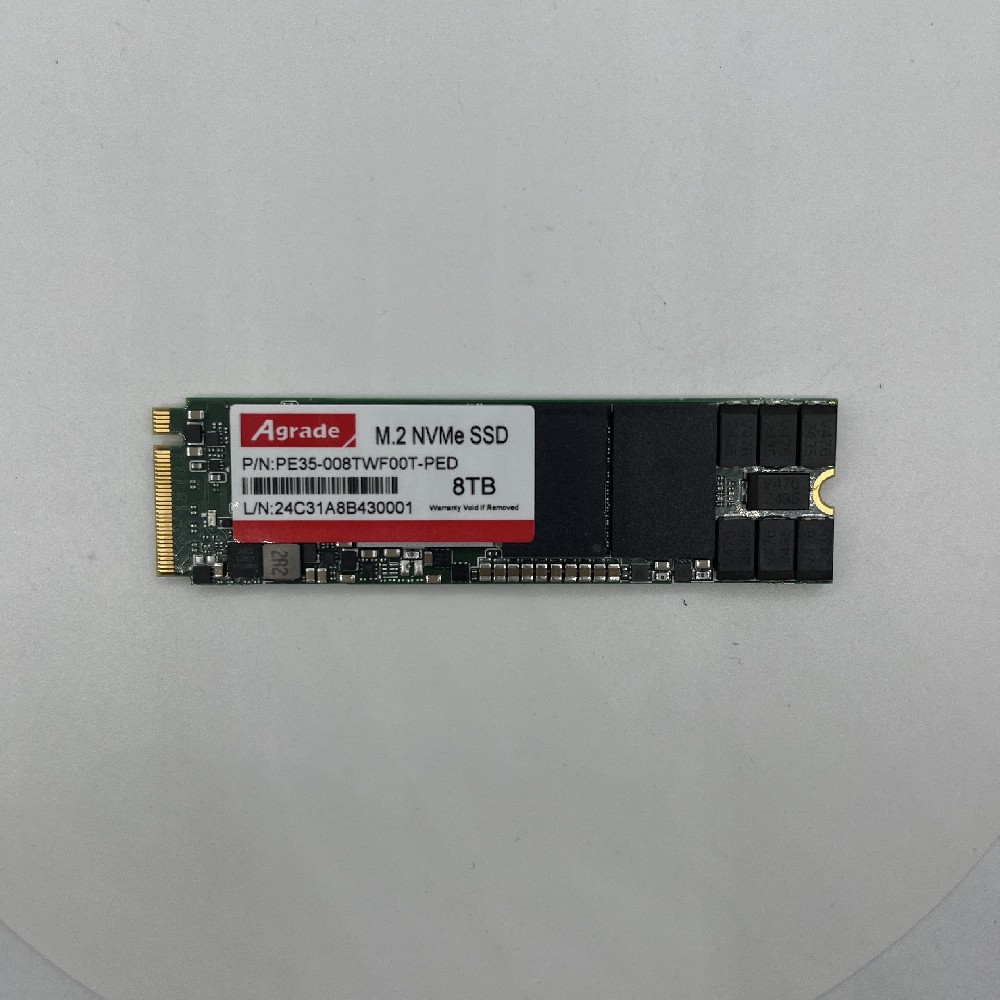
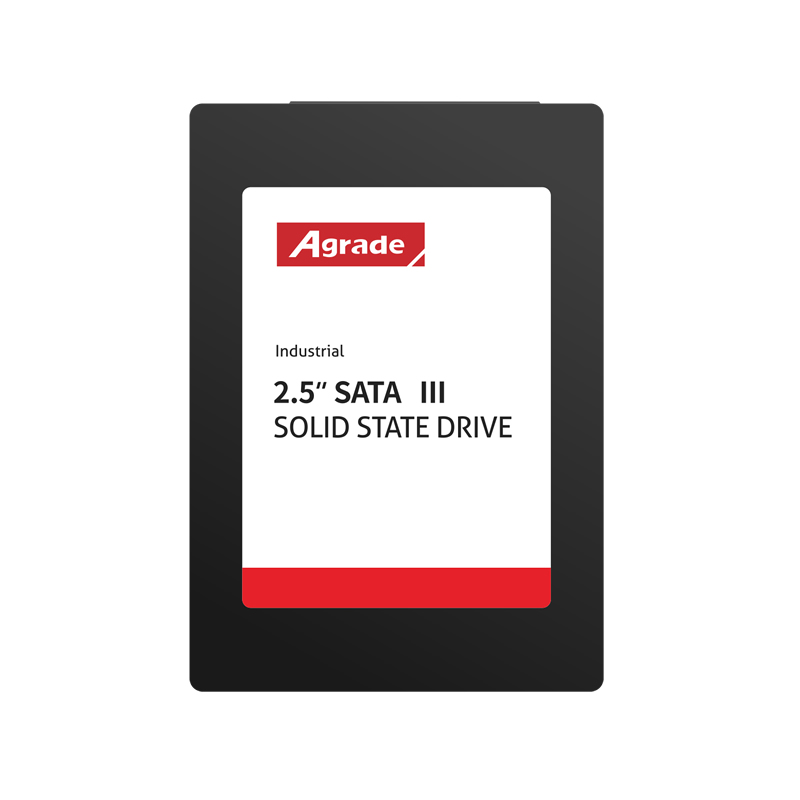
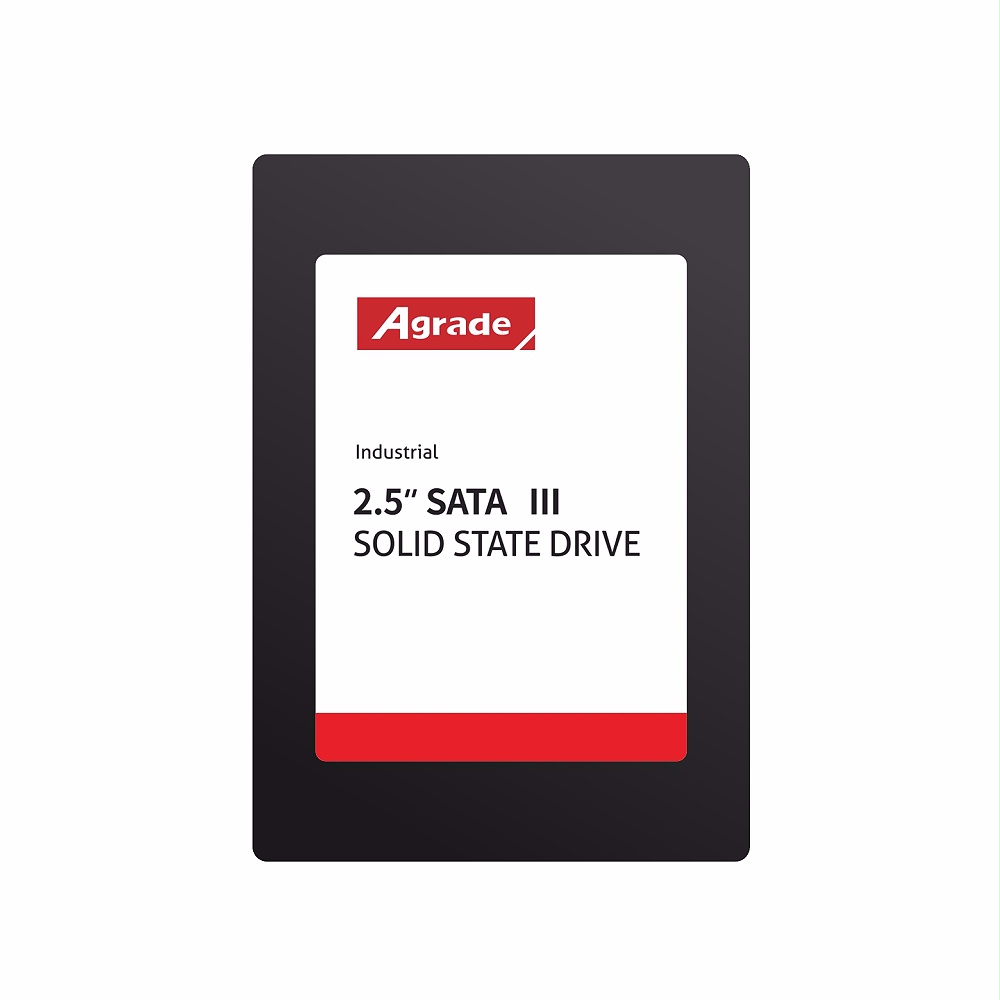
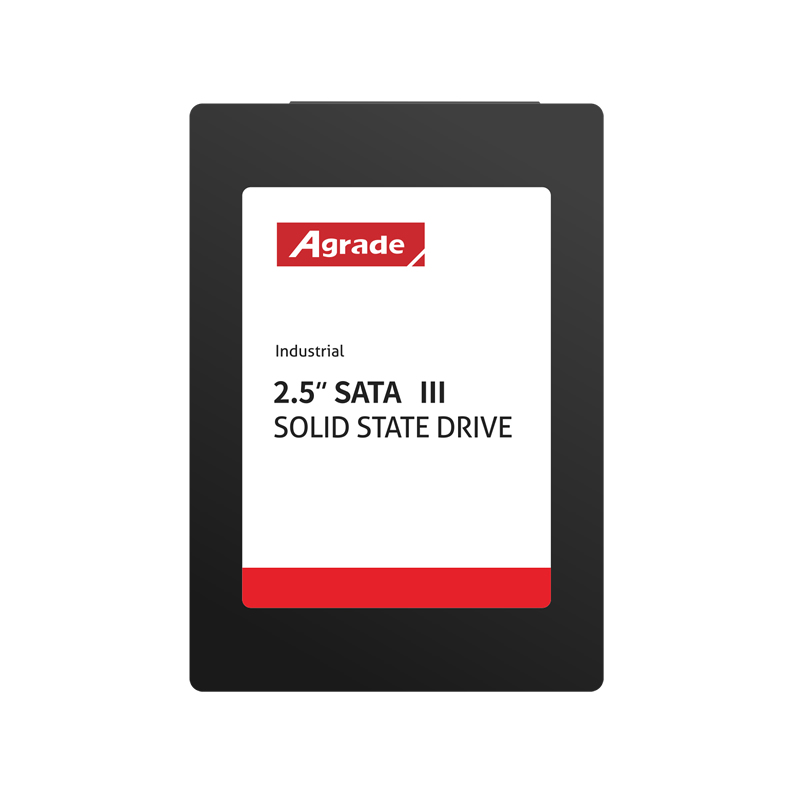
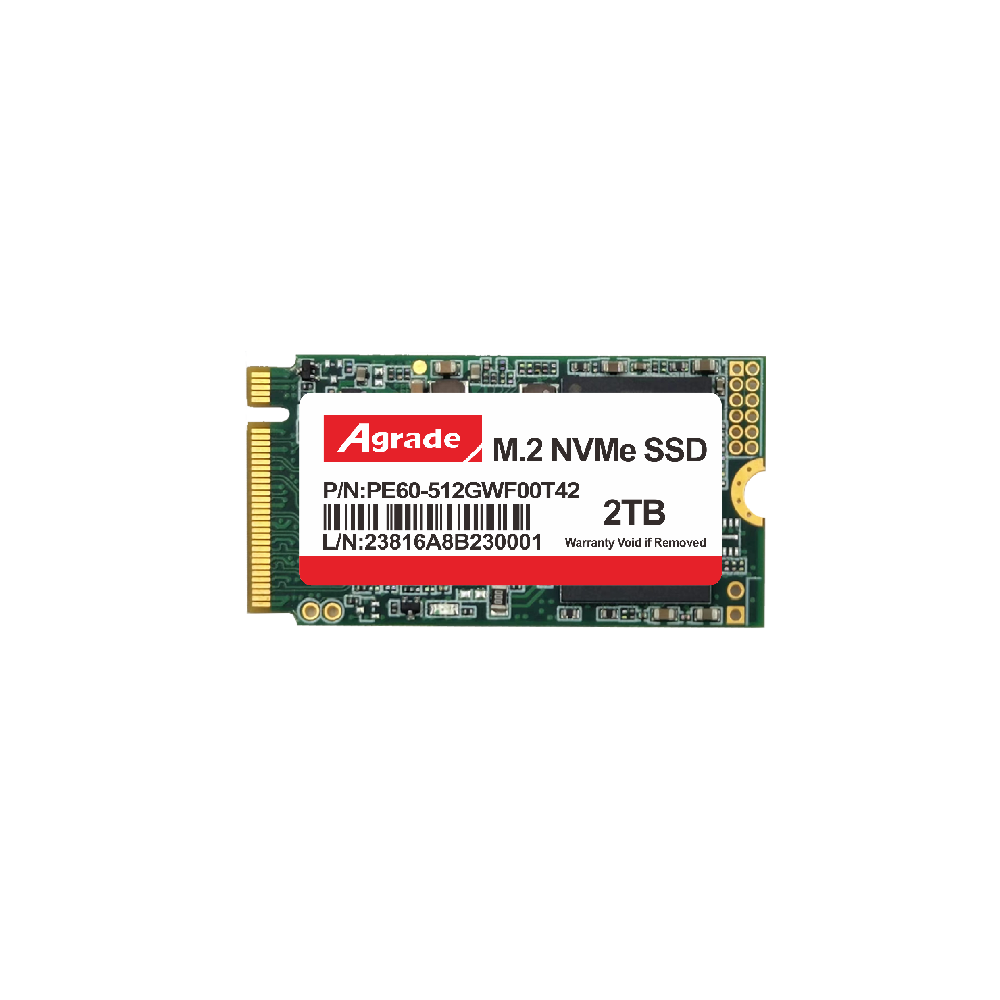
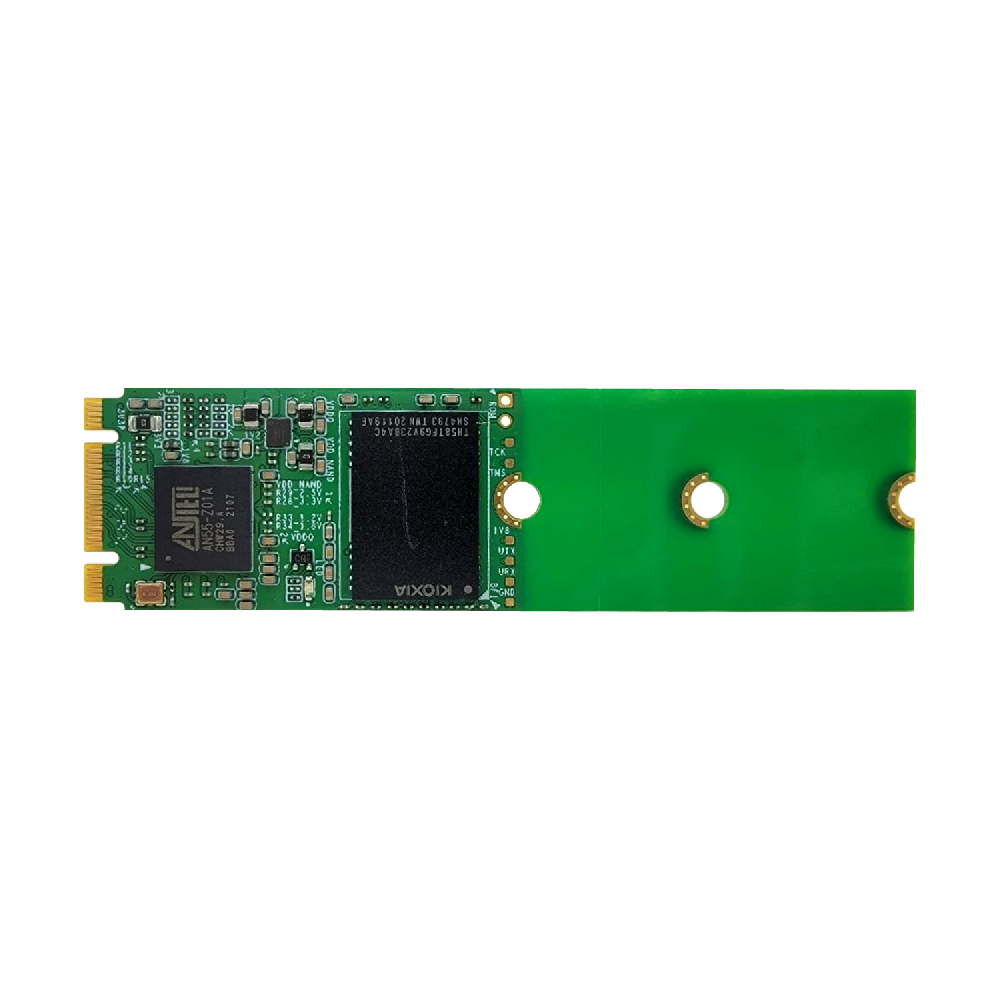
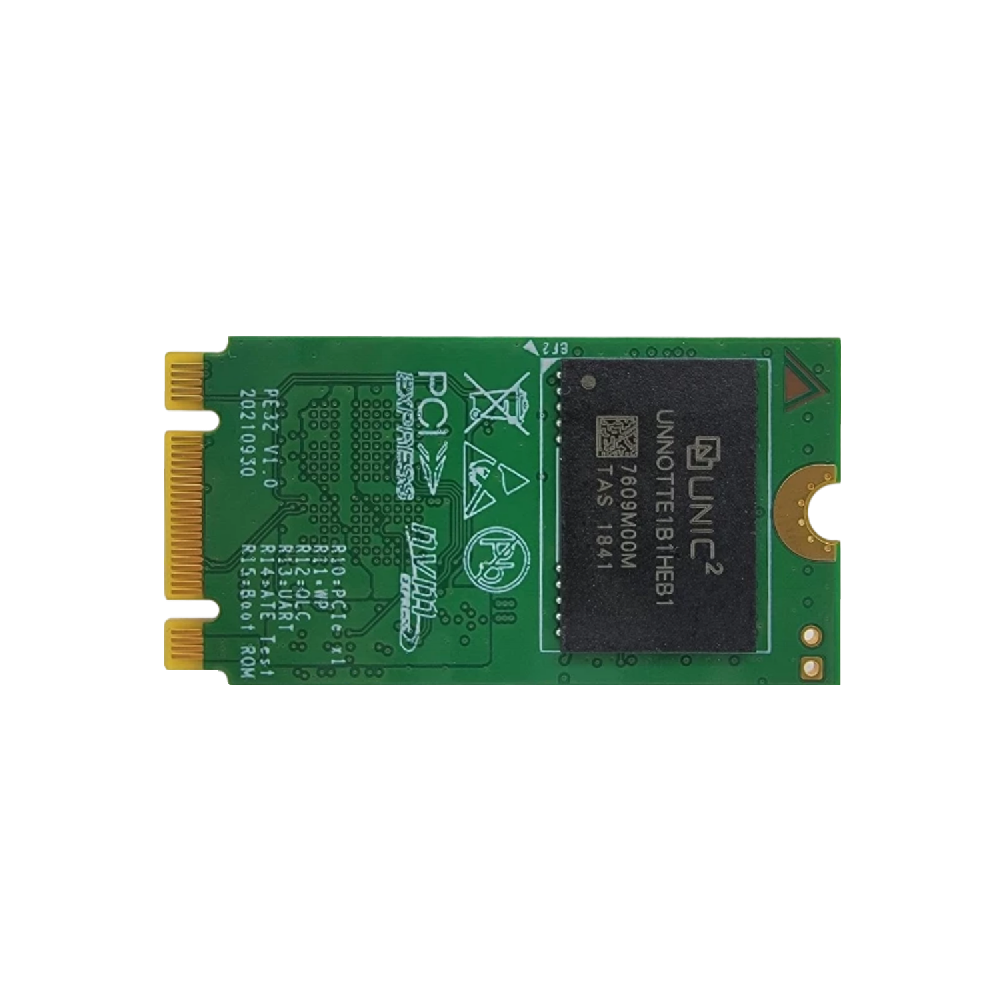
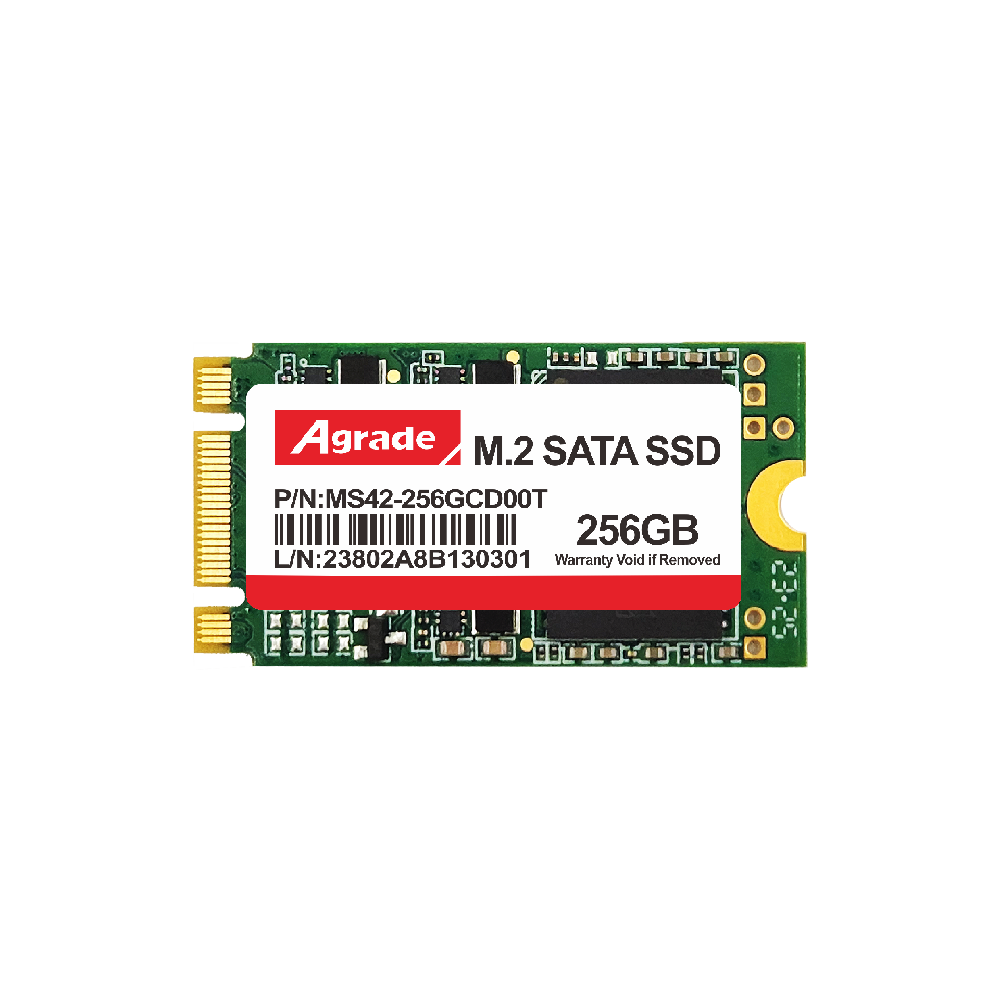
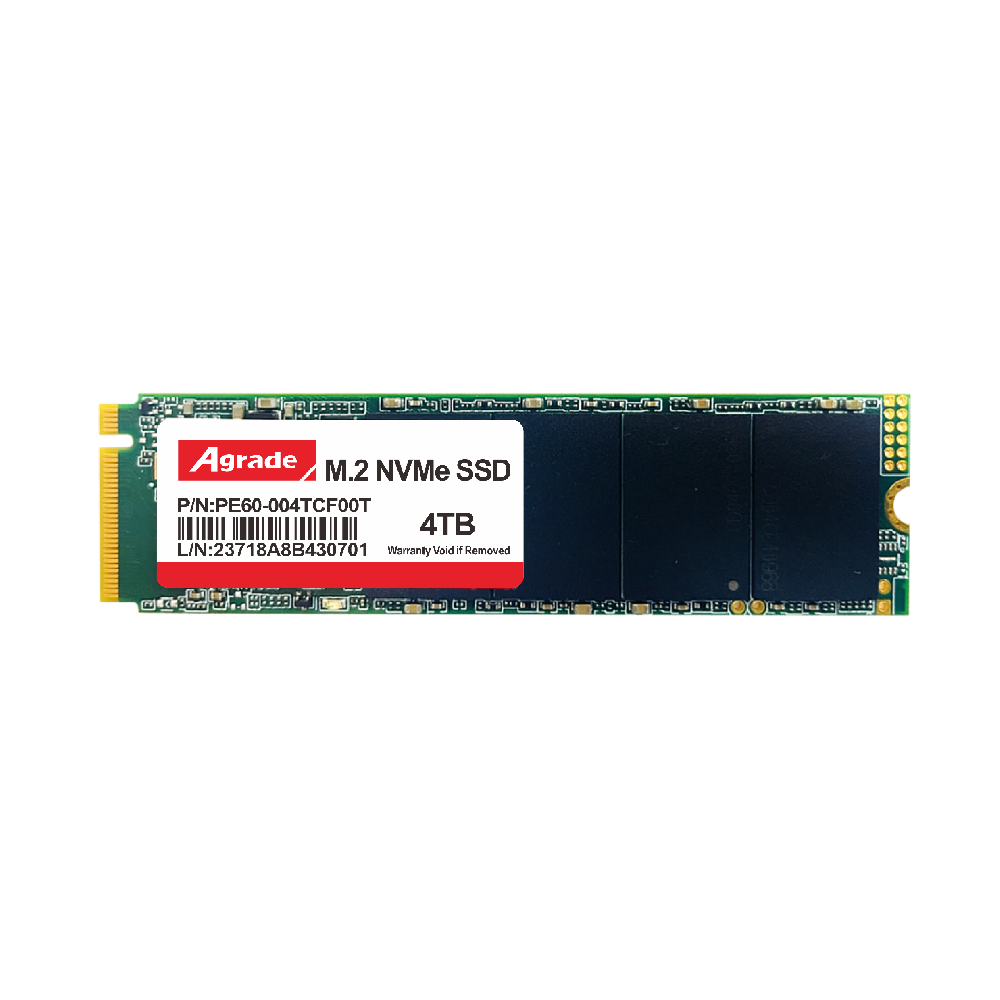
Industrial SSDs come in various form factors: 2.5-inch SATA, M.2, mSATA, and U.2. The interface—SATA III, PCIe Gen 3 or Gen 4, or NVMe—determines data transfer speed. For legacy systems, SATA may be sufficient, but modern applications benefit from the lower latency and higher throughput of NVMe over PCIe. Consider physical space constraints, thermal management, and connector availability. An M.2 2280 industrial SSD with NVMe offers a compact, high-performance solution for embedded systems. Agrade Storage offers a full range of form factors and interfaces to fit diverse industrial storage architectures.
7. Data Retention and Longevity
Industrial systems may remain powered off for extended periods, such as in seasonal equipment or backup storage. Data retention refers to how long the SSD can hold data without power. Consumer SSDs may retain data for 1-2 years, while industrial SSDs are designed for 5-10 years of data retention at rated temperatures. This is influenced by NAND quality, controller firmware, and operating temperature. If your application involves long-term archival or infrequent power-up, prioritize industrial SSDs with high data retention specifications. Agrade Storage validates its industrial SSDs for long-term reliability through accelerated aging tests.
8. Controller and Firmware Features
The SSD controller manages data flow, wear leveling, error correction, and garbage collection. Industrial-grade controllers offer advanced features like end-to-end data protection, low-density parity check (LDPC) ECC, and predictable latency. Proprietary firmware can optimize the drive for specific workloads, such as sequential logging or random small-block writes. Some controllers also support TCG Opal encryption for data security. Avoid generic consumer controllers in industrial applications. Agrade Storage partners with leading controller vendors and customizes firmware to meet the unique demands of industrial storage.
9. Security and Encryption
Data security is increasingly important in industrial systems, especially those handling proprietary designs, personal data, or critical infrastructure. Look for industrial SSDs that support hardware-based AES 256-bit encryption, TCG Opal 2.0, or secure erase commands. These features protect data at rest and allow for safe decommissioning. Software encryption can be used, but hardware encryption offloads processing and has less performance impact. If your application falls under regulations like GDPR, HIPAA, or NIST, choose an industrial SSD with certified security features. Agrade Storage offers SSDs with built-in encryption to meet compliance requirements.
10. Manufacturer Support and Longevity
Consumer SSDs often have short product lifecycles and may be discontinued within months, making replacements or firmware updates difficult. Industrial storage requires long-term availability and support—typically 3 to 5 years or more. Choose a manufacturer that provides detailed technical documentation, firmware customization, and end-of-life notifications. Agrade Storage is committed to industrial-grade product longevity and offers dedicated engineering support for OEM and system integrator customers. A reliable manufacturer ensures that your supply chain and maintenance cycles remain stable.
Practical Applications
Industrial SSDs are deployed across many sectors. In factory automation, they store PLC programs and machine logs while enduring vibration and heat. In medical imaging, high-speed NVMe industrial SSDs enable real-time data processing with power loss protection. In transportation, such as railway or avionics, wide-temperature SSDs operate reliably from desert heat to alpine cold. Edge computing systems benefit from compact M.2 industrial SSDs with high endurance for continuous data ingestion. By aligning your selection with the factors above, you can match the drive to the environment and workload.
Conclusion
Choosing the right industrial SSD is a strategic decision that affects system reliability, data integrity, and total cost of ownership. By considering NAND type, endurance, temperature range, shock resistance, power loss protection, form factor, data retention, controller features, security, and manufacturer support, you can confidently select a drive that meets your specific needs. Industrial storage from trusted providers like Agrade Storage delivers the robustness and performance required for mission-critical applications. Evaluate each factor against your operational requirements, and invest in an industrial SSD that will serve your system for years to come. For more guidance, contact Agrade Storage to discuss your project requirements.

-
Products
Advantages
-
Solutions
-
News
About us
-
Contact us
Tel:+86 19926658803
Whatsapp:+86 19926658803
lianle1210@163.com
Address: 30CF, Caihong Building, Caihong Road, Futian District, Shenzhen City, Guangdong Province, China


Friendly Links:
