












News


 Agrade Storage Editorial Team
  2026-05-25 16:01:53
 Industrial SSD vs Consumer SSD: Key Differences Explained
Introduction
When it comes to choosing the right solid-state drive for your system, the decision often boils down to two main categories: industrial SSD and consumer SSD. While both use NAND flash memory to store data, they are engineered for vastly different environments and workloads. Industrial storage solutions, like those offered by Agrade Storage, are built to withstand harsh conditions, while consumer SSDs are optimized for everyday computing tasks. In this article, we will explore the key differences between industrial SSD vs consumer SSD, covering performance, durability, reliability, and practical applications. By the end, you will have a clear understanding of which type of storage is best suited for your needs.
What is an Industrial SSD?
An industrial SSD is a high-performance storage device designed for use in demanding environments such as manufacturing plants, military systems, transportation, and medical equipment. These drives are built with robust components that can handle extreme temperatures, shock, vibration, and continuous operation. Agrade Storage specializes in industrial SSDs that meet rigorous industry standards, ensuring data integrity and long-term reliability in mission-critical applications.
What is a Consumer SSD?
Consumer SSDs are designed for personal computers, laptops, and gaming consoles. They prioritize speed and affordability for typical workloads like web browsing, office applications, and media consumption. While consumer drives offer excellent performance for everyday use, they lack the durability and advanced features required for industrial environments. They typically operate within a narrower temperature range and have lower write endurance compared to their industrial counterparts.
Key Differences Between Industrial SSD and Consumer SSD
1. Temperature Tolerance
One of the most significant differences is the operating temperature range. Consumer SSDs typically operate between 0°C and 70°C. In contrast, industrial SSDs can function in extreme conditions ranging from -40°C to 85°C or higher. This makes industrial SSDs ideal for outdoor installations, automotive systems, and factory automation where temperature fluctuations are common.
2. Shock and Vibration Resistance
Industrial SSDs are engineered to endure high levels of shock and vibration that would damage a consumer drive. They use reinforced connectors, secure mounting, and advanced firmware to protect data integrity during physical disturbances. Consumer SSDs, while more resilient than HDDs, are not built for constant vibration or impact, making them unsuitable for heavy machinery or mobile equipment.
3. Write Endurance and Lifespan
Write endurance is measured by the total terabytes written (TBW) over the drive's life. Industrial SSDs offer significantly higher TBW ratings because they use higher-quality NAND flash and advanced wear-leveling algorithms. For example, an industrial SSD from Agrade Storage can sustain continuous read/write cycles for years in data-logging or surveillance applications. Consumer SSDs have lower TBW, as they are designed for intermittent use with lighter workloads.
4. Data Integrity and Error Correction
Industrial SSDs incorporate advanced error correction code (ECC) and power-loss protection circuits to prevent data corruption during unexpected power outages. They also support end-to-end data protection and advanced bad-block management. Consumer SSDs may lack these features, making them more vulnerable to data loss in unstable power environments.
5. Power Consumption and Thermal Management
Industrial SSDs are optimized for low power consumption and efficient thermal management, often featuring thermal throttling and power-saving modes. This is critical in embedded systems where heat dissipation is limited. Consumer SSDs may draw more power under load and can overheat in confined spaces without active cooling.
6. Firmware and Customization
Industrial storage solutions often come with customizable firmware to meet specific application requirements, such as optimized garbage collection or data retention settings. Agrade Storage provides tailored firmware for clients to ensure maximum performance and reliability. Consumer SSDs typically have fixed firmware designed for general use, with limited ability to adjust parameters.
Practical Applications
When to Choose an Industrial SSD
- Factory Automation: Industrial SSDs withstand high temperatures, dust, and vibration in manufacturing environments.
- Transportation and Logistics: Used in GPS tracking, fleet management, and in-vehicle infotainment systems where shock resistance is crucial.
- Medical Devices: Reliable data storage for patient monitoring and diagnostic equipment that must operate continuously.
- Military and Aerospace: Extreme temperature and shock tolerance for defense and aviation systems.
- Edge Computing and IoT: Industrial SSDs provide long-term durability for remote data collection and processing units.
When to Choose a Consumer SSD
- Personal Computers: Ideal for everyday computing, gaming, and home office use.
- Laptops: Lightweight and efficient for portable devices with controlled environments.
- Gaming Consoles: High-speed storage for game loading and media playback.
- Budget-Conscious Applications: When cost is a primary factor and operating conditions are mild.
Why Agrade Storage for Industrial SSDs?
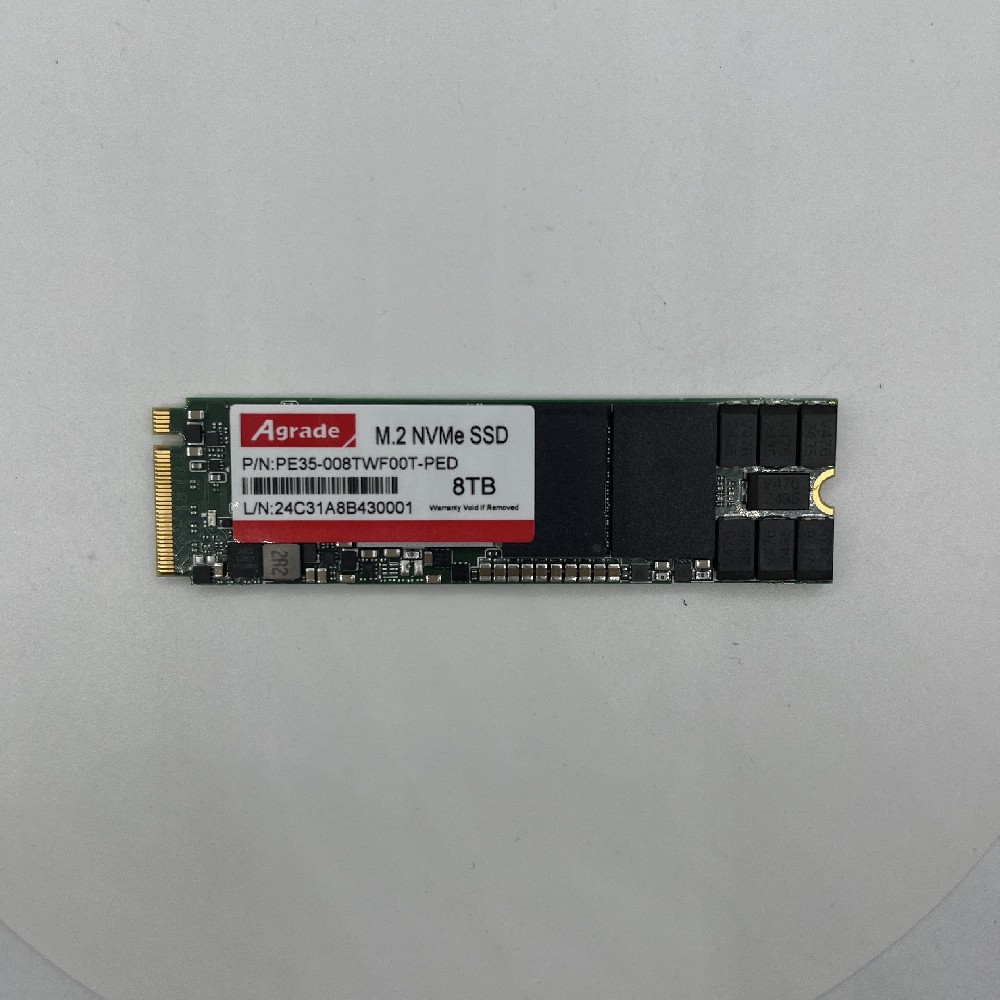
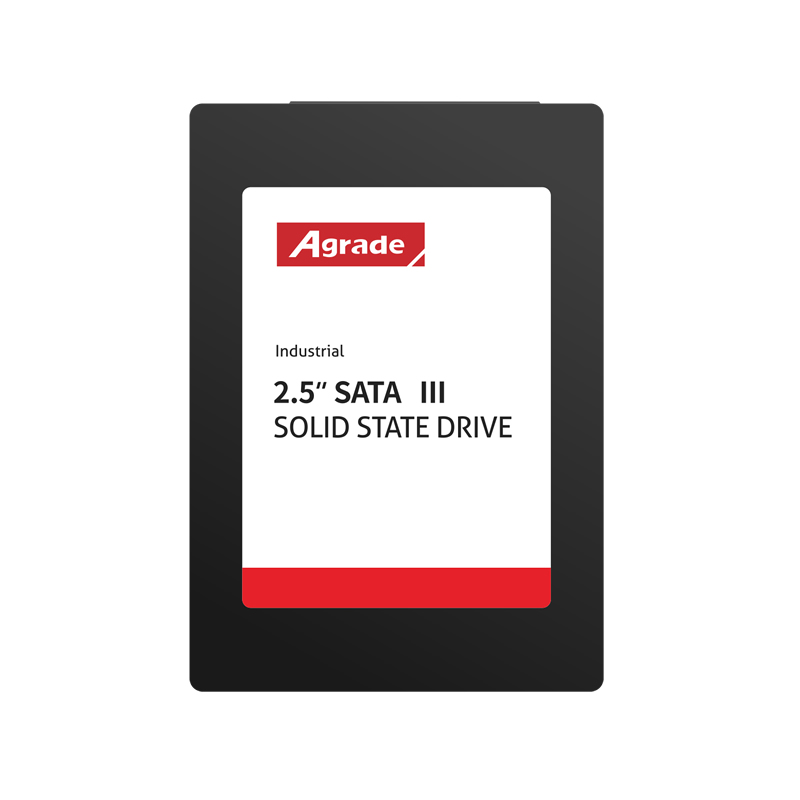
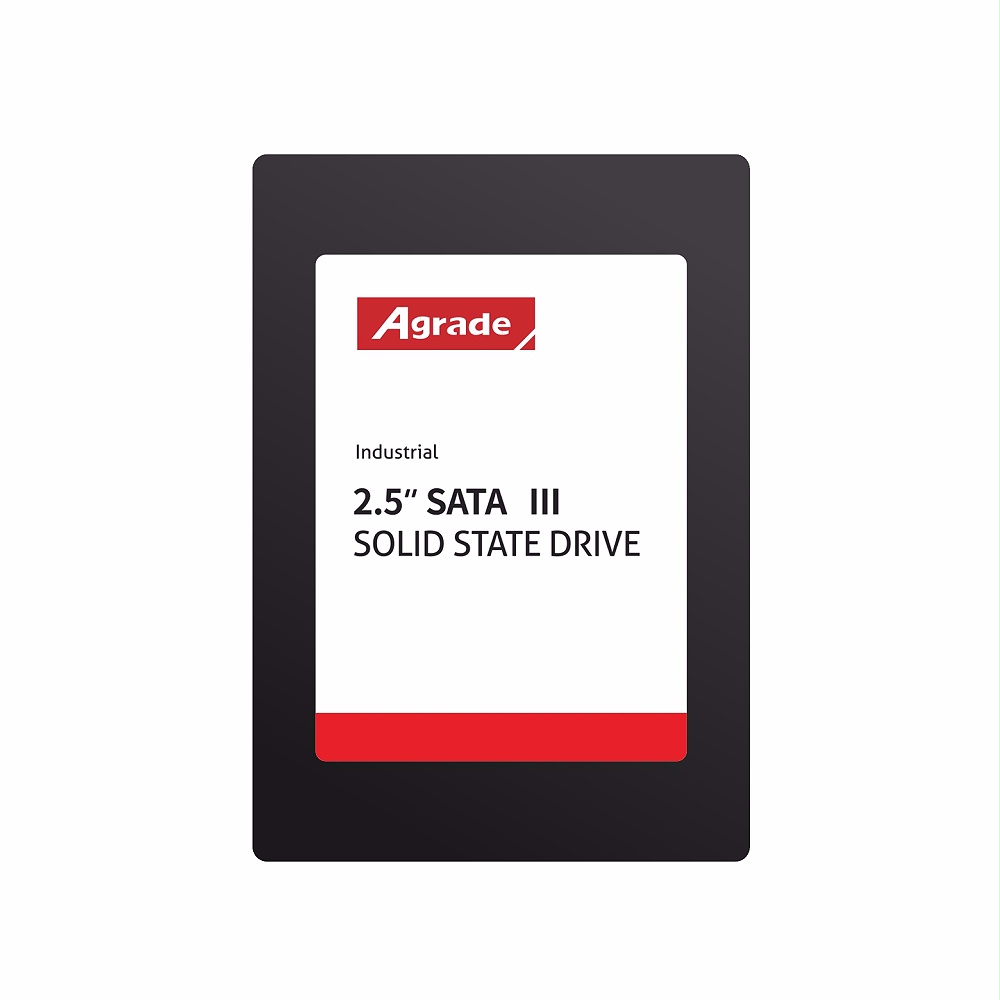
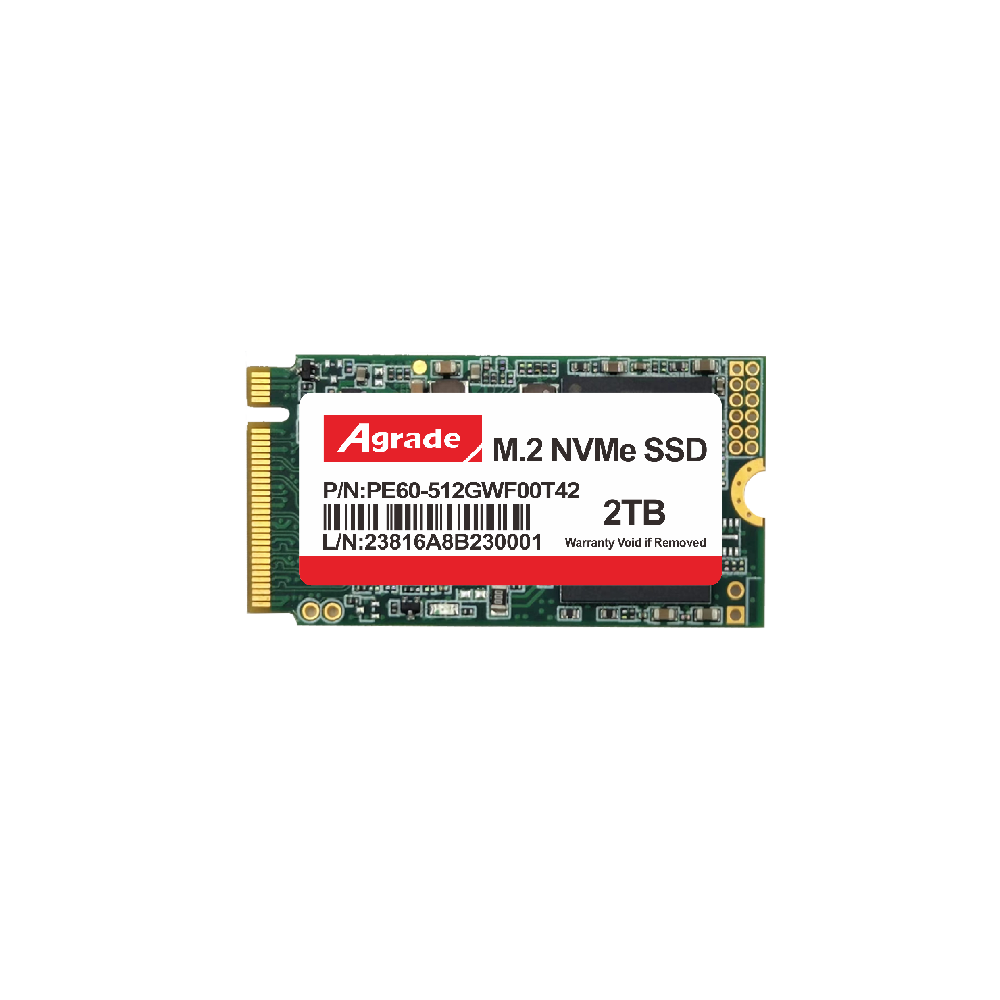
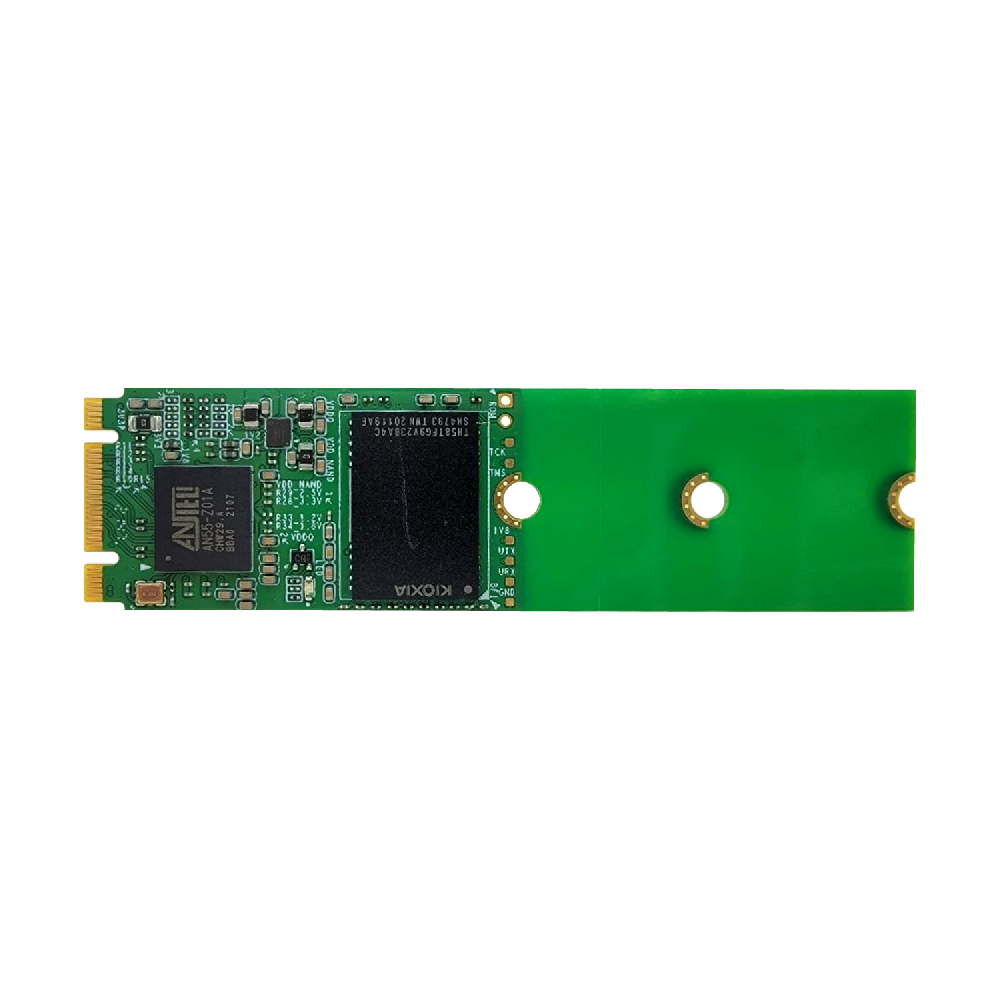
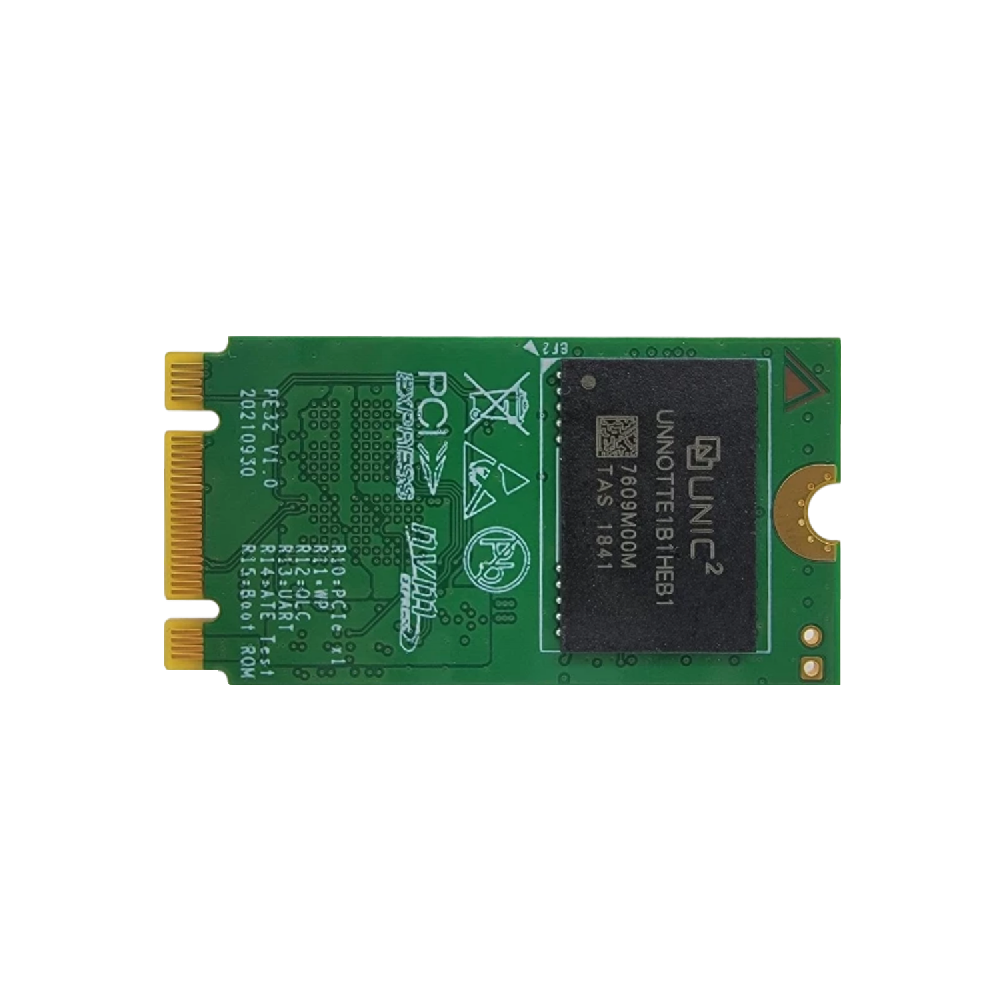
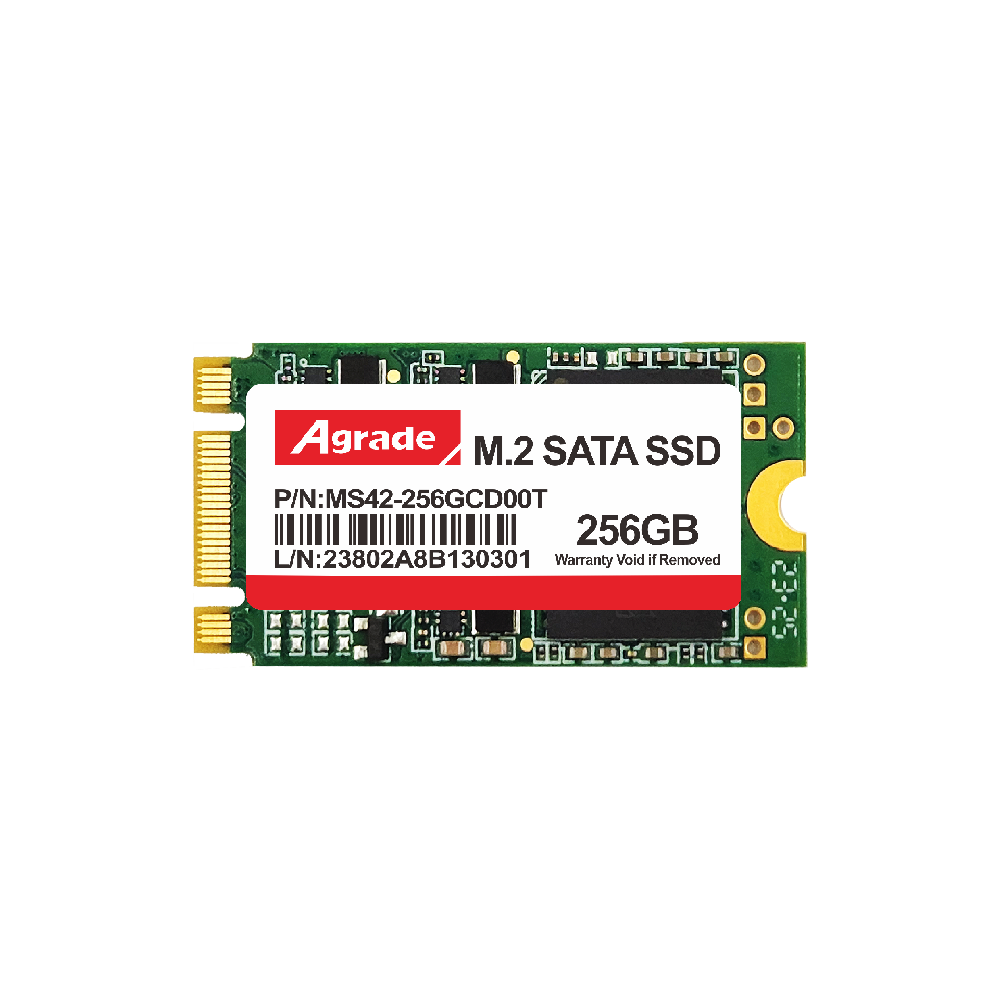
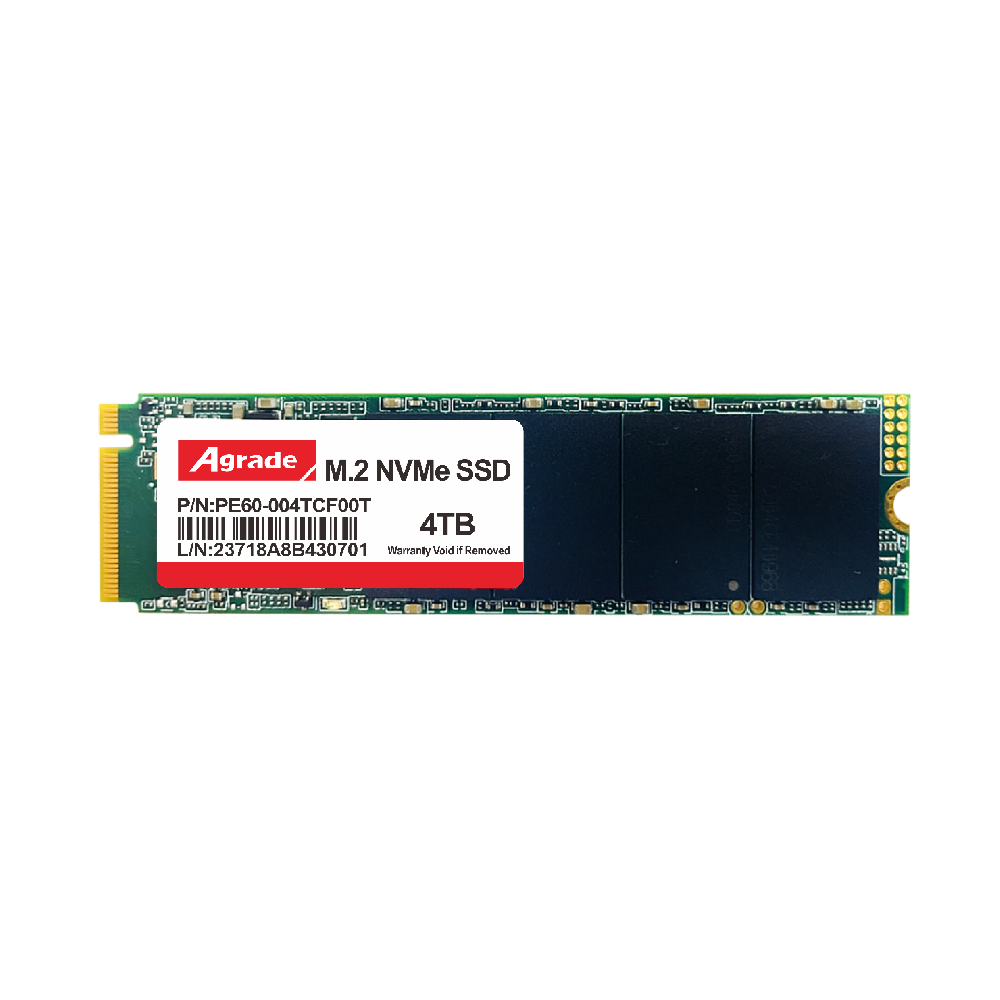
Agrade Storage is a leading provider of industrial storage solutions, offering a wide range of industrial SSDs tailored to demanding applications. Our drives undergo rigorous testing to ensure compliance with industrial standards, including extended temperature ranges, shock resistance, and high endurance. With customizable firmware and dedicated technical support, Agrade Storage ensures that your industrial storage performs reliably in the toughest conditions. Whether you need a 2.5-inch SATA SSD or an M.2 NVMe drive, our industrial SSDs deliver the durability and performance your application requires.
Conclusion
Understanding the differences between industrial SSD vs consumer SSD is essential for selecting the right storage solution. Consumer SSDs are cost-effective and fast for everyday use, but they fall short in harsh environments and continuous operation. Industrial SSDs, such as those from Agrade Storage, provide superior durability, temperature tolerance, and data integrity for mission-critical applications. By choosing industrial storage, you invest in long-term reliability and reduced downtime. Evaluate your application's environment and workload requirements carefully. For any questions about which industrial SSD is right for you, contact Agrade Storage today to discuss your needs.

-
Products
Advantages
-
Solutions
-
News
About us
-
Contact us
Tel:+86 19926658803
Whatsapp:+86 19926658803
lianle1210@163.com
Address: 30CF, Caihong Building, Caihong Road, Futian District, Shenzhen City, Guangdong Province, China


Friendly Links:
