












News


 Agrade Storage Editorial Team
  2026-06-07 16:13:12
 Industrial SSD Security Features: AES Encryption and Secure Erase Explained
Introduction: Why Security Matters in Industrial Storage
In today's interconnected industrial landscape, data security is no longer a luxury—it is a fundamental requirement. Industrial environments such as manufacturing plants, defense systems, medical devices, and automated logistics centers generate and store vast amounts of sensitive information. From proprietary design files to operational telemetry and personally identifiable information, the data on industrial SSDs must be protected against unauthorized access, both during operation and after decommissioning.
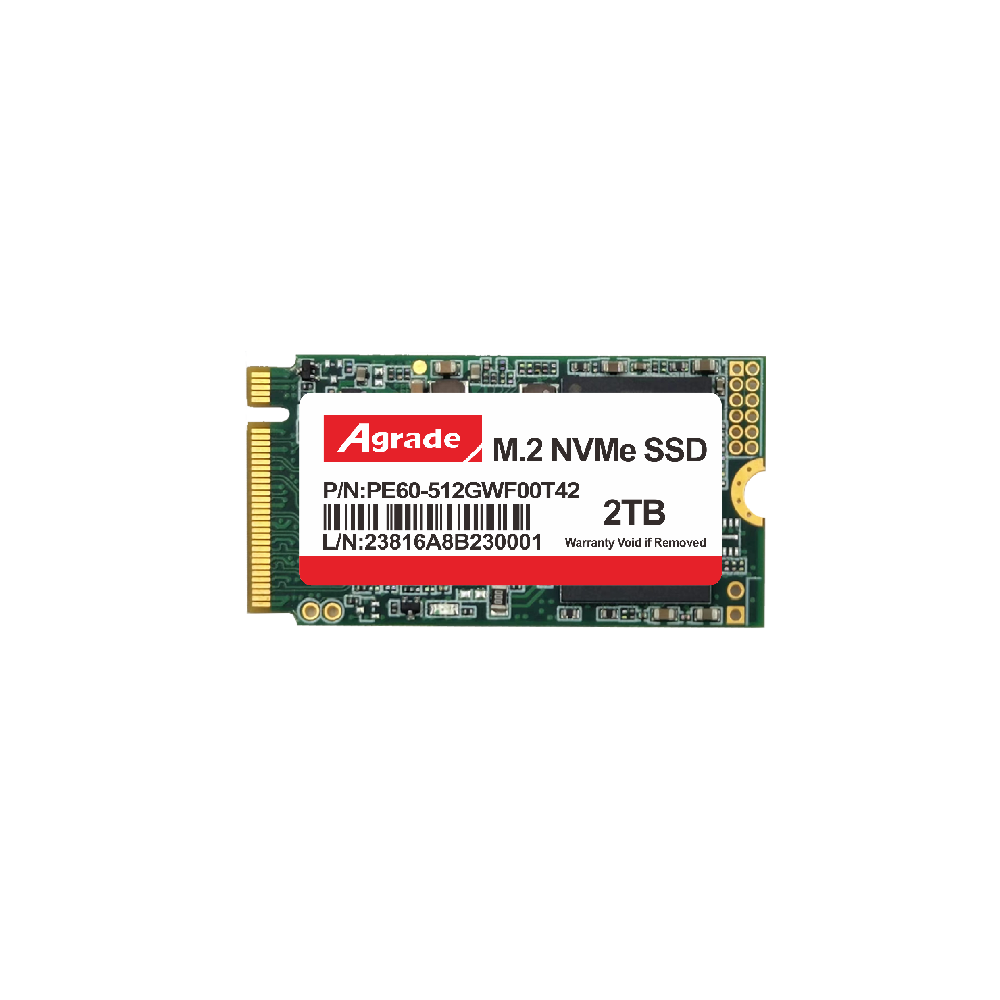
Standard consumer-grade SSDs often lack the robust security features required for these demanding applications. That is where industrial storage solutions, including those from Agrade Storage, come into play. Industrial SSDs are engineered with specialized security features such as AES encryption and secure erase capabilities. These features ensure data confidentiality, integrity, and proper sanitization, meeting the strict compliance standards of industries like defense, finance, and healthcare.
In this article, we will explore the technical details of AES encryption and secure erase, discuss their practical applications in industrial settings, and explain why Agrade Storage industrial SSDs are a trusted choice for mission-critical data protection.
AES Encryption: The Gold Standard for Data Protection
What is AES Encryption?
AES, or Advanced Encryption Standard, is a symmetric encryption algorithm adopted by the U.S. National Institute of Standards and Technology (NIST) and used worldwide. It encrypts data in fixed-size blocks (128 bits) using key lengths of 128, 192, or 256 bits. The AES-256 variant is considered virtually unbreakable with current technology, making it the preferred choice for industrial SSD security.
When an industrial SSD supports hardware-based AES encryption, the encryption and decryption processes occur within the SSD controller itself. This offloads the cryptographic workload from the host CPU, resulting in zero performance degradation. Data written to the NAND flash memory is automatically encrypted, and data read back is decrypted on the fly, provided the correct authentication key is supplied.
How AES Encryption Works in Industrial SSDs
An industrial SSD with AES encryption typically implements a two-tier key hierarchy:
- Media Encryption Key (MEK): This is the key used to encrypt and decrypt the actual data on the NAND flash. The MEK is generated internally by the SSD controller and is never exposed to the host system.
- Key Encryption Key (KEK): The KEK is derived from a user-provided password or authentication credential. It encrypts the MEK, which is stored securely within the SSD's protected memory region.
When the system powers on, the user must provide the correct credential. The SSD controller uses the KEK to decrypt the MEK, enabling normal read and write operations. If the credential is lost or incorrect, the MEK remains inaccessible, and all data on the drive is effectively unreadable. This mechanism provides strong protection against physical theft or unauthorized access.
Agrade Storage industrial SSDs incorporate hardware AES-256 encryption engines that meet FIPS 140-2 standards, ensuring compliance with government and military requirements. This level of encryption is critical for applications where data breaches could lead to national security risks or significant financial losses.
Secure Erase: Permanent Data Sanitization
Why Secure Erase is Essential for Industrial SSDs
Decommissioning an industrial SSD is a common occurrence—whether due to hardware upgrades, system failures, or end-of-life retirement. Simply deleting files or formatting the drive does not guarantee that the underlying data is gone. Standard operating system delete operations only remove file system pointers, leaving the actual data on the NAND flash cells. With forensic tools, this residual data can often be recovered.
Secure erase addresses this vulnerability by overwriting or electrically erasing all data on the SSD, making it impossible to recover. For industrial storage, secure erase is not just a best practice; it is often a regulatory requirement. Standards such as NIST SP 800-88, the U.S. Department of Defense 5220.22-M, and the General Data Protection Regulation (GDPR) mandate proper data sanitization before disposing of storage devices.
How Secure Erase Works on Industrial SSDs
There are two primary methods for secure erase on industrial SSDs:
- Block Erase (NAND Flash Erase): The SSD controller issues a command to electrically erase all blocks of NAND flash memory. This resets all cells to their erased state, effectively removing all stored data. This method is fast and uses the SSD's native hardware capabilities.
- Crypto Erase (Key Erasure): In SSDs with hardware encryption, a secure erase can be accomplished by simply destroying or discarding the Media Encryption Key (MEK). Once the key is gone, the encrypted data becomes permanently inaccessible, even if the NAND cells still contain the raw ciphertext. This method is nearly instantaneous and does not wear out the NAND flash.
Many industrial SSDs, including those from Agrade Storage, support both block erase and crypto erase modes. The choice between them depends on the security policy and the need to reuse the SSD. Crypto erase is ideal for rapid sanitization, while block erase provides a physical reset of the memory cells for a completely fresh start.
Secure Erase Commands and Standards
The most common command for secure erase is the ATA Secure Erase command, which is part of the ATA/ATAPI specification. When issued, the SSD performs a secure erase at the hardware level, ensuring that all user data is overwritten or erased. Industrial SSDs also often support the NVMe Format NVM command, which provides similar functionality for NVMe-based drives.
It is important to note that not all SSDs implement these commands correctly. Consumer drives may leave residual data due to over-provisioning areas or hidden firmware regions. Industrial SSDs, however, are designed to guarantee complete sanitization across all addressable and non-addressable memory areas, including spare blocks and bad block tables.
Practical Applications of Industrial SSD Security Features
Defense and Aerospace
In defense and aerospace applications, industrial SSDs store classified mission data, targeting algorithms, and communication logs. AES-256 encryption ensures that if a drone or portable device is captured, the data remains secure. Secure erase is used before redeployment or disposal to prevent intelligence leaks. Agrade Storage provides industrial SSDs that meet MIL-STD-810G standards for shock and vibration, while also offering hardware encryption and secure erase for field-deployed systems.
Medical Devices
Medical imaging equipment, patient monitoring systems, and diagnostic devices generate sensitive patient health information (PHI) that must comply with HIPAA regulations. Industrial SSDs with AES encryption protect this data both at rest and in transit. Secure erase is critical when medical devices are returned for maintenance or replaced, ensuring that patient data is not exposed to unauthorized technicians.
Industrial Automation and Edge Computing
Factories and smart warehouses rely on industrial PCs and edge servers that operate 24/7. These systems store production recipes, quality control data, and proprietary algorithms. An industrial SSD with hardware encryption prevents data theft if a drive is stolen during transport or maintenance. Secure erase allows quick and compliant decommissioning of drives when production lines are upgraded, reducing downtime and ensuring data privacy.
Financial Services and ATMs
ATMs and point-of-sale systems process financial transactions and store sensitive cardholder data. Industrial SSDs with AES encryption ensure compliance with PCI DSS standards. Secure erase is used when ATMs are decommissioned or replaced, preventing fraudsters from recovering transaction logs or cryptographic keys.
Why Choose Agrade Storage for Industrial SSD Security?
Agrade Storage is a leading provider of industrial storage solutions, specializing in SSDs that combine high performance with robust security features. Our industrial SSDs are designed for extended temperature ranges (-40C to +85C), high endurance, and long-term reliability. Each drive includes hardware AES-256 encryption engines and supports both ATA Secure Erase and crypto erase commands.
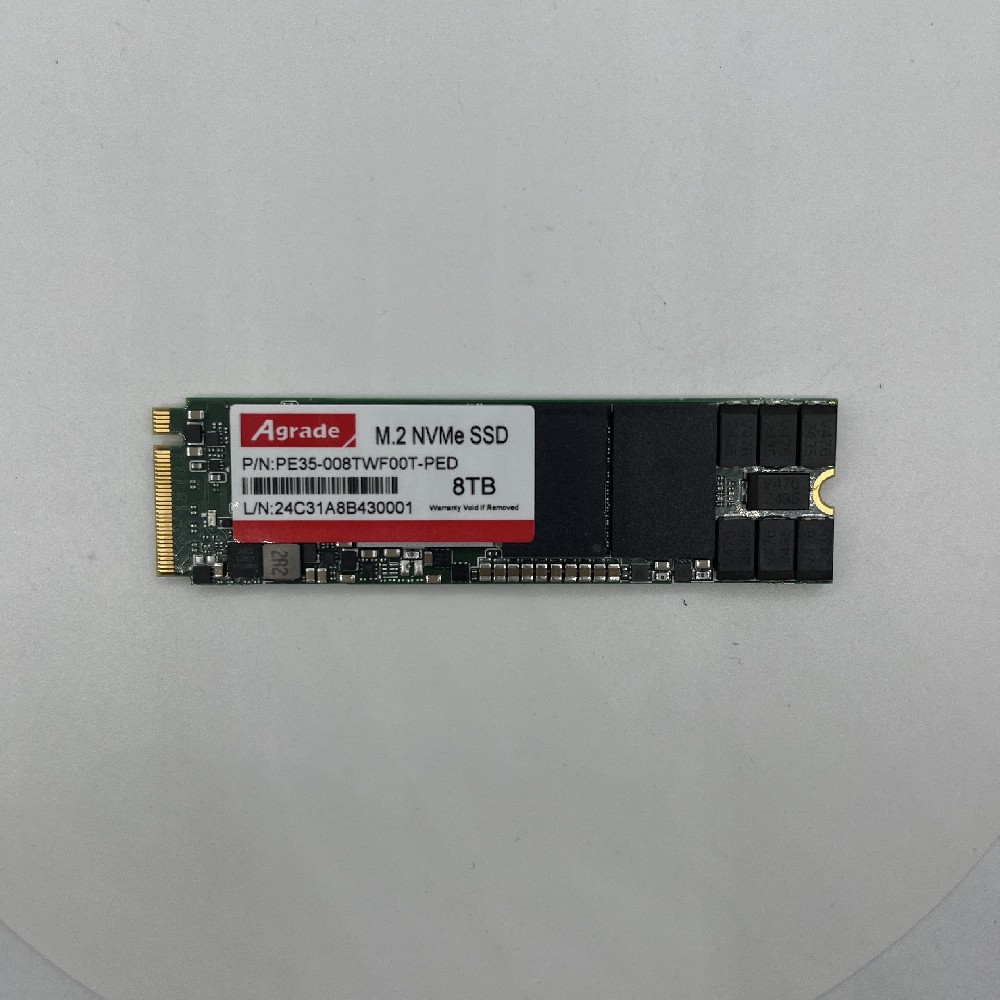
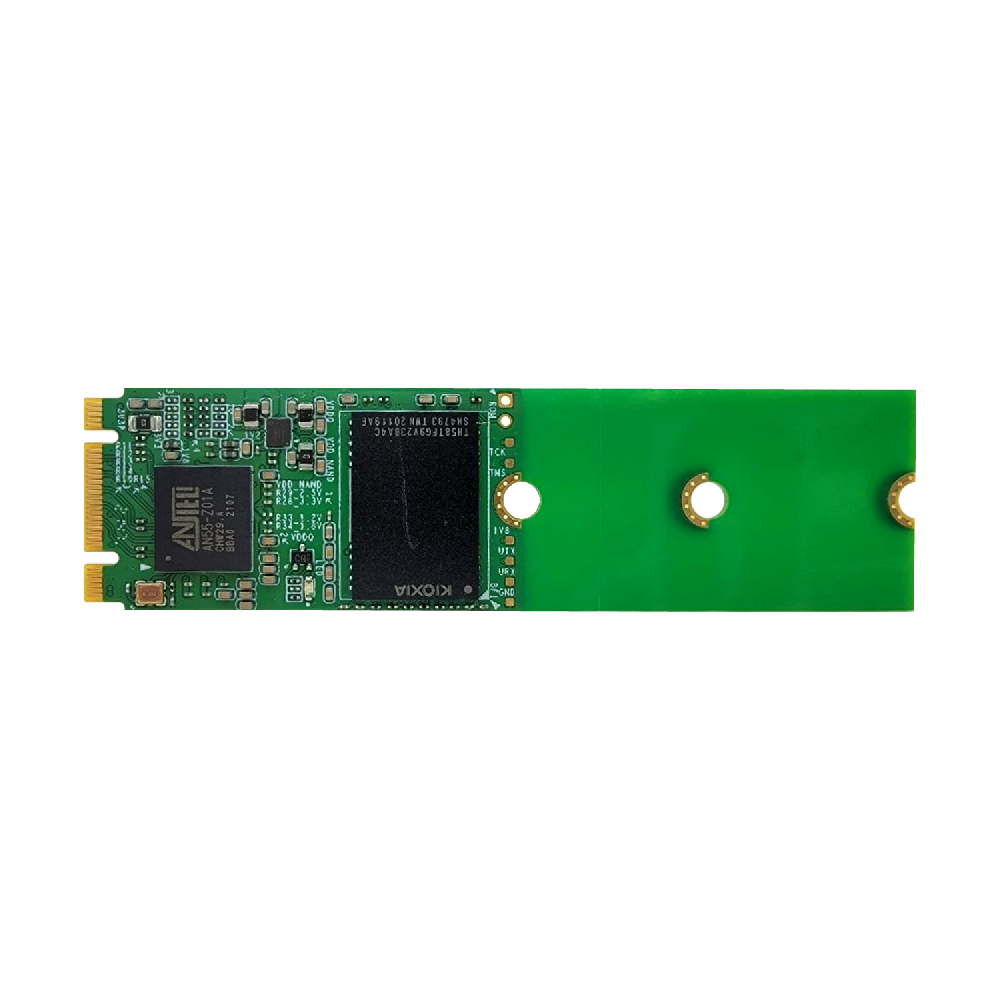
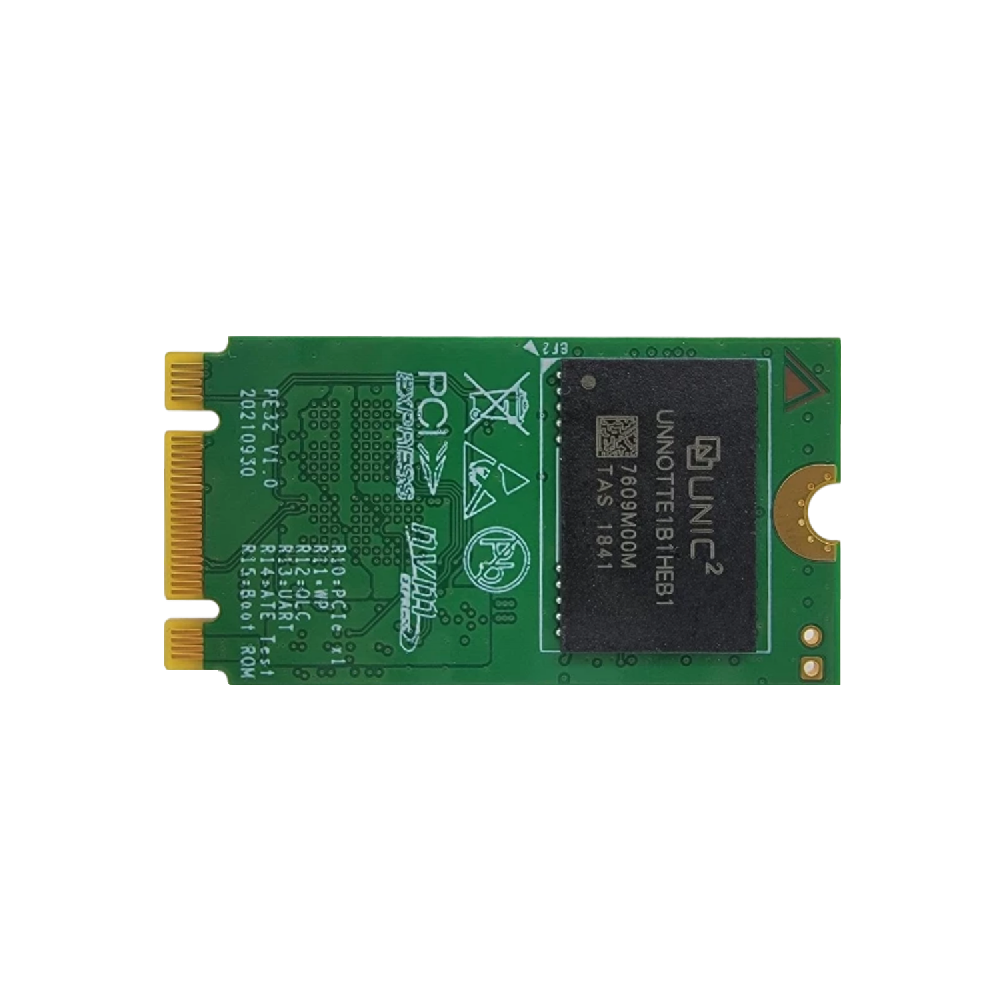
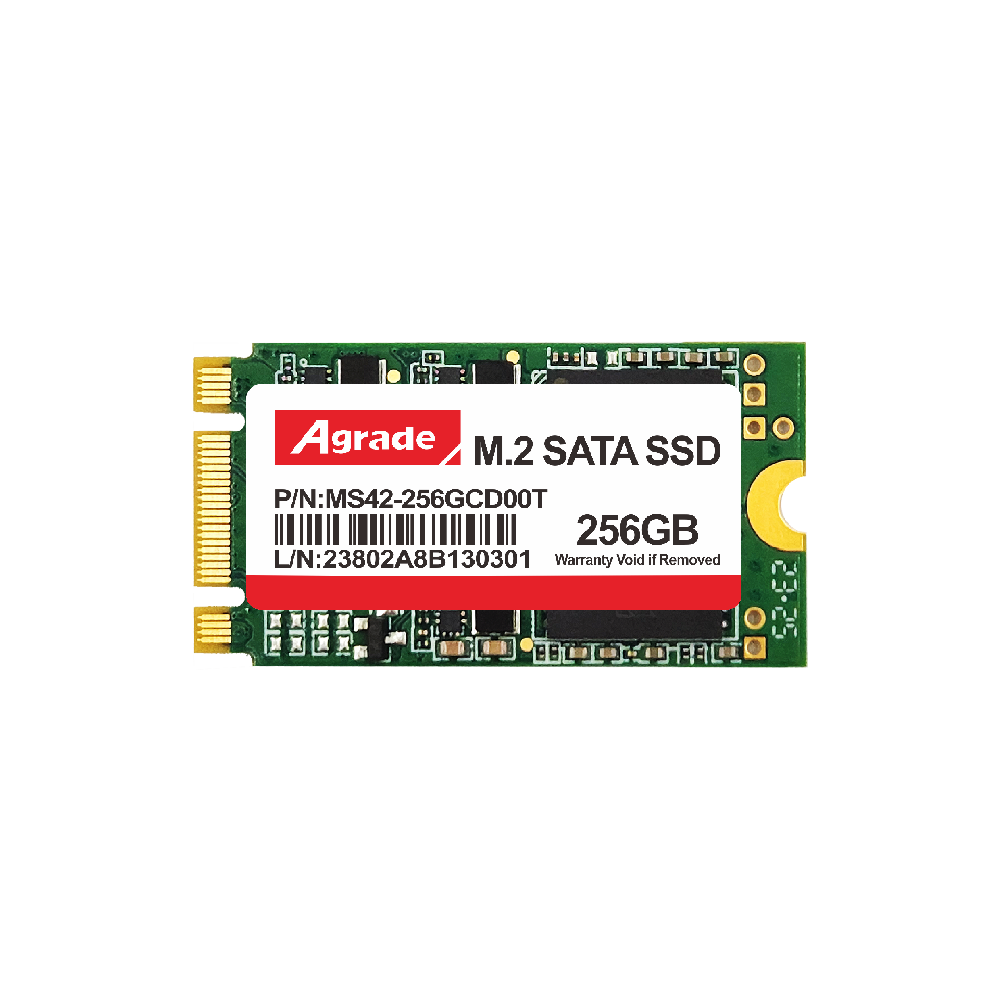
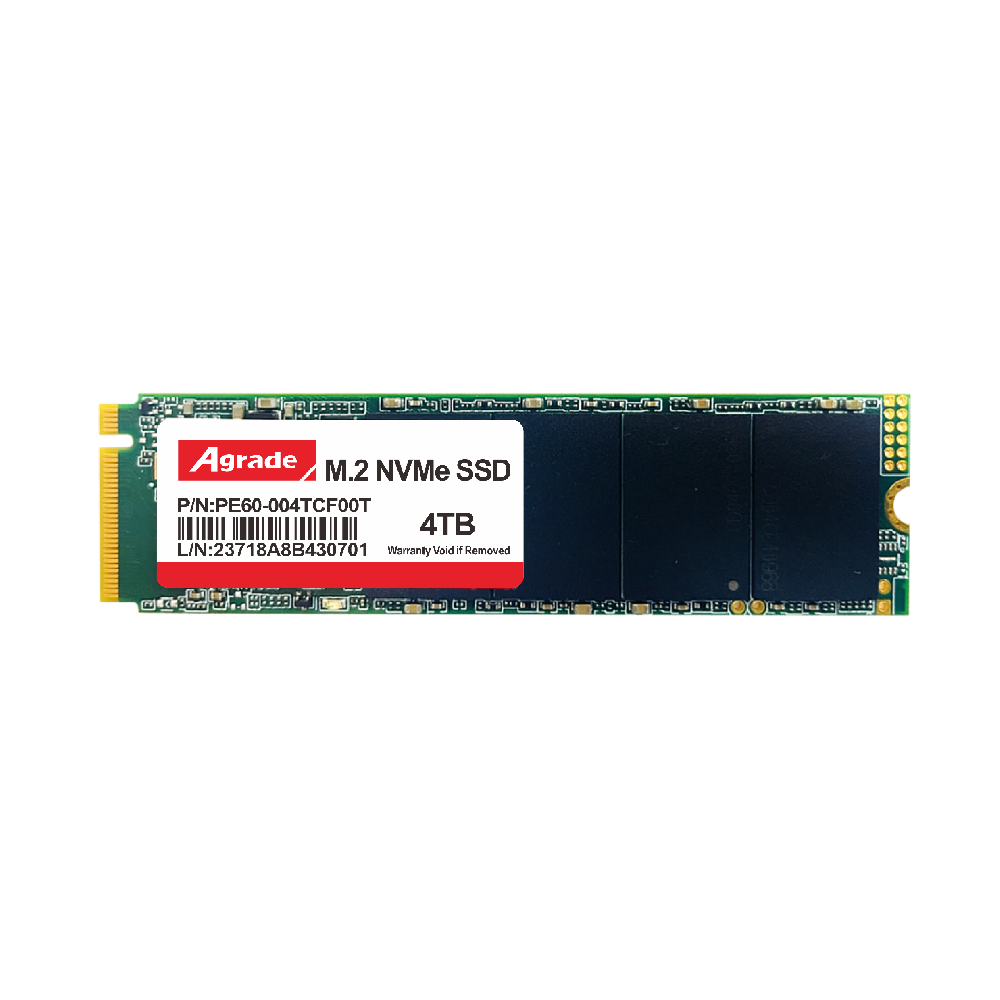
Unlike consumer SSDs, Agrade Storage industrial SSDs undergo rigorous testing to ensure that security features operate correctly under extreme conditions. We provide detailed documentation and support for integration into security-critical systems. Whether you need an M.2, mSATA, or 2.5-inch form factor, our industrial SSDs deliver the data protection your application demands.
Conclusion: Secure Your Industrial Data with Confidence
Industrial SSD security features such as AES encryption and secure erase are not optional—they are essential for protecting sensitive data in today's threat landscape. AES encryption provides strong, hardware-accelerated protection against unauthorized access, while secure erase ensures that data is permanently and irretrievably destroyed when no longer needed. Together, these features form a comprehensive security framework that meets regulatory standards and industry best practices.
When selecting industrial storage, choose a trusted partner like Agrade Storage. Our industrial SSDs are built to withstand the harshest environments while keeping your data safe. Contact us today to learn more about our industrial SSD product line and how we can help you implement robust data security in your next project.

-
Products
Advantages
-
Solutions
-
News
About us
-
Contact us
Tel:+86 19926658803
Whatsapp:+86 19926658803
lianle1210@163.com
Address: 30CF, Caihong Building, Caihong Road, Futian District, Shenzhen City, Guangdong Province, China


Friendly Links:
