












News


 Agrade Storage Editorial Team
  2026-06-06 16:24:04
 Supply Chain Considerations for Industrial Memory Components
Introduction
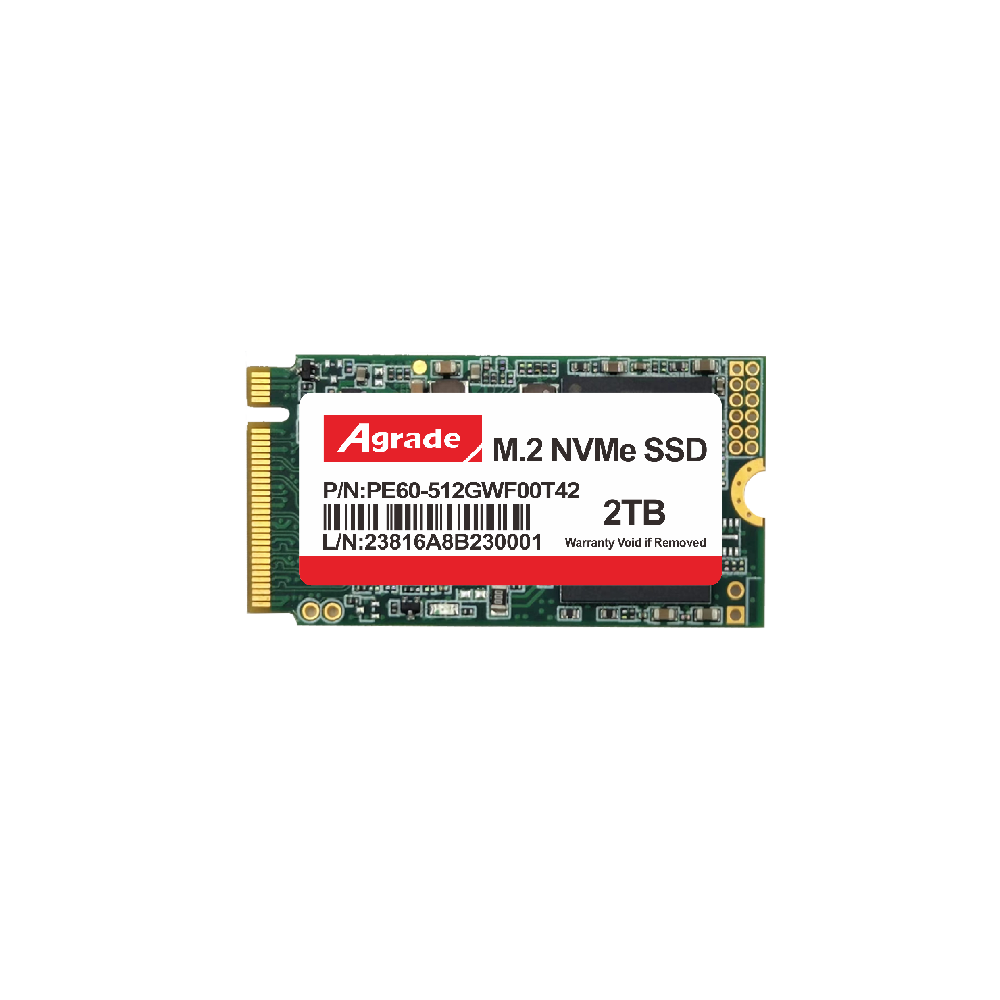
In today's fast-paced industrial landscape, memory components are the backbone of critical systems, from automation and robotics to medical devices and aerospace applications. Unlike consumer-grade memory, industrial memory components must withstand extreme temperatures, vibration, and continuous operation. However, even the best hardware can fail if the supply chain behind it is unstable. Supply chain disruptions—caused by geopolitical tensions, raw material shortages, or logistical bottlenecks—can halt production, delay deployments, and increase costs. This article explores the essential supply chain considerations for industrial memory components, offering insights for engineers, procurement professionals, and decision-makers. By understanding these factors, you can ensure that your systems remain reliable, secure, and future-proof. At Agrade Storage, we specialize in robust industrial storage solutions designed to meet the highest standards of durability and supply chain resilience.
Key Supply Chain Factors for Industrial Memory
1. Component Sourcing and Raw Material Availability
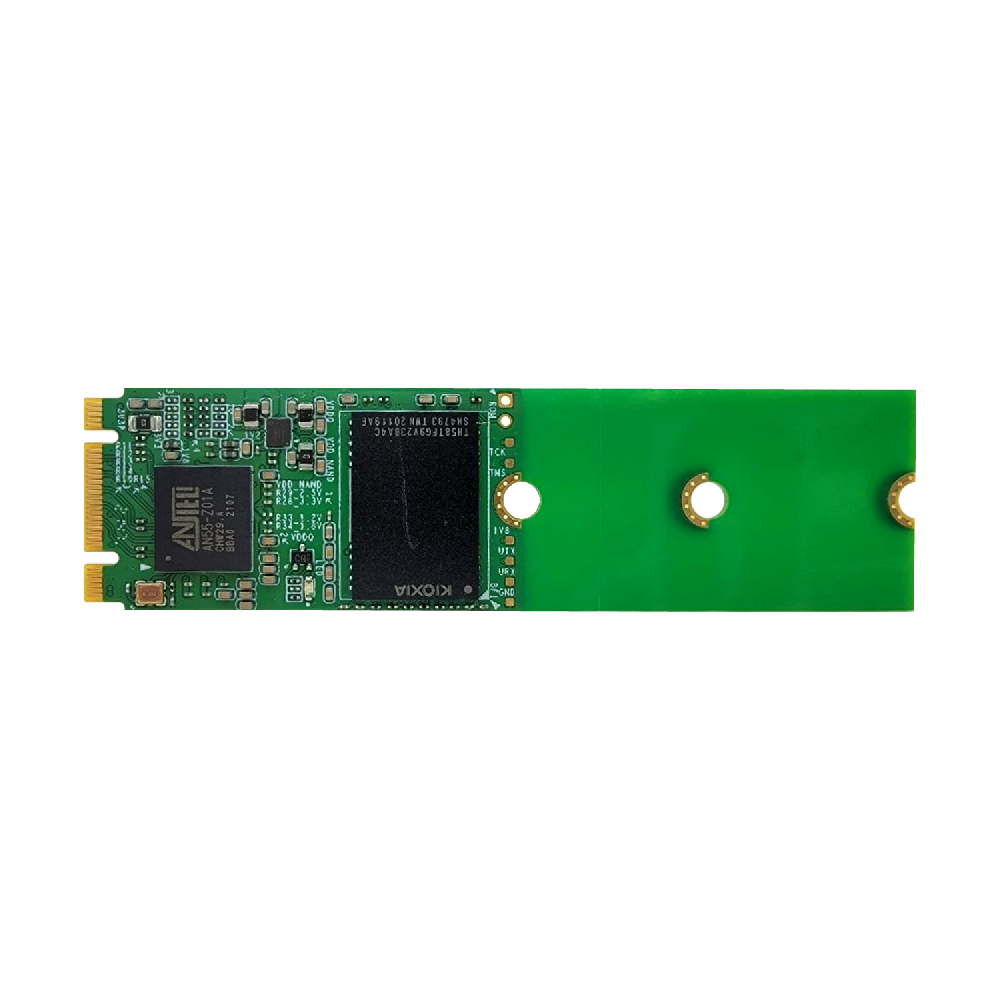
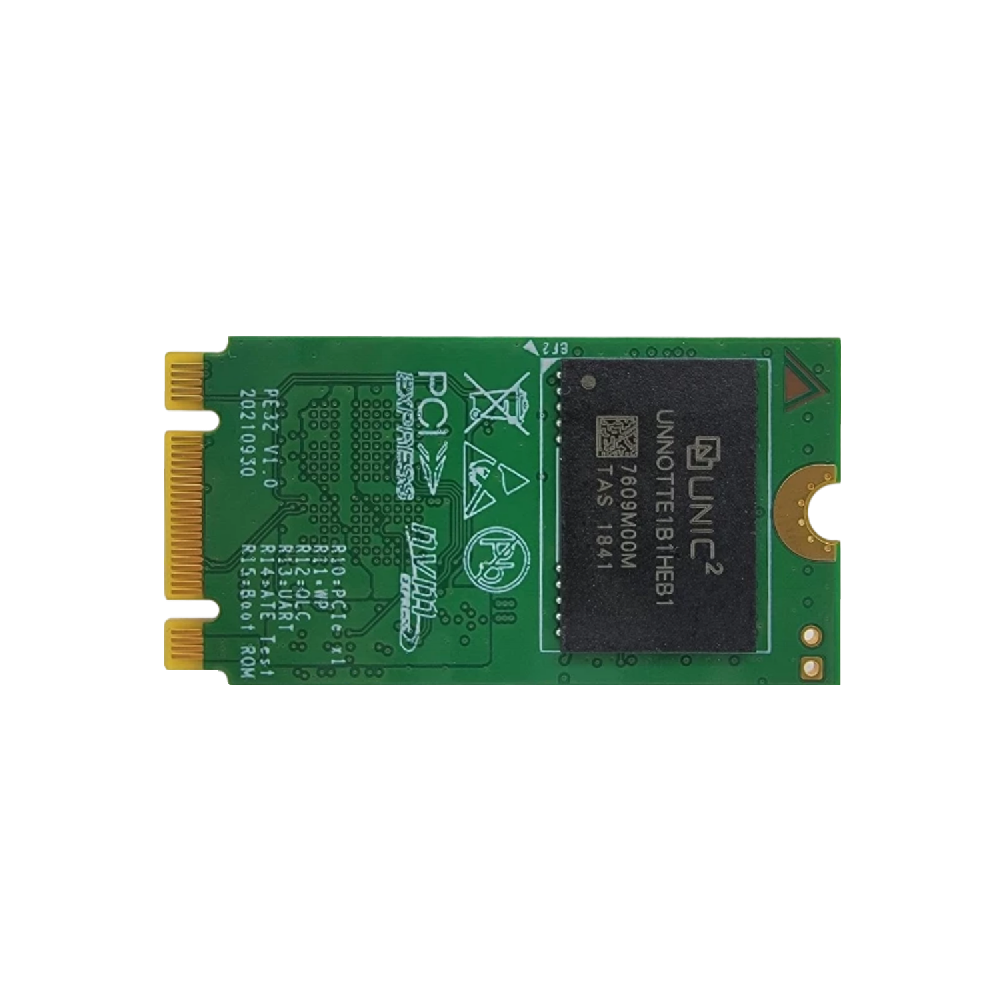
The production of industrial memory components relies on a complex network of raw materials, including silicon, copper, and rare earth elements. Supply chain disruptions at the mining or refining stage can lead to shortages and price volatility. For industrial SSDs and other memory modules, NAND flash memory is a critical component, with most global supply concentrated among a few manufacturers. To mitigate risks, it is vital to work with suppliers who maintain diversified sourcing strategies. Agrade Storage partners with multiple qualified fabs to ensure consistent access to high-grade NAND, reducing dependency on a single source.
2. Longevity and End-of-Life Planning
Industrial applications often require memory components with a lifecycle of 5 to 10 years or more, far longer than consumer electronics. A major supply chain risk is component end-of-life (EOL), where manufacturers discontinue specific chips or controllers. Without proactive planning, a sudden EOL notice can force costly redesigns or expedited procurement. To address this, industrial storage providers like Agrade Storage offer extended lifecycle management, including long-term availability commitments and last-time buy options. When selecting components, always request a product lifecycle roadmap and ensure your supplier can support legacy systems.
3. Quality Assurance and Testing
Industrial memory components must undergo rigorous testing to guarantee performance under harsh conditions. This includes temperature cycling, vibration testing, and power-loss protection validation. A weak link in the supply chain—such as counterfeit or substandard chips—can compromise reliability. Reputable suppliers enforce strict incoming inspection and traceability protocols. For example, Agrade Storage implements 100% testing on all industrial SSDs, including burn-in tests and shock resistance verification. When evaluating suppliers, ask about their quality management systems and certifications (e.g., ISO 9001, IATF 16949) to ensure consistent quality across batches.
Technical Considerations for Industrial Storage
Reliability Metrics and Specifications
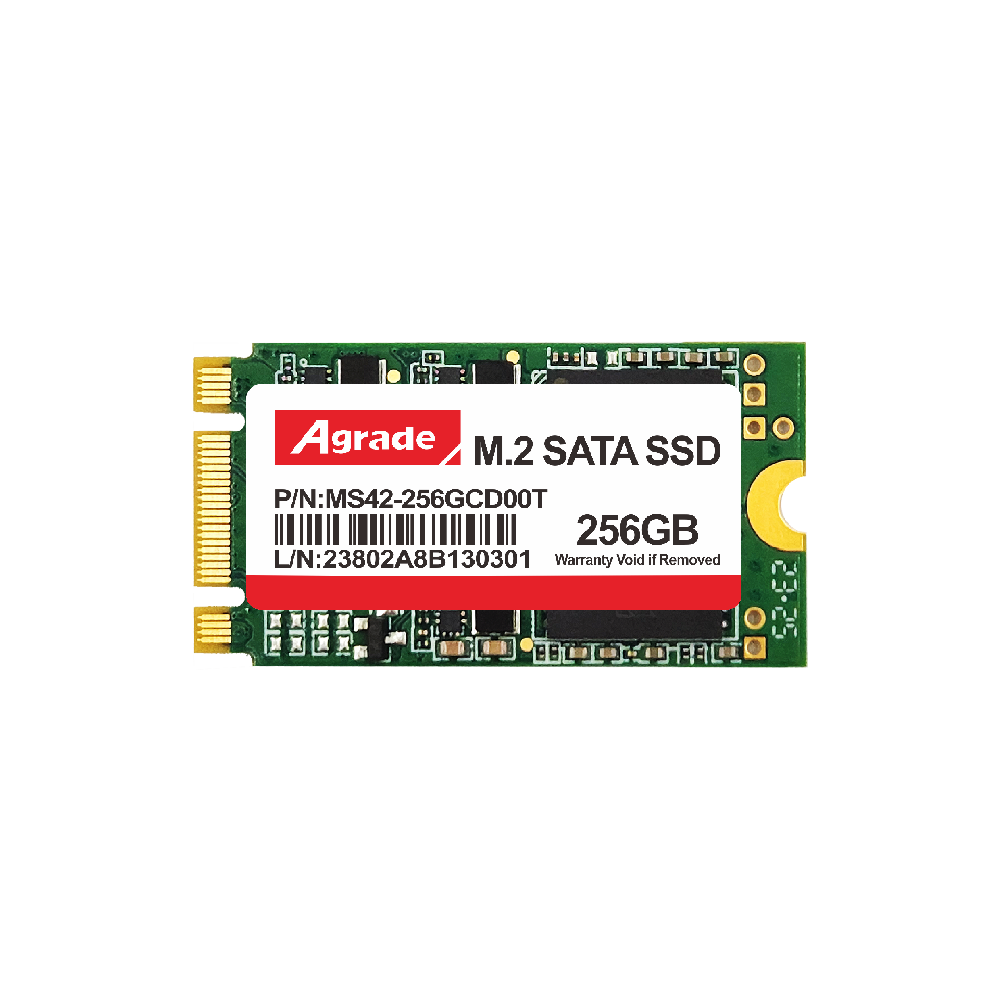
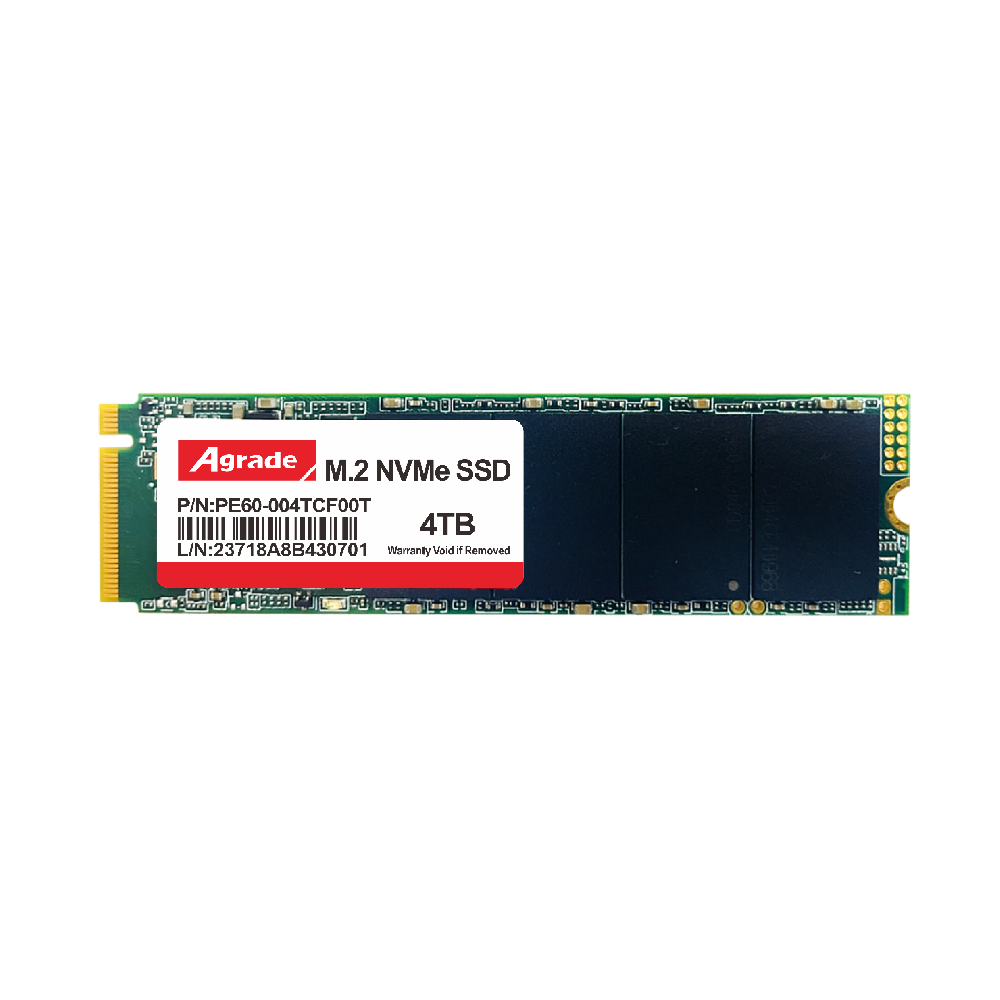
When sourcing industrial memory, key reliability metrics include Mean Time Between Failures (MTBF), Total Bytes Written (TBW), and Endurance. For industrial SSDs, these figures are significantly higher than consumer models. For instance, an industrial SSD from Agrade Storage might offer an MTBF of over 3 million hours and a TBW rating that supports continuous logging and data-intensive applications. Supply chain considerations extend to ensuring that the controller firmware is optimized for industrial workloads, such as wear leveling and error correction.
Environmental Tolerance
Industrial environments often expose memory components to extreme temperatures (from -40°C to 85°C or wider), humidity, and shock. Standard commercial components may fail under such conditions. Therefore, it is essential to select memory with a wide operating temperature range and conformal coating for moisture protection. Agrade Storage's industrial SSDs are engineered with thermal management features and rugged enclosures to maintain performance in demanding settings. Supply chain stability also depends on the supplier's ability to deliver temperature-screened units consistently.
Data Security and Compliance
In sectors like defense, healthcare, and finance, data security is paramount. Industrial memory components often require features like hardware encryption (AES 256-bit), secure erase, and tamper detection. Supply chain risks can include unauthorized access during transit or counterfeit components with backdoors. To mitigate this, work with suppliers that provide secure supply chain chains, including encrypted logistics and factory-programmed security keys. Agrade Storage offers industrial SSDs with built-in TCG Opal compliance and secure firmware updates, ensuring data integrity from production to deployment.
Practical Applications and Industry Use Cases
Automation and Manufacturing
In factory automation, programmable logic controllers (PLCs) and human-machine interfaces (HMIs) rely on industrial memory for real-time data processing and logging. A stable supply chain ensures that replacement modules are available to minimize downtime. For example, automotive assembly lines using Agrade Storage industrial SSDs benefit from high endurance and low latency, even in dusty or vibrating environments. Supply chain considerations here include lead times—ensuring that critical spares are stocked locally or through a responsive distributor network.
Transportation and Logistics
From in-vehicle infotainment to railway signaling systems, industrial memory components must withstand constant motion and temperature swings. In fleet management, solid-state drives store telemetry data and route logs. Supply chain disruptions can affect vehicle production schedules. By partnering with a supplier like Agrade Storage, which offers flexible procurement options and global warehousing, transportation companies can maintain steady inventory levels without overstocking.
Energy and Utilities
In energy sectors—including oil and gas, solar, and wind—industrial memory operates in remote or hazardous locations. Components must tolerate extreme cold or heat, and have long service intervals. For instance, smart grid controllers use industrial SSDs for data logging over decades. Supply chain considerations include ensuring that memory components meet specific industry certifications (e.g., ATEX for explosive environments). Agrade Storage provides customized solutions with extended temperature ranges and conformal coating to meet these rigorous demands.
Supply Chain Best Practices for Procurement
- Diversify suppliers: Avoid single-source dependency by qualifying multiple memory component vendors.
- Request lifecycle roadmaps: Ensure your supplier can support your product for its intended lifespan.
- Audit quality processes: Verify that testing and traceability standards meet industrial requirements.
- Plan for buffer stock: Maintain safety stock for critical components to weather short-term disruptions.
- Evaluate logistics partners: Choose distributors with proven track records in handling sensitive electronics.
- Embrace long-term agreements: Secure pricing and availability through contracts with suppliers like Agrade Storage.
Conclusion
Supply chain considerations for industrial memory components go far beyond cost and availability. They encompass raw material sourcing, quality assurance, environmental tolerance, data security, and long-term lifecycle management. In an era of global uncertainty, a resilient supply chain is a competitive advantage. By selecting a trusted partner like Agrade Storage, you gain access to industrial-grade memory components that are rigorously tested, securely sourced, and designed for longevity. Whether your application is in automation, transportation, or energy, prioritizing supply chain reliability ensures that your systems operate without interruption. Evaluate your current sourcing strategy today and invest in industrial storage that delivers consistent performance, even under the most demanding conditions.

-
Products
Advantages
-
Solutions
-
News
About us
-
Contact us
Tel:+86 19926658803
Whatsapp:+86 19926658803
lianle1210@163.com
Address: 30CF, Caihong Building, Caihong Road, Futian District, Shenzhen City, Guangdong Province, China


Friendly Links:
