












News


 Agrade Storage
  2026-06-15 18:24:23
 Military Rugged SSD Comparison: Industrial vs. Consumer Drives for Deployment
需求分析
In military operations, data integrity under extreme conditions is non-negotiable. Whether deployed in drones, armored vehicles, field command centers, or portable ruggedized laptops, the storage medium must withstand shock, vibration, temperature extremes, humidity, and even electromagnetic interference. While consumer-grade SSDs offer speed and affordability, they are not designed for the sustained stress of military environments. This comparison focuses on two primary categories: industrial-grade rugged SSDs (built to MIL-STD-810G/H and related defense standards) and consumer-grade rugged SSDs (advertised as 'rugged' but typically rated for limited drops and IP65-68 enclosures). Understanding the trade-offs between them is critical for procurement officers, systems integrators, and field engineers who need to balance performance, reliability, and cost.
方案A vs 方案B
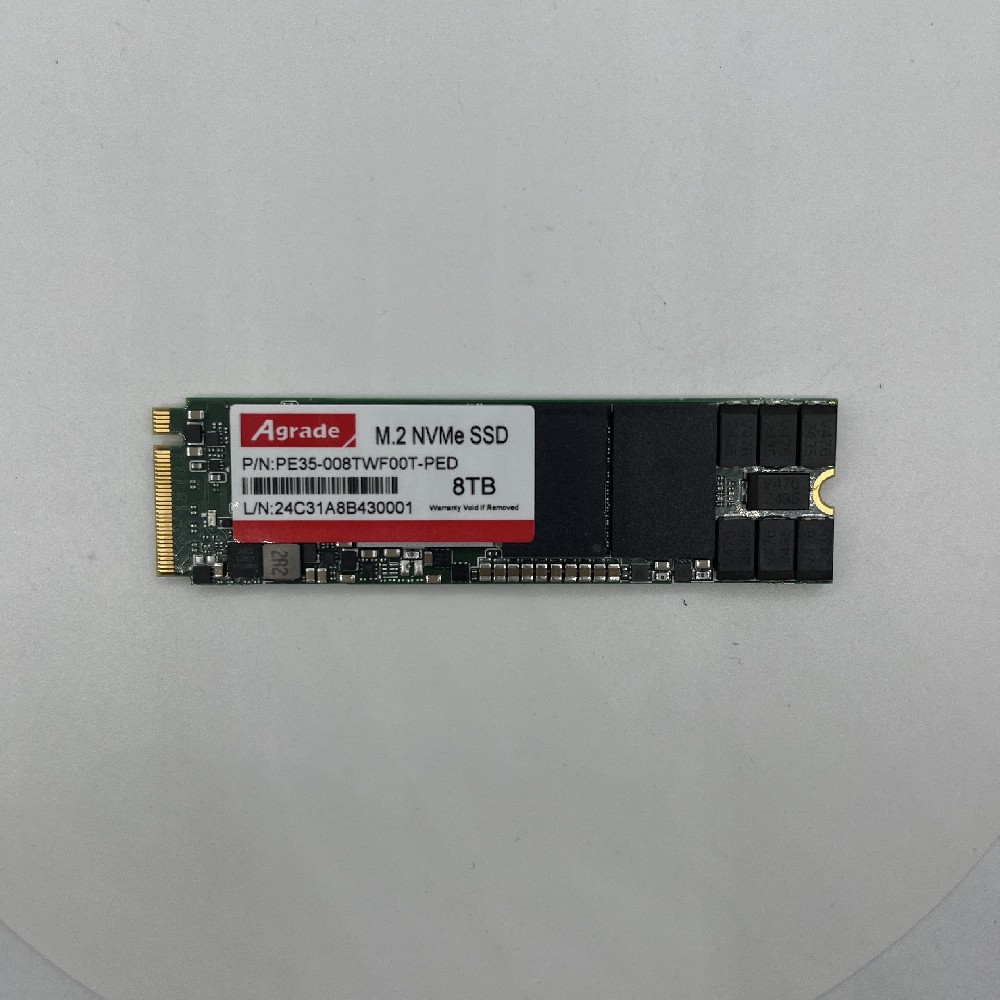
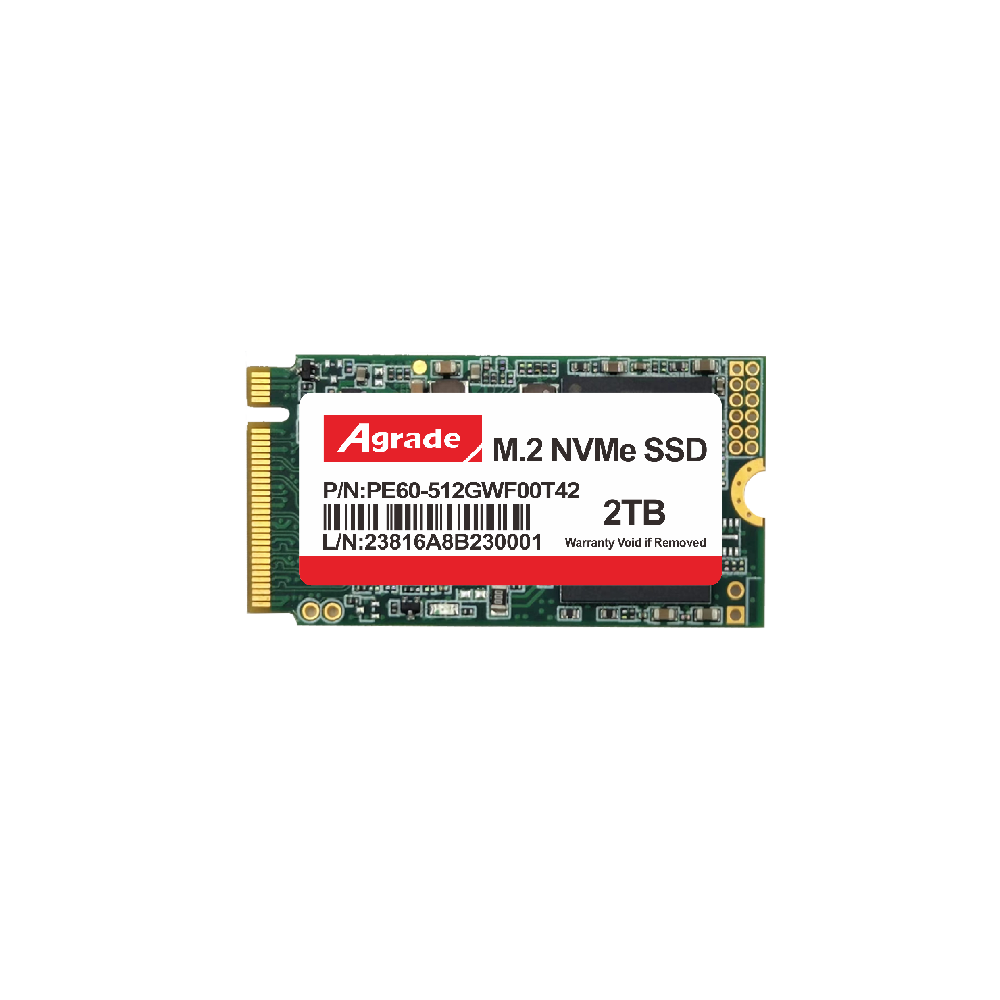
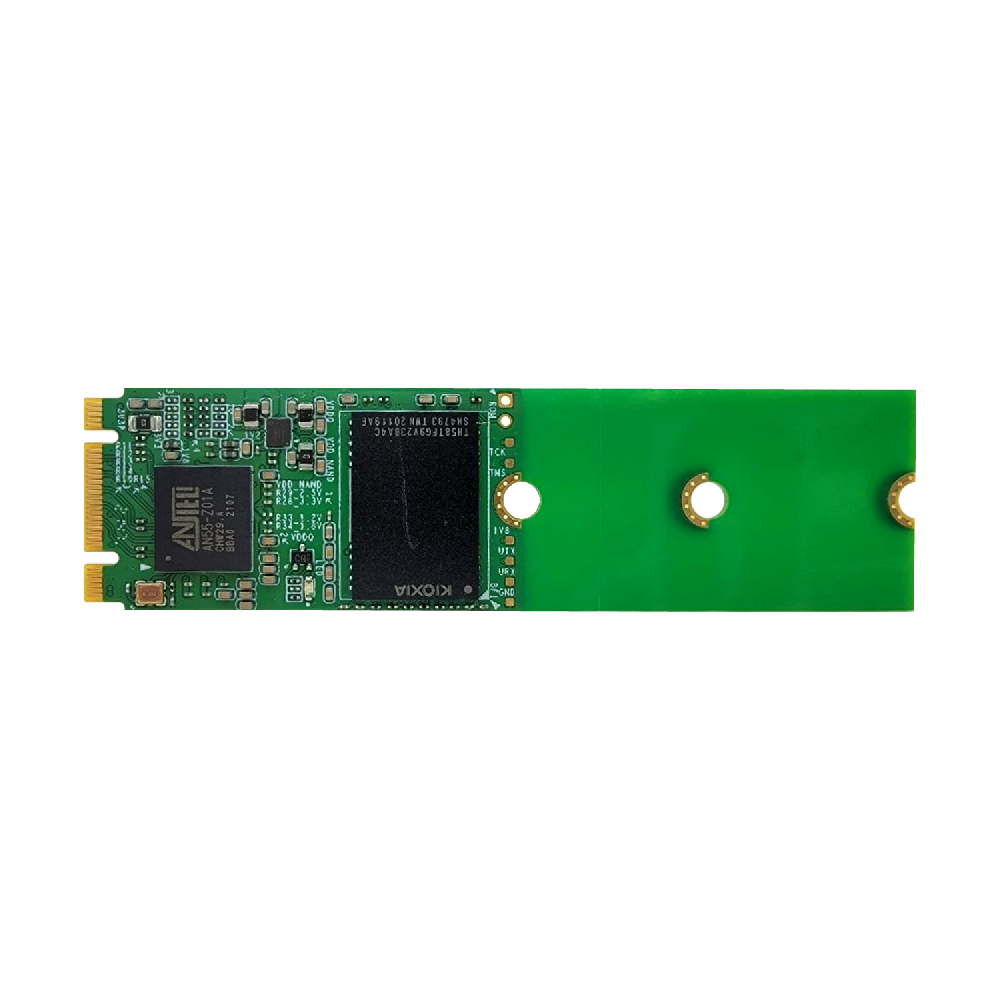
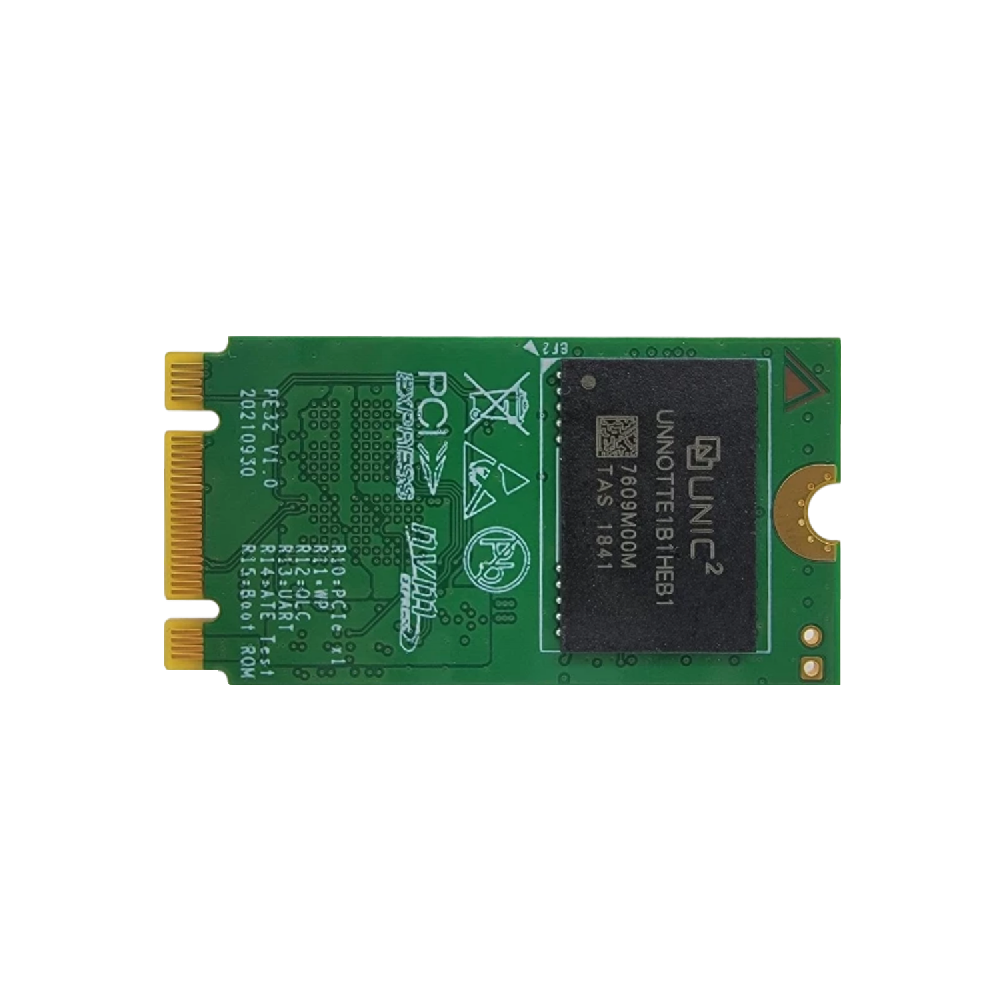
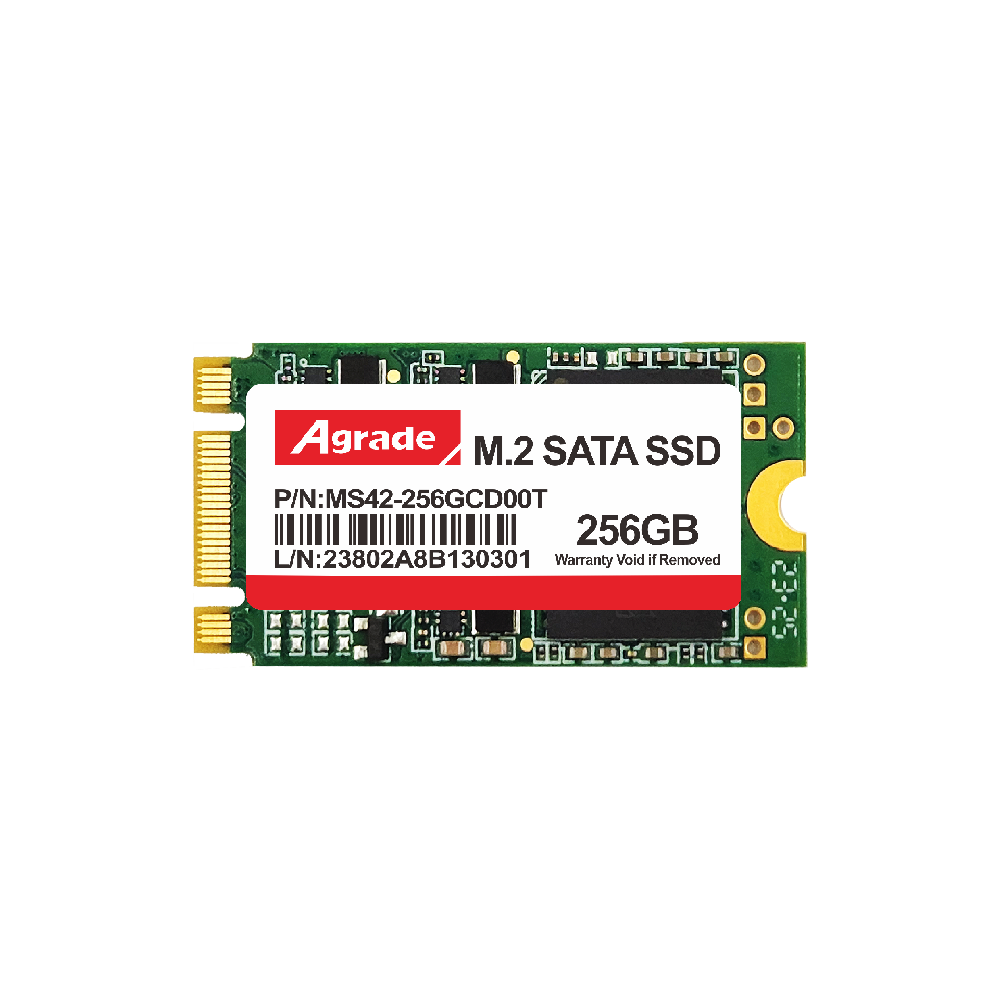
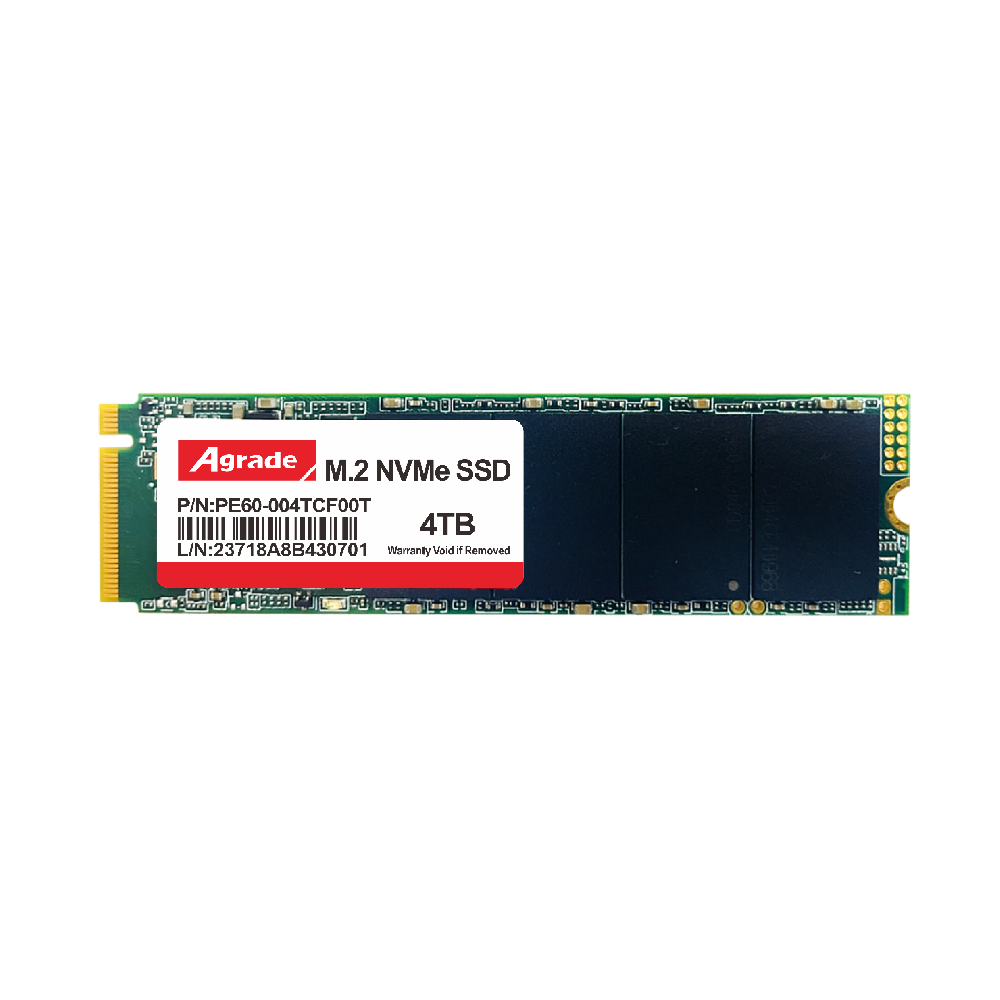
The following table provides a side-by-side technical comparison of a typical industrial military-grade rugged SSD (e.g., Agrade Storage’s M.2 NVMe 2280 military series) versus a high-end consumer rugged SSD (e.g., a USB-C external SSD with IP67 rating). Both are rated as 'rugged' but serve fundamentally different use cases.
| Feature | 方案A: Industrial Military-Grade Rugged SSD | 方案B: Consumer Rugged SSD (External) |
|---|---|---|
| Operating Temperature | -40°C to +85°C (with conformal coating and wide temp NAND) | 0°C to +70°C (typical; some extended to -10°C to +70°C) |
| Shock Resistance | 1,500G / 0.5ms (half-sine) per MIL-STD-810G, Method 516.6 | 500G / 1ms (drop test onto concrete from 2m) |
| Vibration Resistance | 20G (10-2000 Hz) random vibration per MIL-STD-810G, Method 514.6 | 5G (10-500 Hz) typical; no sustained random vibration spec |
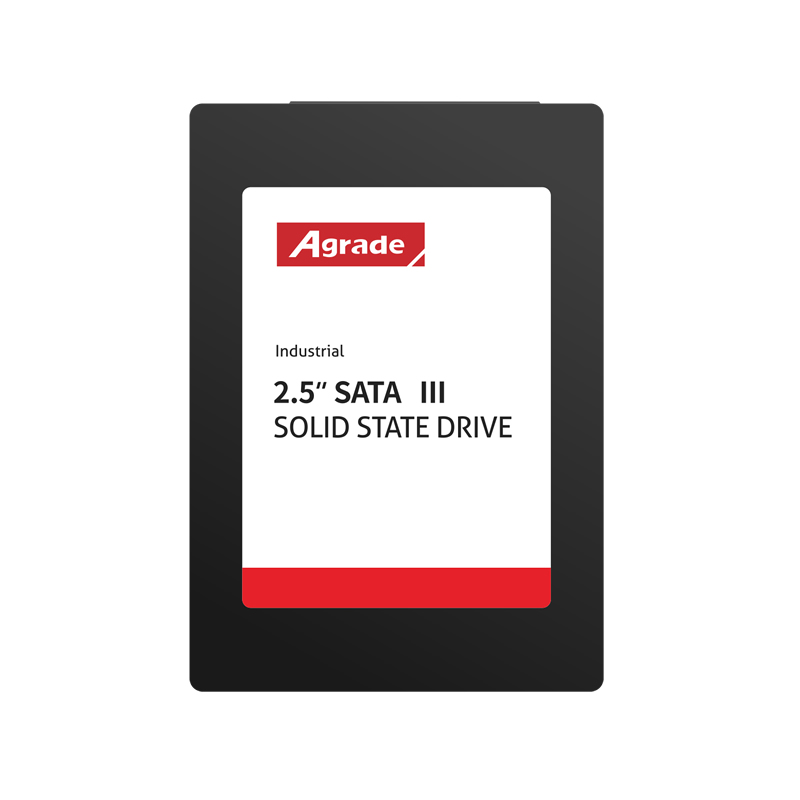
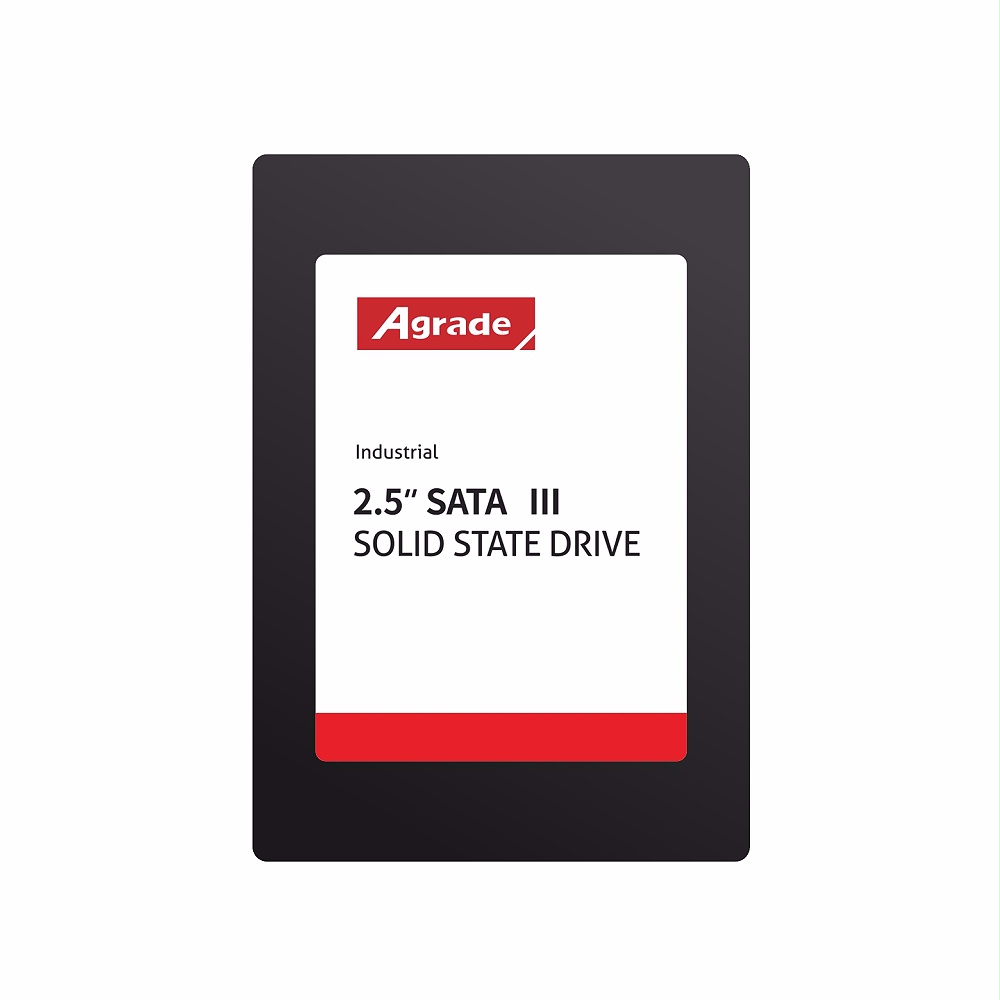
| Interface & Form Factor | M.2 2280, mSATA, 2.5" SATA, or U.2 NVMe; direct PCB mounting | USB-C or Thunderbolt external enclosure; cable-dependent |
| Security Features | TCG Opal 2.0, AES-256 hardware encryption, secure erase, TPM-ready | Software encryption (BitLocker, FileVault) or basic AES-128 |
| Reliability (MTBF) | >3 million hours @ 40°C | 1-1.5 million hours @ 25°C |
| Power Consumption | Low power (3-5W active); Power Loss Protection (PLP) capacitors | Higher power (5-10W) due to USB bridge chip; no PLP |
| Compliance | MIL-STD-810G/H, DO-160, NIST SP 800-53, FIPS 140-2 (optional) | IP67, IEC 60068, drop test only |
| Price (per GB) | $1.50 - $3.00 (higher due to ruggedization, firmware, and testing) | $0.30 - $0.80 (consumer volume pricing) |
优缺点分析
方案A: Industrial Military-Grade Rugged SSD
优点: Designed from the silicon up for extreme environments. The wide temperature NAND flash and conformal coating prevent condensation and thermal throttling. Shock and vibration ratings are tested to military standards, not just free-fall drops. Hardware-based encryption with TCG Opal ensures data remains secure even if the drive is physically compromised. Power loss protection capacitors guarantee data integrity during sudden power cuts—critical in field scenarios. Additionally, these drives often include advanced bad-block management and low-density parity check (LDPC) error correction for long-term reliability.
缺点: Significantly higher cost per GB. Availability may be limited to specialized suppliers like Agrade Storage, requiring longer lead times. Form factors are typically internal (M.2, mSATA), meaning they are not hot-swappable without a carrier. They also require careful integration with the host system’s thermal design.
方案B: Consumer Rugged SSD (External)
优点: Low cost, wide availability, and plug-and-play simplicity via USB-C. Many models offer high sequential read/write speeds (up to 2,000 MB/s) suitable for file transfer. IP67-rated enclosures protect against dust and water immersion. Lightweight and portable, these drives are ideal for temporary field data collection or backup.
缺点: Not built for sustained vibration or high-G shock; the internal PCB and connector are not potted or secured. Operating temperature range is narrow—exposure to -20°C or +80°C can cause data loss or permanent failure. No hardware-based power loss protection or hardened encryption; data can be recovered if the drive is physically damaged. The USB interface adds latency and is a single point of failure (cable disconnect). They are not suitable for embedded systems or mission-critical storage inside a vehicle or UAV.
选型建议
Selecting between these two types of rugged SSDs depends on the deployment scenario and the criticality of data.
- For embedded military systems (drones, radar, armored computing): Choose 方案A. Only an industrial-grade SSD with MIL-STD-810 compliance, wide temperature range, and hardware encryption will ensure reliable operation in combat conditions. Agrade Storage’s military series, for example, is specifically validated for 1,500G shock and conformal coated for humidity resistance. The higher upfront cost is justified by the reduction in mission failure risk.
- For field data transfer or backup in a command tent: 方案B may suffice. A consumer rugged SSD with IP67 rating can handle accidental drops, dust, and rain. However, always maintain a backup plan—these drives are not suitable for primary operational storage.
- For portable ruggedized laptops used in tactical environments: Use 方案A as the boot drive (internal M.2 NVMe), and 方案B as a secondary removable storage for non-critical logs or media files. This hybrid approach balances performance, security, and cost.
- For data-at-rest in extreme climate zones (desert, arctic): Only 方案A meets the -40°C to +85°C requirement. Consumer drives will fail below 0°C.
In summary, while consumer rugged SSDs offer a tempting price point, they lack the engineering robustness required for military operations. For mission-critical applications, investing in a true industrial-grade rugged SSD from a specialist manufacturer like Agrade Storage ensures data survivability and system uptime when it matters most.

-
Products
Advantages
-
Solutions
-
News
About us
-
Contact us
Tel:+86 19926658803
Whatsapp:+86 19926658803
lianle1210@163.com
Address: 30CF, Caihong Building, Caihong Road, Futian District, Shenzhen City, Guangdong Province, China


Friendly Links:
