












News


 Agrade Storage
  2026-06-16 18:24:23
 NVMe Industrial SSD Market Surge: Latest News and Trends for 2025
行业背景
The industrial storage market has experienced a paradigm shift over the past two years. As factories, medical devices, and transportation systems demand faster data throughput and higher reliability, traditional SATA-based solid-state drives are giving way to NVMe (Non-Volatile Memory Express) interfaces. NVMe industrial SSDs now represent the fastest-growing segment within the embedded and industrial storage space, driven by the need for low latency, high bandwidth, and power efficiency in harsh environments. According to recent industry reports, the global industrial SSD market is projected to exceed $8 billion by 2027, with NVMe accounting for over 40% of new deployments. This growth is fueled by the expansion of edge computing, AI inference at the edge, and real-time data logging in logistics and automation. Manufacturers like Agrade Storage have been at the forefront, delivering NVMe solutions that withstand extreme temperatures, shock, and vibration while maintaining data integrity.
最新动态
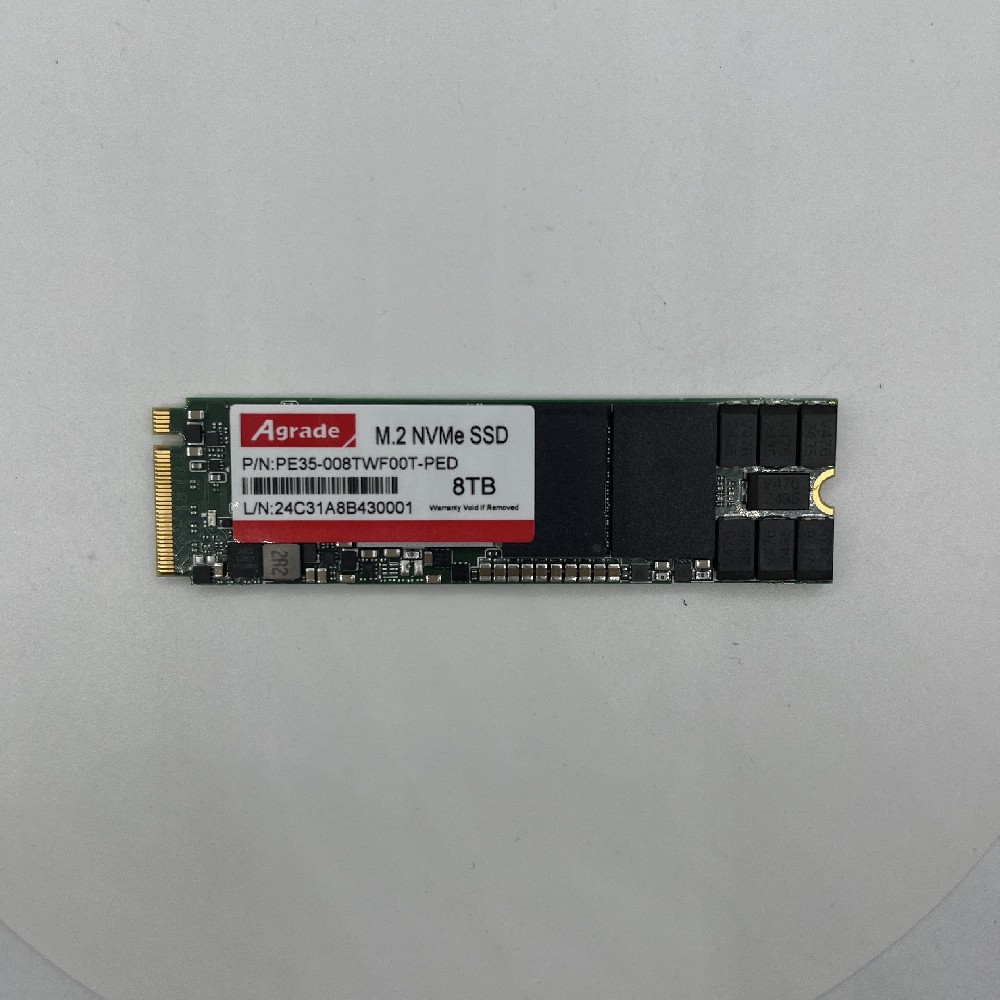
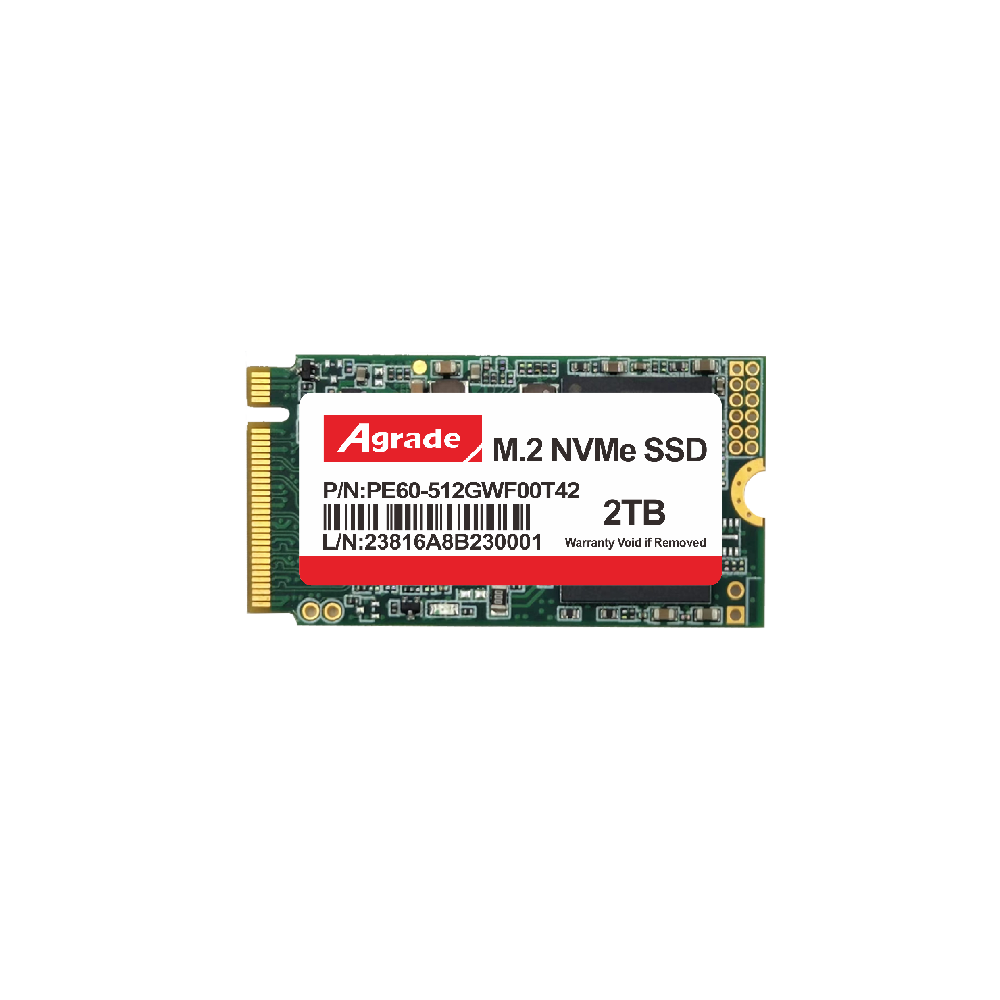
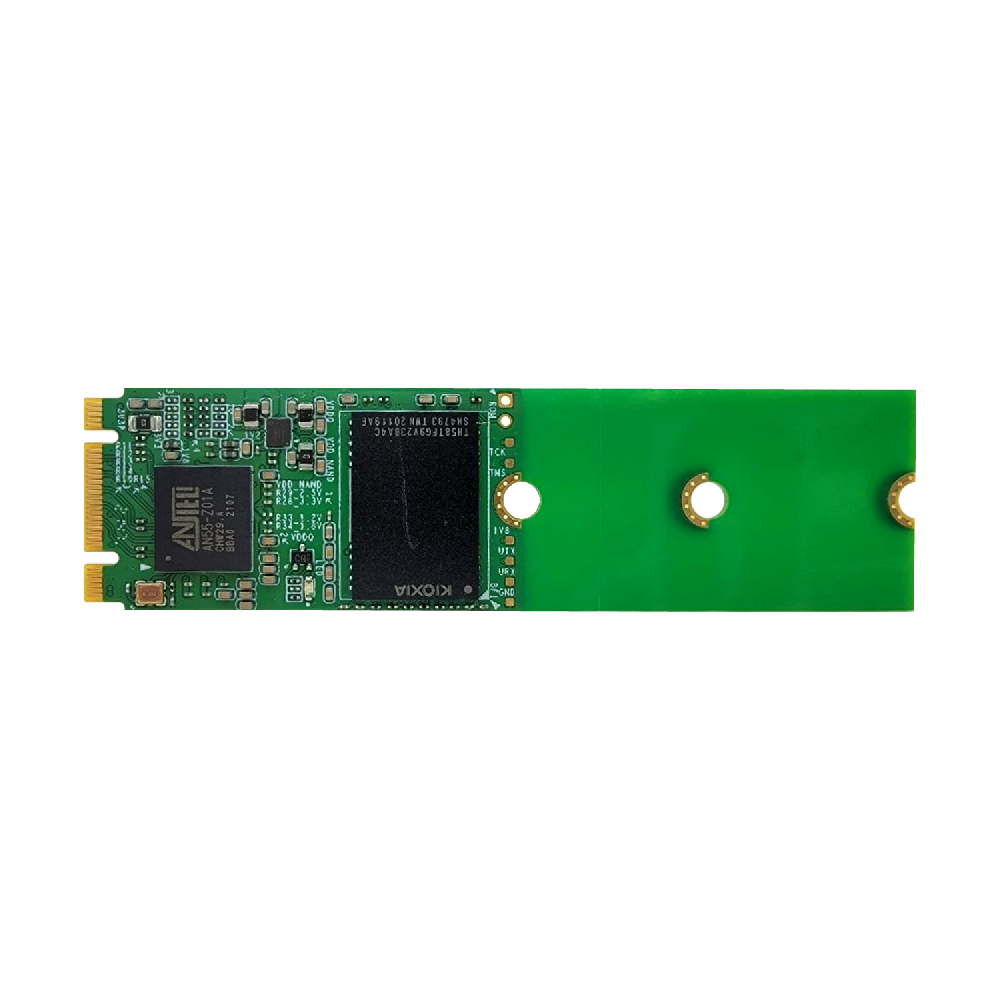
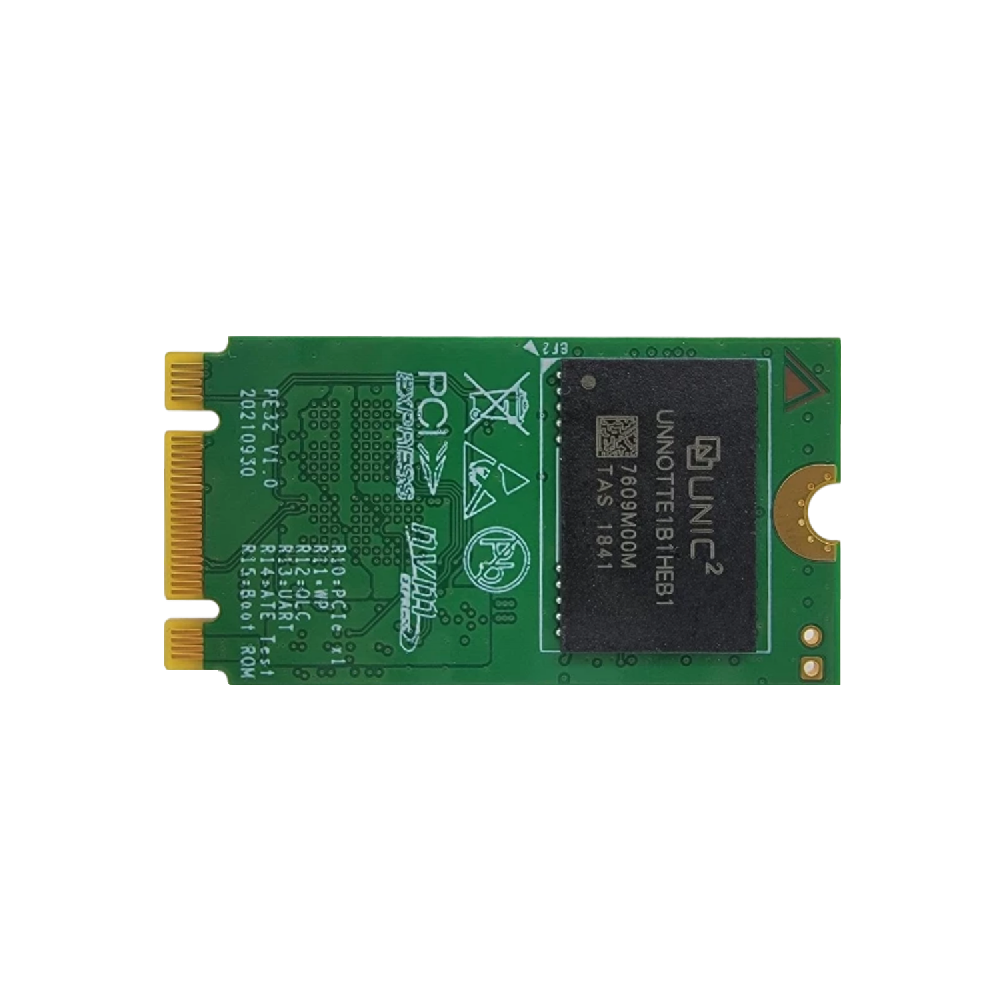
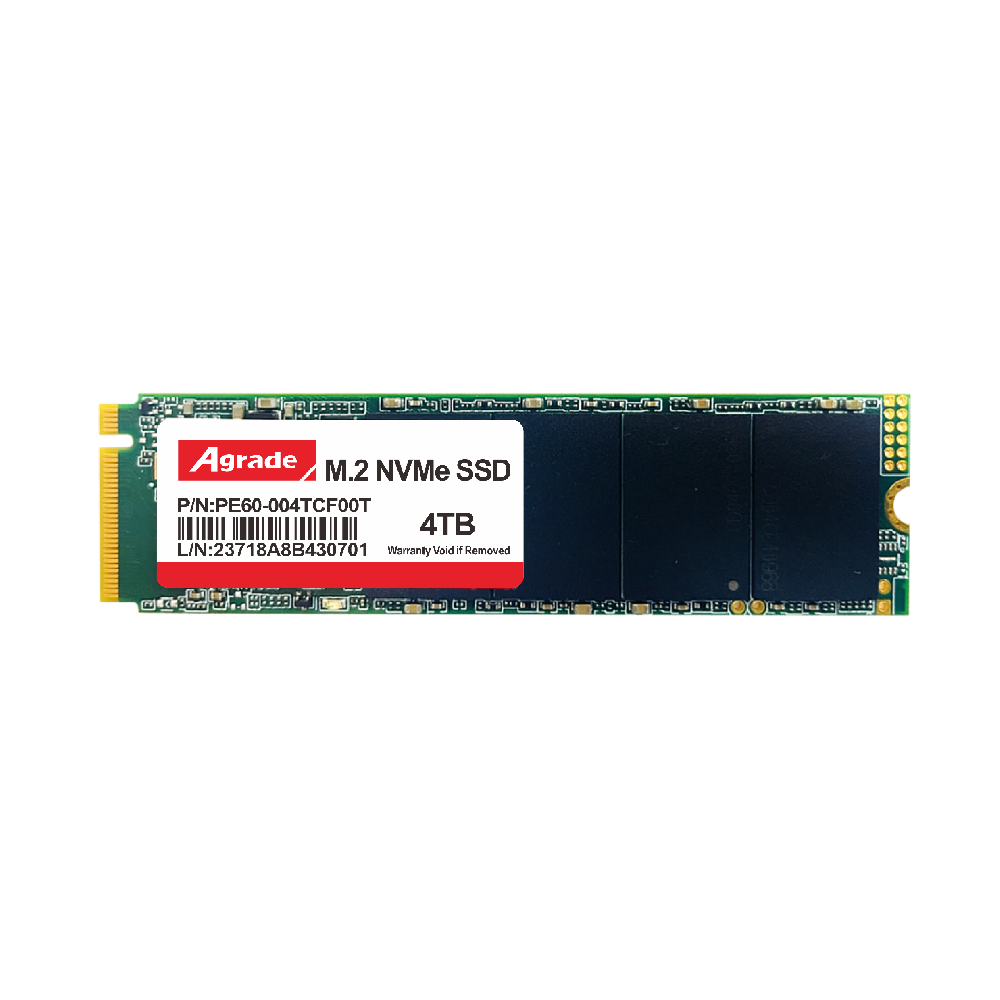
In the first quarter of 2025, several major announcements reshaped the NVMe industrial SSD landscape. First, a leading controller vendor released a new generation of PCIe Gen 4 controllers specifically optimized for industrial workloads. These controllers feature advanced power-loss protection (PLP) and enhanced error correction code (ECC) to support 3D TLC and QLC NAND, ensuring endurance ratings above 3,000 program/erase cycles. Second, multiple OEMs, including Agrade Storage, launched NVMe industrial SSDs in the M.2 2280 and U.2 form factors with capacities ranging from 128 GB to 8 TB. These drives boast sequential read speeds exceeding 6,500 MB/s and random IOPS of over 800K, making them ideal for AI inference and real-time analytics in factory automation. A notable product drop includes a wide-temperature variant rated for -40°C to +85°C operation, validated for use in oil and gas exploration equipment. Additionally, a new firmware standard, NVMe 2.1, was ratified, introducing features like persistent event logging and enhanced sanitization commands tailored for industrial compliance.
行业影响
The latest NVMe industrial SSD advancements have profound implications across multiple sectors. In manufacturing, the shift from SATA to NVMe reduces data transfer bottlenecks in programmable logic controllers (PLCs) and human-machine interfaces (HMIs). This results in faster boot times, reduced latency for sensor data aggregation, and improved overall equipment effectiveness (OEE). For the automotive industry, NVMe SSDs enable higher-resolution mapping and real-time processing in autonomous vehicle testing rigs. The improved random write performance also benefits database-driven applications in warehouse management systems. Furthermore, the introduction of power-loss protection in NVMe drives eliminates the risk of data corruption during sudden power failures—a critical requirement for medical imaging and railway signaling. The wider adoption of NVMe in industrial settings also pushes legacy SATA drive prices downward, forcing manufacturers to innovate on value-added features like hardware-based encryption and self-encrypting drives (SEDs). Agrade Storage’s latest NVMe industrial SSDs, for example, offer end-to-end data protection and a mean time between failures (MTBF) exceeding 3 million hours, setting a new benchmark for reliability in harsh environments.
未来展望
Looking ahead, the trajectory for NVMe industrial SSDs points toward PCIe Gen 5 and even Gen 6 interfaces, which will double throughput while maintaining backward compatibility. By 2026, we expect to see industrial-grade NVMe SSDs with capacities up to 16 TB using QLC NAND and advanced wear-leveling algorithms. The adoption of NVMe over Fabrics (NVMe-oF) in industrial networks will enable disaggregated storage architectures, allowing multiple edge devices to share a single high-speed storage pool. Additionally, the rise of TSN (Time-Sensitive Networking) will converge with NVMe to provide deterministic latency for real-time control systems. Another trend is the integration of AI-driven storage management, where SSDs automatically adjust garbage collection and write amplification based on workload patterns. As cybersecurity becomes paramount, NVMe industrial SSDs will incorporate hardware root of trust and firmware measurement capabilities to comply with IEC 62443 standards. Agrade Storage is already prototyping next-generation NVMe drives with self-healing firmware and predictive failure analytics. The industrial storage ecosystem is clearly moving toward a future where NVMe is not just a performance option but the default interface for mission-critical deployments. Companies that invest now in NVMe-ready infrastructure will gain a competitive edge in data-intensive industrial applications.

-
Products
Advantages
-
Solutions
-
News
About us
-
Contact us
Tel:+86 19926658803
Whatsapp:+86 19926658803
lianle1210@163.com
Address: 30CF, Caihong Building, Caihong Road, Futian District, Shenzhen City, Guangdong Province, China


Friendly Links:
