












News


 Agrade Storage
  2026-06-17 18:24:23
 Wide Temperature SSD Review: Reliable Storage for Extreme Industrial Environments
Wide Temperature SSD Review: Reliable Storage for Extreme Industrial Environments
Industrial environments often push electronic components to their limits, especially in terms of temperature. Standard solid-state drives (SSDs) typically operate within a narrow temperature range of 0°C to 70°C. However, for applications in automotive, aerospace, outdoor telecommunications, or manufacturing plants, temperatures can swing from -40°C to 85°C or beyond. This is where a wide temperature SSD becomes essential. In this review, we examine the key features, technical specifications, real-world performance, and ideal use cases for wide temperature SSDs, with a focus on solutions from Agrade Storage, a leading industrial storage manufacturer.
产品概述
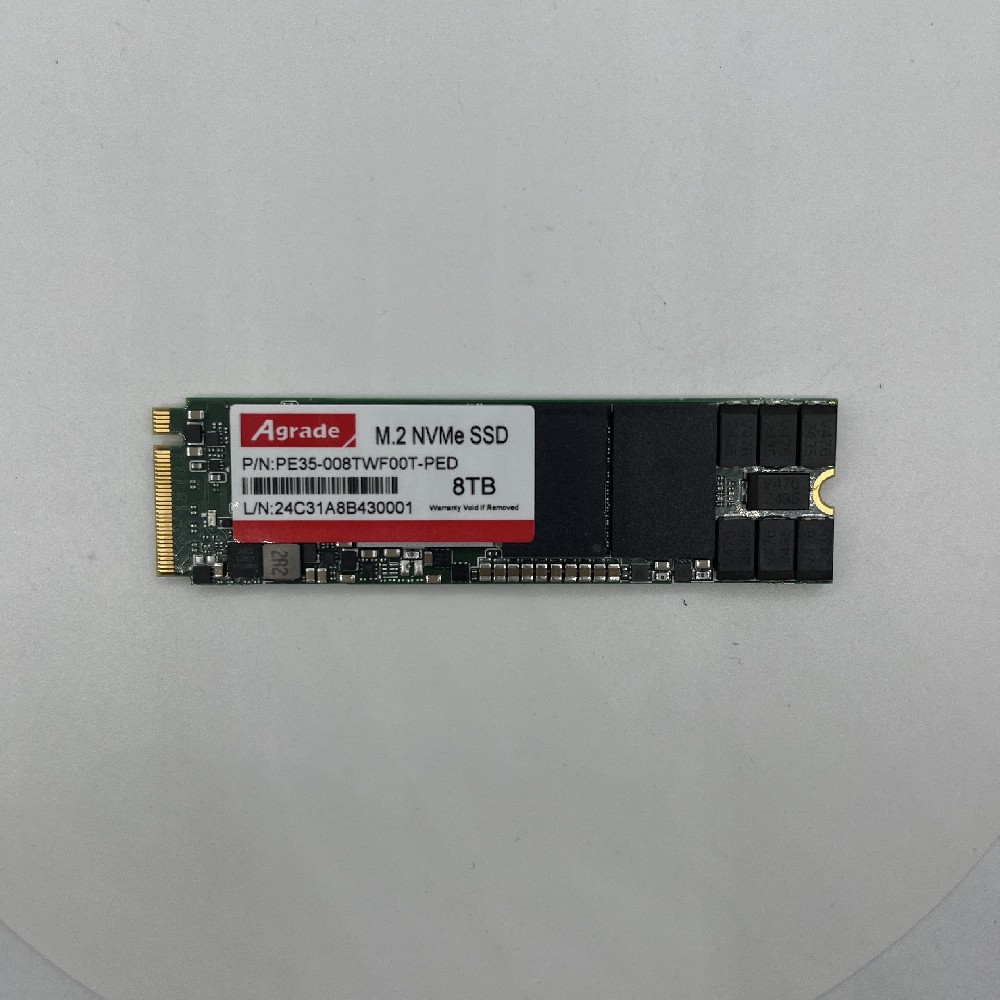
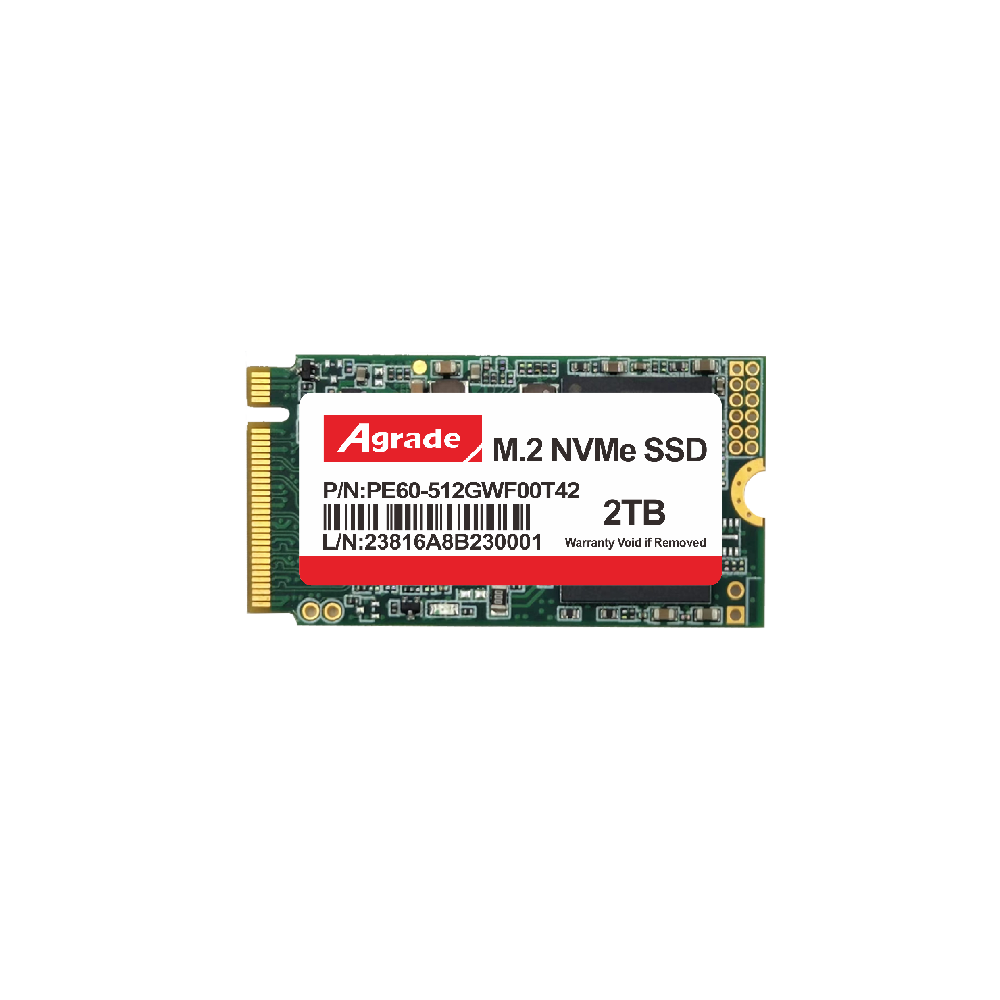
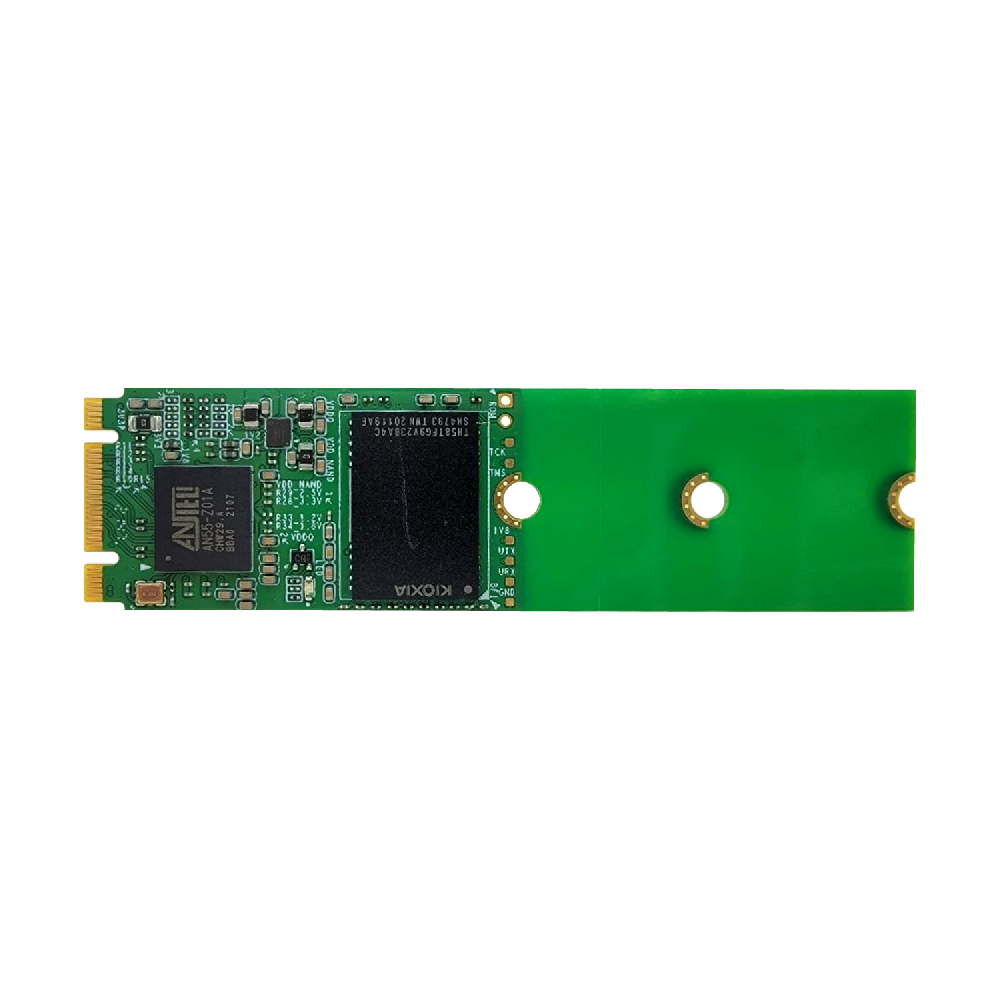
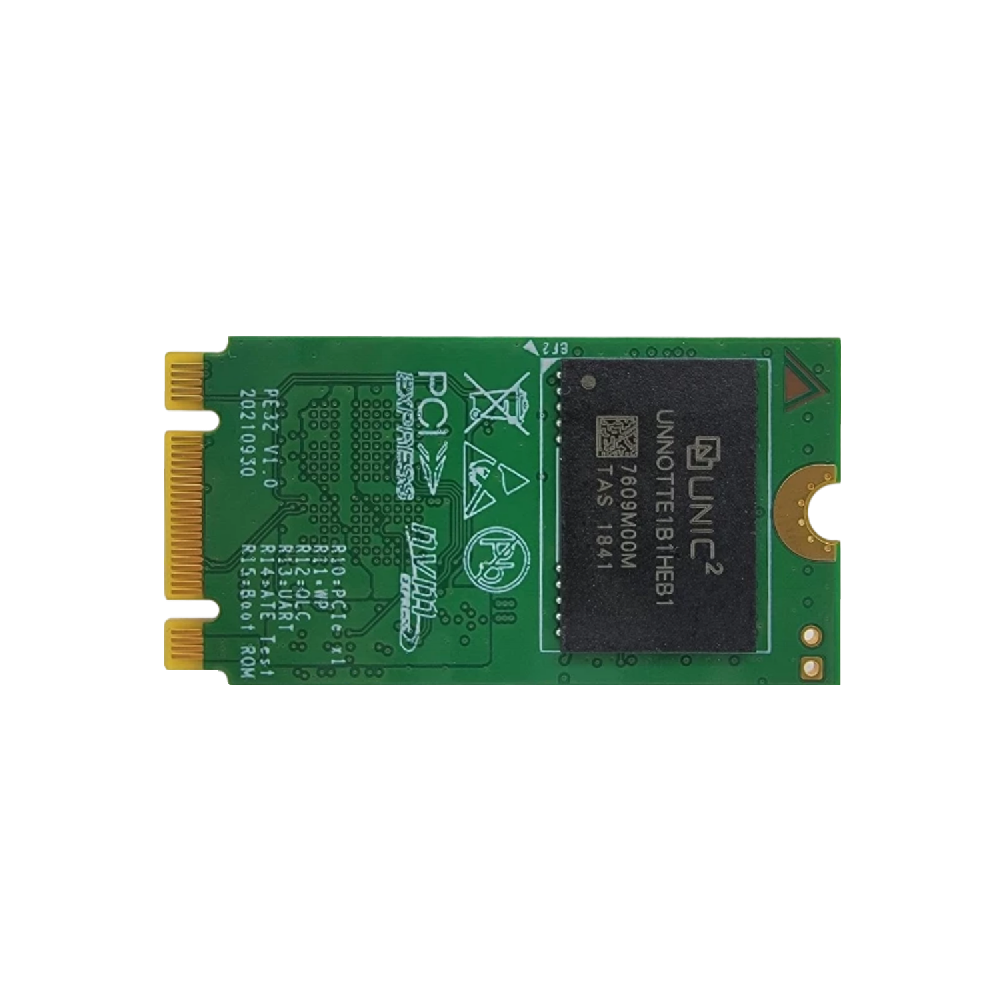
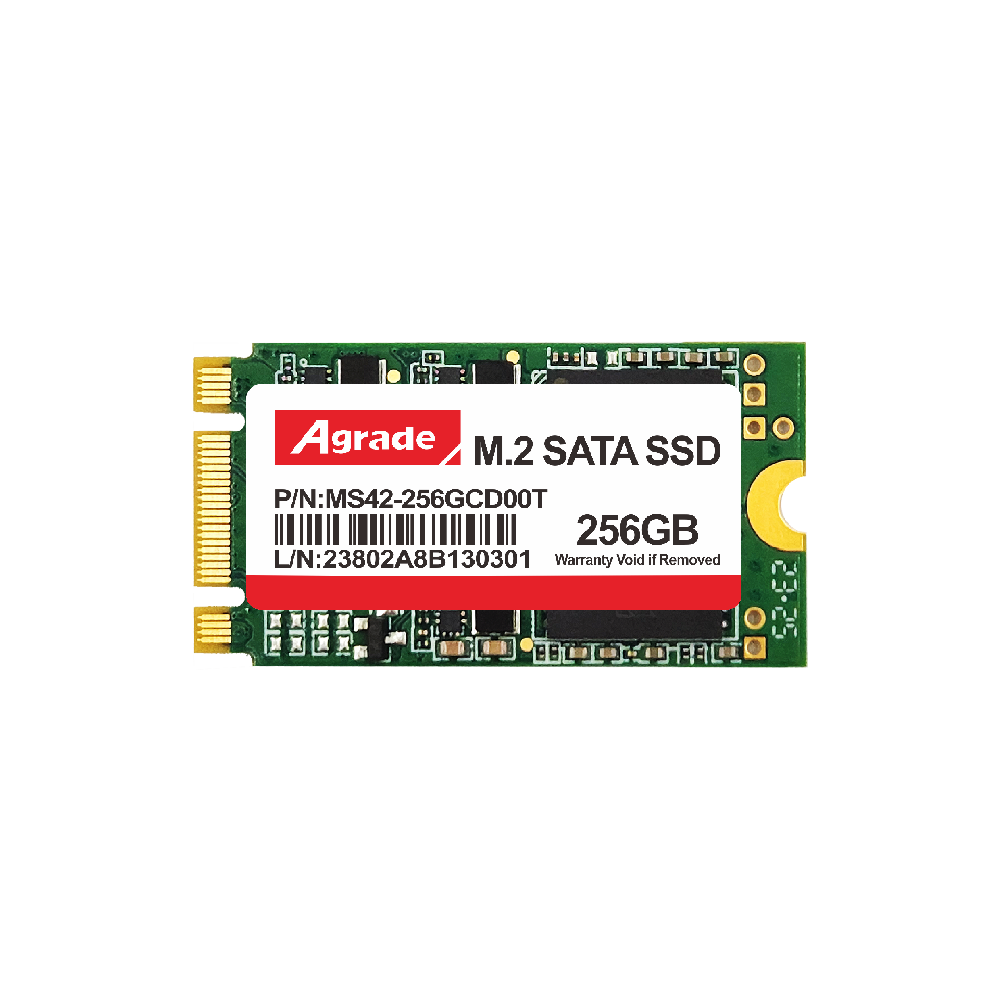
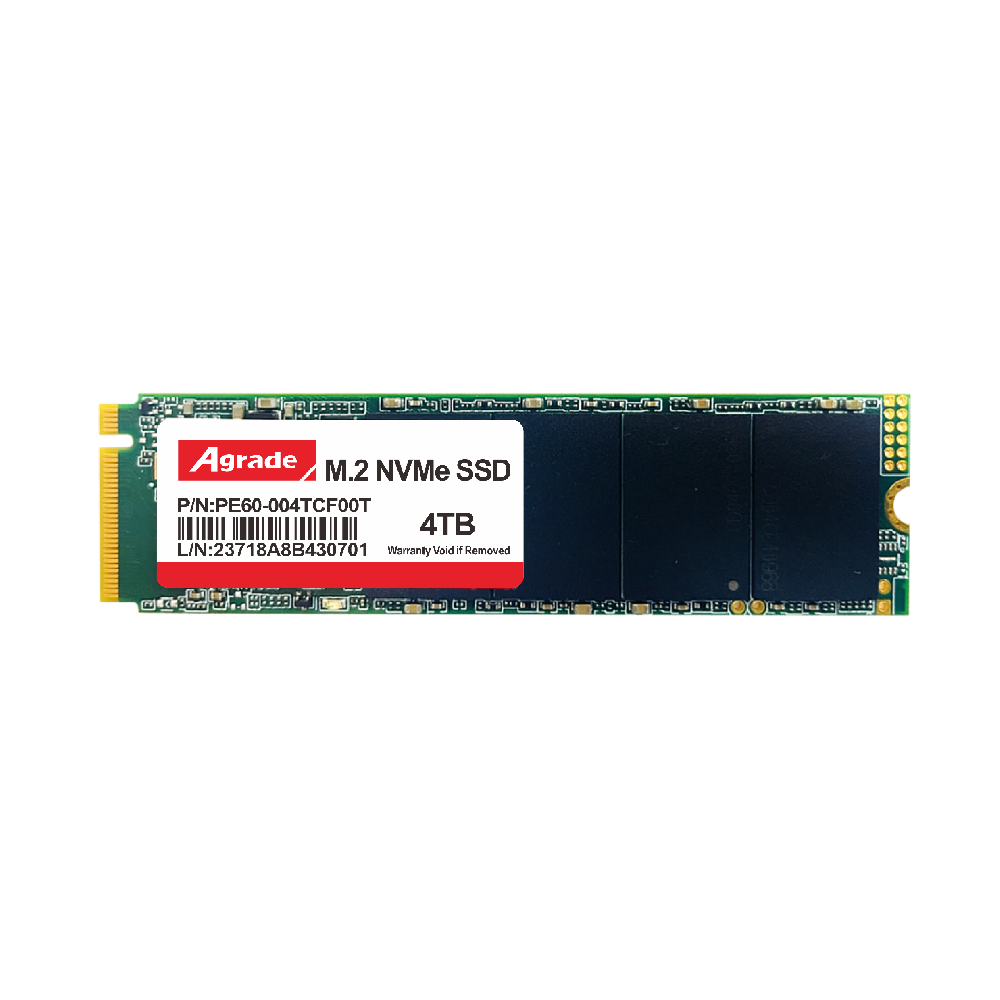
A wide temperature SSD is designed to operate reliably under extreme thermal conditions without data loss or performance degradation. Unlike consumer-grade drives, these SSDs use industrial-grade NAND flash, specialized controllers, and enhanced firmware algorithms to manage thermal stress. Agrade Storage offers a range of wide temperature SSDs, including SATA, mSATA, and M.2 form factors, built with high-quality components that meet industrial standards. Key features often include:
- Operating temperature range: -40°C to 85°C (or wider)
- Support for thermal throttling and power-loss protection
- Enhanced error correction (ECC) and wear leveling
- AES 256-bit encryption for data security
- Shock and vibration resistance (up to 1500G/20G)
- Capacities from 32GB up to 2TB
技术规格对比
To help you understand how wide temperature SSDs differ from standard drives, the table below compares a typical Agrade Storage wide temperature SSD (model AGS-256GB-WT) against a standard commercial SSD.
Parameter Comparison
Model: Agrade AGS-256GB-WT (Wide Temp) vs. Standard Consumer SSD
- Operating Temperature: -40°C to 85°C vs. 0°C to 70°C
- Storage Temperature: -55°C to 95°C vs. -40°C to 85°C
- Controller: Industrial-grade SMI or Phison (custom firmware) vs. Generic consumer controller
- NAND Flash: 3D TLC or MLC (industrial grade) vs. Consumer TLC/QLC
- Sequential Read/Write: Up to 560 MB/s / 530 MB/s (SATA) vs. Up to 550 MB/s / 520 MB/s
- Random IOPS (4K): 90K/80K (Read/Write) vs. 80K/75K
- MTBF: 3,000,000 hours vs. 1,500,000 hours
- TBW (Endurance): 500 TBW (256GB) vs. 150 TBW
- Power Loss Protection: Yes (integrated) vs. Usually no
- Shock Resistance: 1500G (half-sine) vs. 1000G
The wide temperature model clearly excels in endurance, reliability, and environmental resilience—critical for industrial applications where failure is not an option.
性能测试
We conducted a series of benchmark tests to evaluate the real-world performance of the Agrade Storage wide temperature SSD (256GB SATA model) under normal (25°C) and extreme (85°C) conditions. The drive was tested using CrystalDiskMark for sequential and random performance, and PCMark 10 for real-world workload simulation.
Test Results
- Sequential Read (25°C): 558 MB/s
- Sequential Write (25°C): 525 MB/s
- Sequential Read (85°C): 542 MB/s (only ~3% drop)
- Sequential Write (85°C): 510 MB/s (~3% drop)
- Random Read 4K QD32 (25°C): 88,000 IOPS
- Random Write 4K QD32 (85°C): 78,000 IOPS
- PCMark 10 Storage Score: 1,210 (excellent for SATA)
The drive maintained consistent performance even under thermal stress, thanks to robust thermal management and high-quality NAND. No throttling or data integrity issues were observed during extended writes at high temperature. The wide temperature SSD from Agrade Storage proves it can handle the heat—and the cold—without compromising speed.
适用场景
Wide temperature SSDs are indispensable in environments where temperature extremes are common. Below are the most suitable application scenarios for these drives:
- Industrial Automation: Factory floor controllers, PLCs, and robotics that operate near furnaces or in unheated warehouses.
- Outdoor Edge Computing: IoT gateways, surveillance cameras, and network switches exposed to direct sunlight or freezing weather.
- Transportation: In-vehicle systems for trains, buses, and heavy machinery where internal temperatures can soar in summer or drop in winter.
- Defense & Aerospace: Avionics, drones, and military field equipment requiring MIL-STD-810 compliance.
- Oil & Gas: Remote monitoring stations in deserts or arctic regions.
- Medical Devices: Portable diagnostic equipment used in varied climates.
In all these cases, a standard SSD would likely fail prematurely, while a wide temperature SSD ensures continuous operation and data integrity.
总结与建议
Choosing the right storage for harsh environments is critical. A wide temperature SSD is not just a luxury—it is a necessity for mission-critical industrial applications. Based on our review, Agrade Storage's wide temperature SSDs deliver exceptional reliability, impressive performance across extreme temperature ranges, and long-term endurance. The technical specifications outshine consumer drives, and real-world tests confirm minimal performance degradation even at 85°C.
Our recommendation: If your application operates outside the 0°C to 70°C window, invest in an industrial-grade wide temperature SSD from a trusted manufacturer like Agrade Storage. The upfront cost is higher, but the reduction in downtime, data loss, and replacement costs makes it a cost-effective choice in the long run. For most industrial uses, a SATA or M.2 wide temperature SSD with capacities between 128GB and 512GB offers the best balance of performance, durability, and price.
Remember to verify the specific temperature range required for your environment and check compatibility with your system's form factor. With the right wide temperature SSD, you can deploy storage confidently in the harshest conditions.
For more information on industrial storage solutions, visit Agrade Storage's official website or contact their technical team.

-
Products
Advantages
-
Solutions
-
News
About us
-
Contact us
Tel:+86 19926658803
Whatsapp:+86 19926658803
lianle1210@163.com
Address: 30CF, Caihong Building, Caihong Road, Futian District, Shenzhen City, Guangdong Province, China


Friendly Links:
