












News


 电商部
电商部  2026-01-04 16:01:20
 Analysis of Voltage and Power Consumption Technology for Domestic Memory Modules: How to Achieve Ene
Analysis of Voltage and Power Consumption Technology for Domestic Memory Modules: How to Achieve Energy Efficiency Improvement with 1.1V Low Voltage
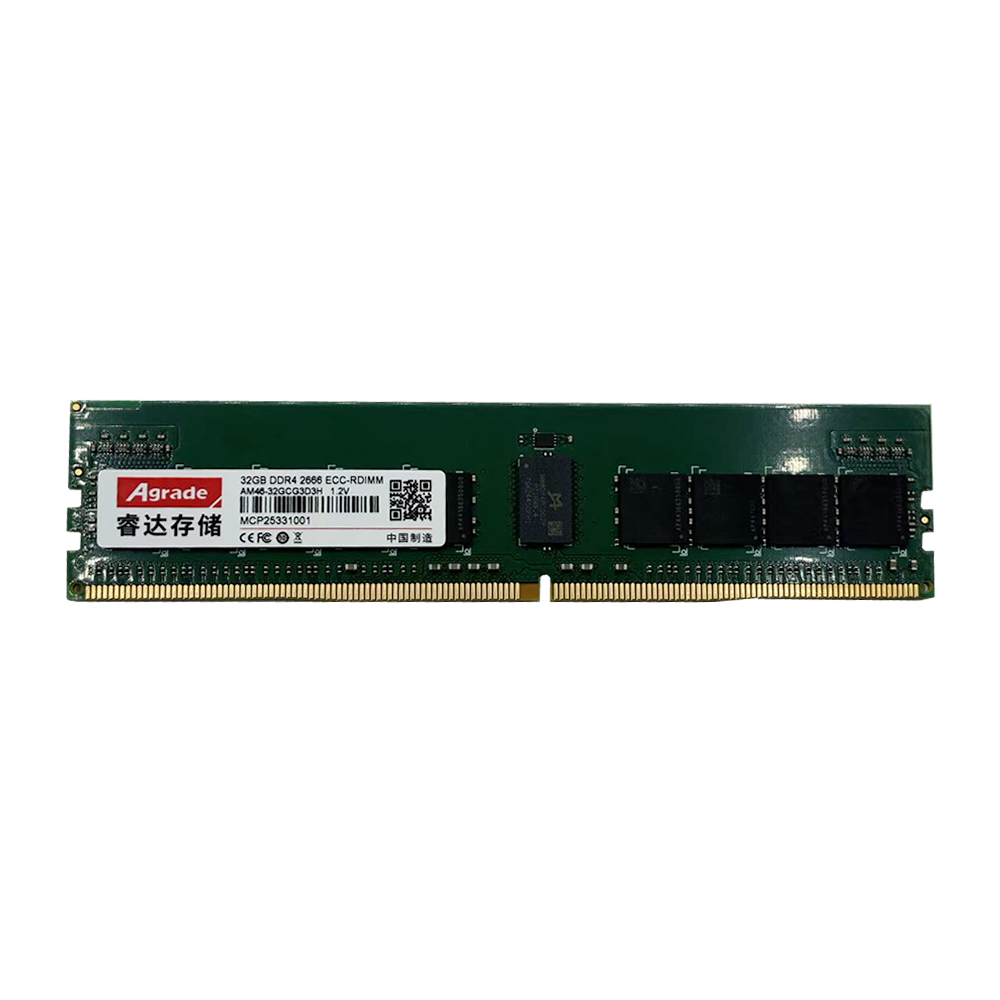
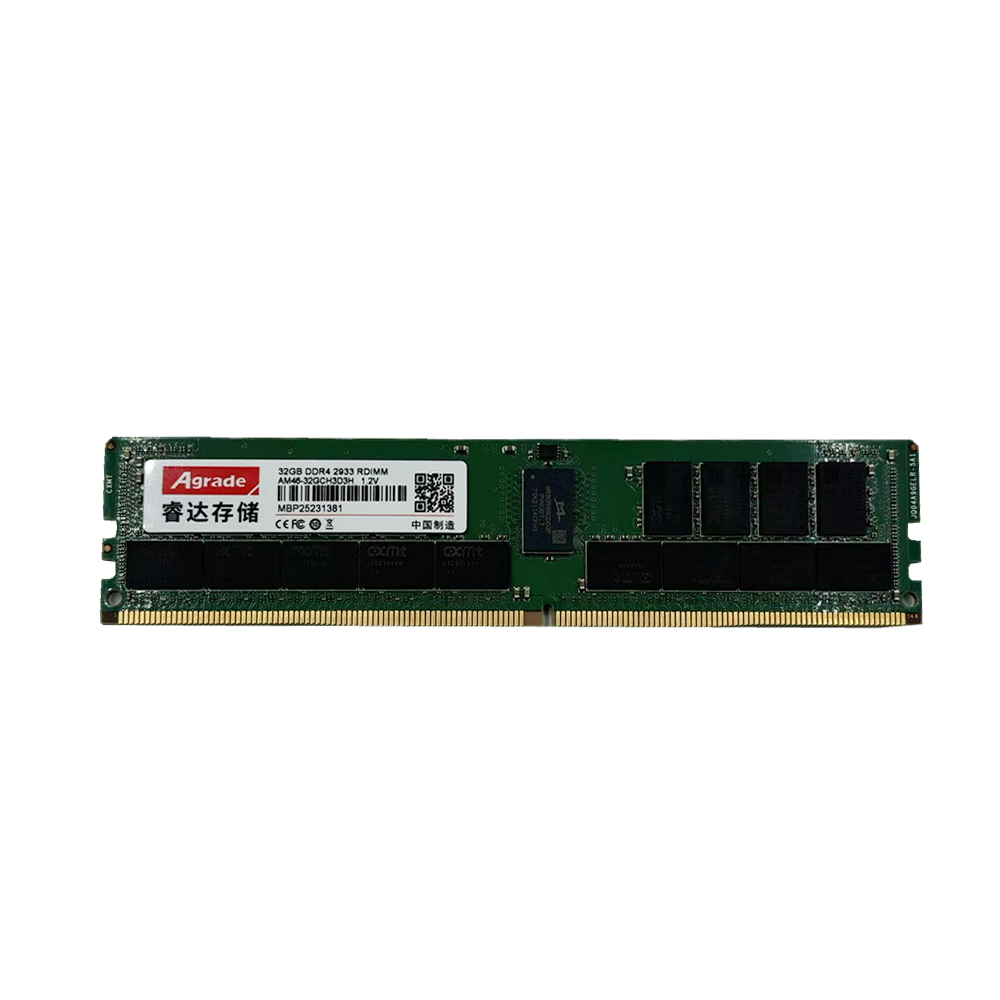
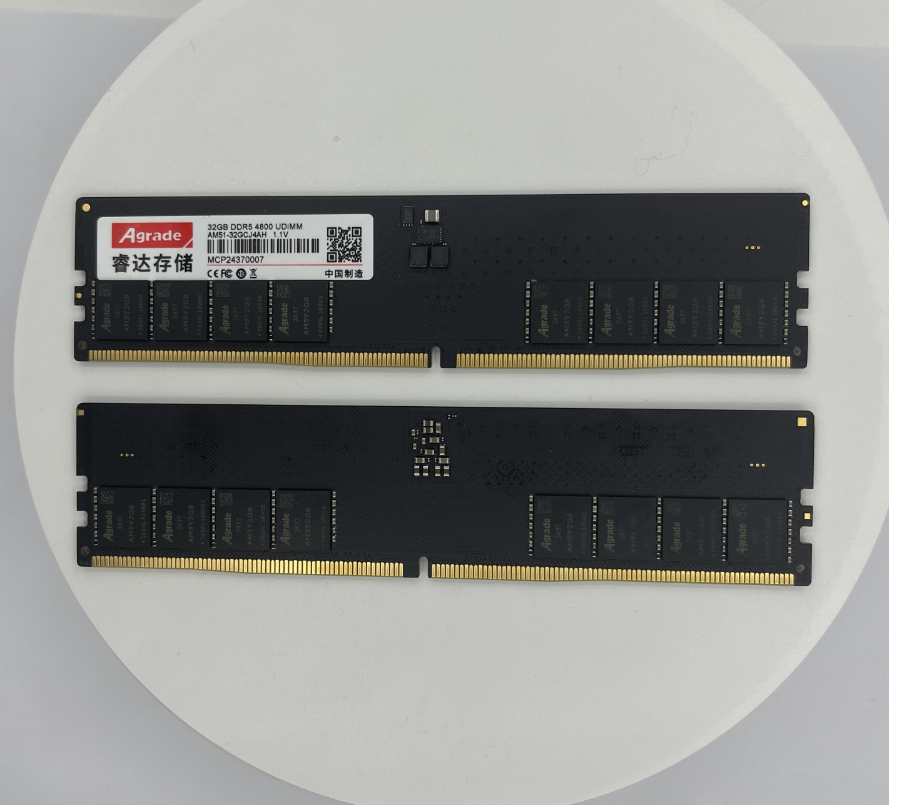
Voltage and power consumption are among the core indicators of memory technology, directly affecting the device's battery life and thermal performance. In the DDR5 era, domestically produced memory modules achieved a breakthrough with a low voltage of 1.1V, a reduction of about 20% compared to the 1.2V voltage of DDR4, marking a significant leap in energy efficiency. This achievement not only reflects the progress of domestic chip technology but also brings a better user experience to mobile devices such as laptops and ultrabooks.
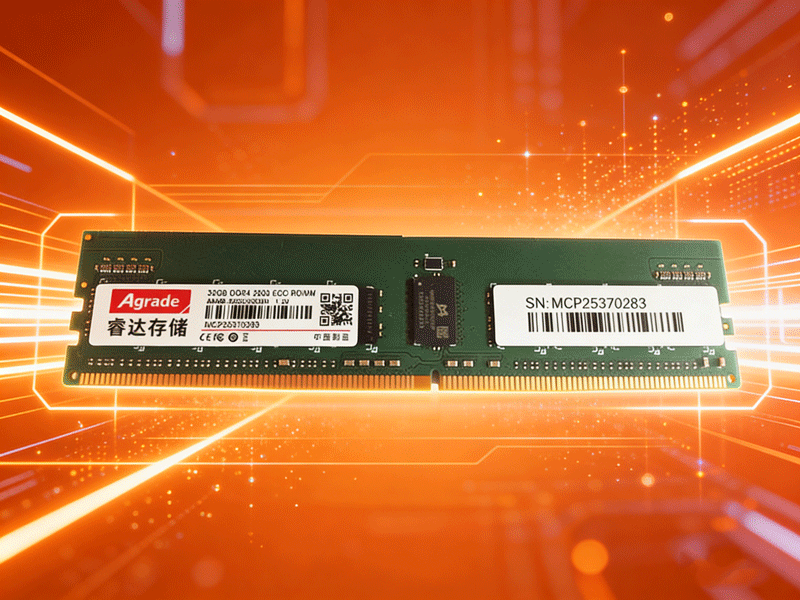
The core challenge of low-voltage design lies in balancing performance and stability. Reducing voltage may lead to insufficient signal strength, affecting the transmission rate and data integrity of memory. Domestic manufacturers have solved this problem through two major technological breakthroughs: firstly, optimizing transistor structure by adopting a more precise G4 process to enhance the switching characteristics of transistors, ensuring stable signal output even at low voltages; secondly, upgrading the power management solution by integrating a PMIC (power management integrated circuit) onto the PCB board for DDR5 memory, allowing for more precise regulation of supply voltage and reducing the impact of voltage fluctuations on performance.
The low voltage of 1.1V brings significant energy efficiency advantages. For laptops, a 20% reduction in memory power consumption can extend battery life by approximately 1-2 hours, which is one of the core demands of mobile device users. For large-scale application scenarios such as data centers, the cumulative effect of reducing power consumption of massive memory modules is significant, significantly reducing power consumption and cooling costs in computer rooms. Test data shows that laptops equipped with domestic 1.1V DDR5 memory have a battery life improvement of over 15% in office scenarios compared to models equipped with DDR4 memory.
The maturity of low-voltage technology is a microcosm of the comprehensive progress of domestic memory module technology. With the continuous optimization of process technology, domestic memory modules are expected to achieve breakthroughs in lower voltage in the future. At the same time, the mass production of domestic PMIC chips also ensures the autonomy and controllability of low-voltage technology. In the trend of green and low-carbon industries, low-power memory will become the mainstream in the market. Relying on its technological accumulation in this field, domestic memory modules are expected to further expand their market share.

-
Products
Advantages
-
Solutions
-
News
About us
-
Contact us
Tel:+86 19926658803
Whatsapp:+86 19926658803
lianle1210@163.com
Address: 30CF, Caihong Building, Caihong Road, Futian District, Shenzhen City, Guangdong Province, China


Friendly Links:
