












News


 Agrade Storage Editorial Team
  2026-05-17 16:21:55
 Industrial SSD Form Factors: 2.5-inch vs M.2 vs mSATA vs U.2 Guide
Choosing the right solid-state drive (SSD) for industrial applications requires more than just looking at capacity and speed. The physical form factor of the drive determines compatibility with your system, thermal performance, and long-term reliability in harsh environments. For engineers and procurement professionals navigating the world of industrial storage, understanding the differences between 2.5-inch, M.2, mSATA, and U.2 form factors is critical. This guide from Agrade Storage provides a clear, technical comparison to help you make an informed decision.
Why Form Factor Matters in Industrial Storage
In consumer devices, SSD form factors are often chosen for aesthetics or space savings. In industrial storage, the stakes are higher. The form factor directly impacts heat dissipation, vibration resistance, power consumption, and the ability to withstand extreme temperatures. A poorly matched SSD form factor can lead to system failures in automated manufacturing, transportation, or energy infrastructure. Agrade Storage designs industrial SSDs across all major form factors to ensure reliability in demanding environments.
2.5-inch Industrial SSDs
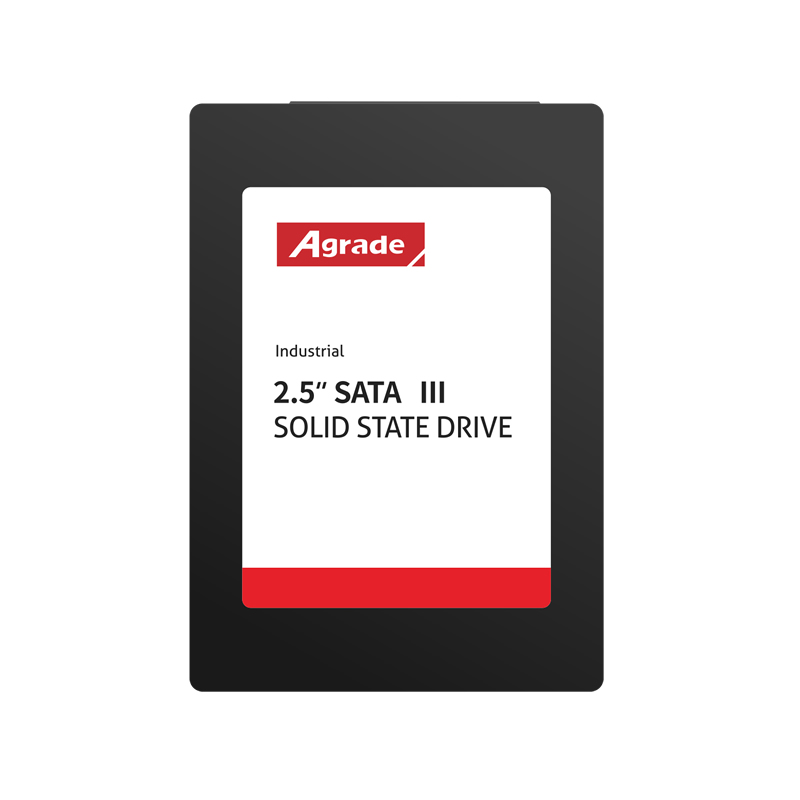
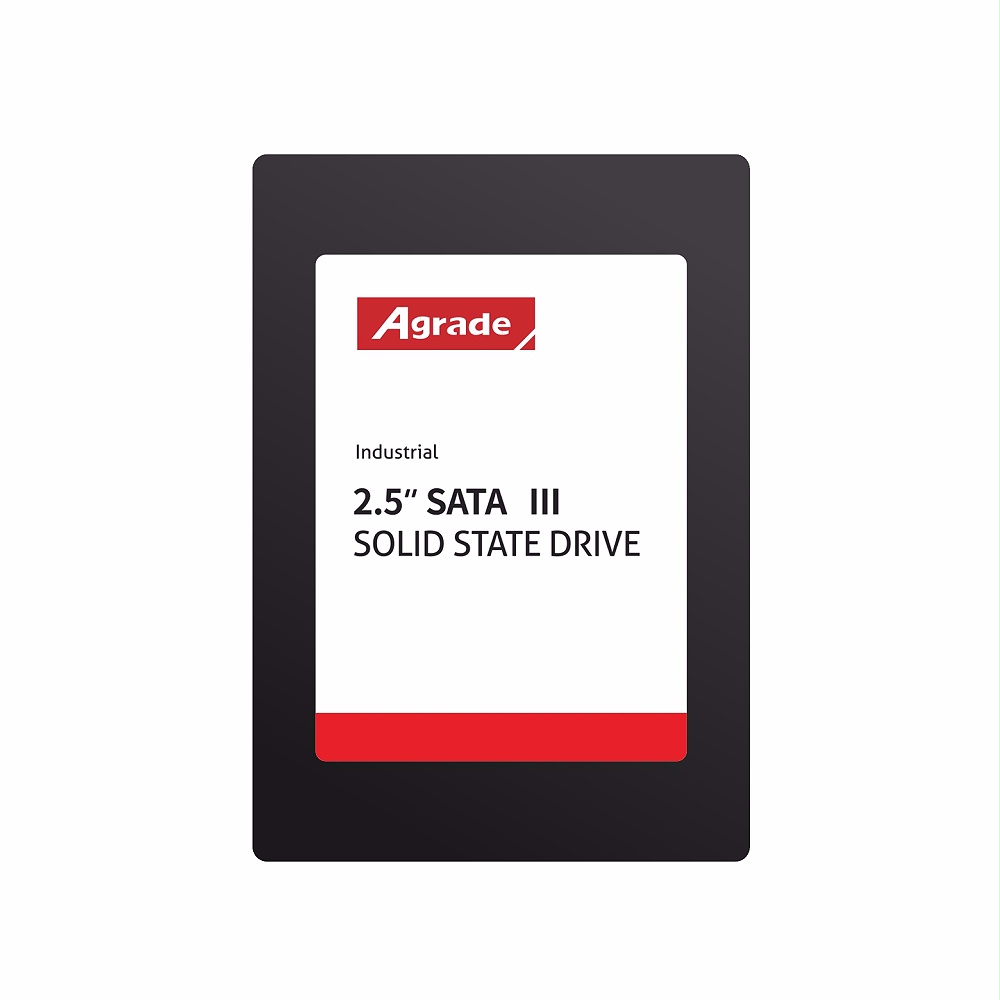
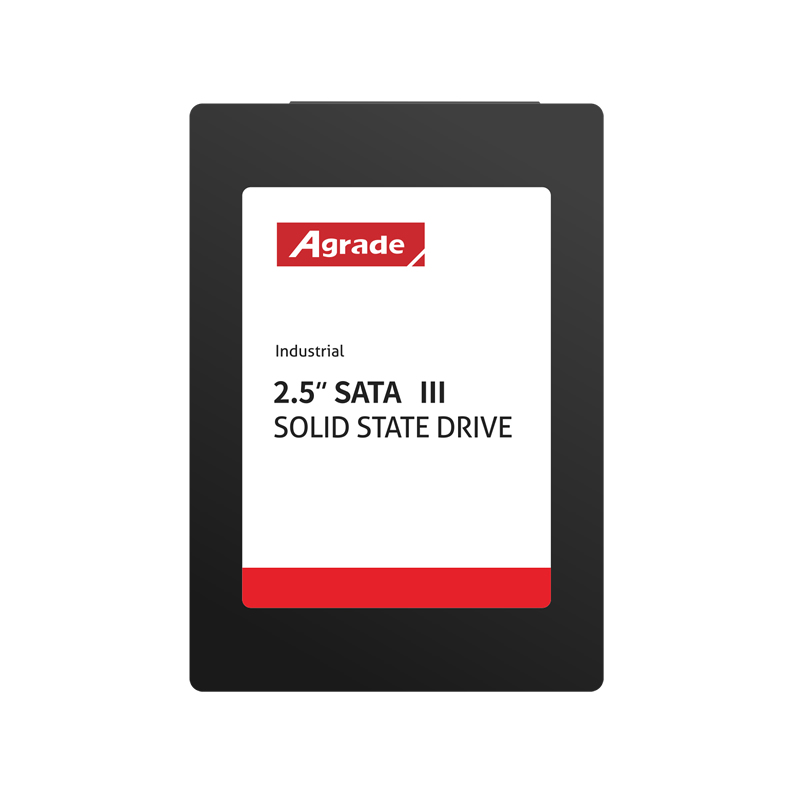
The 2.5-inch form factor is the most established and widely recognized in both enterprise and industrial settings. These drives connect via SATA (Serial ATA) interface, typically SATA III, offering speeds up to 550 MB/s.
Key Technical Details
- Dimensions: 100mm x 69.85mm x 7mm or 9.5mm thickness
- Interface: SATA III (6 Gbps), backward compatible with SATA II/I
- Capacity range: 32GB to 8TB and beyond
- Operating temperature: Industrial grades often support -40C to +85C
Practical Applications
2.5-inch SSDs are ideal for legacy system upgrades in factory automation, surveillance DVRs, and medical imaging equipment. Their larger physical size allows for better heat dissipation through aluminum enclosures, making them suitable for environments with limited airflow. Agrade Storage offers ruggedized 2.5-inch industrial SSDs with power-loss protection and advanced wear-leveling for 24/7 operation.
M.2 Industrial SSDs
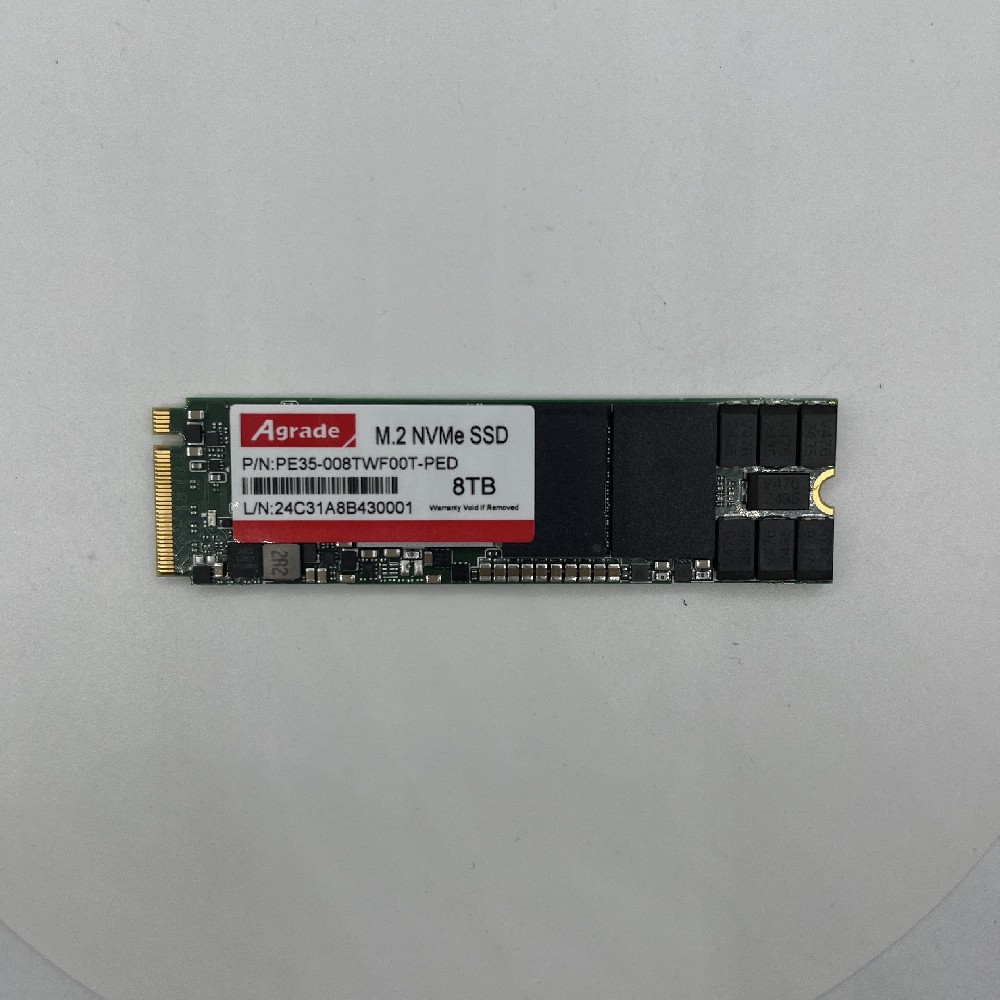
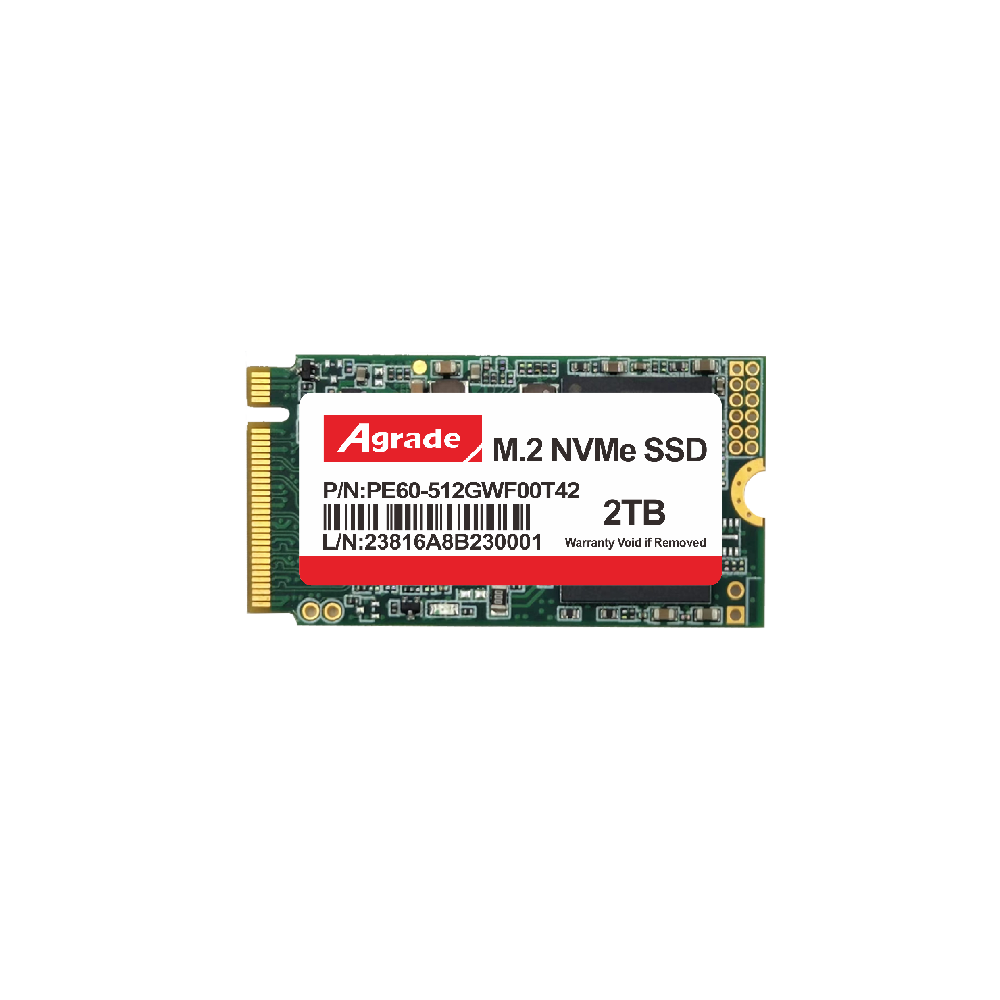
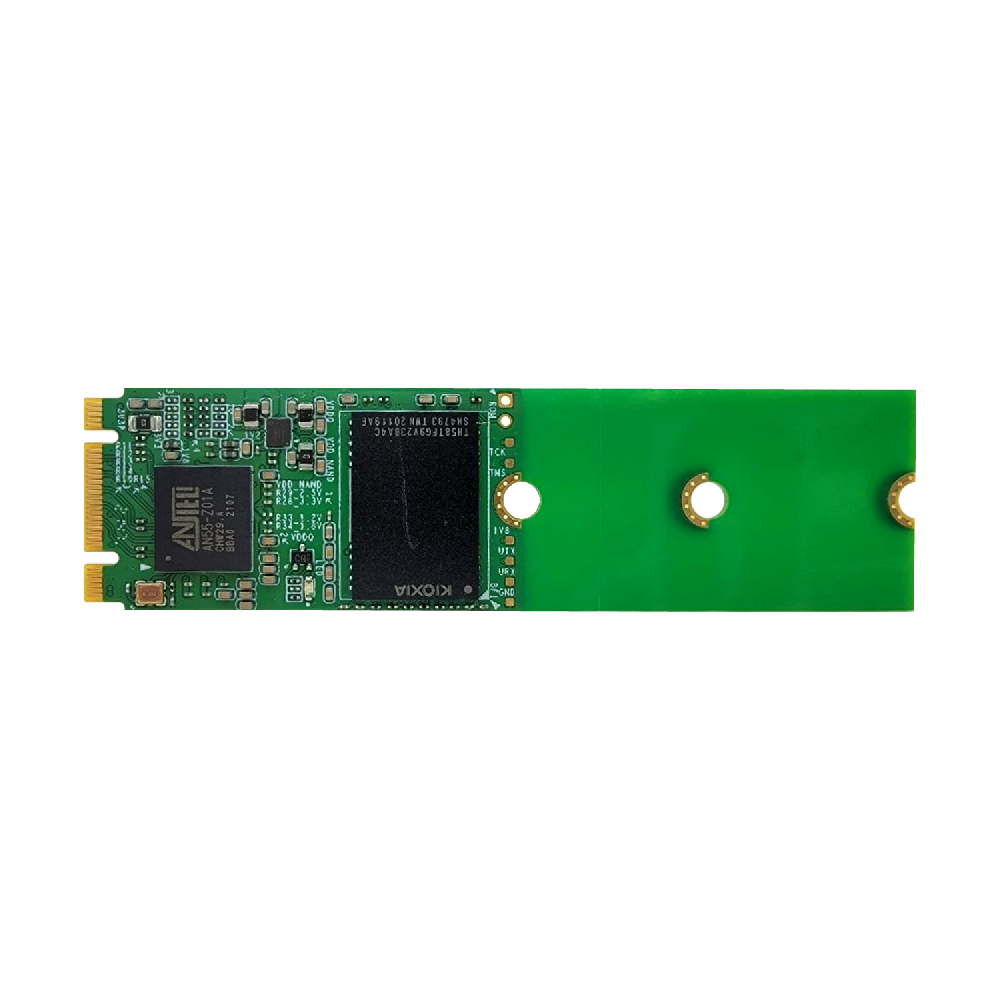
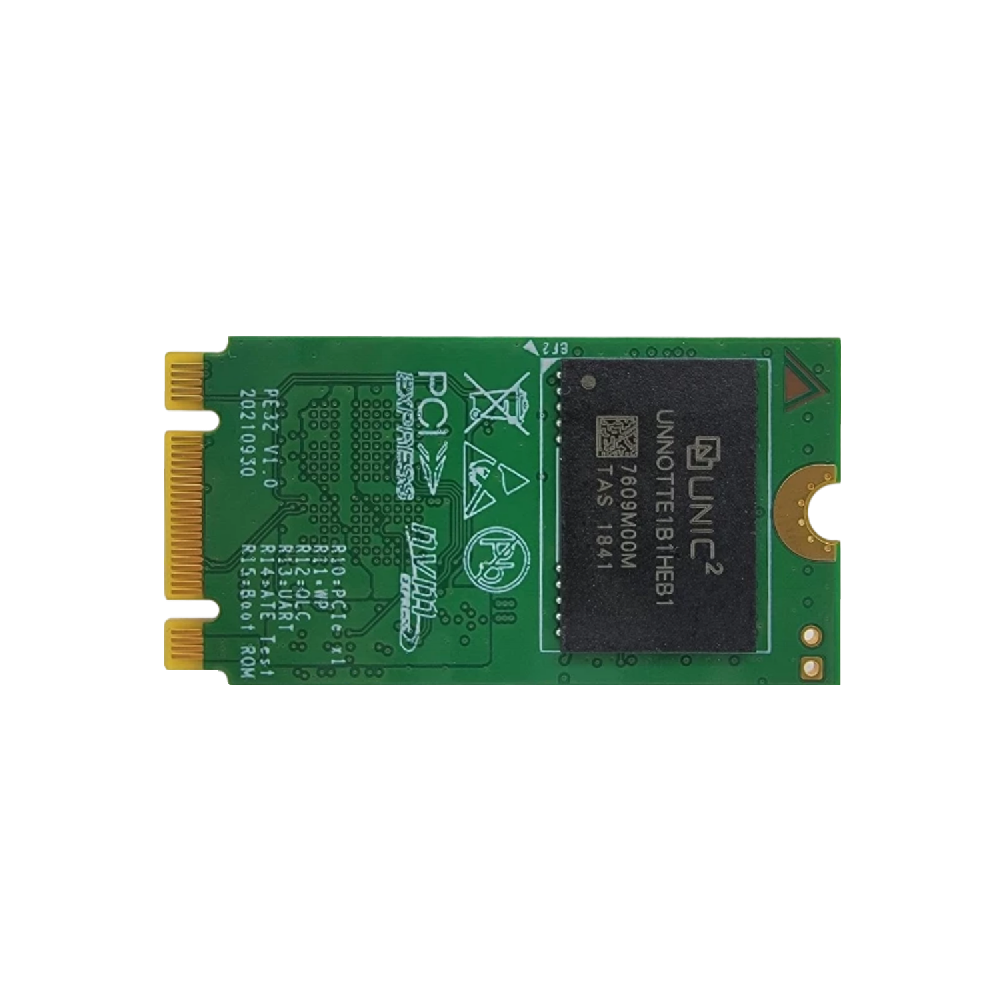
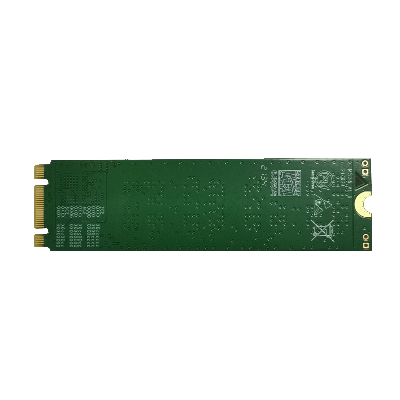
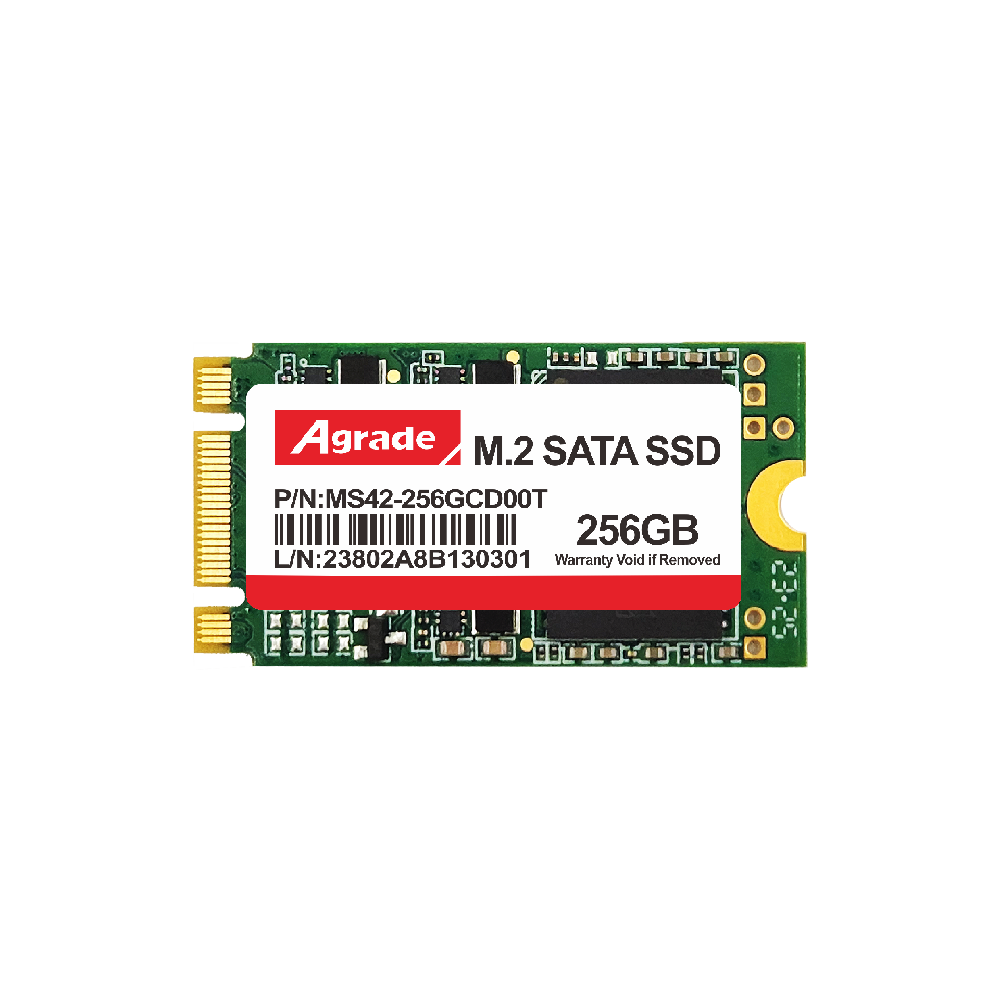
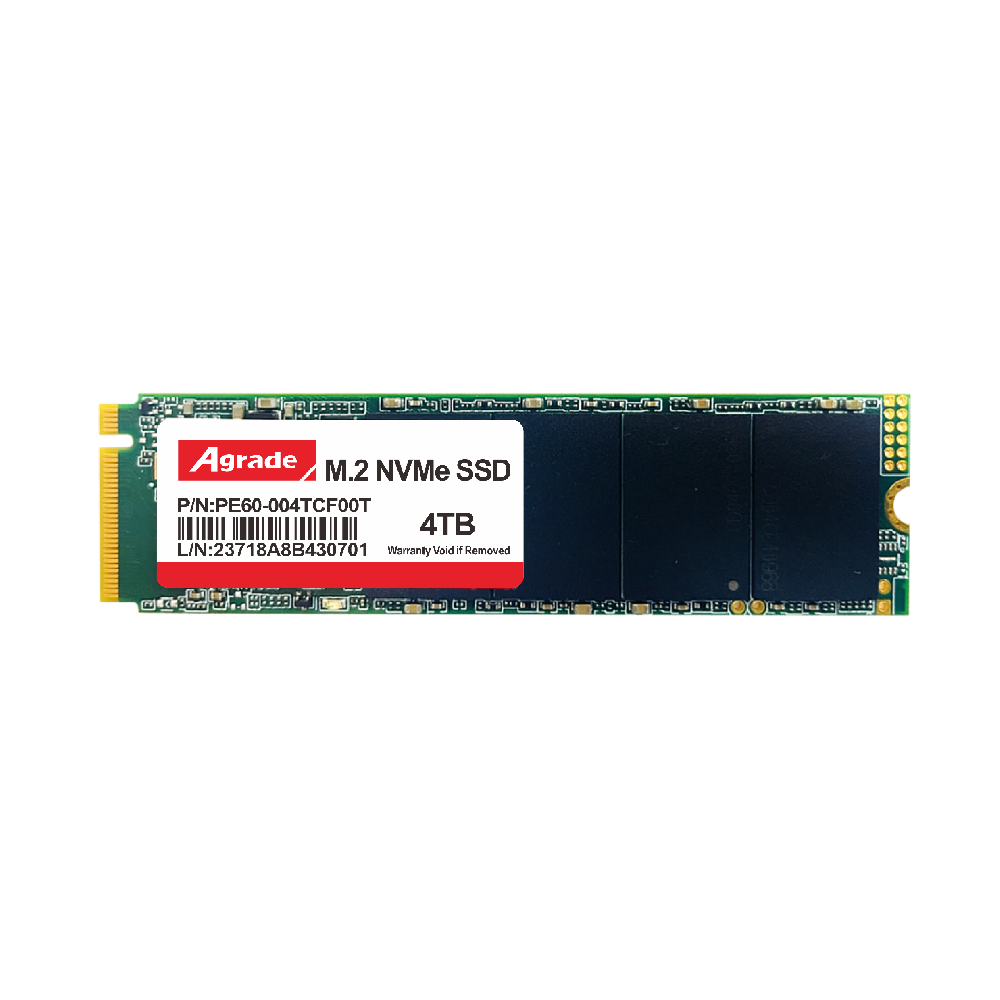
M.2 is a compact form factor that has become dominant in modern embedded systems and edge computing. These drives can use either SATA or NVMe (PCIe) interfaces, with NVMe delivering significantly higher speeds (up to 3,500 MB/s for Gen3 x4).
Key Technical Details
- Dimensions: Width 22mm, lengths from 30mm (2230) to 110mm (22110)
- Interface options: SATA III or PCIe 3.0/4.0 (NVMe)
- Key types: B-key (SATA), M-key (NVMe), or B+M-key (dual support)
- Capacity range: 16GB to 2TB (typical for industrial grades)
Practical Applications
M.2 SSDs are preferred in space-constrained designs like digital signage, in-vehicle computing, and portable instrumentation. The NVMe variant excels in applications requiring low latency, such as real-time data logging. Industrial M.2 drives from Agrade Storage feature conformal coating options to protect against moisture and dust in outdoor or factory environments.
mSATA Industrial SSDs
mSATA (mini-SATA) is a legacy form factor that predates M.2. While newer designs have largely shifted to M.2, mSATA remains relevant for maintaining existing systems and for specific industrial motherboards that still support this interface.
Key Technical Details
- Dimensions: 50.95mm x 30mm x 4mm (standard)
- Interface: SATA III (6 Gbps) only
- Connector: 52-pin edge connector
- Capacity range: 8GB to 1TB (industrial grades)
Practical Applications
mSATA drives are commonly used in older embedded systems, thin clients, and certain military/aerospace hardware where requalification for a new form factor is too costly. Agrade Storage continues to support mSATA for customers requiring drop-in upgrades without redesigning the system board.
U.2 Industrial SSDs
U.2 (formerly SFF-8639) is a high-performance form factor designed for enterprise and industrial data centers. It combines the capacity and thermal advantages of 2.5-inch drives with the speed of NVMe over PCIe.
Key Technical Details
- Dimensions: 100mm x 69.85mm x 7mm or 15mm (same as 2.5-inch)
- Interface: PCIe 3.0/4.0 x4 (NVMe), also supports SATA via adapter
- Connector: SFF-8639 (U.2) with separate power and data lanes
- Capacity range: 480GB to 15.36TB (enterprise/industrial)
Practical Applications
U.2 drives are ideal for high-throughput industrial servers, AI inference at the edge, and video analytics systems that process multiple 4K streams. Their larger enclosure allows for active cooling solutions, and they support hot-swapping in redundant storage arrays. Agrade Storage offers U.2 industrial SSDs with enhanced endurance ratings for write-intensive applications.
Comparison Summary: Which Form Factor to Choose?
To simplify your decision, consider the following criteria:
- Space constraints: M.2 (smallest) or mSATA (compact legacy) vs 2.5-inch or U.2 (larger)
- Performance needs: NVMe via M.2 or U.2 for high speed; SATA for cost-sensitive, moderate-speed tasks
- Thermal environment: 2.5-inch and U.2 allow better heat management; M.2 may need heatsinks in hot enclosures
- System compatibility: Check motherboard or carrier board interface availability
- Long-term availability: 2.5-inch and M.2 have the broadest industrial support; mSATA is phasing out
How Agrade Storage Supports All Form Factors
As a specialist in industrial storage, Agrade Storage manufactures SSDs in all four form factors with key industrial-grade features: wide temperature tolerance, conformal coating, power-loss protection, and high-cycle endurance. Whether you need a 2.5-inch drive for a solar inverter monitoring system, an M.2 for a drone payload, or a U.2 for a railway data recorder, Agrade Storage provides validated solutions backed by extensive compatibility testing.
Conclusion
Selecting the right industrial SSD form factor is a balance of physical fit, performance requirements, and environmental durability. 2.5-inch drives offer proven reliability and thermal capacity. M.2 provides compactness and speed. mSATA supports legacy systems. U.2 delivers high-capacity NVMe performance in a serviceable format. By matching the form factor to your specific industrial application, you can maximize system lifespan and minimize downtime. For expert guidance on industrial storage solutions, contact Agrade Storage to discuss your project needs.

-
Products
Advantages
-
Solutions
-
News
About us
-
Contact us
Tel:+86 19926658803
Whatsapp:+86 19926658803
lianle1210@163.com
Address: 30CF, Caihong Building, Caihong Road, Futian District, Shenzhen City, Guangdong Province, China


Friendly Links:
