












News


 电商部
电商部  2026-02-03 18:35:16
 Essential Parameters of Wide Temperature DDR5 for Selection
When selecting Wide Temperature DDR5, it is crucial to focus on key parameters related to extreme environment adaptability and performance, rather than blindly pursuing high frequency. The core parameters include operating temperature range, transfer rate, capacity density, error correction capability, and form factor, which directly determine the module’s application suitability and operational stability.
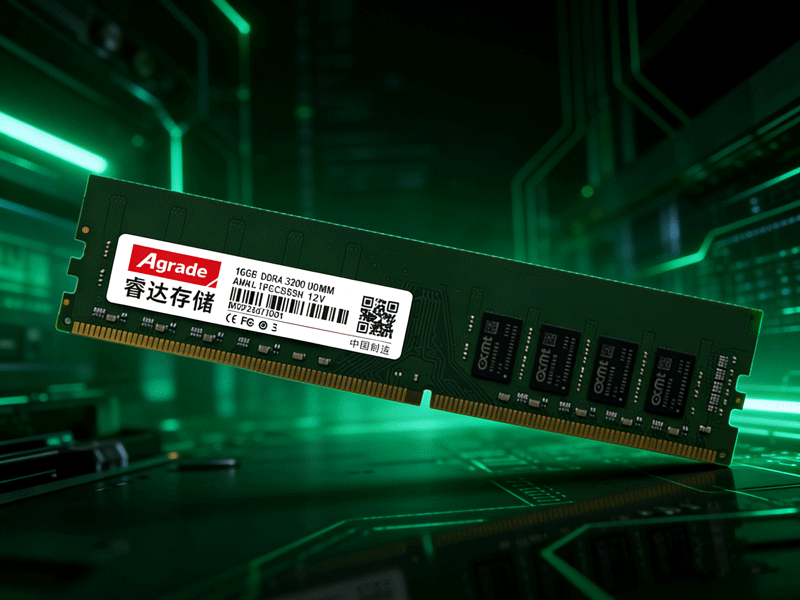
The operating temperature range is the primary selection criterion, as it directly determines environmental compatibility. Currently, Wide Temperature DDR5 on the market is divided into three grades: industrial-grade (-40°C to 85°C), suitable for most industrial control and IoT devices; automotive-grade (-40°C to 125°C), certified by AEC-Q100 for engine compartments and in-vehicle systems; and military-grade (-55°C to 150°C), designed for ultra-harsh environments such as military detection equipment. Selection should be based on the actual temperature fluctuation range of the application scenario.
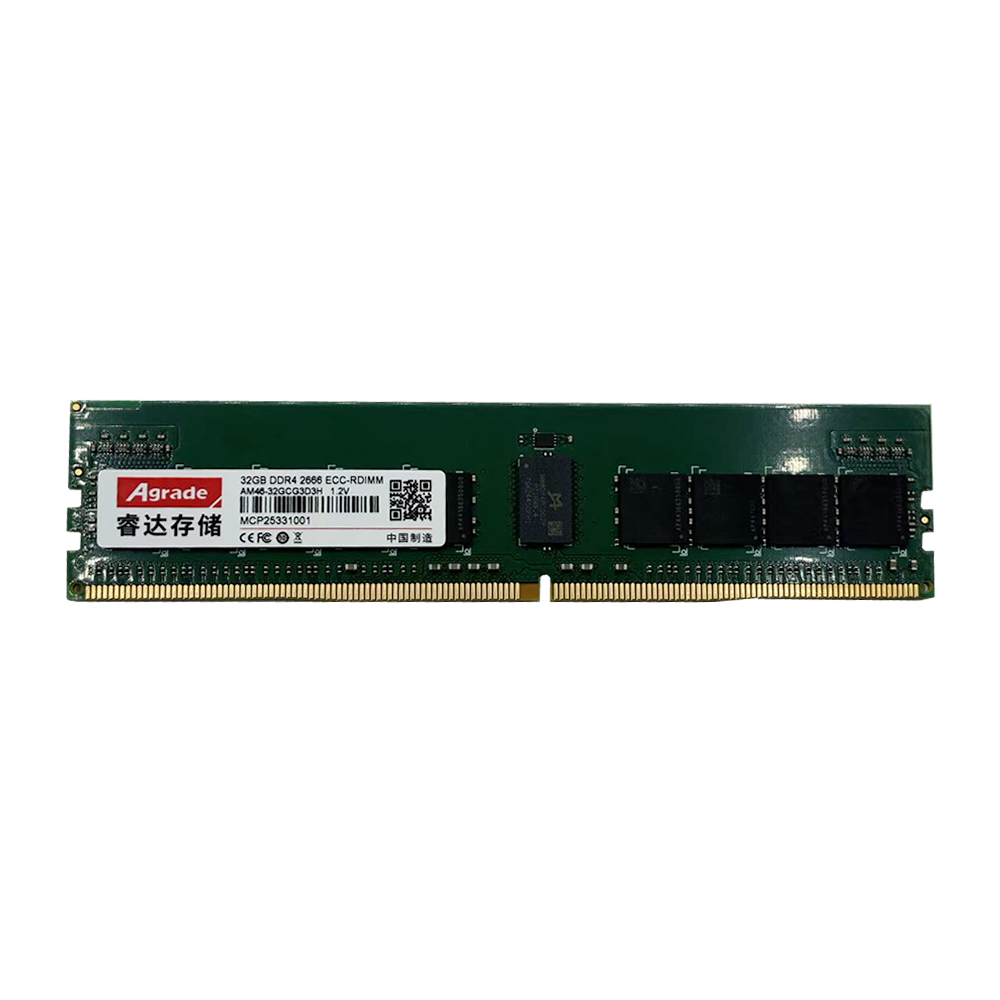
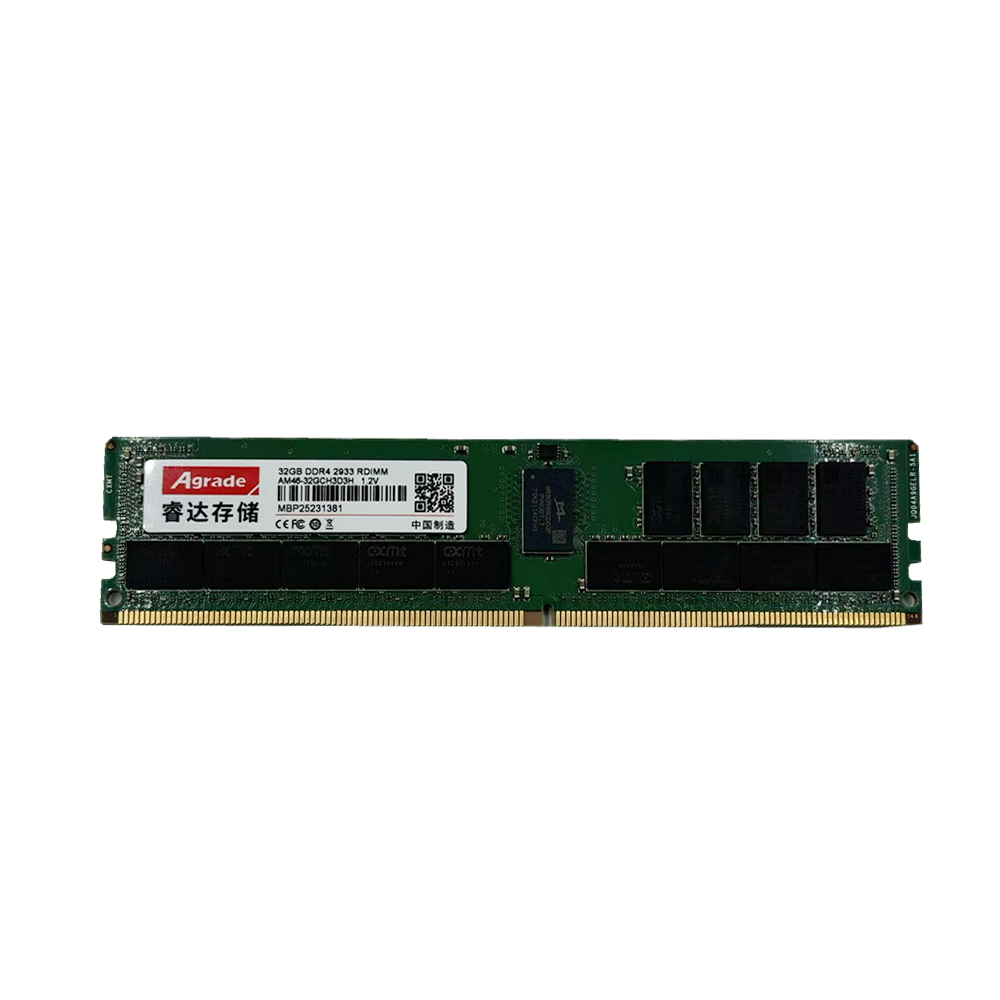
Transfer rate and capacity density should be matched to the performance requirements of the scenario. Wide Temperature DDR5 offers transfer rates ranging from 4800MT/s to 7200MT/s, with higher-speed versions expected to launch in the second half of 2026. Higher rates provide greater data throughput, making them suitable for AI edge computing, high-frequency communication, and other scenarios requiring massive data processing. In terms of capacity density, single-module capacities range from 8GB to 256GB, with RDIMM modules supporting up to 256GB and SO-DIMM modules up to 64GB. Industrial control scenarios typically require 16GB to 64GB, while high-end server applications may need larger capacities.
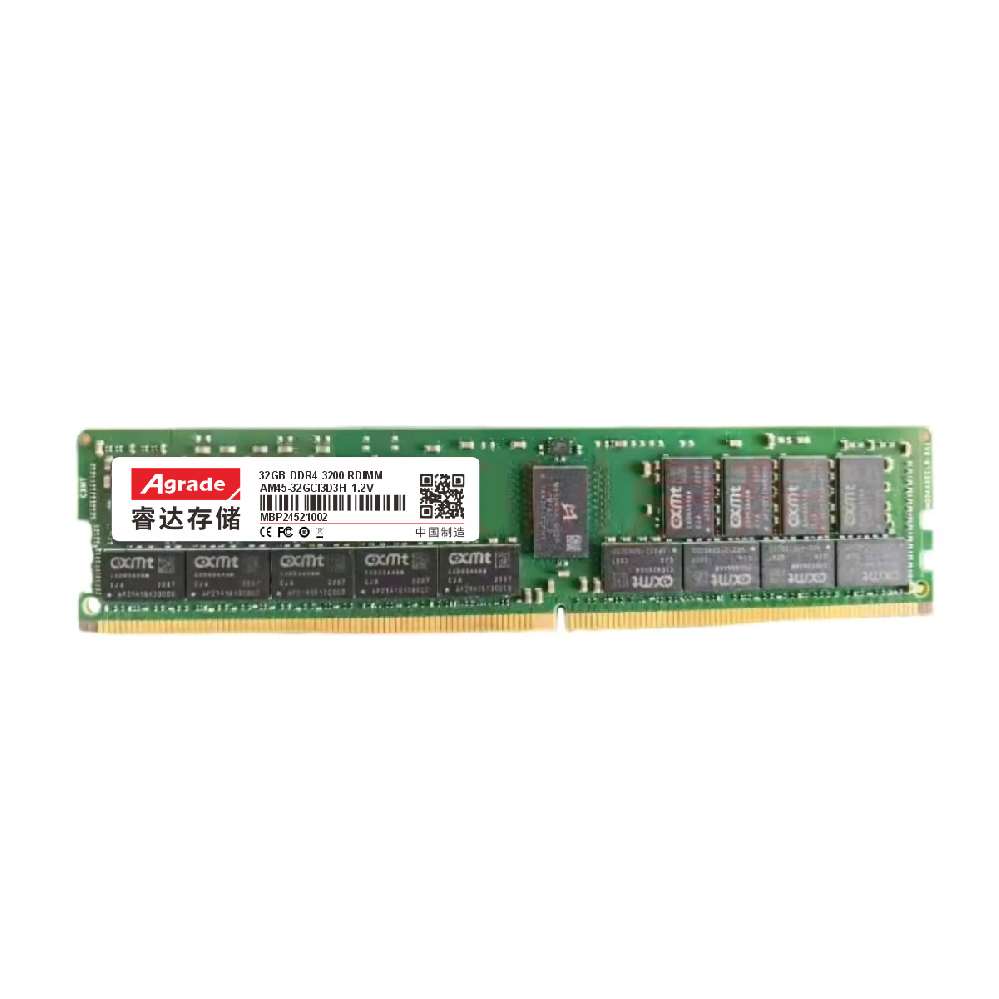
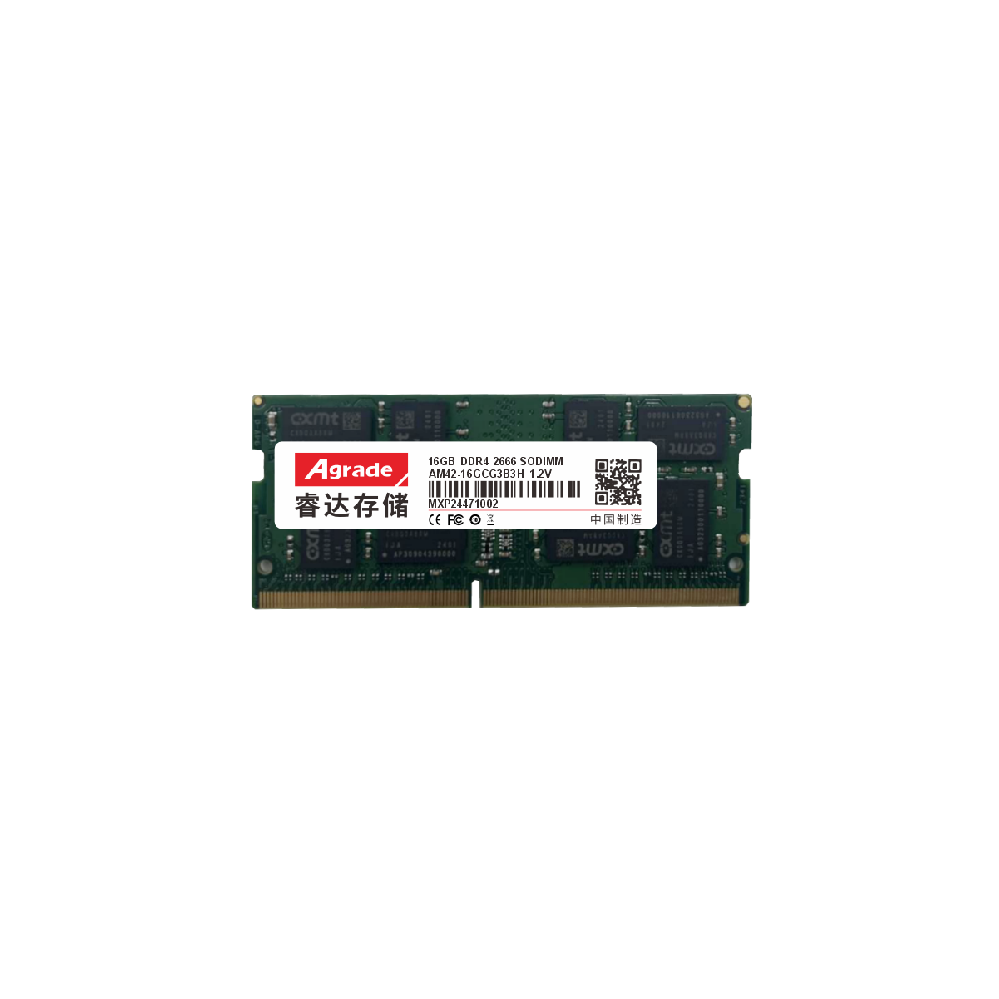
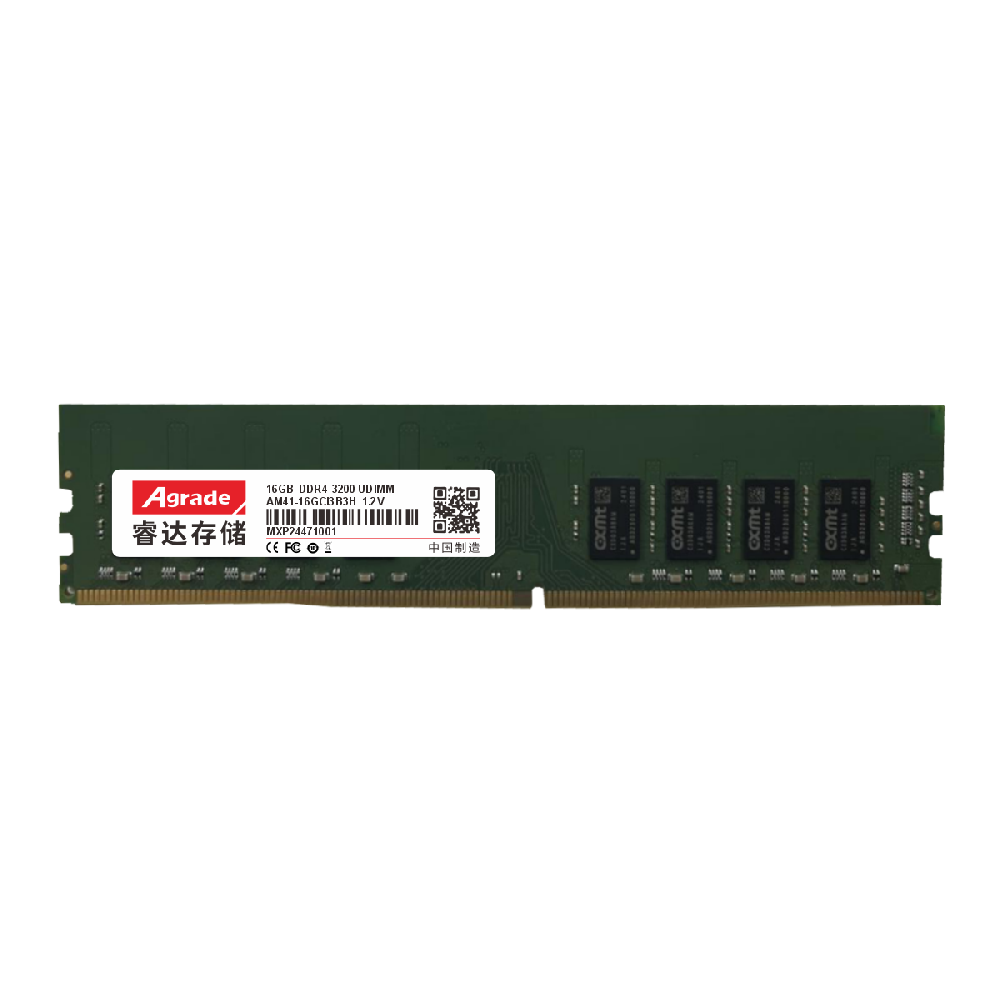
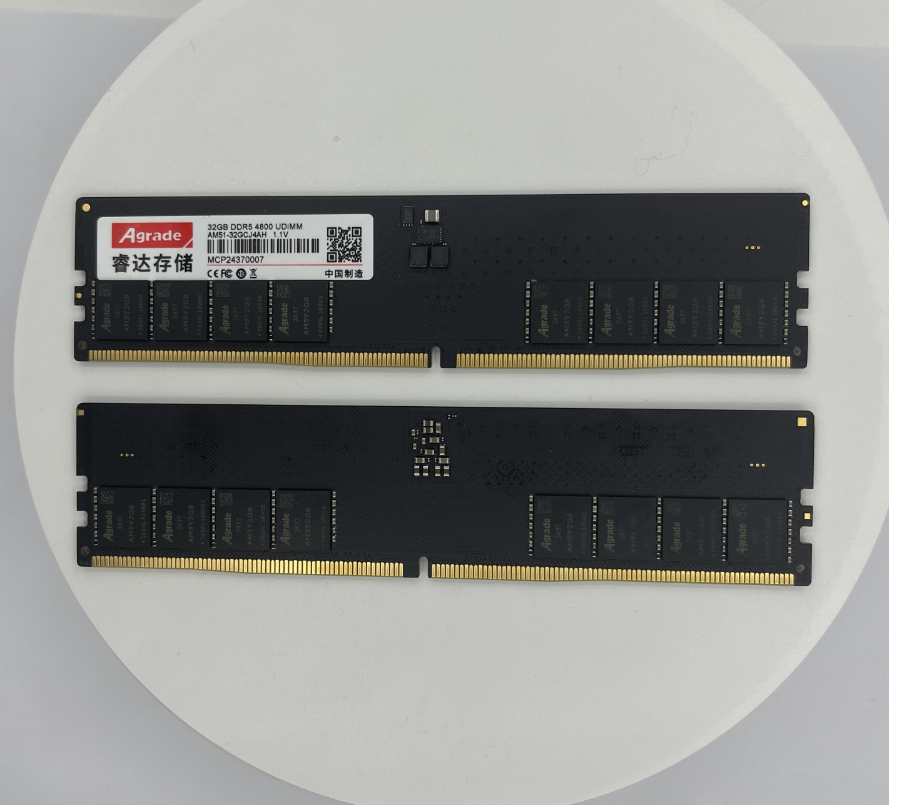
Error correction capability and form factor affect operational reliability and installation compatibility. Most Wide Temperature DDR5 modules support On-Die ECC on-chip error correction to automatically fix single-bit errors and reduce data loss risks. Some industrial-grade models also offer additional ECC verification for enhanced reliability. Form factors include RDIMM, SO-DIMM, and UDIMM: SO-DIMM is suitable for small industrial devices, while RDIMM is ideal for high-end servers. Selection must match the device’s installation space and interface specifications.

-
Products
Advantages
-
Solutions
-
News
About us
-
Contact us
Tel:+86 19926658803
Whatsapp:+86 19926658803
lianle1210@163.com
Address: 30CF, Caihong Building, Caihong Road, Futian District, Shenzhen City, Guangdong Province, China


Friendly Links:
