













News


 电商部
电商部  2026-03-03 16:56:35
 Core Technologies Inside Wide Temperature DOM Explained
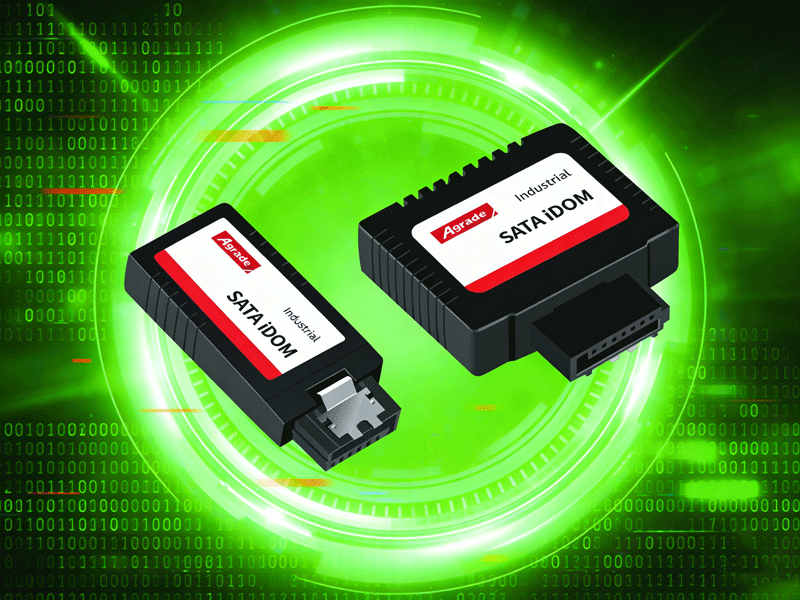
Wide temperature DOM is a highly integrated embedded storage device. Its stable performance in extreme environments depends on several key technologies. Understanding these technologies will help users evaluate product quality and select the right solution for their systems.
First, industrial-grade component screening is the foundation. Every chip, resistor, and capacitor must pass strict low-temperature and high-temperature tests. Only components that maintain electrical characteristics in -40°C to +85°C can be used. This ensures the DOM will not crash or malfunction due to temperature changes.
Second, the controller firmware algorithm plays a vital role. The built-in wear leveling algorithm distributes write operations evenly across all flash blocks, preventing local memory cells from being worn out prematurely. Bad block management automatically marks damaged areas and avoids data writing to them.
Third, ECC error correction technology detects and fixes data errors automatically. This is especially important in high-temperature or high-interference environments where data transmission is easily affected. Strong ECC capability significantly improves data integrity.
Fourth, the hardware design focuses on stability. The PCB uses high-temperature resistant materials. The interface is firmly structured to prevent loosening caused by vibration. Some models add anti-static and wide-voltage protection to adapt to unstable power supply environments.
Finally, the overall assembly process ensures consistency and reliability. Each wide temperature DOM undergoes aging testing, temperature testing, and read-write testing before leaving the factory.
These technologies work together to make wide temperature DOM suitable for industrial control, automotive, and outdoor applications. When purchasing, users should pay attention to whether these core technologies are supported.

-
Products
Advantages
-
Solutions
-
News
About us
-
Contact us
Tel:+86 19926658803
Whatsapp:+86 19926658803
lianle1210@163.com
Address: 30CF, Caihong Building, Caihong Road, Futian District, Shenzhen City, Guangdong Province, China


Friendly Links:
