













News


 电商部
电商部  2026-03-03 17:14:30
 Interface Types of Wide Temperature DOM: IDE vs SATA
Wide temperature DOM mainly comes in two interface types: IDE and SATA. The interface determines compatibility, transmission speed, and installation method. Choosing the correct interface is crucial for system compatibility.
IDE interface wide temperature DOM, including 40Pin and 44Pin versions, is the traditional model. It has extremely high compatibility and supports almost all old industrial motherboards. The voltage is usually 3.3V or 5V. However, its transmission speed is relatively slow, making it suitable for systems that do not require high bandwidth.
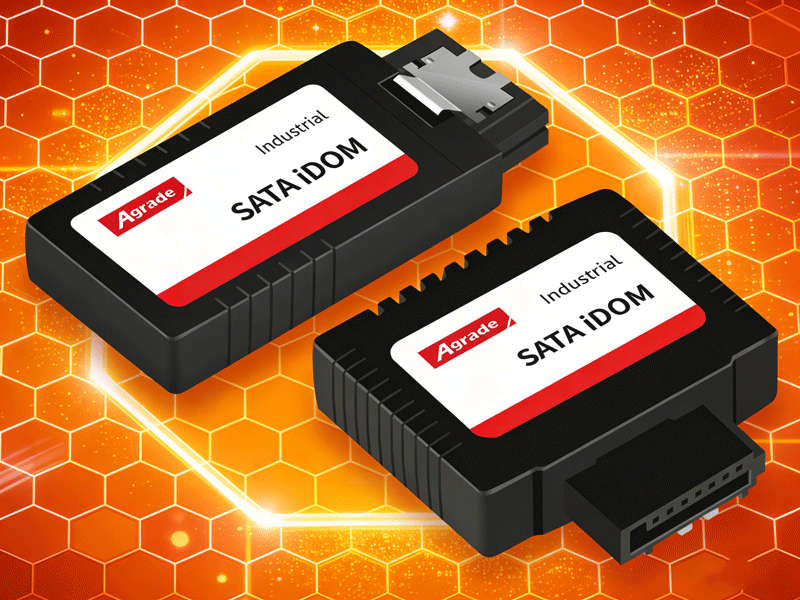
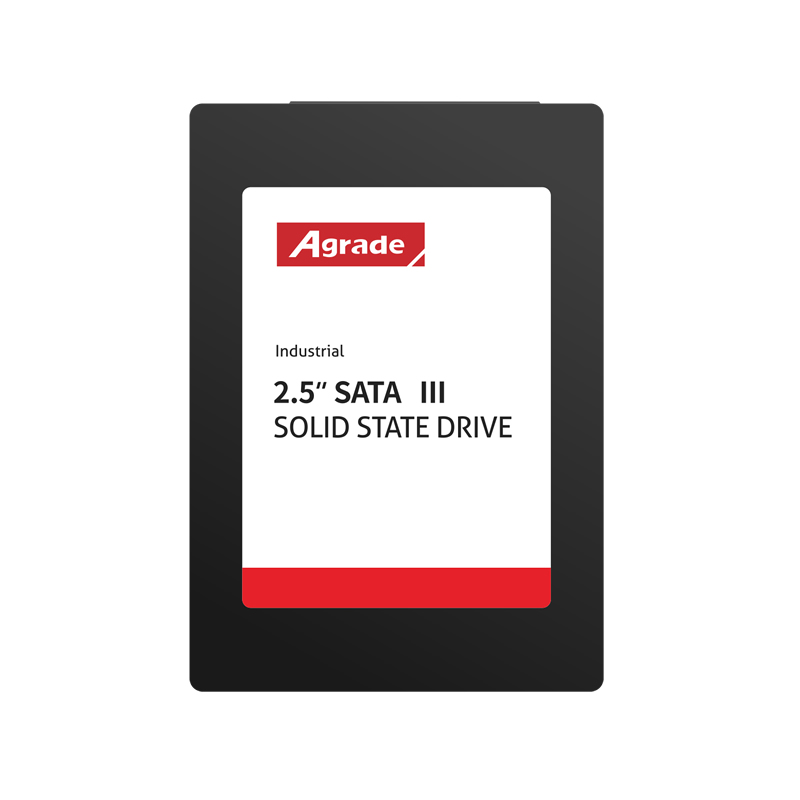
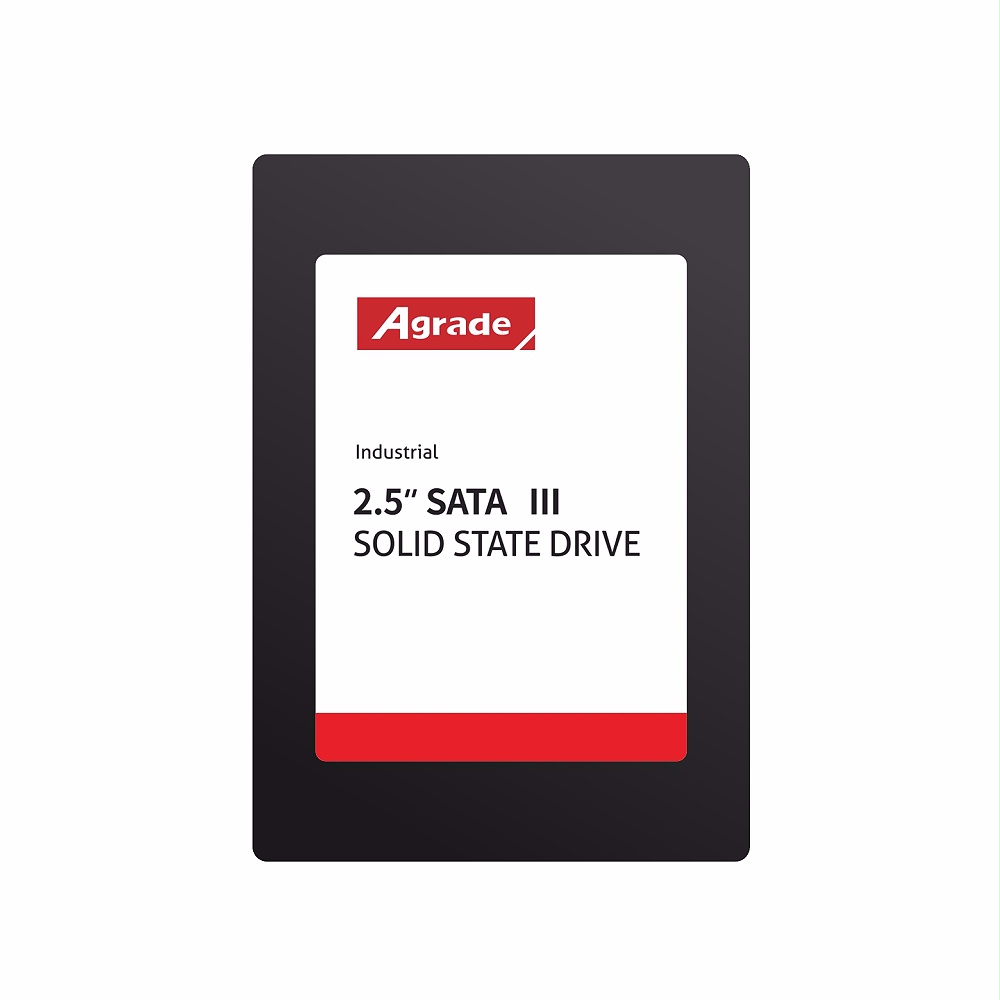
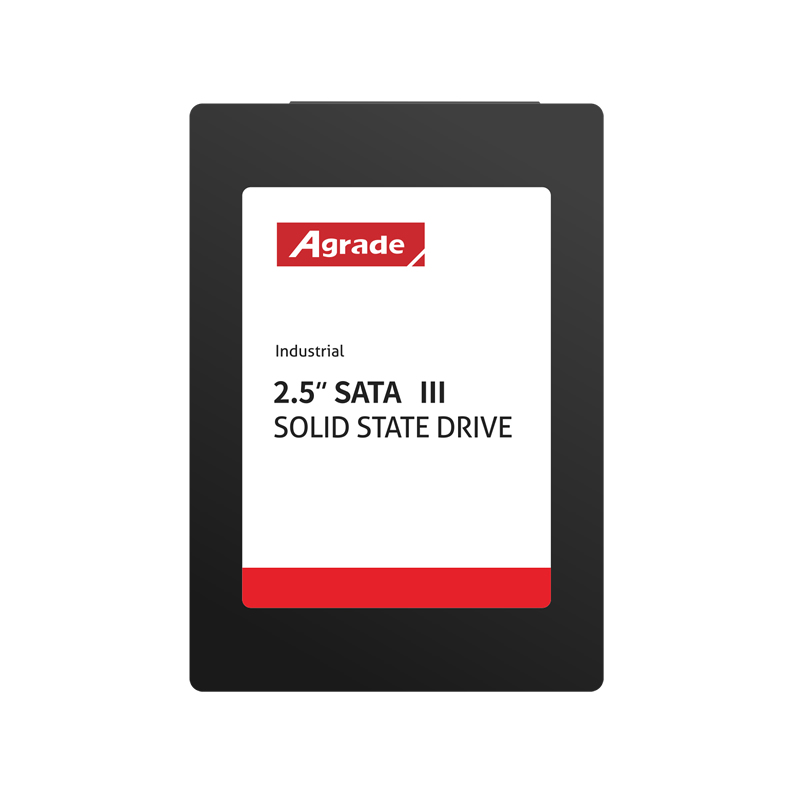
SATA interface wide temperature DOM uses SATA II or SATA III standards. It offers faster read and write speeds, reaching over 100MB/s. It is smaller and more convenient for modern compact devices. New industrial computers, vehicle terminals, and mini PCs mostly use SATA interfaces.
Installation methods also differ. IDE DOM is usually directly plugged into the motherboard vertically or horizontally. SATA DOM uses a 7Pin interface and sometimes requires no extra power cable.
When selecting, users should first check the motherboard interface type. Old equipment usually needs IDE, while new platforms prefer SATA. Capacity options usually range from 4GB to 256GB, which is sufficient for most industrial systems.
Regardless of the interface, wide temperature DOM provides the same high level of resistance to high and low temperatures and vibration. The goal is to match the system interface and performance requirements.

-
Products
Advantages
-
Solutions
-
News
About us
-
Contact us
Tel:+86 19926658803
Whatsapp:+86 19926658803
lianle1210@163.com
Address: 30CF, Caihong Building, Caihong Road, Futian District, Shenzhen City, Guangdong Province, China


Friendly Links:
