



















News


 电商部
电商部  2026-03-09 12:00:04
 Wide Temperature M.2 NVMe Lifespan: Factors Affecting Durability & How to Extend It
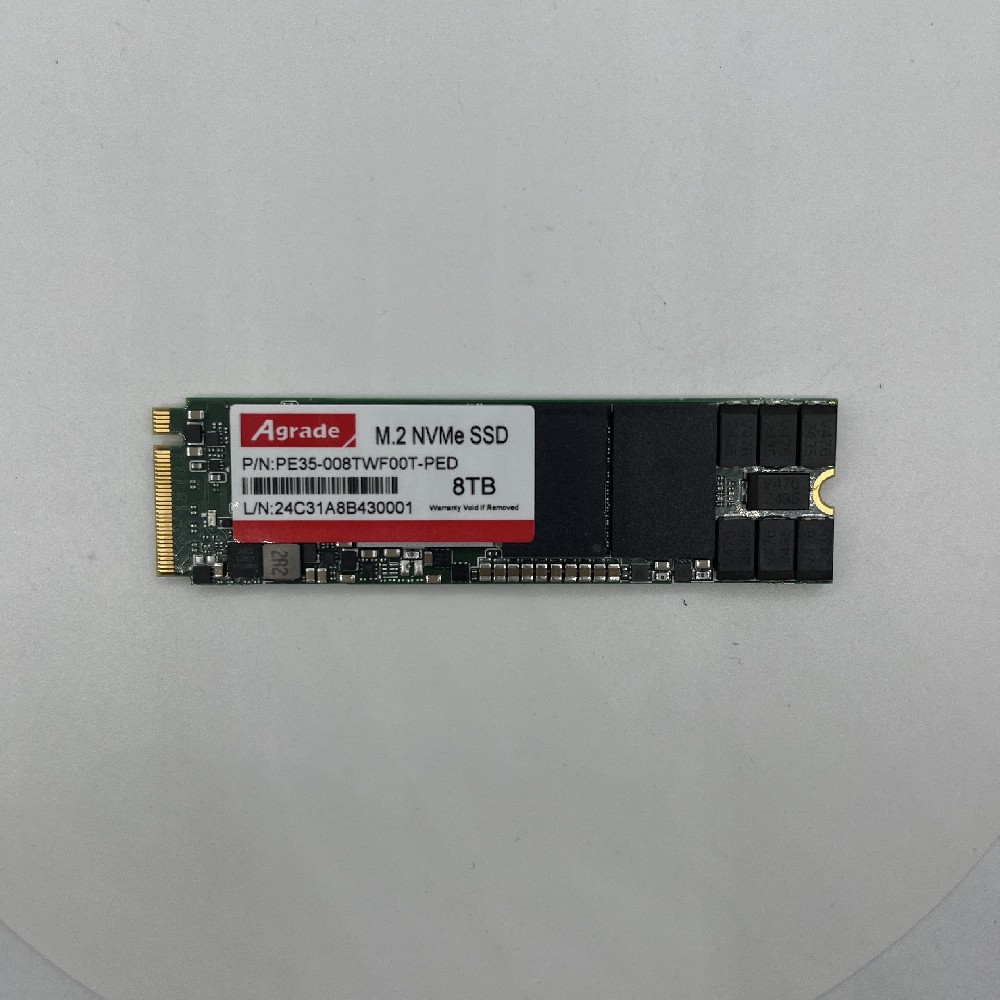
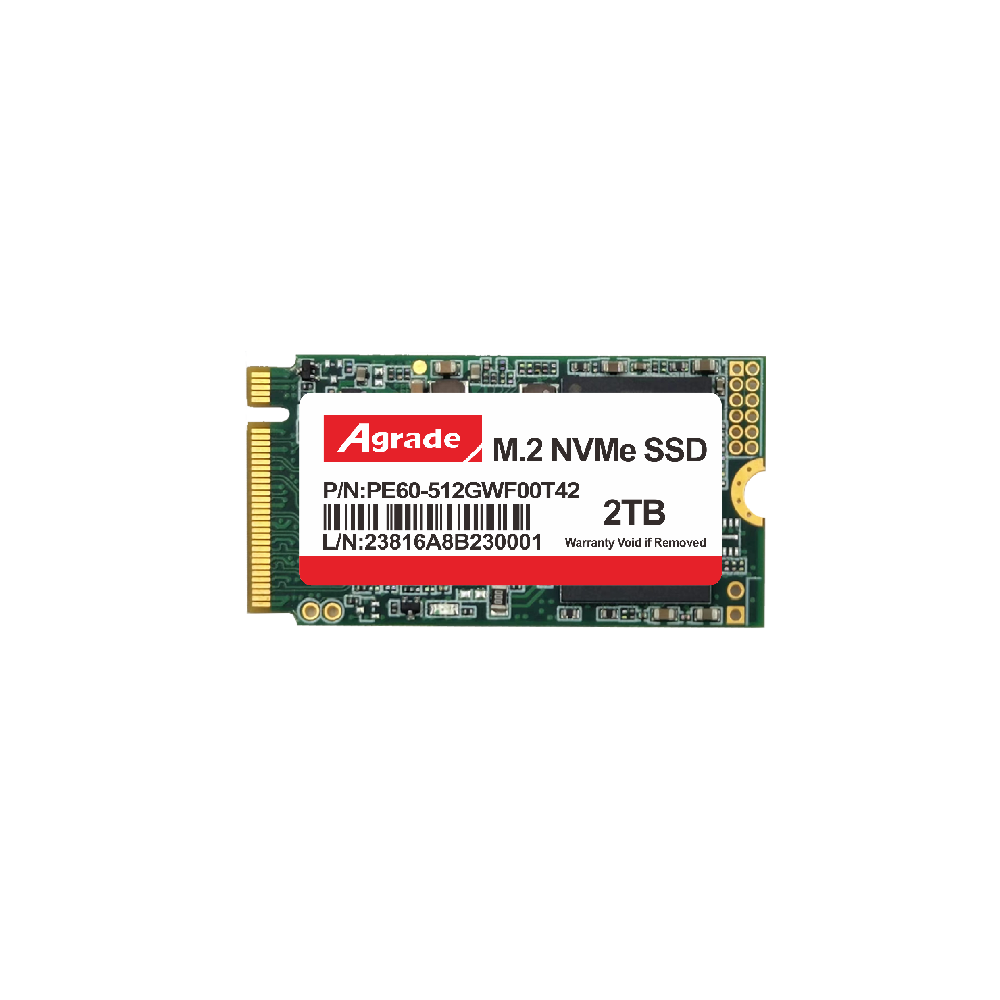
Wide Temperature M.2 NVMe drives are designed for long-term use in harsh environments, and their lifespan is significantly longer than that of consumer-grade M.2 NVMe drives. However, their lifespan is not infinite, and it can be affected by a variety of factors, including operating temperature, write intensity, power stability, and environmental conditions. Understanding these factors and how to mitigate their impact is essential for maximizing the lifespan of your Wide Temperature M.2 NVMe drive and avoiding costly downtime. In this article, we’ll explore the key factors that affect the lifespan of Wide Temperature M.2 NVMe drives and share practical tips to extend their durability.
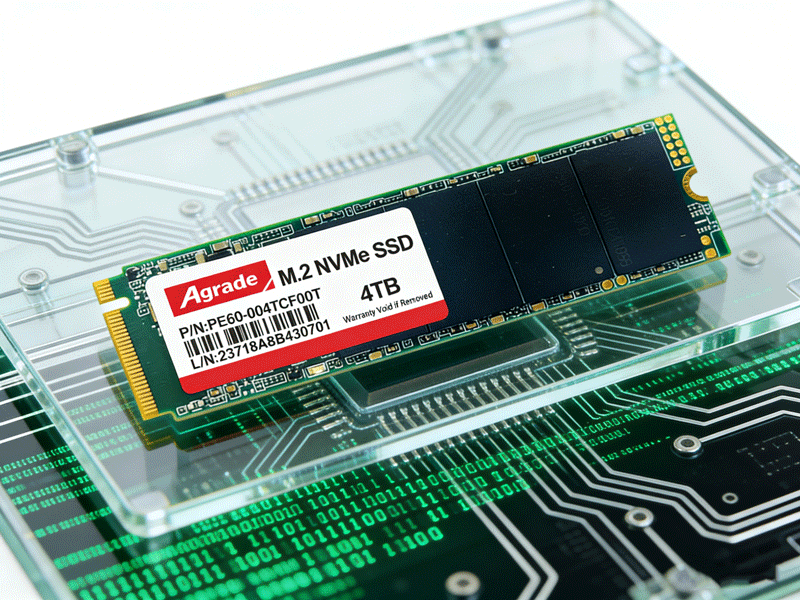
The first and most important factor affecting lifespan is operating temperature. While Wide Temperature M.2 NVMe drives are designed to operate in extreme temperatures, long-term exposure to temperature extremes can accelerate component aging. For example, operating a drive at 85°C continuously will cause the NAND flash memory to wear out faster than operating it at 60°C. Similarly, long-term operation at -40°C can damage the controller’s circuits over time. To extend lifespan, it’s best to operate the drive within its derated temperature range (typically -40°C to 75°C for standard wide temperature drives), which balances performance and durability. If the drive is installed in a high-temperature environment (e.g., an industrial cabinet), consider adding a heat sink or improving ventilation to reduce the operating temperature.
Write intensity is another critical factor. The lifespan of an SSD is measured by TBW (Total Bytes Written), which is the total amount of data that can be written to the drive before it fails. Wide Temperature M.2 NVMe drives have a much higher TBW than consumer-grade drives—for example, a 1TB Wide Temperature M.2 NVMe drive may have a TBW of 600TB, while a 1TB consumer-grade drive may have a TBW of 300TB. However, if the drive is subjected to high write intensity (e.g., 24/7 video recording in an outdoor surveillance system), the TBW will be consumed more quickly, shortening the lifespan. To mitigate this, you can implement data compression to reduce the amount of data written to the drive, or use a drive with a higher TBW rating if your application requires high write intensity.
Power stability is also important for extending the lifespan of Wide Temperature M.2 NVMe drives. Sudden power outages or voltage fluctuations can cause data corruption and damage the drive’s components. To prevent this, use a stable power supply and consider adding a UPS (Uninterruptible Power Supply) to provide backup power in the event of an outage. Additionally, choose a drive with power loss protection (PLP), which uses a capacitor to provide temporary power to the drive, allowing it to complete any pending write operations before shutting down. This prevents data corruption and reduces wear on the NAND flash memory.
Environmental conditions such as dust, humidity, and vibration can also affect the drive’s lifespan. Dust can accumulate on the drive’s components, causing overheating, while high humidity can lead to corrosion. Vibration can damage the drive’s internal components, especially the NAND flash memory and controller. To protect the drive, install it in a clean, dry environment with minimal vibration. If the drive is used in a high-vibration environment (e.g., a car or industrial robot), choose a drive with enhanced shock and vibration resistance (meets MIL-STD-810G standards).
Finally, firmware updates can help extend the lifespan of Wide Temperature M.2 NVMe drives. Manufacturers regularly release firmware updates that optimize the drive’s wear leveling algorithm (which distributes write operations evenly across the NAND flash cells, reducing wear), improve error correction, and fix bugs that can affect durability. It’s important to regularly check for firmware updates and install them according to the manufacturer’s instructions. However, avoid frequent firmware updates unless they address a specific issue, as unnecessary updates can cause temporary performance issues.

-
Products
Advantages
-
Solutions
-
News
About us
-
Contact us
Tel:+86 19926658803
Whatsapp:+86 19926658803
lianle1210@163.com
Address: 30CF, Caihong Building, Caihong Road, Futian District, Shenzhen City, Guangdong Province, China


Friendly Links:
