














News


 电商部
电商部  2026-03-16 17:35:37
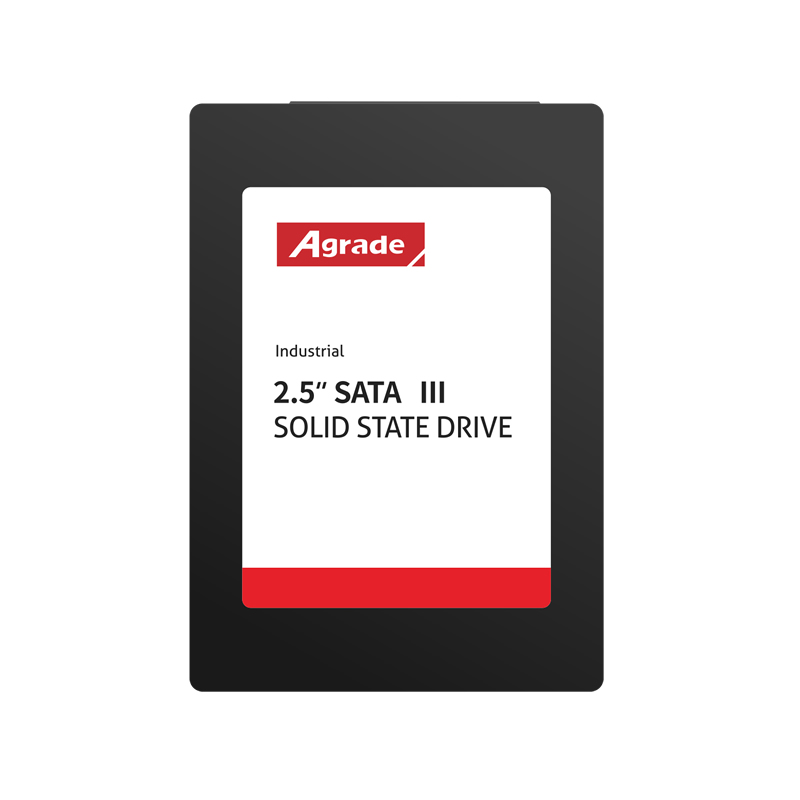
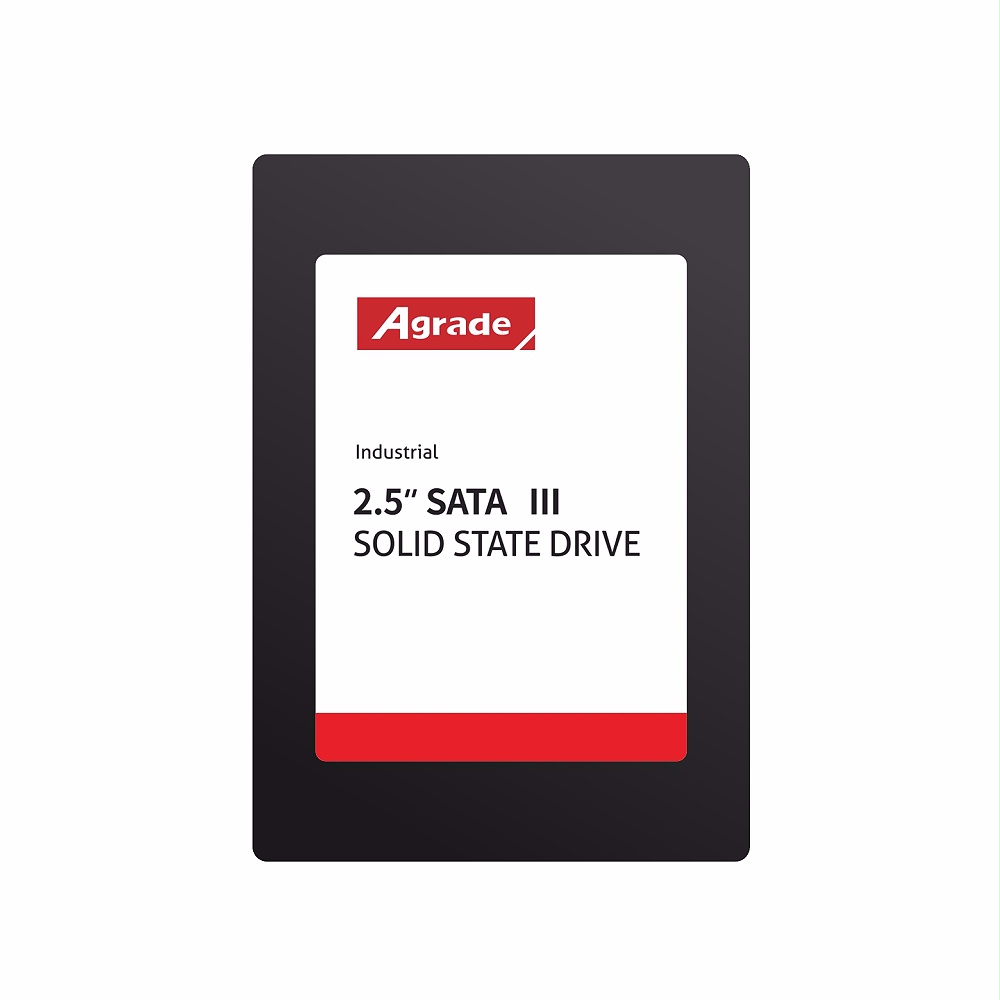
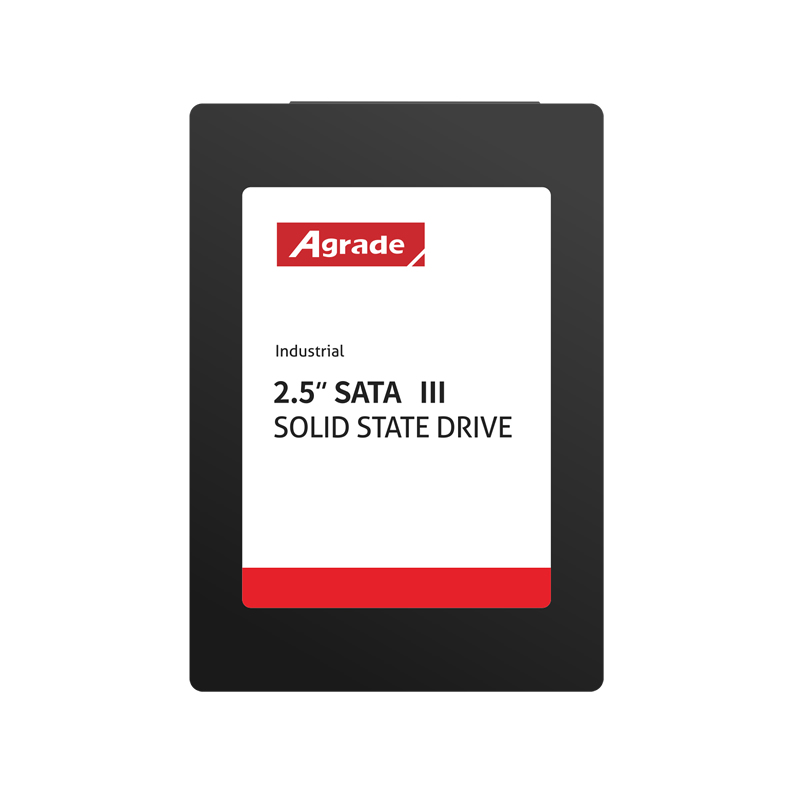
 Wide Temperature 2.5-inch SSD Operating Temperature Ranges: How to Choose for Different Scenarios?
The core advantage of wide temperature 2.5-inch SSDs is their "wide temperature adaptability," but many users only focus on the term "wide temperature" when purchasing, ignoring the differences in temperature ranges of different products and the temperature requirements of their own scenarios. This leads to improper selection and failure to exert the best performance of the device. In fact, the temperature range of wide temperature 2.5-inch SSDs is not a uniform standard. Products of different grades have different temperature adaptability and corresponding application scenarios. This article will detailedly analyze how to choose the right temperature range according to the scenario.

First, clarify the mainstream temperature range classification of wide temperature 2.5-inch SSDs. According to industry standards, wide temperature 2.5-inch SSDs are mainly divided into three grades: entry-level wide temperature (-20°C to 70°C), standard industrial-grade wide temperature (-40°C to 85°C), and military-grade ultra-wide temperature (-55°C to 125°C). Products of different grades have significant differences in technical requirements, applicable scenarios, and prices, with prices increasing accordingly. Among them, the standard industrial-grade wide temperature (-40°C to 85°C) is the most mainstream specification, covering most extreme environment scenarios and being the best-selling type in the market.
Entry-level wide temperature (-20°C to 70°C) is mainly suitable for mild extreme scenarios with small temperature fluctuations. The temperature adaptability of such products is between that of standard SSDs and standard industrial-grade wide temperature SSDs. They do not need to bear high costs and are suitable for scenarios that require a certain degree of temperature resistance but where the ambient temperature will not be too extreme. For example, indoor industrial equipment in the north, outdoor monitoring equipment in areas with normal outdoor temperatures, and car navigation systems (not in high-temperature exposure or severe cold areas).
It should be noted that such products cannot adapt to temperatures below -20°C or above 70°C. When purchasing, you need to confirm the temperature range of the scenario to avoid exceeding the adaptation range. Standard industrial-grade wide temperature (-40°C to 85°C) is the most widely used type, suitable for most industrial extreme scenarios. Such products have passed strict high and low temperature tests and can operate stably in harsh environments such as severe cold, high temperatures, and severe temperature fluctuations. For example, plateau railway signal systems (with a temperature difference of more than 50°C between day and night), oilfield monitoring equipment (outdoor high-temperature exposure), industrial automation production lines (high temperatures inside equipment), and outdoor intelligent terminals (severe cold areas).
According to market data, such products account for more than 70% of the wide temperature 2.5-inch SSD market, with the highest cost performance, suitable for most users with storage needs in extreme environments. Military-grade ultra-wide temperature (-55°C to 125°C) is mainly suitable for ultra-extreme environments, with the highest technical threshold and price. Such products adopt special process chips and customized packaging designs, and have passed extremely strict verification processes, able to adapt to ultra-extreme scenarios such as aerospace, military equipment, and polar research stations.
For example, inside spacecraft (high temperature and radiation environment), polar scientific research equipment (temperatures below -55°C), and military embedded computers. The audience of such products is mainly in special fields such as military industry and aerospace, and they are not needed for ordinary industrial scenarios to avoid cost waste. Purchase suggestion: First, clarify the minimum and maximum operating temperatures of your own scenario, then select the corresponding grade of wide temperature 2.5-inch SSD. There is no need to blindly pursue "ultra-wide temperature"; it is sufficient to meet the scenario needs. At the same time, pay attention to the temperature test report of the product to ensure that the actual temperature adaptability is consistent with the label, avoiding purchasing falsely labeled products.

-
Products
Advantages
-
Solutions
-
News
About us
-
Contact us
Tel:+86 19926658803
Whatsapp:+86 19926658803
lianle1210@163.com
Address: 30CF, Caihong Building, Caihong Road, Futian District, Shenzhen City, Guangdong Province, China


Friendly Links:
