















News


 电商部
电商部  2026-03-16 17:43:15
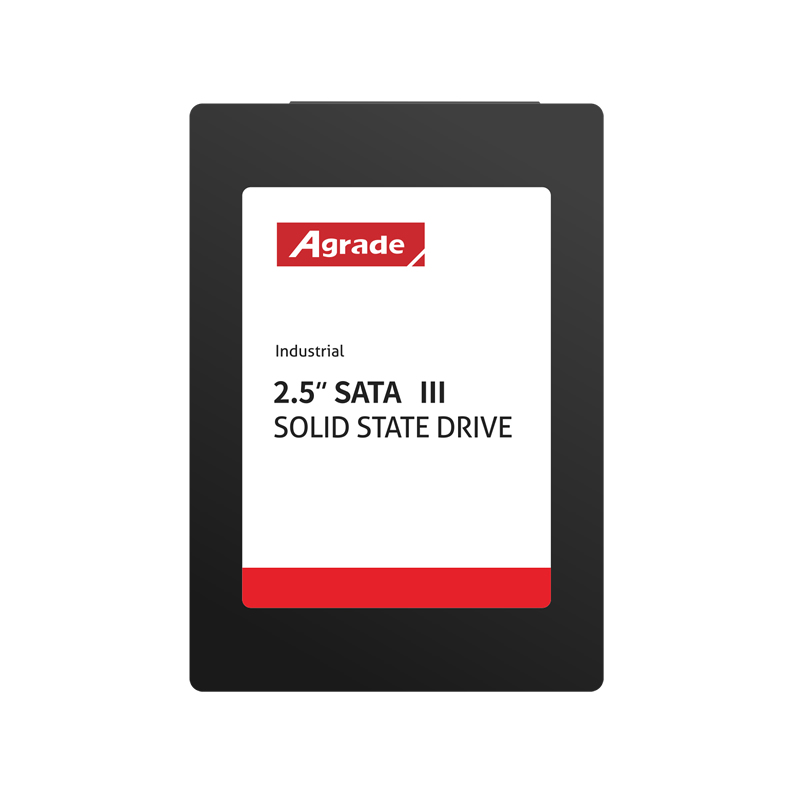
 Future Development Trends of Wide Temperature 2.5-inch SSD: Analysis of Technical Upgrade Directions
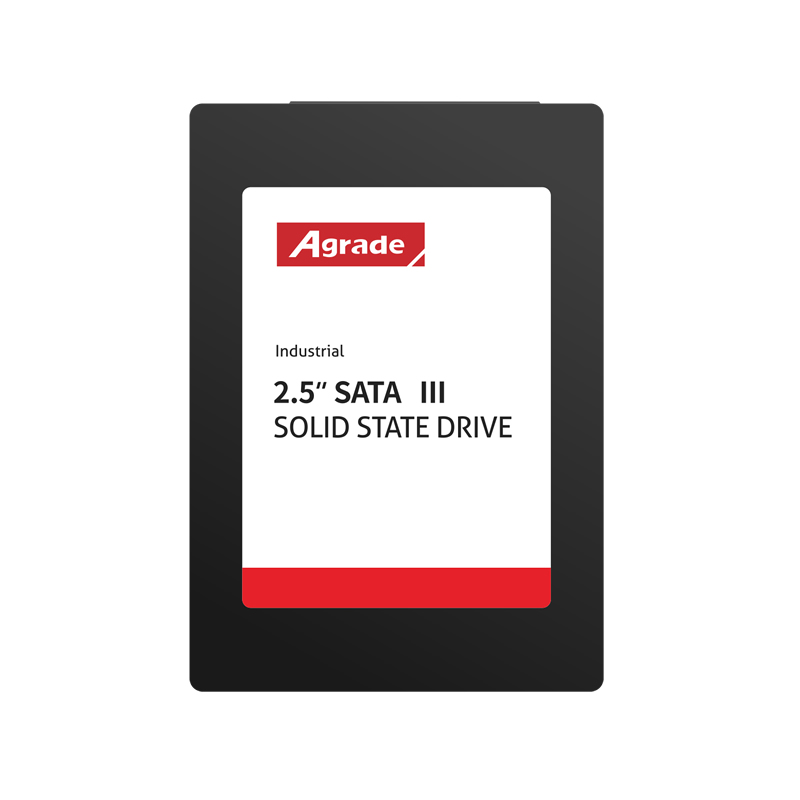
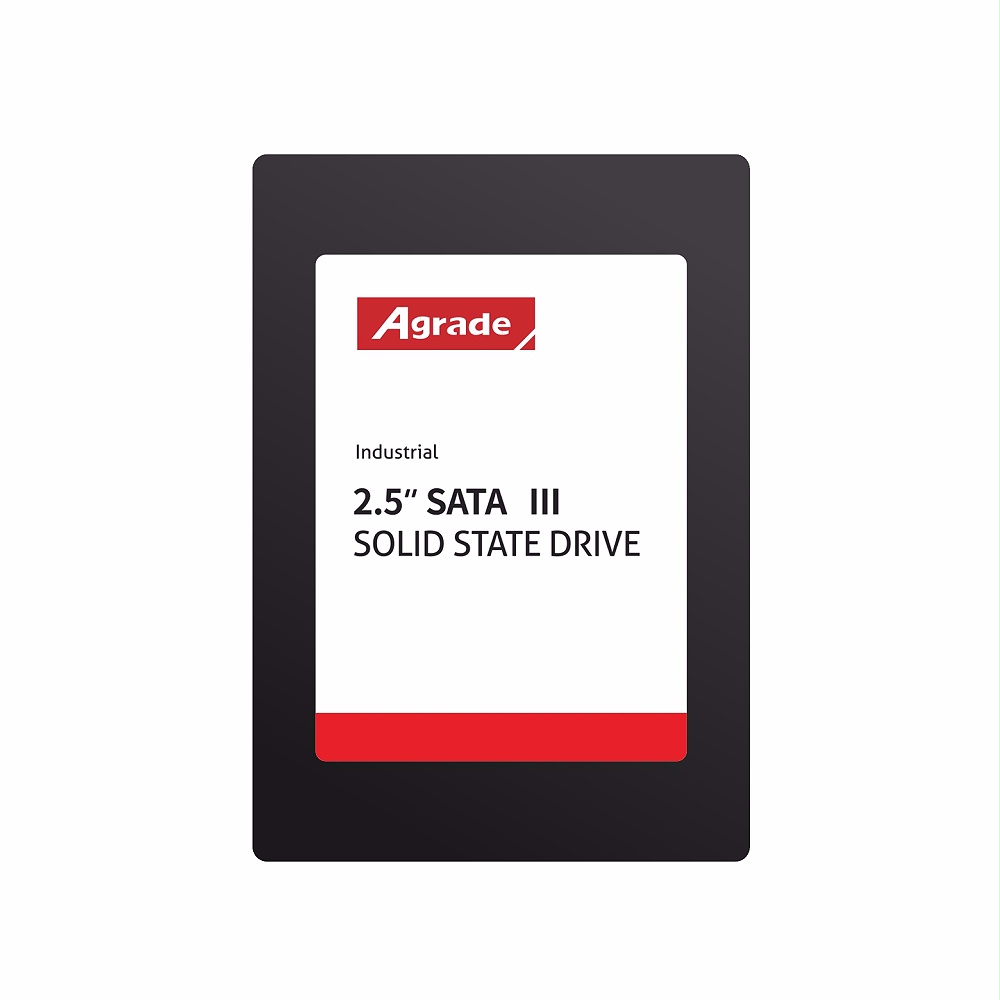
With the continuous advancement of industrial digitalization and intelligence, the demand for storage in extreme environments is constantly upgrading. As a core storage device, wide temperature 2.5-inch SSDs are constantly iterating and upgrading their technologies, moving towards the direction of wider temperature range, higher performance, higher reliability, and lower power consumption. At the same time, the trend of localization substitution is obvious, and the technical strength of domestic manufacturers is constantly improving, gradually breaking the monopoly of foreign manufacturers. This article will analyze the future development trends of wide temperature 2.5-inch SSDs, explore the core directions of technical upgrades, and the new dynamics of industry development.

Trend 1: Further Expansion of Temperature Range to Adapt to More Extreme Scenarios. At present, the operating temperature range of mainstream wide temperature 2.5-inch SSDs is -40°C to 85°C. In the future, with the upgrading of materials science and packaging technology, the temperature range will be further expanded. Military-grade products will develop towards a wider temperature range of -55°C to 125°C or even wider, adapting to more extreme scenarios such as deep space exploration, polar scientific research, and high-end military industry. At the same time, the stability of temperature adaptation will be further improved. Even in environments with severe temperature fluctuations, it can still maintain stable read/write performance and data security, reducing the impact of temperature on device performance.
Trend 2: Significant Improvement in Read/Write Speed to Meet High-load Requirements. With the increasing demand for data transmission speed in industrial scenarios, the read/write speed of wide temperature 2.5-inch SSDs will usher in a significant upgrade. At present, the sequential read/write speed of mainstream products is 500-600MB/s. In the future, they will gradually upgrade to PCIe 4.0 and PCIe 5.0 interfaces, with sequential read/write speed exceeding 7000MB/s and 4K random read/write IOPS exceeding 800,000 times or even higher. This will meet the needs of high-load scenarios such as industrial automation, data acquisition, and high-performance computing, improve data transmission efficiency, and reduce latency.
Trend 3: Accelerated Localization Substitution and Independent Control of Core Technologies. At present, some core technologies in the domestic wide temperature 2.5-inch SSD market still rely on imports. With the development of the domestic storage industry, localization substitution has become an inevitable trend. Domestic manufacturers will increase R&D investment to break through core technologies such as controller chips, flash memory chips, and firmware algorithms, realize full-link localization, reduce dependence on imported products, and improve the cost performance and competitiveness of products.
For example, some domestic manufacturers have realized the autonomy of controller chips and launched full-link localized wide temperature SSD products, gradually occupying market share. In the future, localized wide temperature 2.5-inch SSDs will be more widely used in industrial, military, and other fields. Trend 4: Further Reduction in Power Consumption to Adapt to Low-power Scenarios. In industrial scenarios, many devices are portable or outdoor power supply devices, which have high requirements for the power consumption of storage devices.
In the future, wide temperature 2.5-inch SSDs will further reduce power consumption by optimizing controller chips, flash memory chips, and firmware algorithms. On the premise of ensuring performance and temperature resistance, they will reduce power consumption, extend the battery life of devices, and adapt to low-power scenarios such as portable industrial equipment, outdoor monitoring equipment, and automotive electronics. At the same time, the low-power design can also reduce device heating, further extend the service life of the device, and improve the reliability and stability of the device.
Trend 5: Intelligent Upgrade with Added Intelligent Monitoring and Management Functions. In the future, wide temperature 2.5-inch SSDs will gradually realize intelligent upgrades, adding functions such as real-time temperature monitoring, health status monitoring, and fault early warning. Through professional software, users can real-time view parameters such as the device’s temperature, read/write speed, and health status, find device abnormalities in time, and perform maintenance and processing in advance to reduce the probability of faults. At the same time, it will support remote management functions, facilitating users to centrally manage multiple devices, improve management efficiency, reduce maintenance costs, and adapt to the needs of large-scale industrial scenarios.

-
Products
Advantages
-
Solutions
-
News
About us
-
Contact us
Tel:+86 19926658803
Whatsapp:+86 19926658803
lianle1210@163.com
Address: 30CF, Caihong Building, Caihong Road, Futian District, Shenzhen City, Guangdong Province, China


Friendly Links:
