












News


 电商部
电商部  2026-02-02 11:57:42
 Key Differences Between Wide Temperature CF Cards and Standard CF Cards: 4 Critical Dimensions
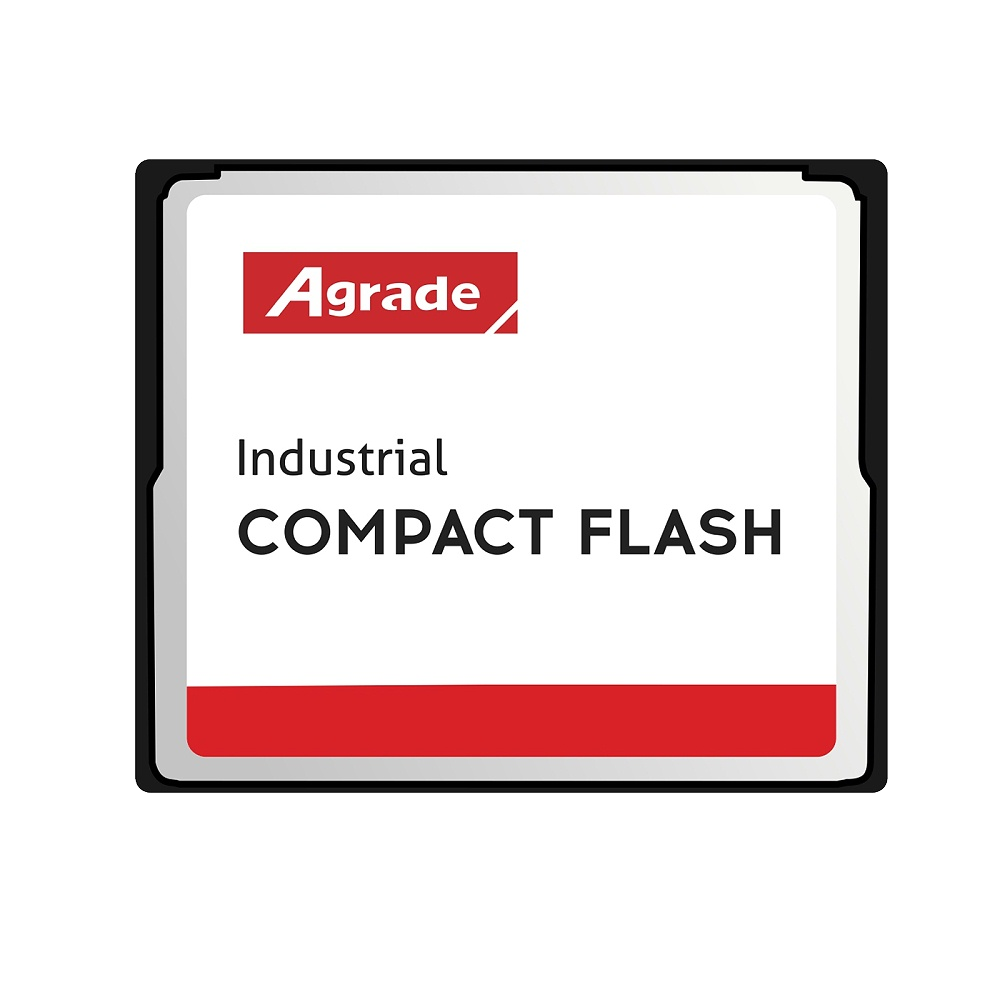
While wide temperature CF cards and standard CF cards share similar form factors and compatible interfaces, they differ fundamentally in design standards, performance, and application scenarios. The primary disparities lie in temperature adaptability and reliability, making it crucial to understand these differences to avoid equipment failures or data loss caused by improper selection—especially in industrial environments where downtime can lead to significant financial losses.
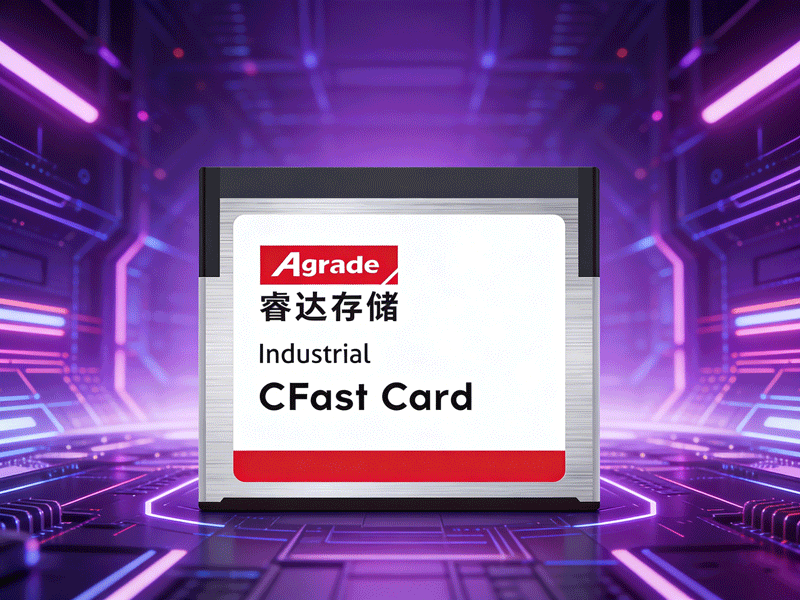
Temperature tolerance is the most significant distinction. Standard CF cards are engineered for consumer use, such as digital cameras and personal computers, and struggle to perform outside the 0°C to 70°C range. Exposure to extreme temperatures causes reduced read/write speeds, failure to be recognized by devices, or accelerated component aging, eventually leading to permanent damage. In contrast, wide temperature CF cards use industrial-grade components and optimized manufacturing processes to maintain stability between -40°C and 85°C, coping with winter outdoor lows and industrial workshop highs effortlessly.
Reliability and durability further separate the two types of cards. Wide temperature CF cards adopt hermetic sealing designs to prevent dust and moisture ingress, paired with SLC (Single-Level Cell) flash memory and enhanced firmware. This combination delivers a Mean Time Between Failures (MTBF) of up to 2 million hours and a write lifespan of 15 years, making them ideal for long-term, high-frequency industrial use. Standard CF cards, by contrast, typically use MLC (Multi-Level Cell) flash memory without specialized protection, resulting in a lifespan of only 1-3 years and vulnerability to shock, ESD, and temperature fluctuations.
Transfer performance and application compatibility also vary significantly. Wide temperature CF cards support the UDMA (Ultra Direct Memory Access) protocol, with high-end models achieving read speeds of up to 160MB/s—critical for real-time data transmission in industrial automation. Standard CF cards, limited by lower-grade controllers, offer maximum transfer speeds of 60MB/s or less, suitable only for basic consumer storage needs. For industrial applications, the choice of wide temperature CF cards ensures efficient data handling, while standard CF cards suffice for non-critical, low-frequency storage tasks.
In summary, the selection of CF cards should align with the application scenario: wide temperature CF cards are mandatory for industrial environments requiring extreme reliability, while standard CF cards offer cost-effectiveness for consumer use. Understanding these four key dimensions—temperature tolerance, reliability, transfer speed, and compatibility—ensures optimal performance and minimizes operational risks.

-
Products
Advantages
-
Solutions
-
News
About us
-
Contact us
Tel:+86 19926658803
Whatsapp:+86 19926658803
lianle1210@163.com
Address: 30CF, Caihong Building, Caihong Road, Futian District, Shenzhen City, Guangdong Province, China


Friendly Links:
