
















News


 电商部
电商部  2026-02-02 11:58:18
 Working Principle of Wide Temperature CF Cards: Stability in Extreme Temperatures
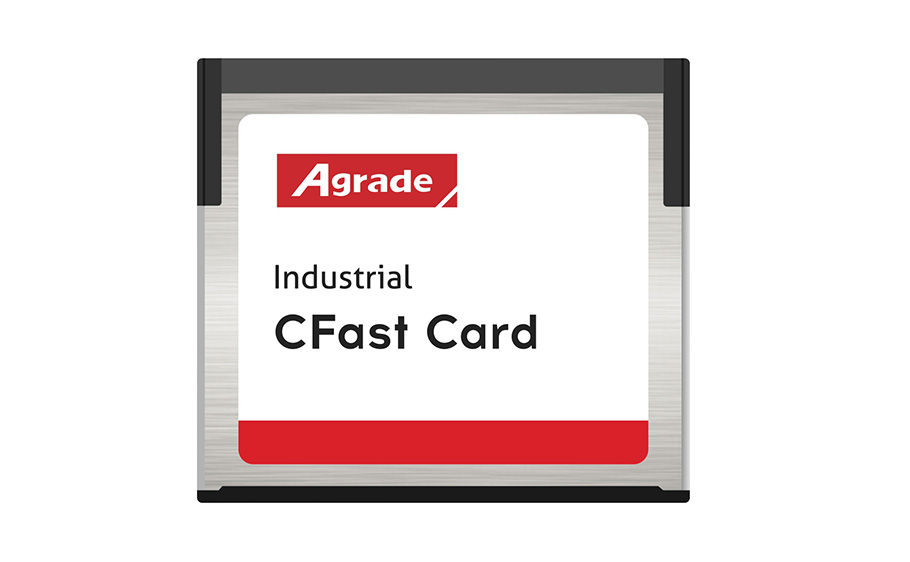
The ability of wide temperature CF cards to maintain stable read/write operations in extreme temperatures stems from the synergistic optimization of hardware selection, circuit design, and packaging technology. These enhancements address the adverse effects of temperature on core components like flash memory chips and controllers, creating a full-link temperature adaptation system that prioritizes both performance and data security.
Flash memory chip selection is the foundation of temperature resistance. Most wide temperature CF cards use industrial-grade SLC flash memory, which undergoes specialized low-temperature aging tests and high-temperature stability verification. SLC chips store a single bit of data per cell, resulting in minimal conductivity changes under temperature variations—ensuring reliable operation at -40°C without charge loss and suppressing thermal noise at 85°C to reduce data error rates. In contrast, consumer-grade MLC flash memory lacks such optimizations, leading to data corruption or failure in extreme temperatures.
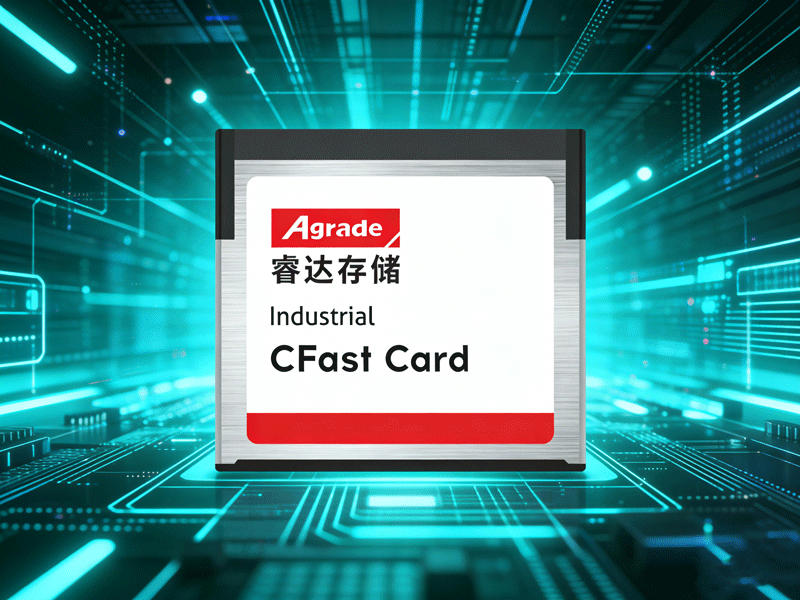
Circuit and firmware optimizations provide critical support for temperature adaptability. Wide temperature CF cards feature optimized circuit layouts that shorten signal transmission paths, reducing temperature-induced signal interference. Additional heat dissipation loops lower chip temperature rise in high-temperature environments, preventing overheating and component damage. On the firmware side, dynamic wear leveling algorithms and Advanced BCH ECC (Error Correction Code) technology real-time repair minor data errors caused by temperature fluctuations, extending chip lifespan and ensuring data integrity.
Packaging technology further enhances temperature resistance and environmental adaptability. These cards use high-temperature-resistant materials with melting points exceeding 200°C, and high-end models incorporate metal casings and thermal conductive coatings to improve heat dissipation and electromagnetic shielding. Hermetic sealing prevents dust and moisture ingress, making them suitable for dusty or humid industrial environments. Additionally, wide temperature CF cards undergo rigorous temperature cycling tests (from -40°C to 85°C) to verify stability during drastic temperature changes, ensuring compliance with industrial 24/7 operation requirements.

-
Products
Advantages
-
Solutions
-
News
About us
-
Contact us
Tel:+86 19926658803
Whatsapp:+86 19926658803
lianle1210@163.com
Address: 30CF, Caihong Building, Caihong Road, Futian District, Shenzhen City, Guangdong Province, China


Friendly Links:
