













News


 电商部
电商部  2026-02-06 18:28:31
 What is Wide Temperature DDR4? A Complete Guide to Industrial-Grade Memory
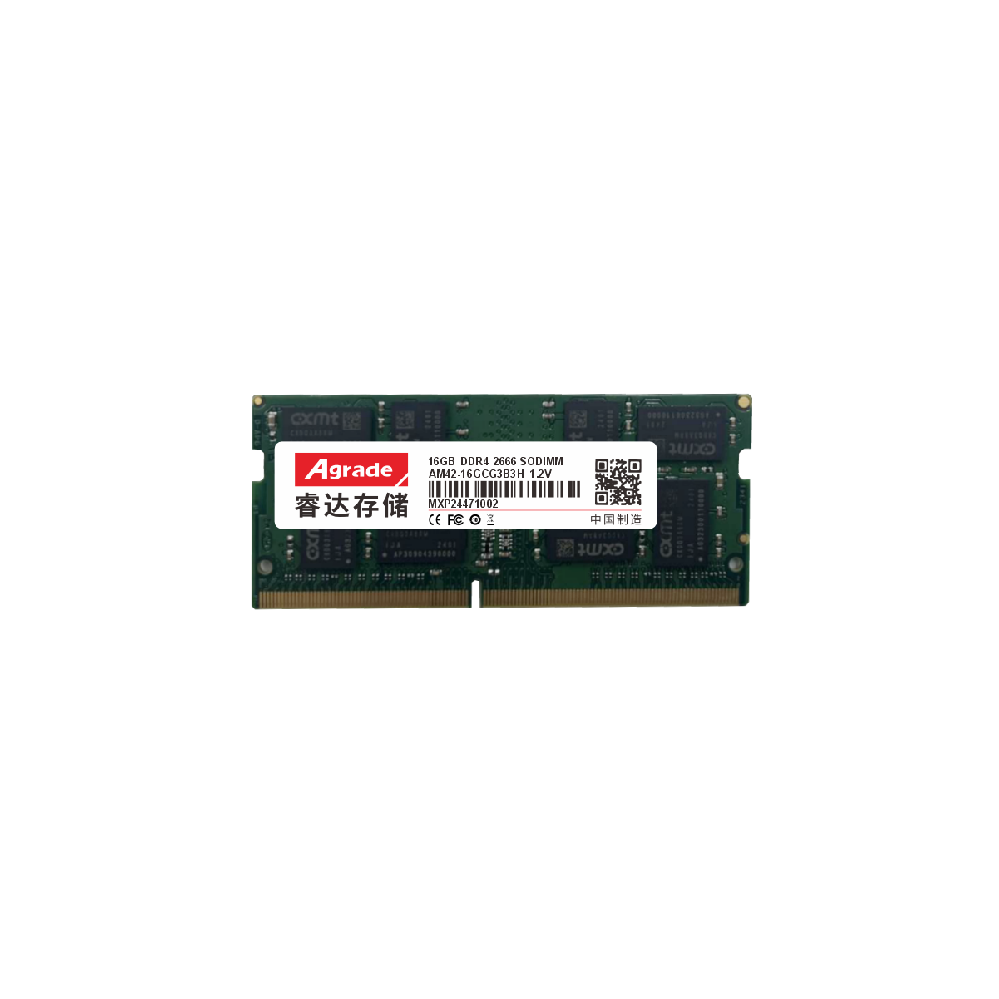
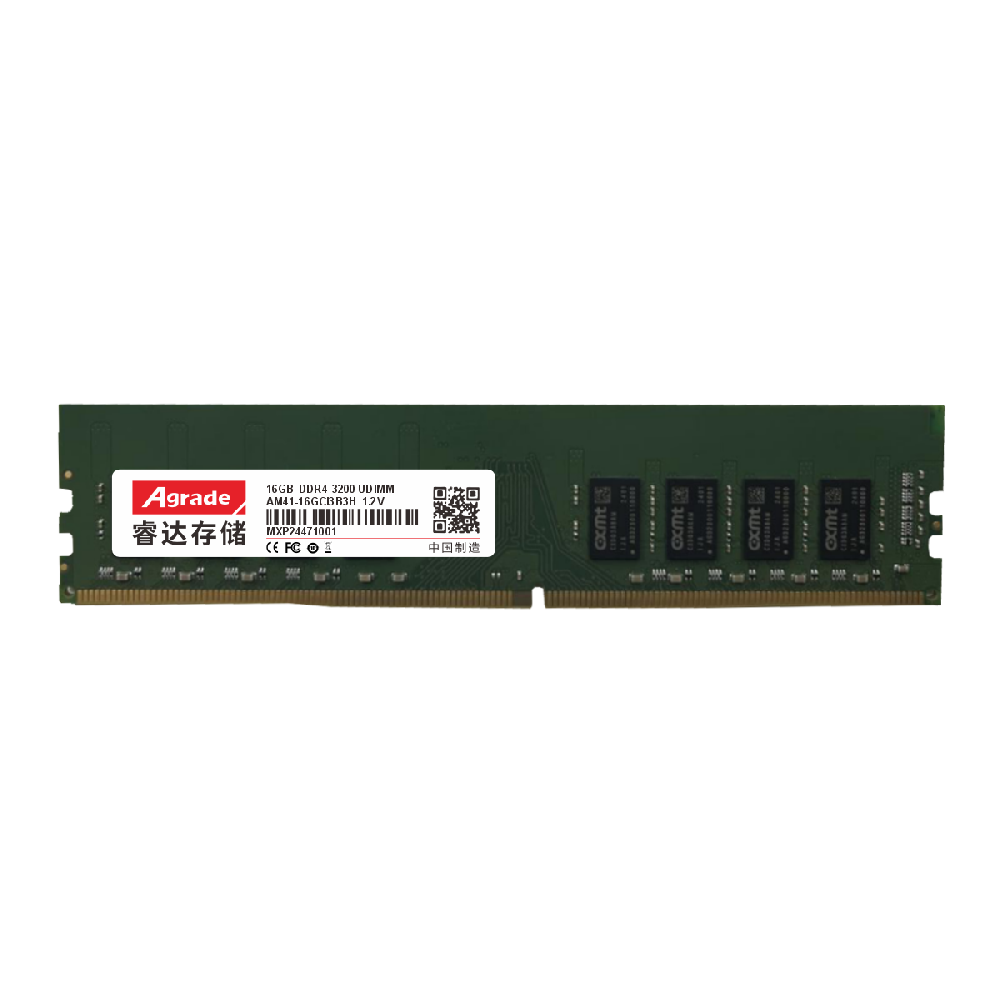
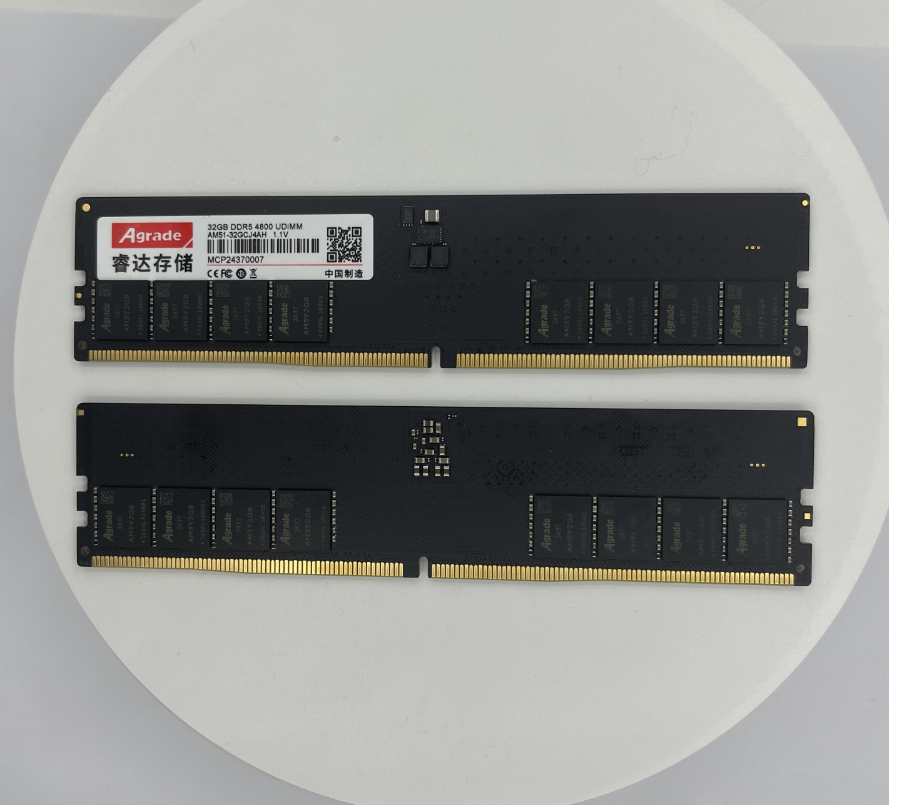
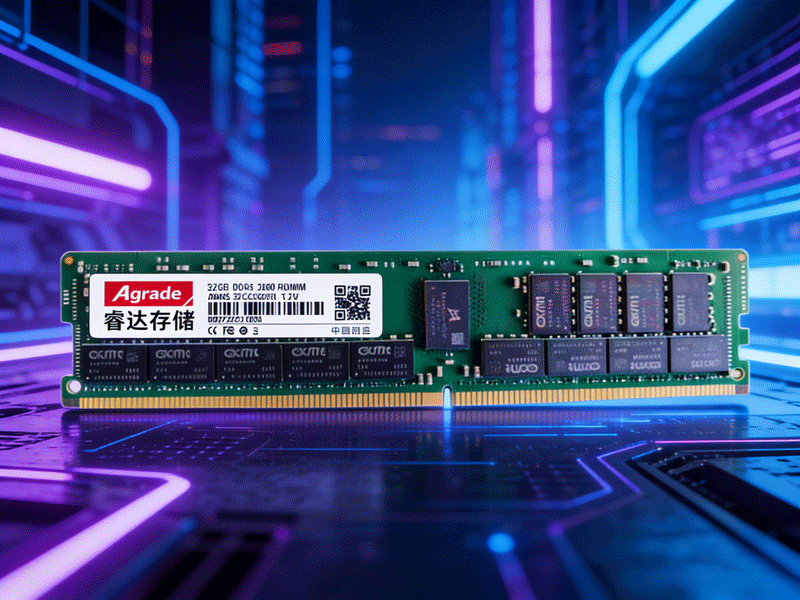
In industrial automation, automotive electronics, outdoor communication, and other extreme environment scenarios, standard consumer-grade DDR4 memory often fails to operate stably. This is where Wide Temperature DDR4 comes into play as a core component of industrial-grade memory, solving the critical pain point of poor environmental adaptability. Many people only have a vague understanding of Wide Temperature DDR4, associating it merely with "temperature resistance," but lack insight into its core definition, technical characteristics, application value, and differences from standard DDR4. This article will comprehensively popularize the basic knowledge of Wide Temperature DDR4, helping you understand why it can adapt to harsh environments and become an indispensable part of industrial equipment.
 正
正
Wide Temperature DDR4, also known as Wide Temp DDR4 or Industrial-Grade Wide Temperature DDR4, is essentially an upgraded industrial-grade storage product based on the standard DDR4 memory architecture. Its core difference from standard DDR4 lies in the breakthrough in temperature adaptability. Standard consumer-grade DDR4 has a limited operating temperature range of 0°C to 85°C, which is only suitable for indoor normal temperature scenarios such as desktop computers, laptops, and office servers. In contrast, Wide Temperature DDR4 can generally achieve a wide temperature coverage of -40°C to 85°C, and high-end industrial-grade and automotive-grade products can even extend to -40°C to 125°C, fully adapting to extreme scenarios such as high-temperature exposure, severe cold, and drastic day-night temperature differences.
The temperature resistance advantage of Wide Temperature DDR4 is not simply achieved through hardware reinforcement, but through full-process optimization from chip selection to production technology. At the chip level, it adopts original industrial-grade wide-temperature memory particles, which have undergone strict high and low temperature screening and aging tests to eliminate problems such as failure to start at low temperatures and performance degradation at high temperatures. These particles are designed with special semiconductor processes to reduce the impact of temperature on electron migration inside the chip—avoiding slow electronic activity leading to startup failure at low temperatures and excessive electron migration causing chip burnout at high temperatures.
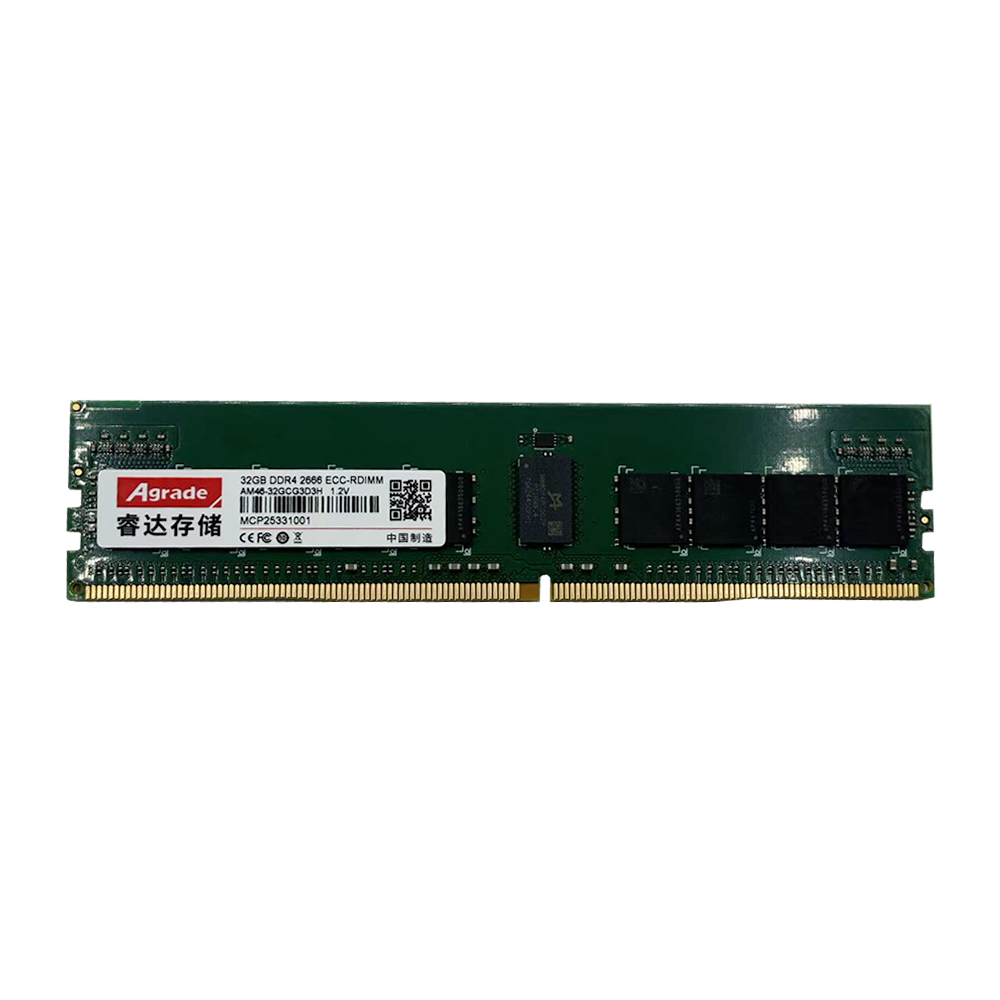
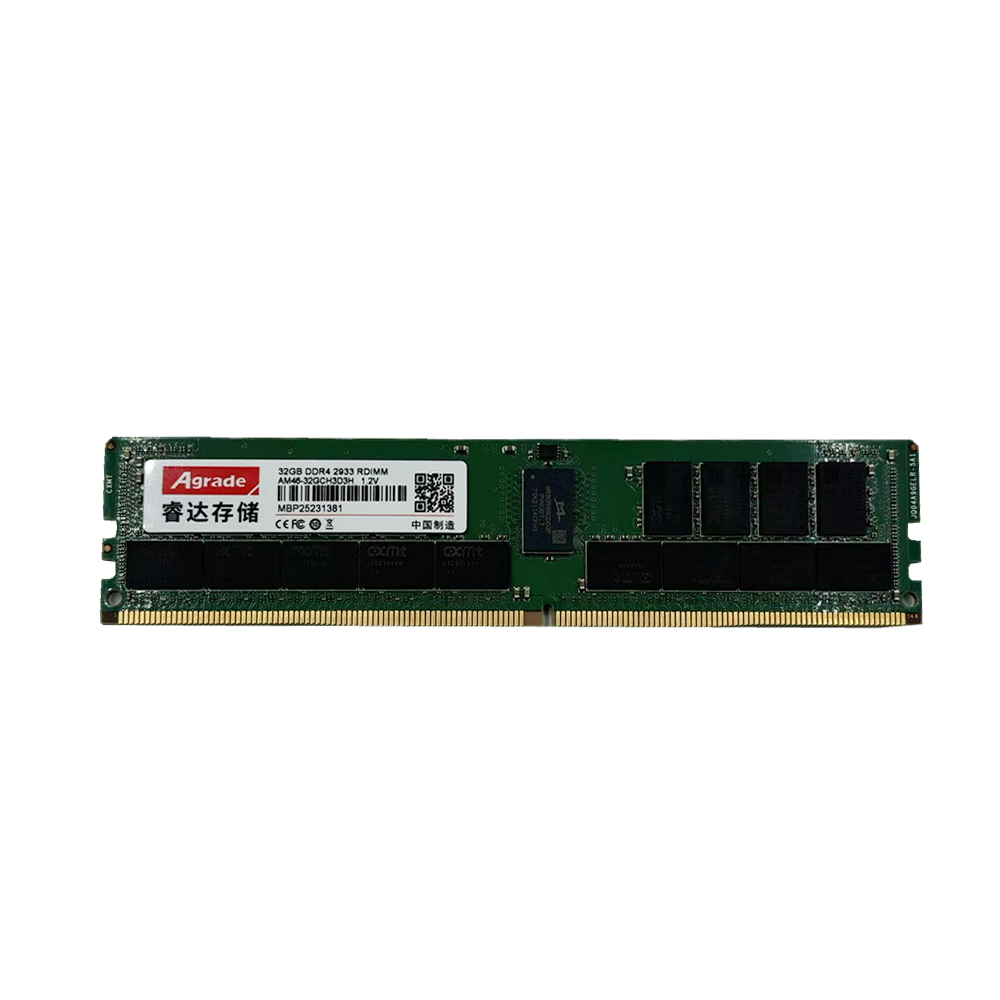
At the component level, Wide Temperature DDR4 is equipped with industrial-grade capacitors that can withstand temperatures up to 125°C and precision resistors with an error rate of only ±1%, ensuring stable voltage supply and circuit transmission even in extreme temperature environments. In addition, most Wide Temperature DDR4 products adopt a 30μ gold-plated finger design, which improves oxidation resistance and signal transmission stability, and prevents poor contact caused by temperature changes. Some high-end products also use Underfill bottom filling technology to strengthen the solder joint strength between the chip and the PCB board, avoiding solder joint detachment due to thermal expansion and contraction, while enhancing shock resistance and vibration resistance.
In addition to excellent temperature resistance, Wide Temperature DDR4 also has core charateristics such as high reliability, strong anti-interference ability, and long service life. It is designed to support 24/7 uninterrupted high-load operation, with a service life of 5 to 10 years, which is much longer than the 3 to 5 years of standard consumer-grade DDR4. Currently, Wide Temperature DDR4 has been widely used in military, automotive, outdoor base stations, industrial robots, smart security, energy and power, and other fields, becoming the "memory cornerstone" for the stable operation of equipment in extreme environments and a core support component for industrial digital transformation.

-
Products
Advantages
-
Solutions
-
News
About us
-
Contact us
Tel:+86 19926658803
Whatsapp:+86 19926658803
lianle1210@163.com
Address: 30CF, Caihong Building, Caihong Road, Futian District, Shenzhen City, Guangdong Province, China


Friendly Links:
