












News


 电商部
电商部  2026-02-06 18:30:05
 Key Parame这种ters of Wide Temperature DDR4: A Technical Guide for Beginners
When purchasing Wide Temperature DDR4, many beginners fall into the misunderstanding of "only focusing on the temperature range and ignoring core parameters," which leads to the selected products being unable to adapt to equipment requirements or even having compatibility issues. In fact, the parameters of Wide Temperature DDR4 directly determine its performance, stability, and applicable scenarios. Understanding these parameters is crucial for accurate selection and avoiding purchase pitfalls. This article will break down the core technical parameters of Wide Temperature DDR4, from temperature range and frequency to capacity and power consumption, helping beginners quickly understand the technical logic behind the parameters and select the most suitable Wide Temperature DDR4 product for their needs.
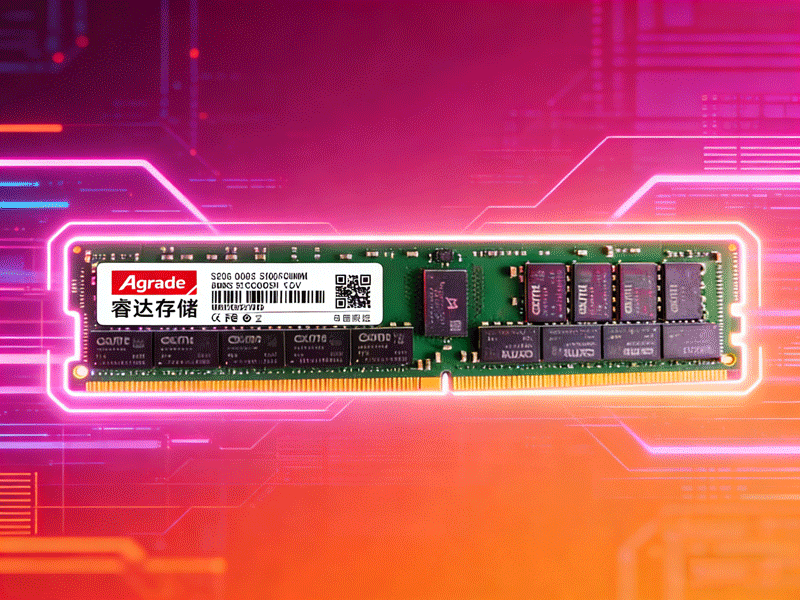
Temperature parameters are the core identifier of Wide Temperature DDR4 and the most intuitive difference from standard DDR4. They are mainly divided into two dimensions: operating temperature and storage temperature. The operating temperature refers to the temperature range in which the memory can operate normally. Conventional industrial-grade Wide Temperature DDR4 has an operating temperature range of -40°C to 85°C, which can meet the needs of most general industrial scenarios. Automotive-grade products need to pass the AEC-Q100 Grade 0 certification, with an operating temperature range of -40°C to 125°C, adapting to the harsh temperature environment inside the car—such as over 60°C in summer exposure and below -30°C in winter severe cold.
The storage temperature range is wider than the operating temperature range, generally -55°C to 100°C, ensuring that the memory will not be damaged due to excessively high or low ambient temperature when the equipment is idle. It is worth noting that when selecting Wide Temperature DDR4, you must not only pay attention to the operating temperature range but also confirm the storage temperature range, especially for equipment that may be stored in extreme environments for a long time, such as outdoor emergency communication equipment and military field equipment.
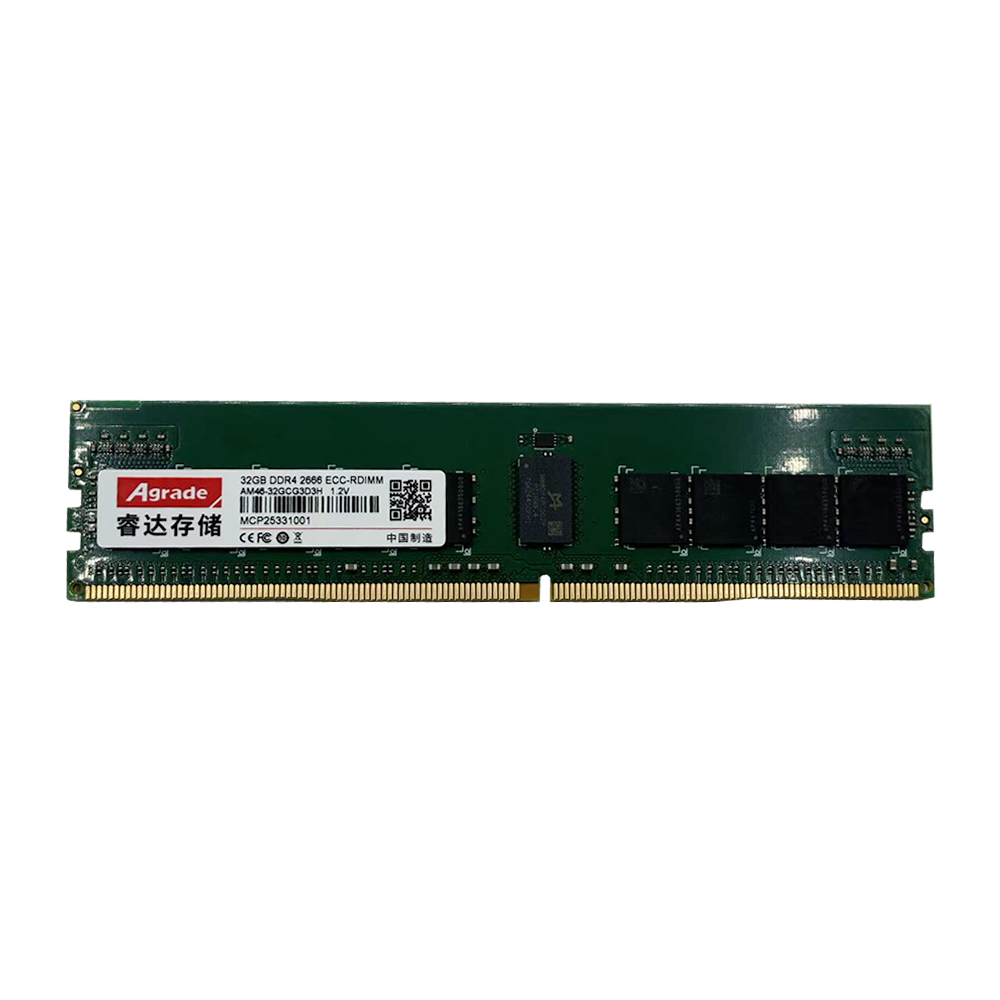
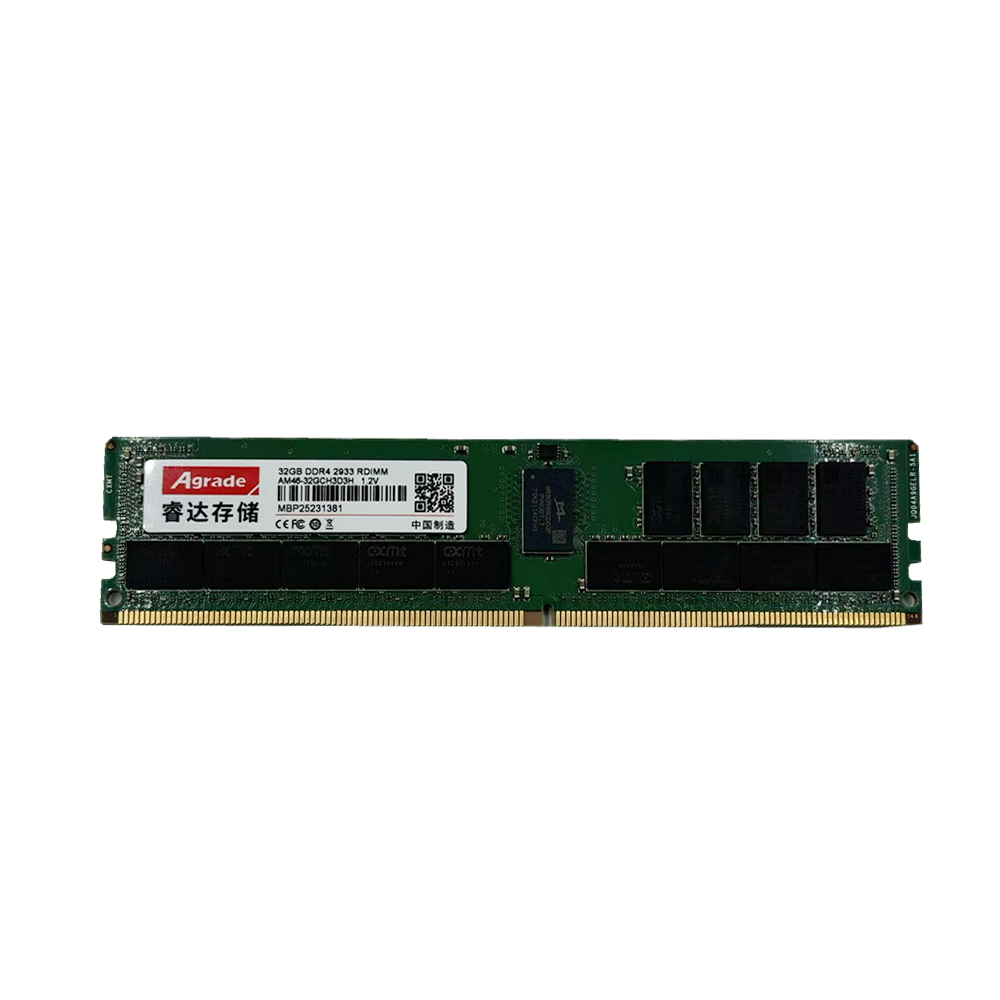
Frequency and capacity are the key parameters determining the operating efficiency of Wide Temperature DDR4. In terms of frequency, the mainstream frequencies of Wide Temperature DDR4 are 2133MHz, 2400MHz, and 2666MHz, and high-end products can reach 3200MT/s. The higher the frequency, the faster the data transmission rate, which can better meet the real-time data caching and processing needs of industrial equipment. For example, industrial controllers and PLCs with low computing power requirements can choose 2133MHz or 2400MHz products, while edge servers and high-performance industrial computers that need to process large amounts of data in real time can choose 2666MHz or 3200MHz products.
In terms of capacity, Wide Temperature DDR4 covers 4GB to 32GB, and some manufacturers support custom single-module 64GB products, which can be flexibly selected according to the data caching needs of the equipment. It is necessary to avoid performance bottlenecks caused by insufficient capacity and unnecessary cost increases caused by excessive capacity. In addition, voltage, pin count, and error correction function are also parameters that cannot be ignored. Wide Temperature DDR4 complies with the JEDEC standard, with an operating voltage of 1.2V (fluctuation range 1.14V-1.26V), which is 20% more energy-efficient than DDR3, making it suitable for power-sensitive industrial equipment.
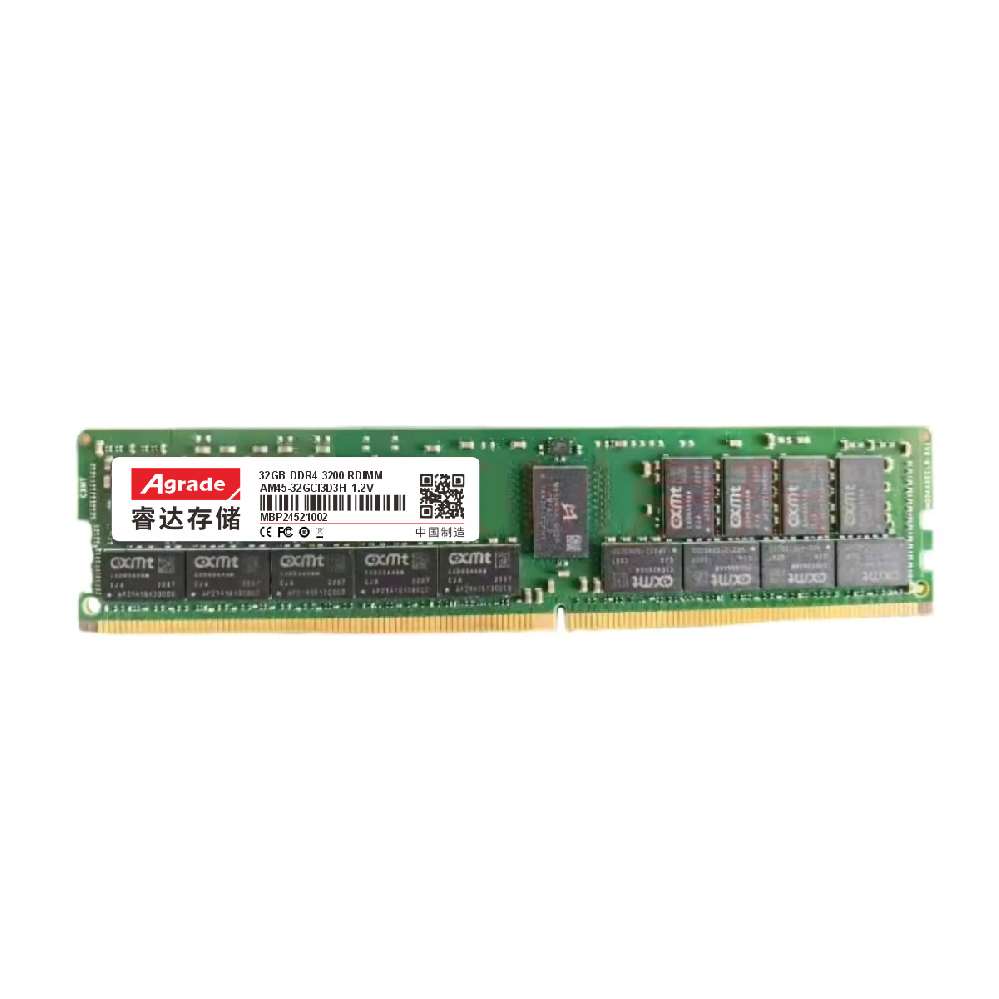
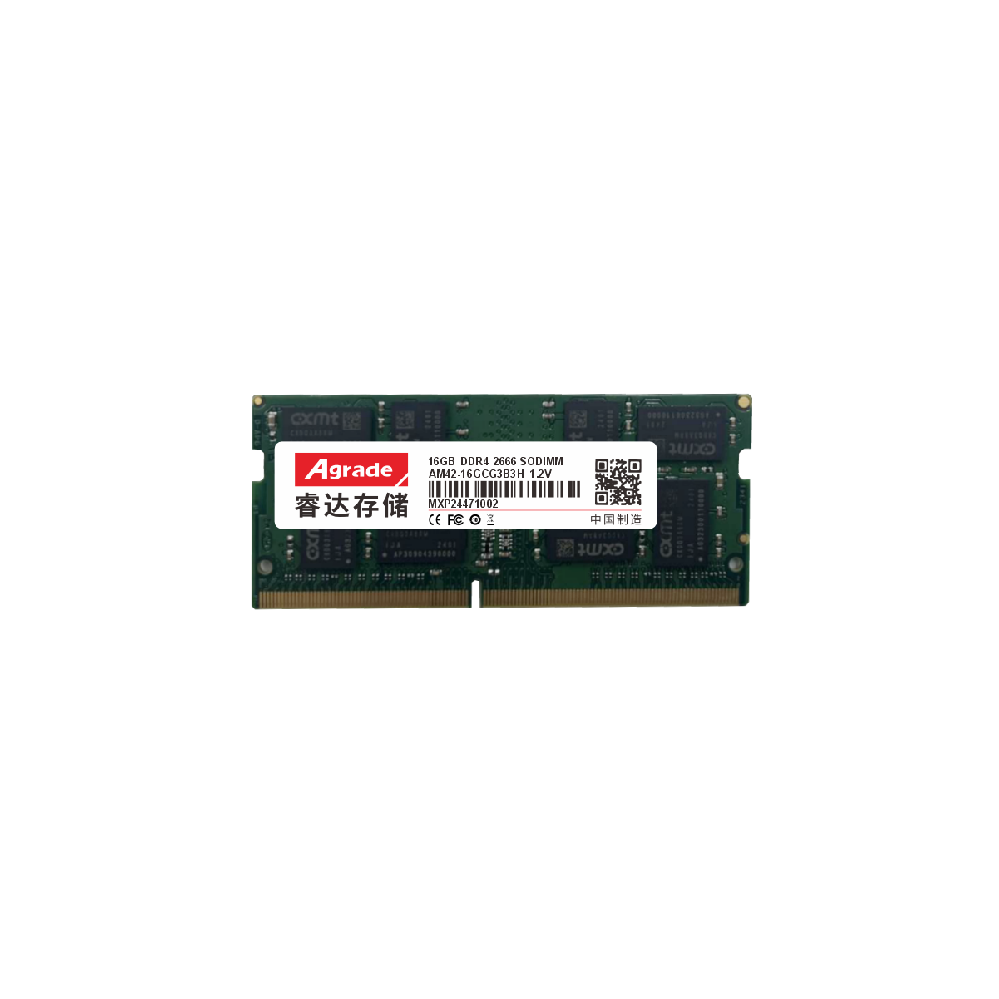
The pin count is divided into 260-Pin (SODIMM type) and 288-Pin (RDIMM type), corresponding to different equipment interfaces. Most industrial-grade Wide Temperature DDR4 products have built-in ECC error correction function, which can automatically detect and correct single-bit errors in data transmission, improve data reliability, and avoid data loss caused by environmental interference—this is an essential core feature for industrial scenarios that require high data accuracy, such as medical equipment and military communication equipment.

-
Products
Advantages
-
Solutions
-
News
About us
-
Contact us
Tel:+86 19926658803
Whatsapp:+86 19926658803
lianle1210@163.com
Address: 30CF, Caihong Building, Caihong Road, Futian District, Shenzhen City, Guangdong Province, China


Friendly Links:
