



























News


 电商部
电商部  2026-02-06 18:32:23
 Temperature Resistance Technology of Wide Temperature DDR4: Adaptation Principle in High and Low Tem
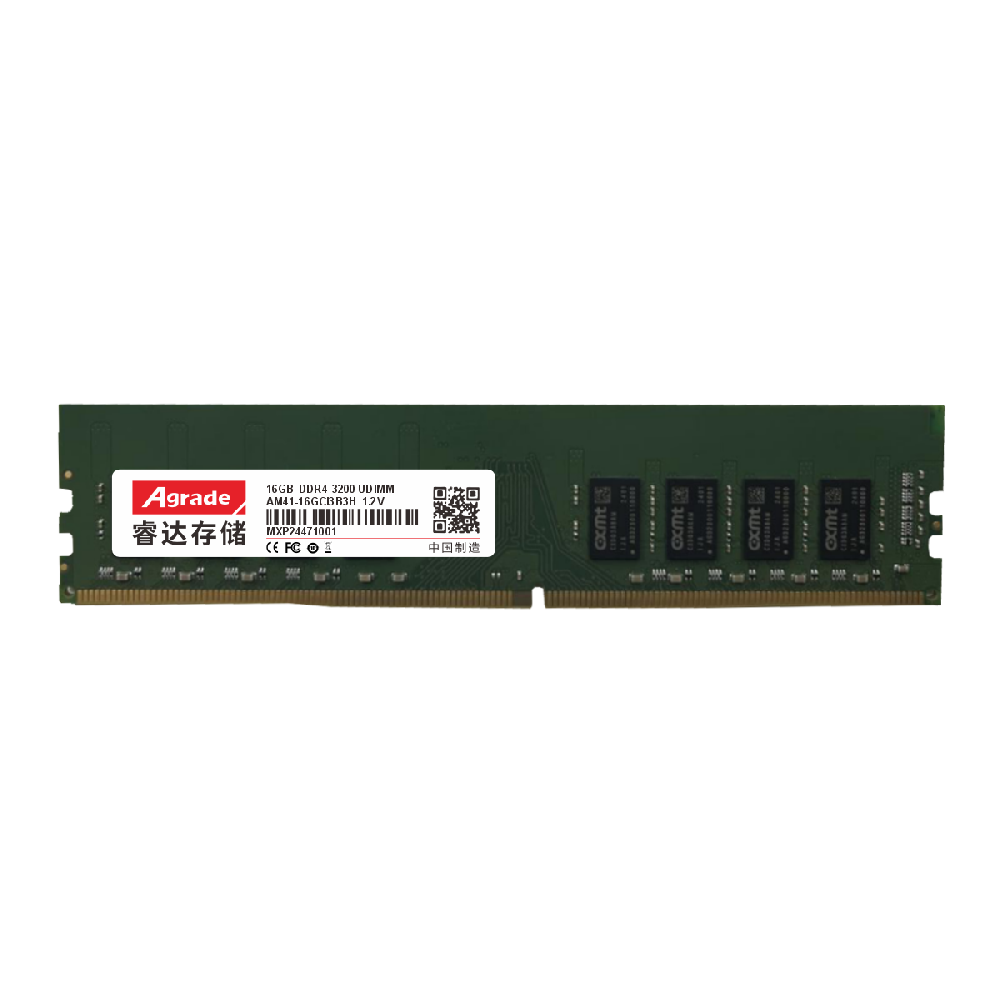
Temperature resistance is the core competitiveness of Wide Temperature DDR4 and the key feature that distinguishes it from standard DDR4. Whether in -40°C polar environments, 85°C industrial equipment interiors, or outdoor scenarios with day-night temperature differences exceeding 60°C, Wide Temperature DDR4 can operate stably. Many people wonder how this super temperature resistance is achieved and what core technologies are behind it. This article will deeply reveal the temperature resistance technology of Wide Temperature DDR4, explain its adaptation principle in high and low temperature environments, and help you understand the technical secrets of industrial-grade memory.

The temperature resistance technology of Wide Temperature DDR4 is first reflected in the selection and optimization of core chips. Standard DDR4 uses consumer-grade chips, and the transistors inside the chips will have performance abnormalities in extreme temperatures: at low temperatures, the导通 resistance of transistors increases, electronic activity slows down, leading to difficulty in memory startup and reduced data transmission rate; at high temperatures, transistor leakage is serious, prone to data loss and chip burnout.
In contrast, Wide Temperature DDR4 uses original industrial-grade wide-temperature particles, which have undergone strict high and low temperature screening. Only particles that can maintain stable performance in the range of -40°C to 125°C can be used in production. These particles are designed with special semiconductor processes, such as optimizing the doping concentration of the chip and adjusting the structure of the transistor channel, to reduce the impact of temperature on electron migration inside the chip. At the same time, the chip packaging material is also specially selected, using high-temperature-resistant and low-temperature-resistant packaging glue to avoid the packaging glue becoming brittle and cracking at low temperatures, leading to separation between the chip and the PCB board.
For adaptation to low-temperature environments, Wide Temperature DDR4 mainly achieves stable operation through two technical optimizations. First, optimize the startup circuit of the chip. The startup voltage threshold of standard DDR4 chips is relatively high, and it is difficult to start normally at low temperatures. The wide-temperature chip optimizes the startup circuit design, reduces the startup voltage threshold, and ensures that the transistor can be turned on quickly even at -40°C, realizing normal startup of the memory. Second, adopt low-temperature stable packaging materials and PCB boards. The PCB board of Wide Temperature DDR4 uses high-quality glass fiber materials, which have good low-temperature toughness and will not become brittle and crack at low temperatures; the packaging glue uses low-temperature resistant materials to ensure the integrity of the chip packaging at low temperatures.
In addition, at low temperatures, the power consumption of Wide Temperature DDR4 will be automatically adjusted. The built-in power management module reduces the operating voltage and frequency appropriately, reduces heat generation, avoids hardware damage caused by excessive temperature difference between the inside and outside of the memory, and ensures smooth startup and stable operation at low temperatures. For adaptation to high-temperature environments, the core lies in heat dissipation enhancement and stability improvement. On the one hand, Wide Temperature DDR4 uses high thermal conductivity packaging materials, such as copper heat dissipation sheets or thermal conductive adhesives, to accelerate the heat dissipation of the chip and reduce heat accumulation at high temperatures.
On the other hand, it selects industrial-grade high-temperature-resistant components. For example, the capacitor can withstand temperatures up to 125°C, and the resistor has good high-temperature stability, avoiding component aging and failure at high temperatures, and ensuring stable voltage supply and circuit transmission. In addition, some high-end products add a conformal coating on the surface of the PCB board, which forms a protective film to isolate high temperature, dust, and moisture, further improving reliability in high-temperature environments. At the same time, all Wide Temperature DDR4 products need to pass the temperature shock test, which simulates the cyclic impact of high and low temperatures in actual scenarios to ensure that there is no performance degradation or hardware damage in the alternating high and low temperature environments.

-
Products
Advantages
-
Solutions
-
News
About us
-
Contact us
Tel:+86 19926658803
Whatsapp:+86 19926658803
lianle1210@163.com
Address: 30CF, Caihong Building, Caihong Road, Futian District, Shenzhen City, Guangdong Province, China


Friendly Links:
