












News


 电商部
电商部  2026-02-02 11:59:13
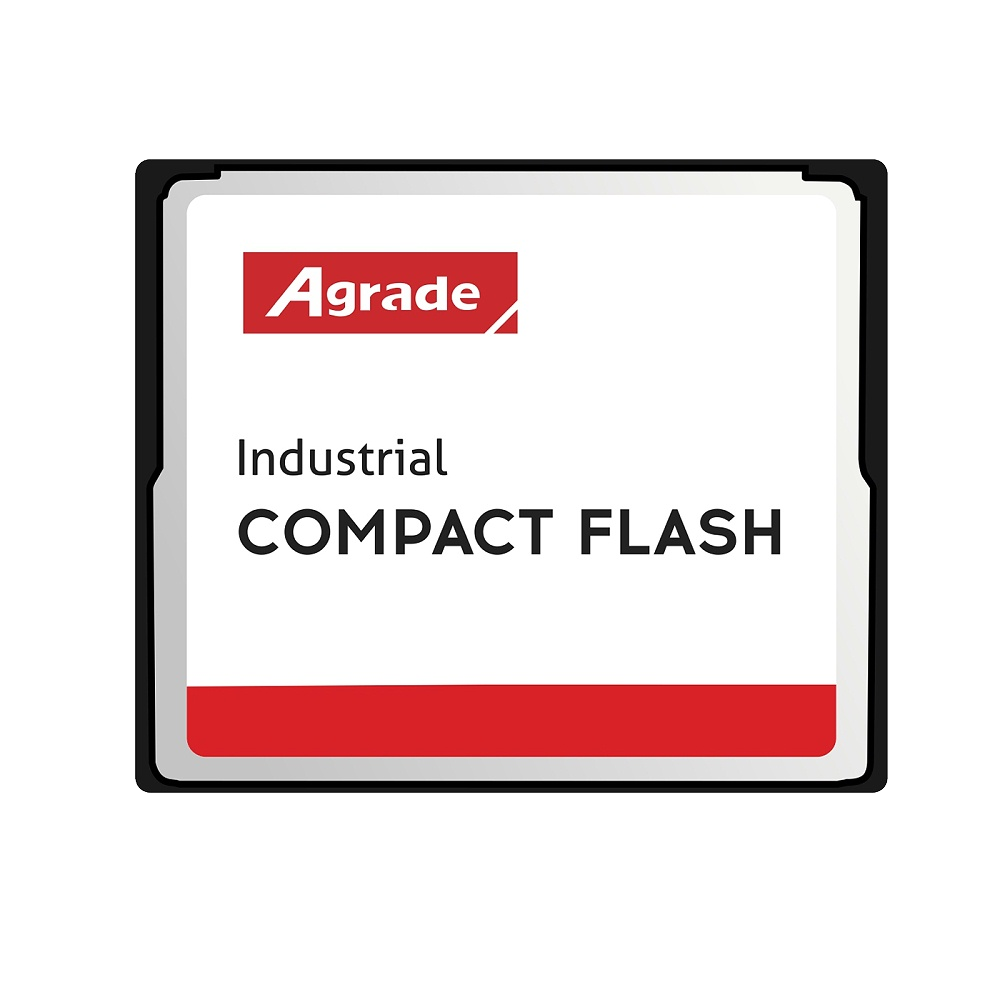
 Wide Temperature CF Card Temperature Ranges: Specifications and Application Matching
There is no universal industry standard for "wide temperature" in CF cards, with different brands and grades offering varying temperature specifications. These typically fall into three categories: standard wide temperature, semi-wide temperature, and military-grade ultra-wide temperature. Understanding the temperature range and application suitability of each category is critical for accurate selection, ensuring compatibility with operating environments while balancing cost-effectiveness.
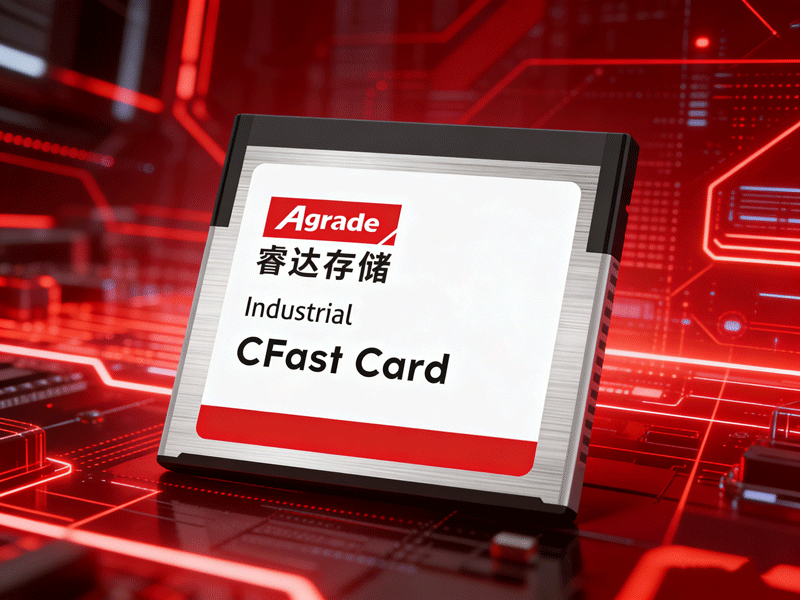
Standard wide temperature models, the most widely used in industrial settings, cover a working temperature range of -40°C to 85°C, adapting to most industrial environments. These cards strike a balance between temperature resistance and cost, making them popular in industrial automation, rail transit, and in-vehicle monitoring systems. They withstand low temperatures in underground tunnels and high temperatures in outdoor summer environments, supporting 24/7 operation for automotive manufacturing, electronic processing, and other production lines.
Semi-wide temperature models are designed for moderately extreme environments, with a working range of -20°C to 70°C—between standard consumer CF cards and full wide temperature variants. These cards avoid the high cost of extreme temperature resistance, offering cost-effectiveness for industrial auxiliary equipment such as small monitors, portable testing instruments, and smart meters. They meet basic industrial storage needs while being more affordable than standard wide temperature cards, suitable for small and medium-sized enterprises with limited budgets.
Military-grade ultra-wide temperature cards target extremely harsh environments, with a working range of -55°C to 105°C. Manufactured with military-grade components and packaging, they also feature radiation resistance and high shock resistance, capable of withstanding space, polar, or military deployment conditions. These cards are primarily used in aerospace, national defense, and polar exploration—for example, in satellites, drones, and tanks—where data stability is critical. However, their high cost makes them unnecessary for standard industrial applications.

-
Products
Advantages
-
Solutions
-
News
About us
-
Contact us
Tel:+86 19926658803
Whatsapp:+86 19926658803
lianle1210@163.com
Address: 30CF, Caihong Building, Caihong Road, Futian District, Shenzhen City, Guangdong Province, China


Friendly Links:
